
A party goods distributor will tell you a beer pong cup is just a party cup. The buyers who actually restock the line describe something narrower: ten cups per side, a base that drops into the rack holes without rocking, and a wall stiff enough that the cup does not fold when someone squeezes it. That is a separate mould from a 9 oz drink cup, and it is bought on different numbers.
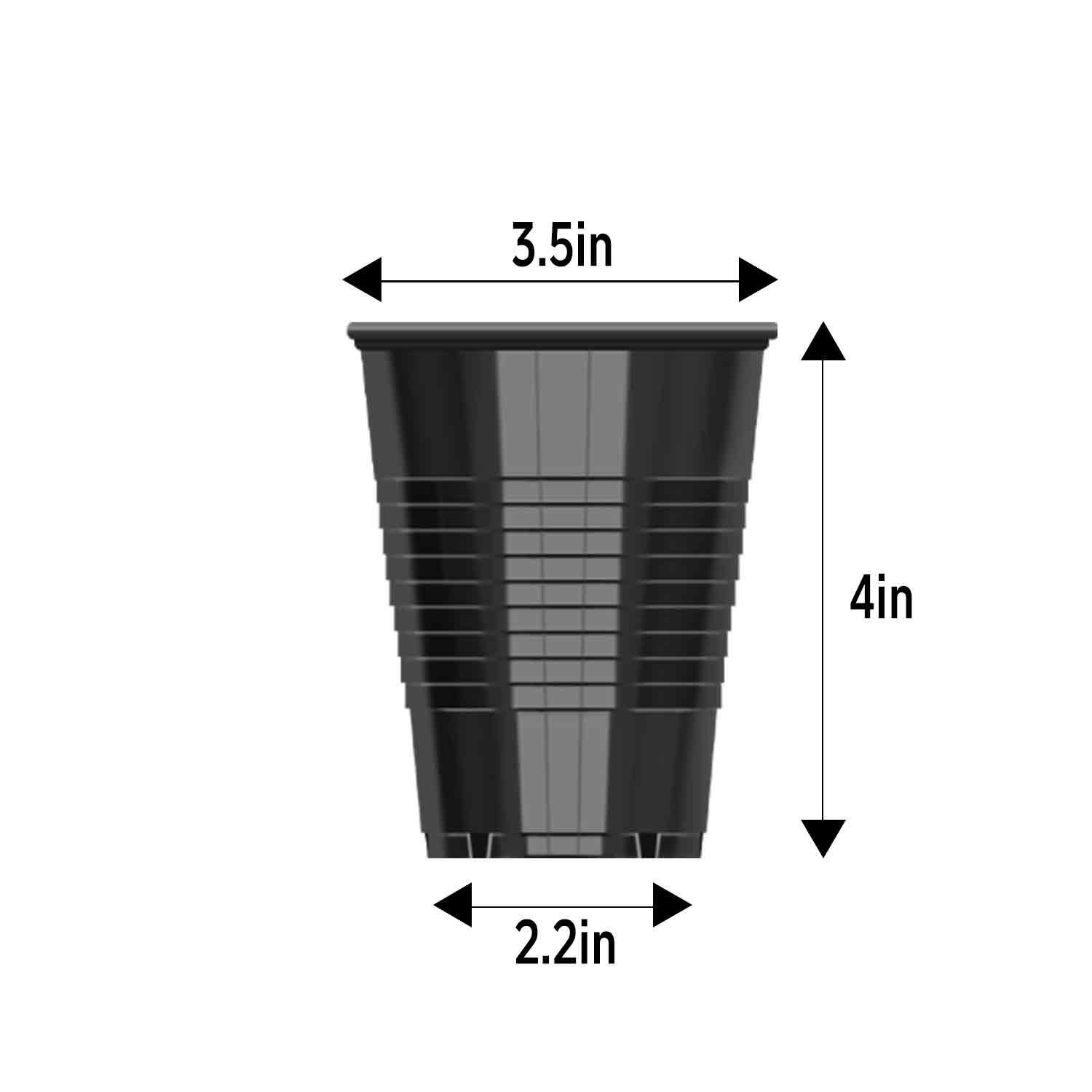
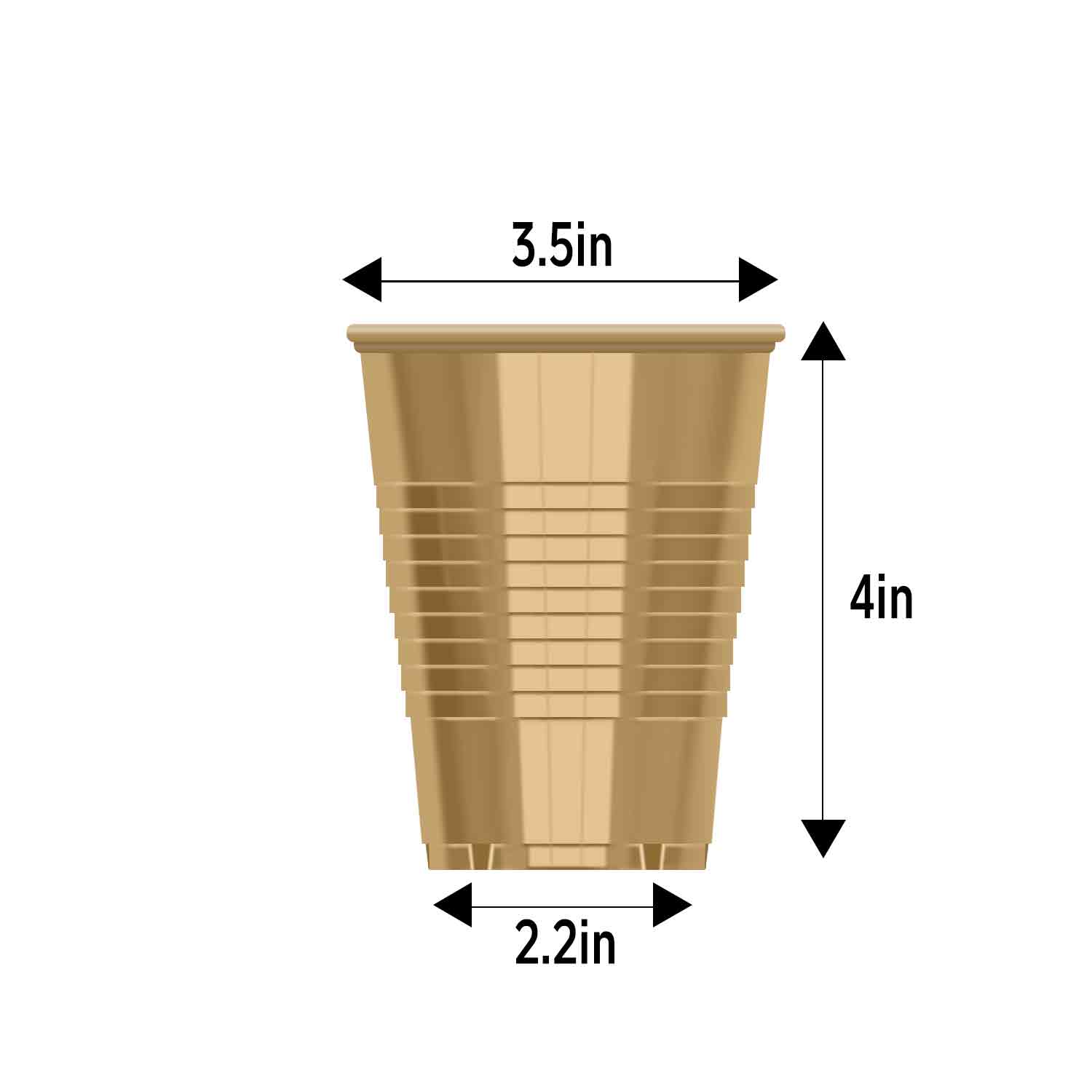
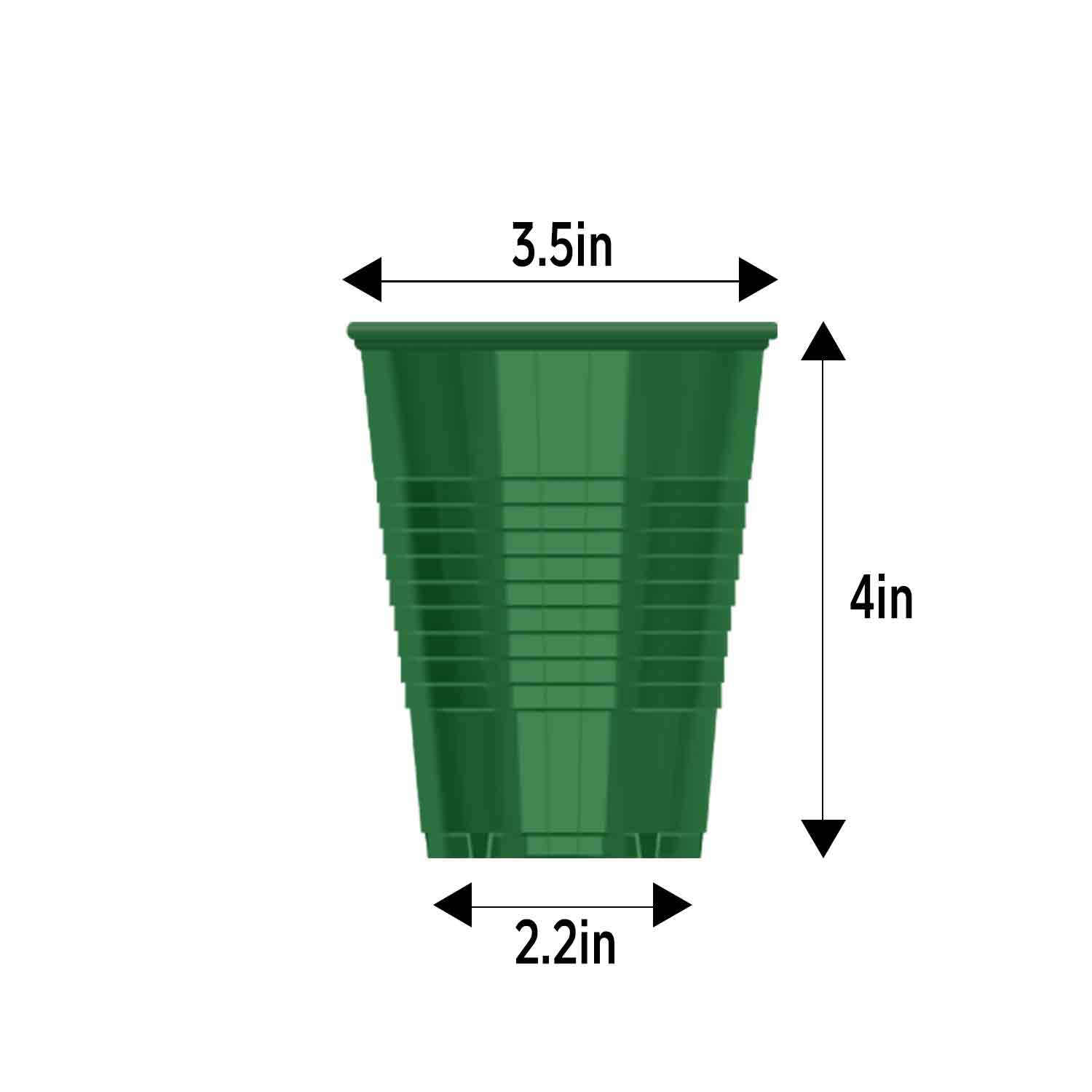
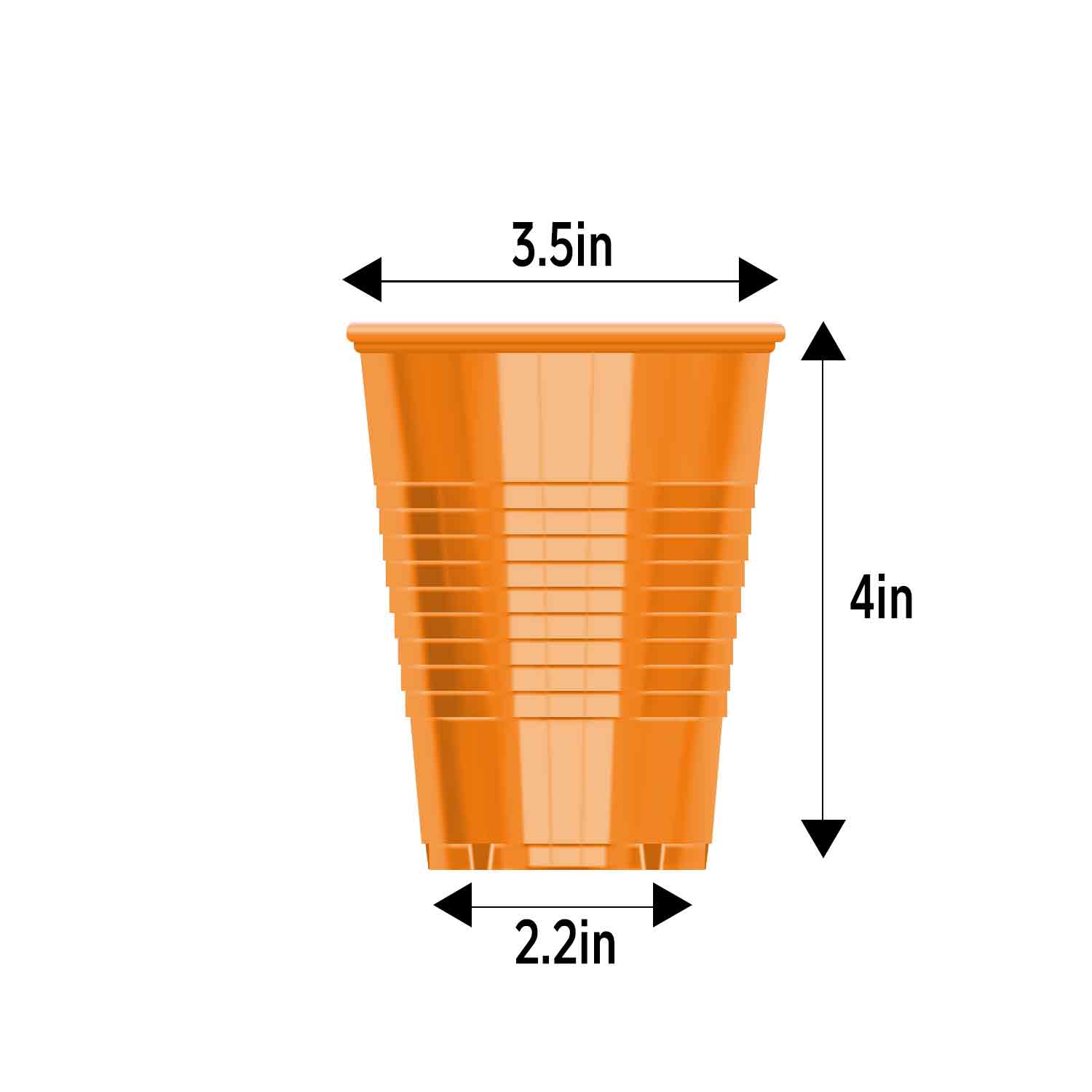
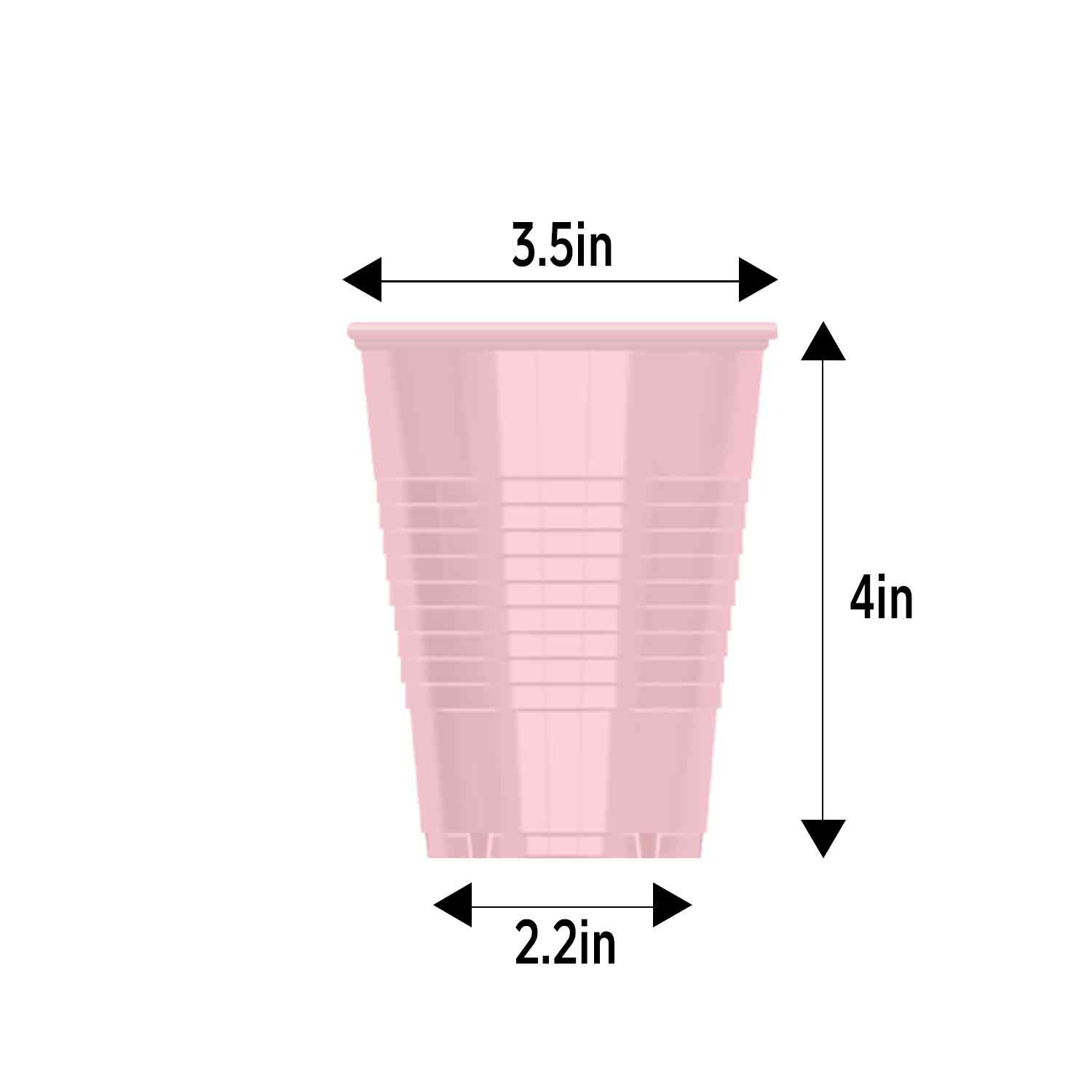
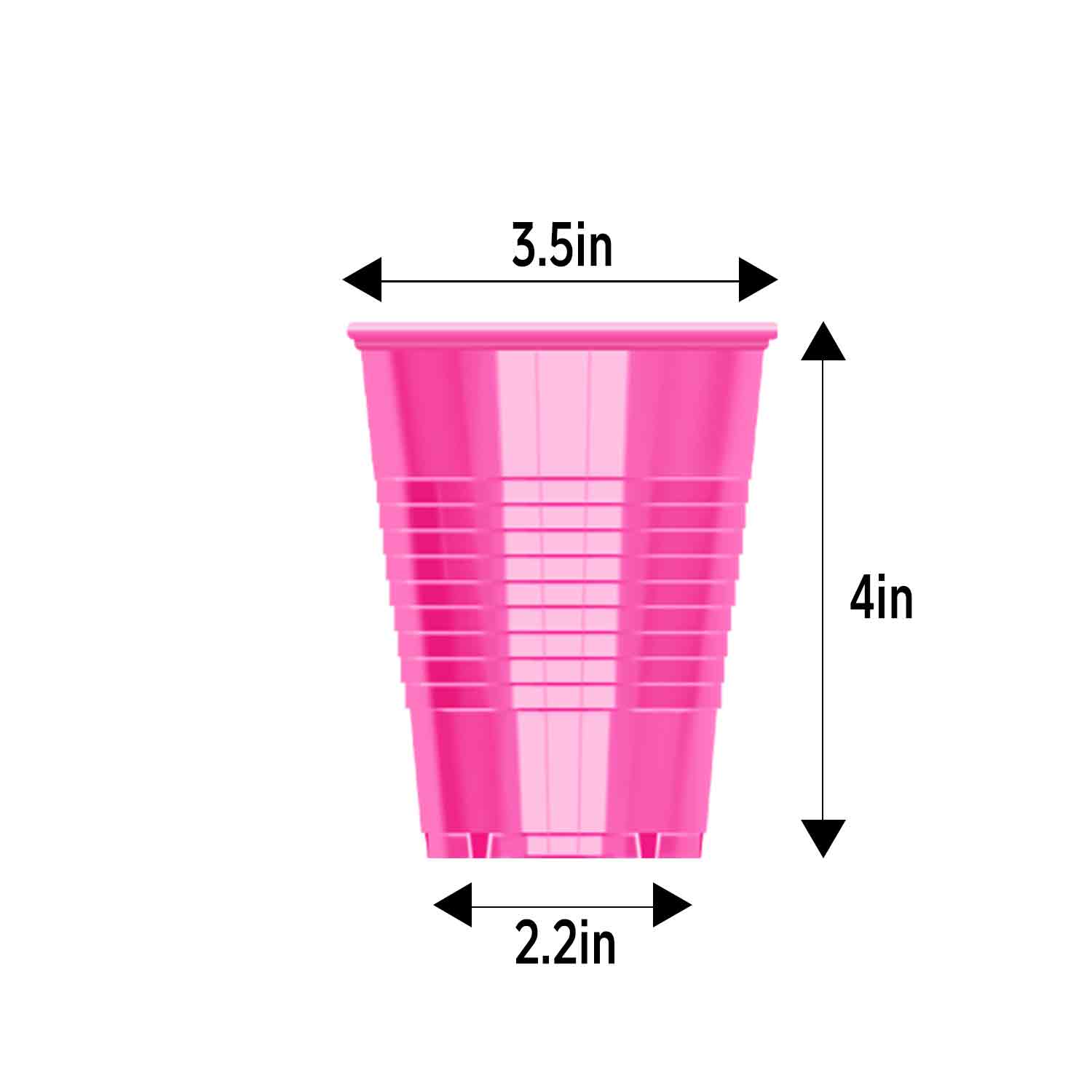
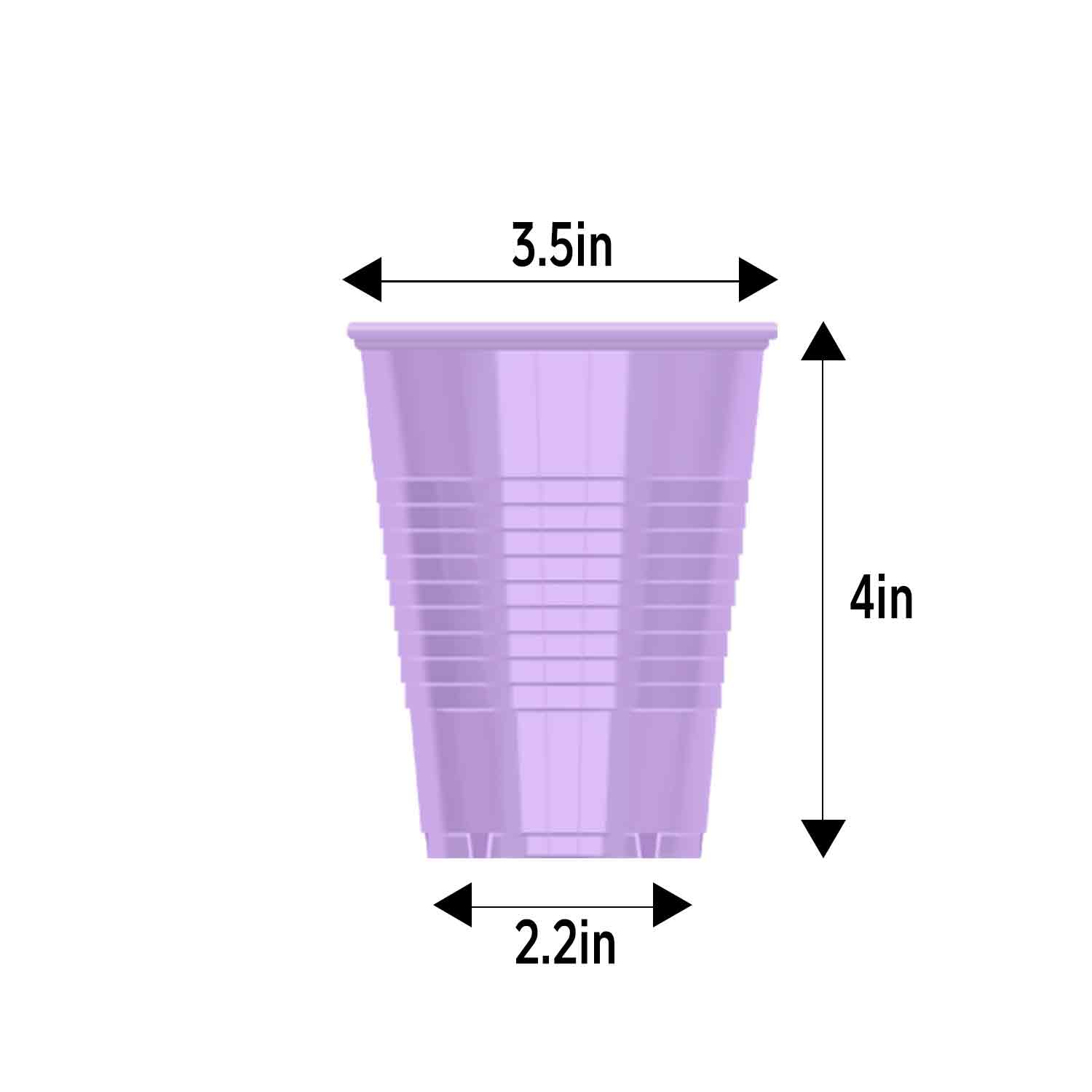
This guide sets out the specification for the cup we mould, and the fields to put on any supplier’s sample: 360 ml (about 12.2 US fl oz), 8.5 cm rim, 5.5 cm base, 10 cm tall, 7 g in polypropylene, injection moulded, in ten solid colours.
1. Why a game cup is its own line, not a party cup
A drink cup is sold by capacity and clarity, because the customer looks at what is inside it. A game cup is sold by the rack and the colour, because nobody looks at the liquid. That flips the priorities: stiffness beats transparency, and a solid, repeatable colour beats a clean wall.
The buying pattern differs too. Retail packs are built for one night at a house or a tailgate, so they are counted in sleeves and need a barcode and a printed count. Distributor orders go to bars, student unions and event rental firms, where the colour has to match the batch before it. Same cup, different packing and colour control. If your range already carries 9 oz and 10 oz party cups, game cups sit beside them without cannibalising them, and they are a long way from the 1, 1.5 and 2 oz shot cups used for tasting.
2. The four numbers that decide the cup
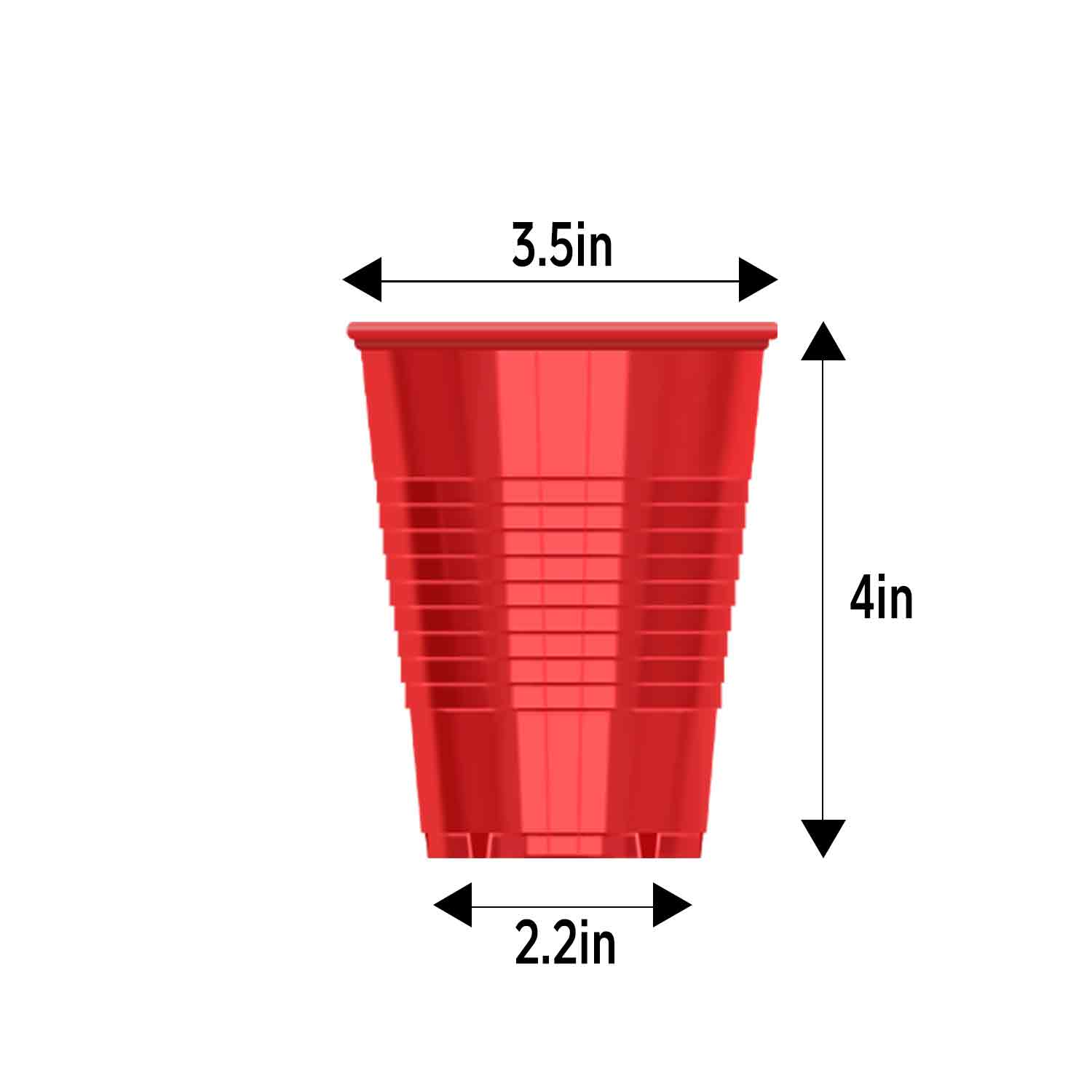
Most of the arguments about game cups come down to four measurements that are easy to leave off a quotation. Ask for all four in centimetres, plus the gram weight, and a sample becomes something you can compare instead of something you can only look at.
| Specification | Figure | Why the buyer checks it |
|---|---|---|
| Capacity | 360 ml / 12.2 US fl oz | Nominal size; the cup is filled below the rim, never to the edge |
| Rim diameter | 8.5 cm | The drinking edge and the stacking seat |
| Base diameter | 5.5 cm | Decides whether the cup sits in a rack hole |
| Height | 10 cm | Rack depth and the height of a stacked sleeve |
| Weight | 7 g | The only honest proxy for wall thickness on a quote |
| Resin | Polypropylene | Bends before it cracks when knocked off a table |
| Process | Injection moulding | Colour runs through the resin, so it cannot rub off |
One warning that saves arguments later: the number on the carton is a trade size, not a fill line. A 360 ml cup holds 360 ml to the very top, and a full cup in play is well under that, which is exactly why the wall matters more than the volume.
3. Rack fit: the base diameter is the specification
Every rack is a tray of holes at fixed centres, arranged in the standard triangle of ten. A base that is a millimetre or two too wide will not seat, and the cups sit proud of the tray and tilt. A base that is too narrow rattles, and a cup that rattles is a cup that goes over on a soft throw that should have stayed up. When a buyer says the cups “do not fit our racks”, the number to check is the base, not the capacity.
Send the supplier your rack, or at least the hole diameter and centre spacing, before the first production run. On a sample, seat ten cups and look along the row: all ten rims should sit at the same height. If the rack moves before the cup does, the base is too loose for that tray.
4. Polypropylene, weight and the squeeze test
Game cups take a different kind of abuse from drink cups. They are squeezed, knocked, stacked wet and dropped, and a cup that shatters leaves shards on a floor where people are standing in socks. Polypropylene is the usual answer because it yields and returns instead of cracking, and because it takes pigment cleanly through the resin. Polystyrene gives a harder, glassier wall, which is why it dominates clear drink cups; the trade-off between the two resins is covered in our PP, PS and PET comparison.
Gram weight is where quotes hide. A cup that is two or three grams lighter feels acceptable in the hand when empty, then folds the first time it is filled and squeezed. Put the gram weight per cup on the comparison sheet, weigh ten cups on a kitchen scale and divide, and treat any supplier who will not state the figure as an open question rather than a cheaper option.
Food-contact paperwork belongs in the same conversation, even for a cup used for a game: the resin should be covered by 21 CFR 177.1520 for polypropylene, and the colourants by 21 CFR 178.3297. Guests drink from these cups between rounds, so the file has to exist.
5. Ten colours, and how a range gets specified
Our mould runs in black, blue, green, gold, hot pink, orange, pink, purple, red and yellow. That is not decoration; it is the merchandising. Red against blue is the default team pairing, a neon set sells into campus and festival accounts, and black or gold carries a casino or New Year theme where the cup is part of the table dressing.
Because the colour is in the resin, there is no print to wear off, but there is also no way to correct a shade after moulding. Control it the way converters control any coloured part: one master sample per colour, kept under cover and signed by both sides; a judgement light rather than a shop window; and a tolerance agreed in advance, measured as a colour difference to ASTM D2244 rather than argued by eye. Two batches that read as “red” in a warehouse can sit a visible step apart under a marquee light.
Ten solid colours also means ten stock codes. Retail buyers usually run four to six; distributors who serve bars and rental firms tend to carry the full set, because a venue that books a colour-themed night wants the cups to match the napkins and the table cover rather than the other way round. If the same event needs a full table, the party tableware set guide explains how the pieces are matched across plates, cutlery and napkins.
6. Retail sleeve or bulk carton
Nested cups ship as mostly air, so the packing decision is really a decision about how much air the buyer is willing to pay for. A retail sleeve needs a printed count, a barcode and a header that can hang; a bulk carton needs the count, the colour code and carton dimensions that stack squarely on a pallet. Ask for both the count per sleeve and the count per carton, and for the carton dimensions in centimetres, because those three numbers decide the freight.
On a sample, stack twenty cups and measure the stack height. A long stack means a big carton and a low count per container; a short one means more cups per carton but a cup that nests deeper and can jam. Neither is wrong, but the number belongs on the quotation. Our cups and lids range page carries the drink-cup equivalents if the same account buys both.
7. What goes on the purchase order
Eight lines cover almost every dispute we see after a game cup order ships:
- Capacity in ml and the fill line the buyer expects.
- Rim diameter, base diameter and height, all in centimetres.
- Gram weight per cup, with a stated tolerance.
- Resin and the food-contact declaration that goes with it.
- Colour by master sample reference, not by name alone.
- Count per sleeve, count per carton and carton dimensions.
- Whether the sleeve carries a barcode and a printed count.
- Rack compatibility: hole diameter and centre spacing of the tray in use.
We have been moulding tableware in Changzhou for over twenty years, and game cups sit in the same building as the plates, cutlery and table covers that end up on the same table. If you send the rack you use and the colour you need to match, we will propose the mould and the packing rather than quote a generic carton.
If you are building the rest of the table around the cup, the plastic cutlery range and the party cup sizes guide cover the pieces that ship in the same carton.
Next step. Send your rack dimensions, colour reference and target pack format through our contact page, or read how we quote to see which fields we need before a price is issued. Related reading: party tableware sets and PP vs PS vs PET.