










Two nine-inch disposable plates can leave the same production hall looking identical and behave nothing alike. One holds a scoop of hot biryani on a catered buffet for an hour without bowing; the other starts to flex within twenty minutes. The difference is rarely the factory price or the tooling — it is the polymer the plate was moulded from. Almost all disposable dinnerware comes down to three resins: polypropylene (PP), polystyrene (PS) and PET. They sit within pennies of each other per kilo and behave completely differently on the table. Here is what each one is good for, where the money moves, and which claims you can legally print on the pack.
PP, PS and PET: the three resins behind most disposable dinnerware
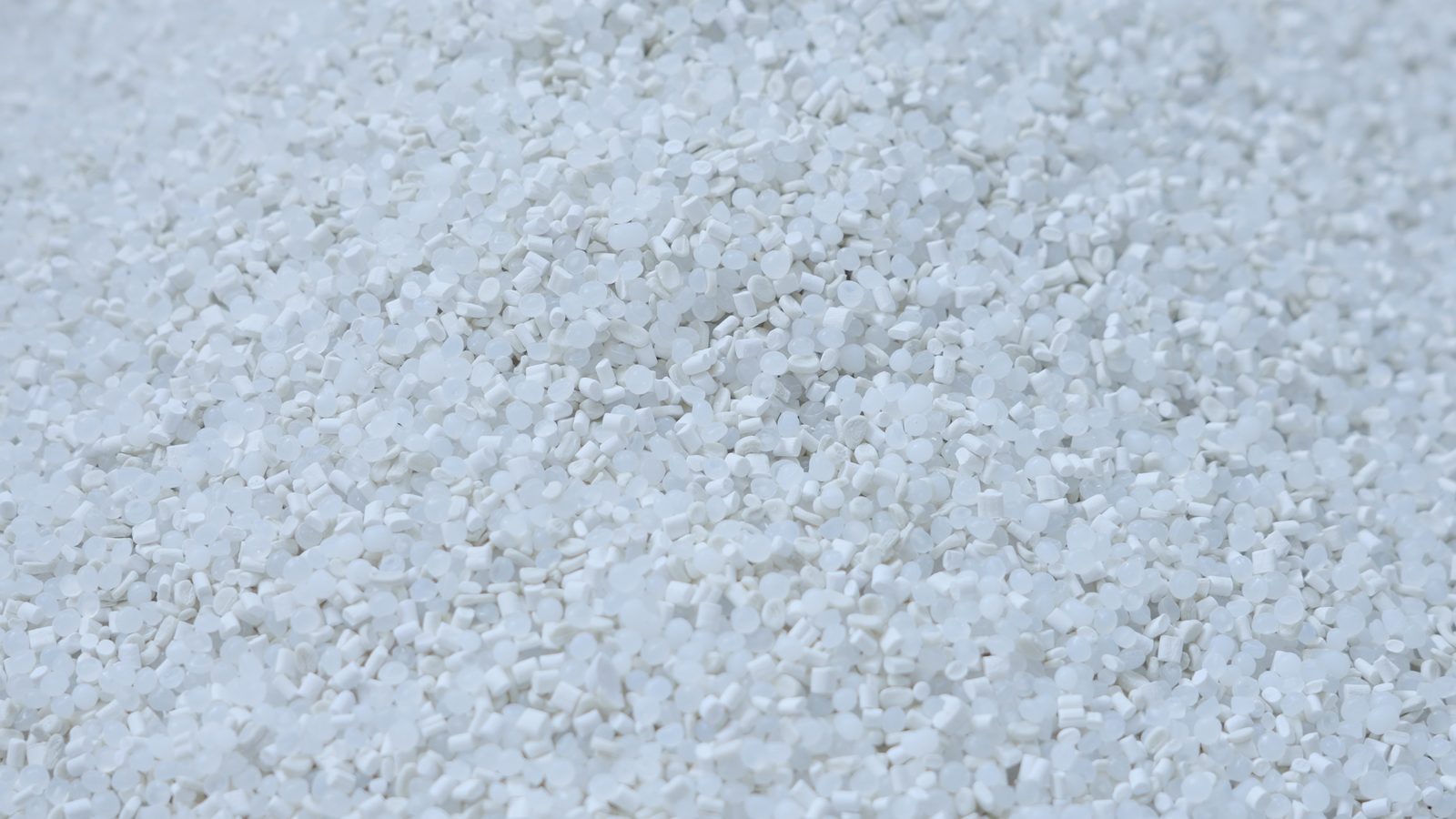
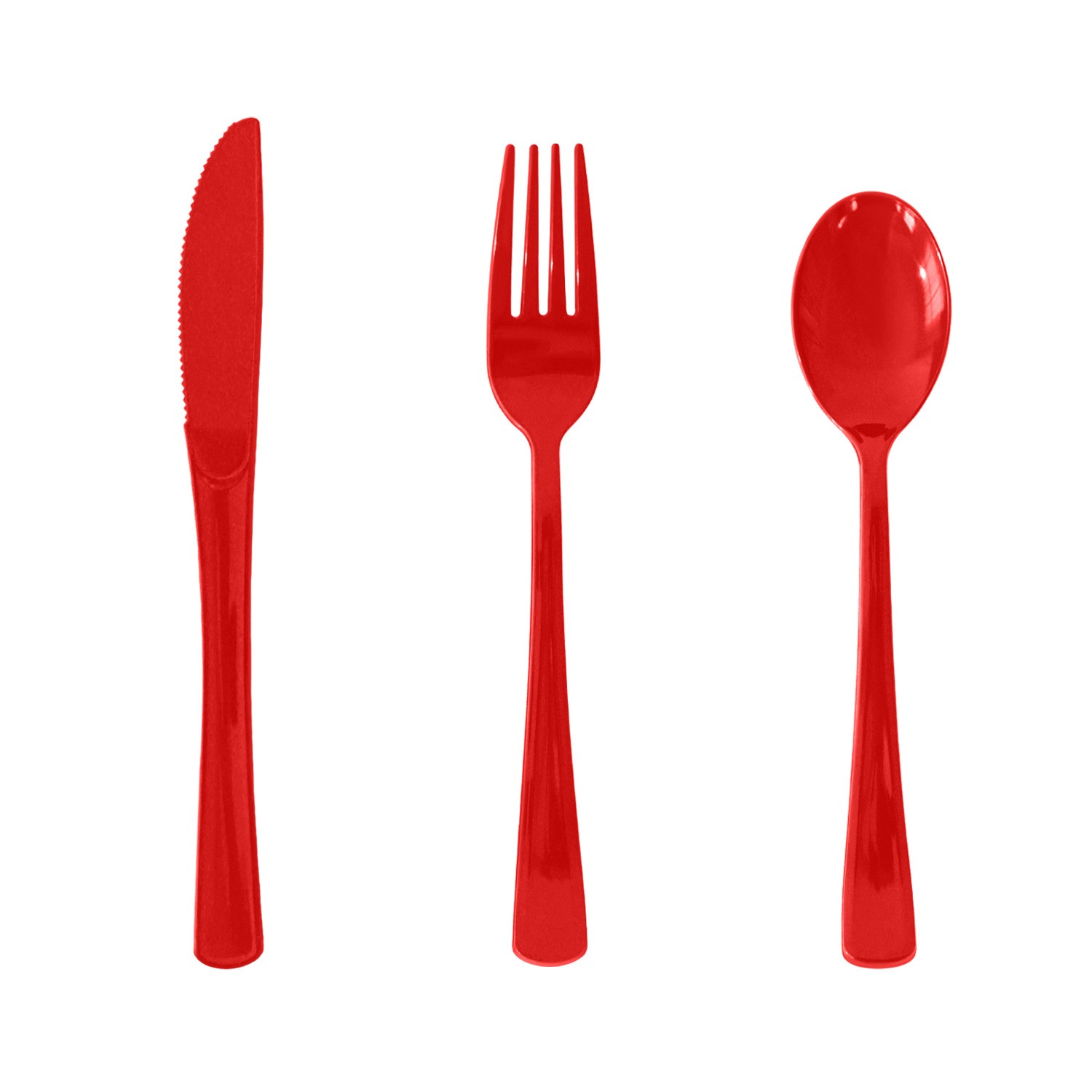
Polypropylene is resin identification code 5. It is semicrystalline, with a density around 0.90 g/cm³ and a melting point near 160–170°C, which gives finished plates and bowls a service temperature well above boiling. It flexes instead of cracking, which is why PP is the default for caterer-grade plates, bowls, cutlery and hot-food clamshells. Mineral-filled PP (MFPP) goes thinner for the same stiffness when weight matters.
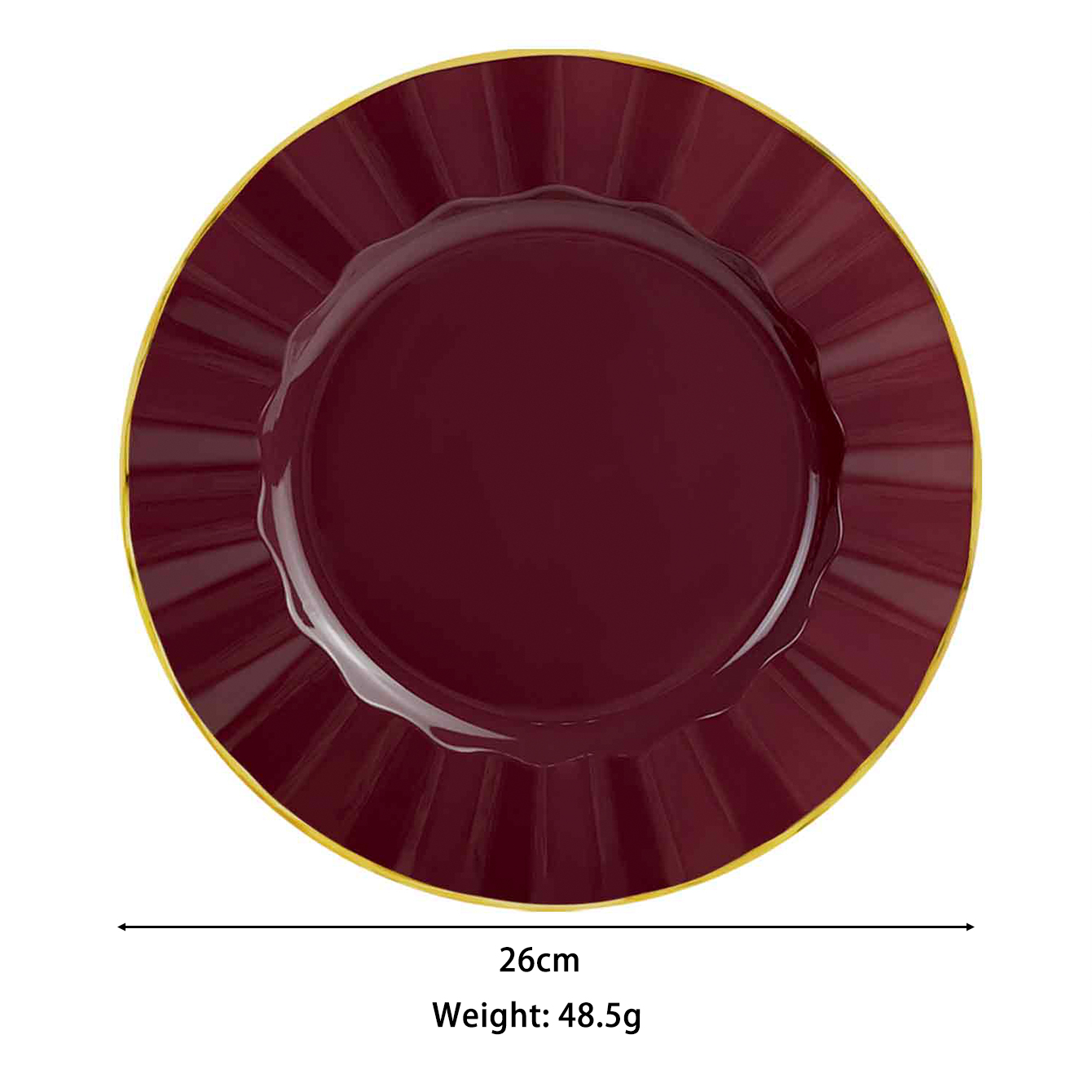
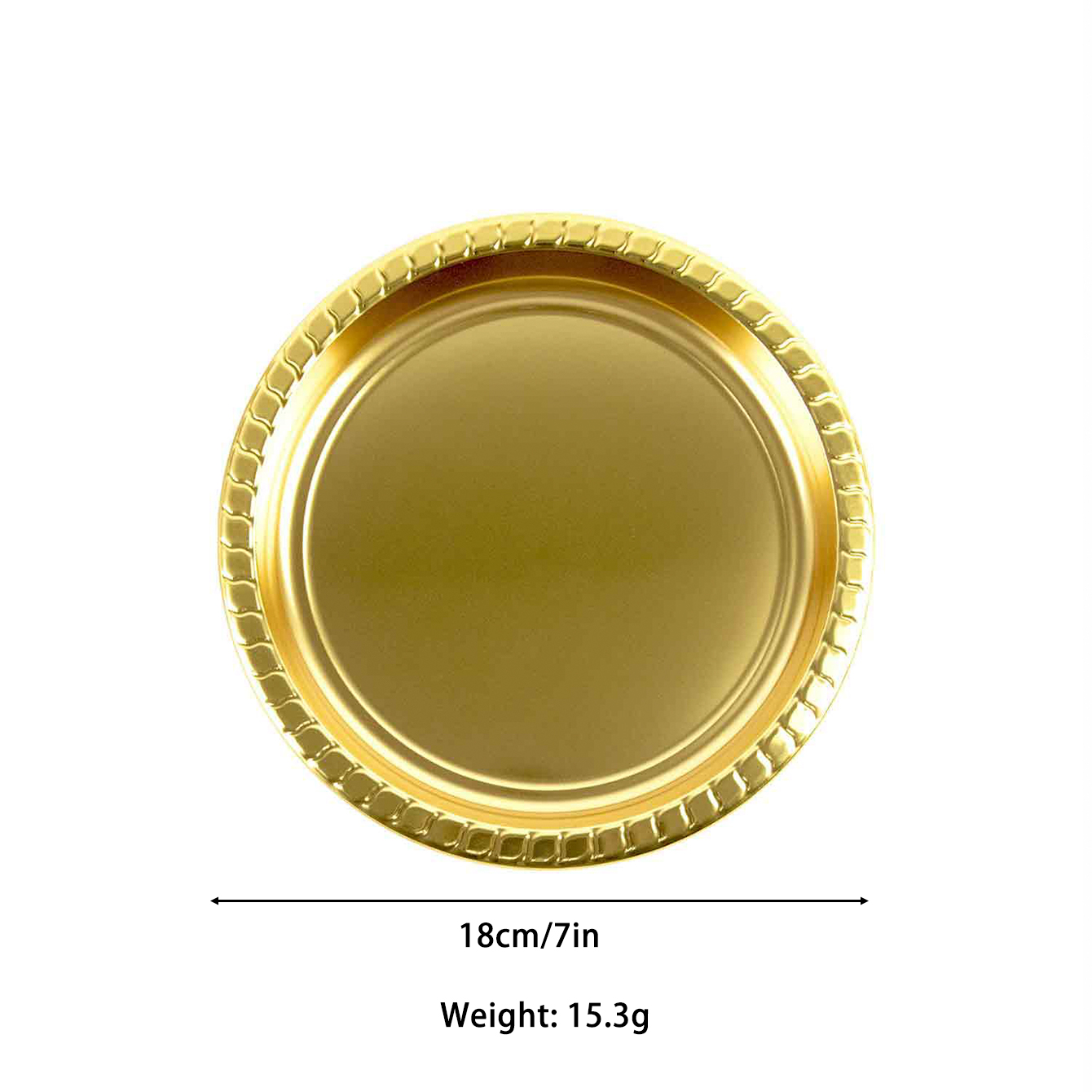
Polystyrene is code 6 and comes in two grades importers should never treat as one product. General-purpose PS is crystal clear and brittle; high-impact PS (HIPS) is opaque, rubber-modified and considerably tougher. Both are denser than PP at roughly 1.04–1.05 g/cm³, glossy, and take gold, silver or printed rims cleanly — which is why PS dominates decorated party plates. What it does not take is heat: above roughly 70–80°C, thin PS plates soften and distort.
PET is code 1, the clearest and heaviest of the three at about 1.38 g/cm³. It is strong, transparent and stable in the cold chain — dessert cups, salad bowls, cold display trays — but it is not a hot-food material and not a microwave material.
Heat is the line that decides the order
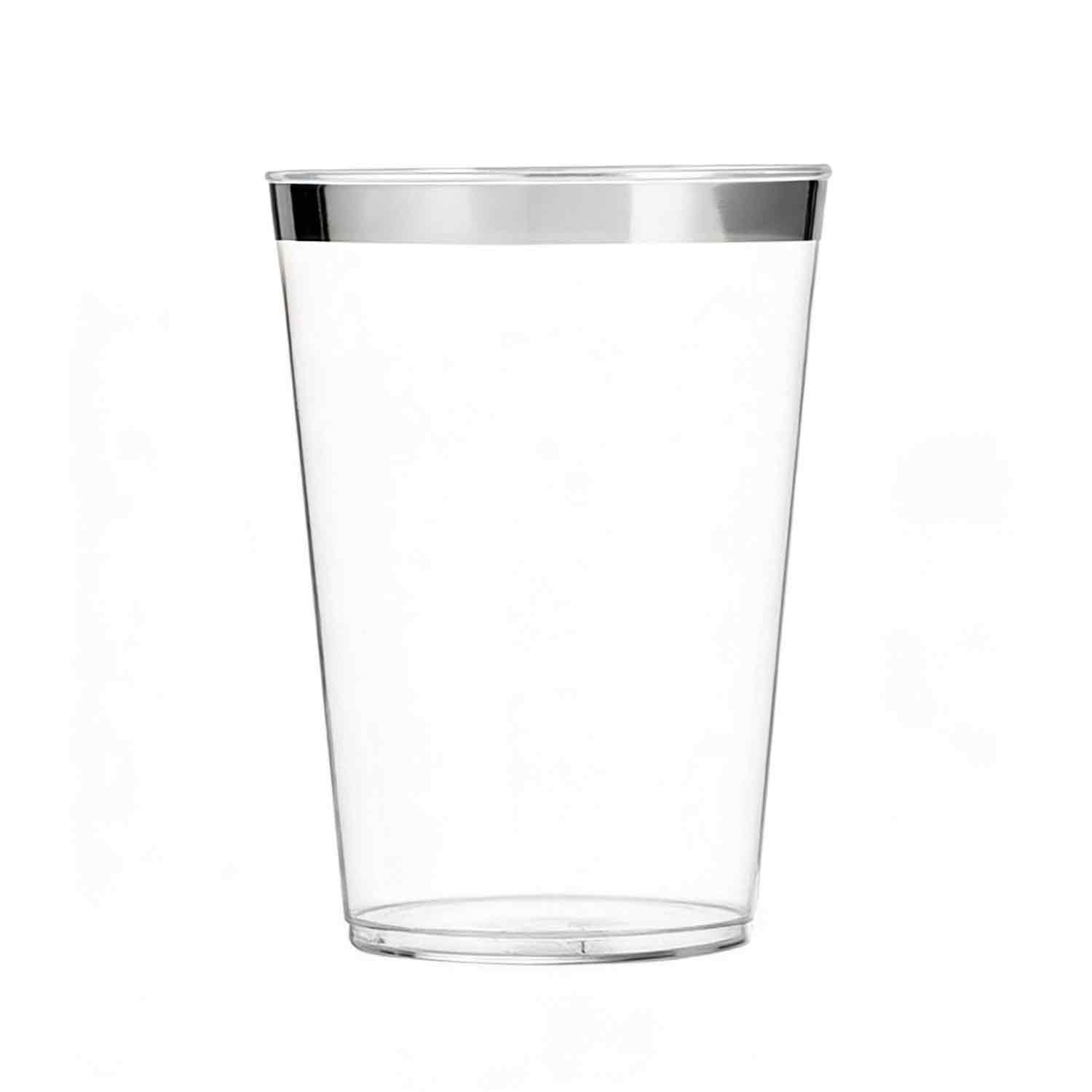
Start every specification with one question: what temperature does the food reach in the end customer’s hands? A chafing dish, a hot takeaway counter or a buffet holding above 80°C means PP. Room-temperature plated service, cold desserts and salad bars mean PS or PET. Getting this backwards is the most expensive material mistake in the category, because it only shows up in customer complaints, not in QC photos.
If the packaging is going to say “microwave safe”, that claim follows the resin, not the marketing plan. PP tolerates reheating; standard PS does not. Before printing anything, ask the moulding factory to run the piece at realistic conditions — two minutes at high power with an oil-rich food — and to hand over the test report. A claim you cannot document is a claim your buyer will have to withdraw from a retail listing.
Where the money actually moves: density, packing and breakage
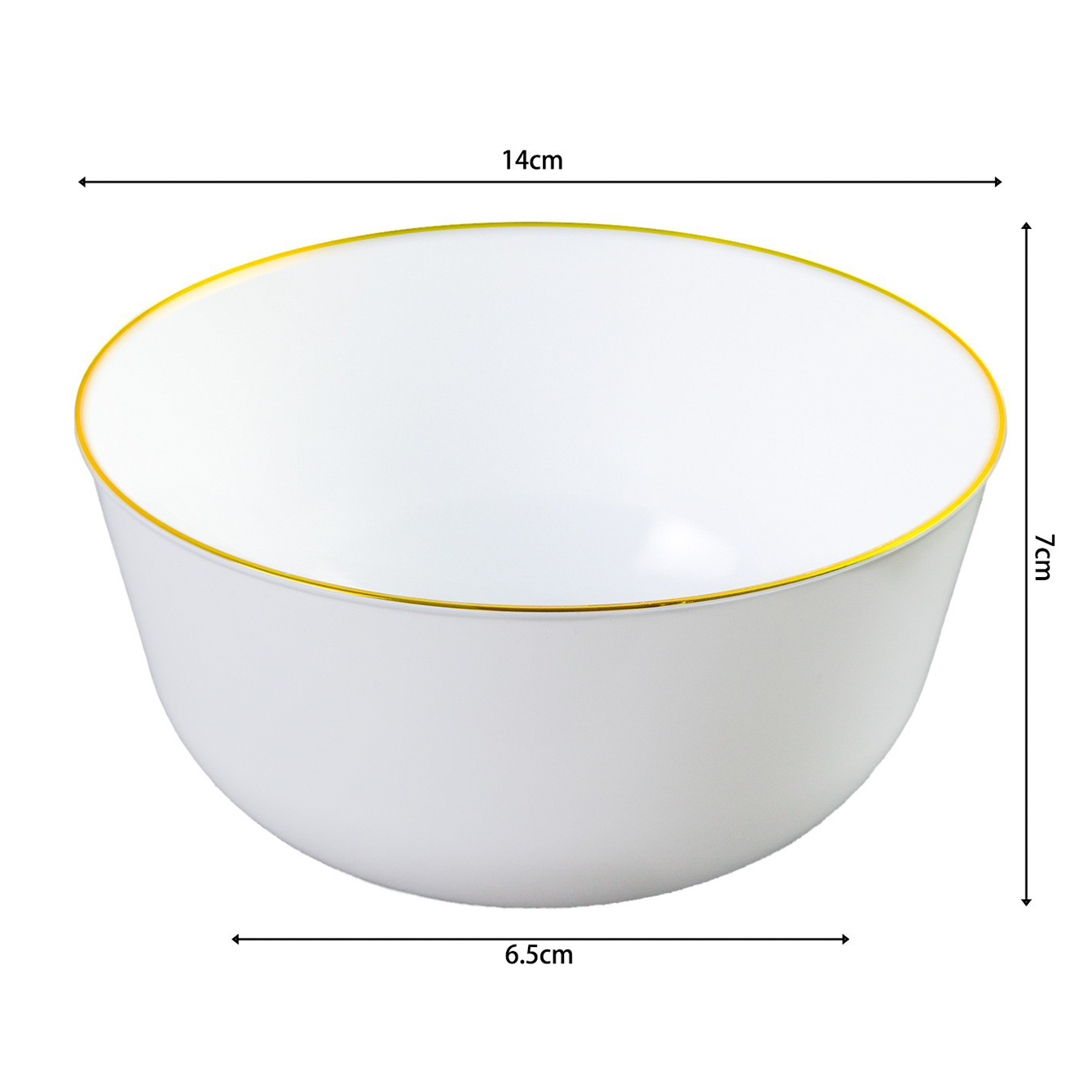
Resin is quoted per kilo, so density decides cost per piece. Take the same 9-inch plate across three materials: with PP at 0.90 g/cm³, PS at 1.05 and PET at 1.38, a PS version of an identical moulding carries roughly 15% more material than a PP one and a PET version nearly 50% more. That gap shows up twice — on the resin invoice, and again when the cartons are weighed and loaded.
On a 40HQ, volume usually beats weight. Nesting height, wall thickness and rim geometry decide how many pieces fit per carton, and a 0.3 mm wall change can move landed cost per piece further than a resin price swing. Breakage is the third variable: PS is stiffer but more brittle, so cracked rims in transit are a PS problem, while PP absorbs impact and arrives intact.
When you compare quotes, ask every supplier for four numbers: grams per piece, pieces per carton, cartons per 40HQ, and breakage over the last five shipments. Those, not the unit price, are what you are buying.
What you can legally print, and what you must be able to prove
In the United States, food-contact use of PP is authorised under 21 CFR 177.1520 (olefin polymers) and polystyrene under 21 CFR 177.1640 (polystyrene and rubber-modified polystyrene), each with conditions of use covering temperature and food type. In the European Union, plastic food-contact materials are governed by Regulation (EU) No 10/2011, which expects migration testing and a Declaration of Compliance per article.
One trap catches importers every season: the resin identification code is a material label, not a recycling promise. Marking a plate with a number tells the sorter what polymer it is; it says nothing about whether your buyer’s municipality accepts it. Recycling and “eco” claims are the fastest-growing area of greenwashing enforcement in both the US and the EU, so claim only what the piece and your documents support. For every SKU, keep the regulatory basis, the food-contact or migration test report, and the spec sheet for any decorated surface.
A simple selection rule by channel
Catering, buffet and hot takeaway: PP. Party retail with gold or printed rims and room-temperature service: HIPS. Dessert, cold cups, salad bar and any application where clarity sells the product: PET. Cutlery and hot drink lids: PP. Where one assortment serves both hot and cold items, keep PP as the structural base and use decorated PS only in the cold line — mixing the two in a single kit leaves the end customer guessing about the microwave.
Working with a manufacturer who keeps materials straight
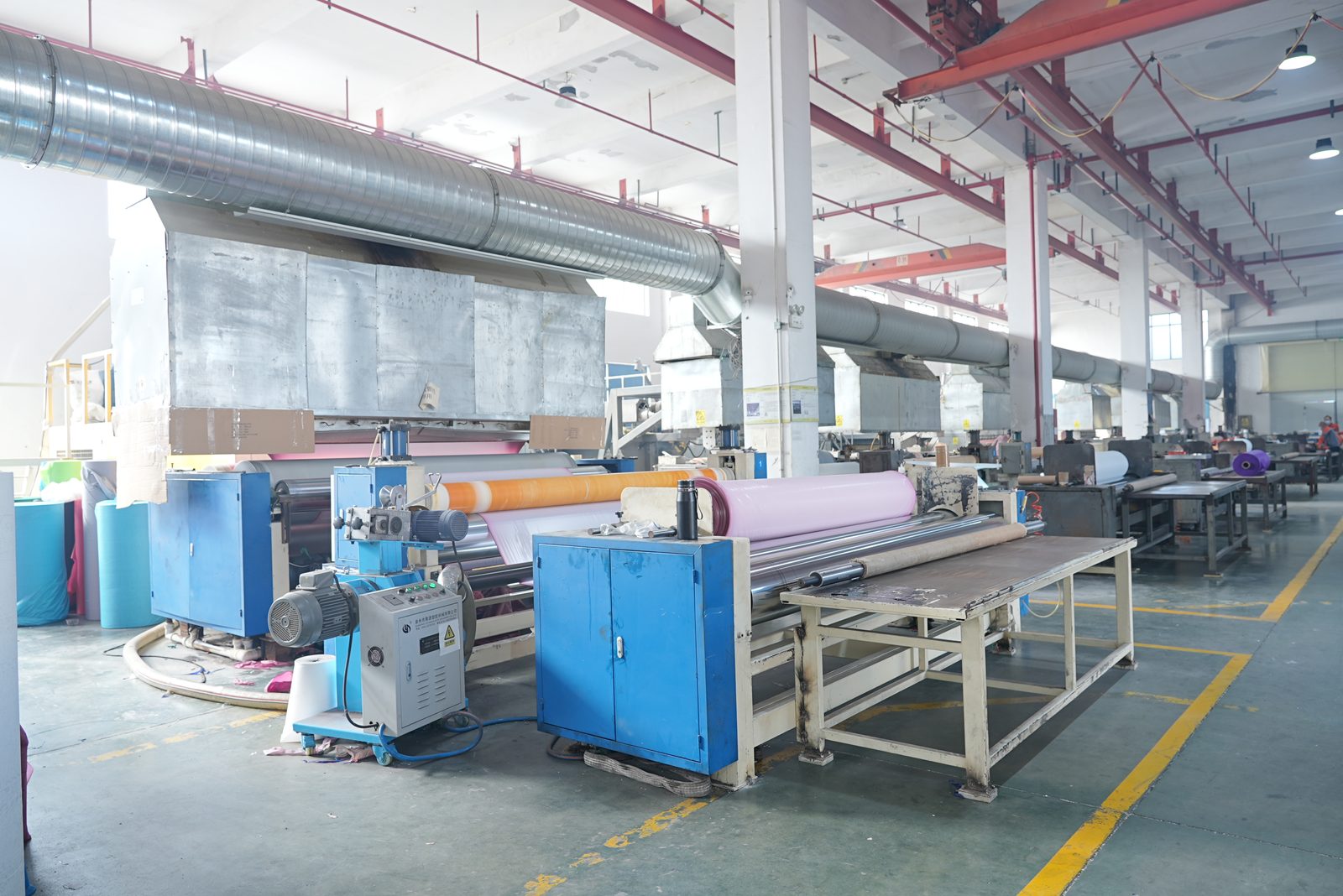
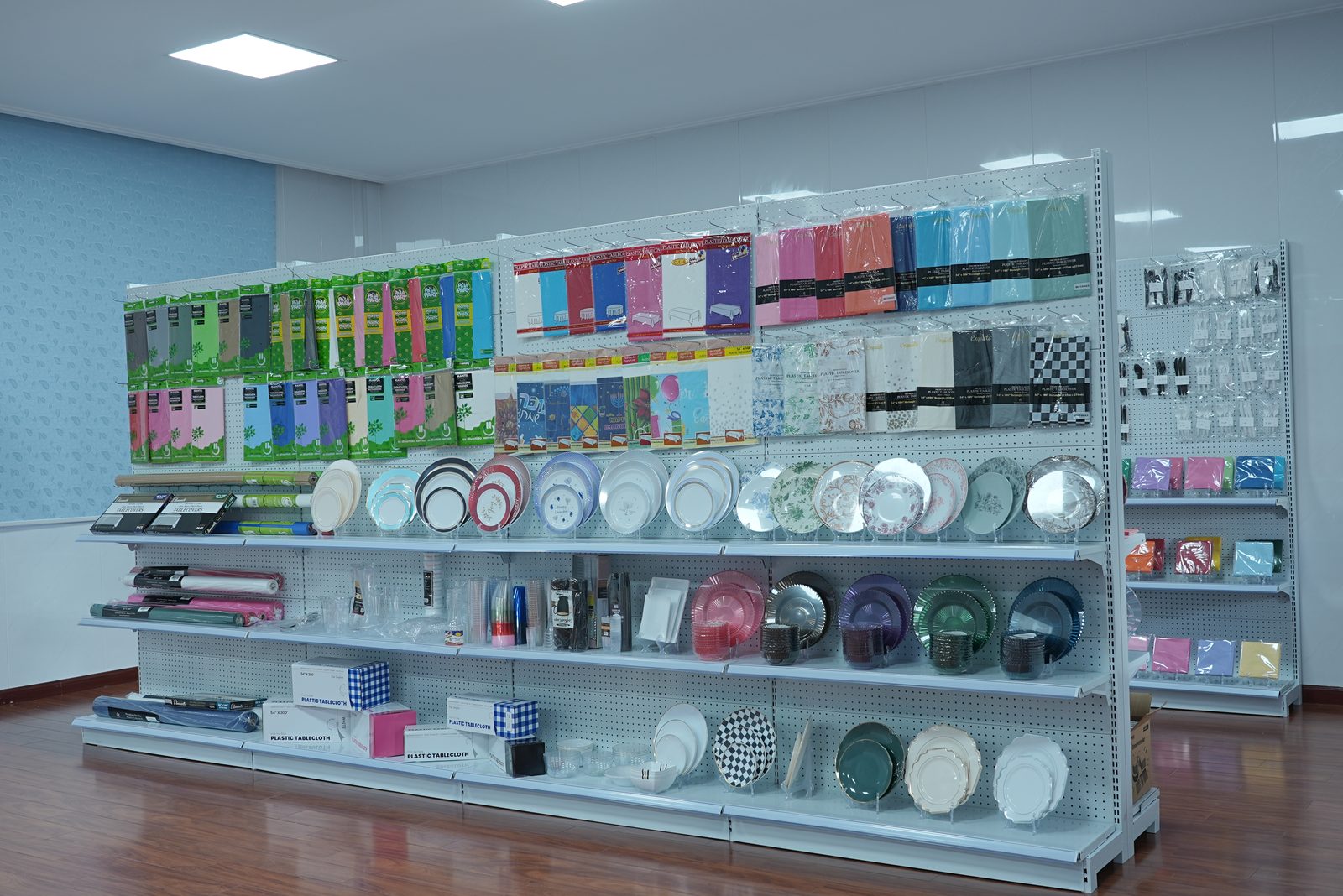
Runxiang has moulded and printed disposable tableware for more than 20 years, running 30-plus machines and shipping about 160,000 pieces a day across PP, PS and PET lines — from plastic dinnerware and plastic cutlery to decorated party sets, tablecloths and napkins. Every quotation states the resin grade, gram weight per piece and packing configuration, and samples ship with the food-contact documents your market requires. OEM and ODM programmes are supported from artwork to carton marking.
Choosing a resin for a private-label range? Our OEM/ODM manufacturing guide covers tooling, sampling and MOQ, and the wholesale buying guide covers order volumes and pricing tiers.
Send us your application and service temperature and we will come back with the material that fits, the unit weight and a landed-cost estimate per container. Email simon@runxiangplastic.com, call or WhatsApp +86 186 1718 1658, or use the contact form — we reply with a quotation and a sampling plan within one working day.
Sources: eCFR — 21 CFR 177.1520, olefin polymers; eCFR — 21 CFR 177.1640, polystyrene and rubber-modified polystyrene; EUR-Lex — Regulation (EU) No 10/2011 on plastic food-contact materials; plastic density table (PETE 1.38–1.39 g/mL, PP 0.90, PS 1.05 g/mL).