
A dessert table is judged in photographs before anyone tastes it. The cakes get the attention, but the surface underneath decides whether the shot reads clean or cluttered: a cover that stops short of the floor, a white film that turns grey over a dark folding table, a print busy enough to fight the macarons. Most buyer complaints are not about the print — they are about ground colour, drop and film weight. This guide covers the cover side of a dessert or candy buffet, from print choice to the size that fits the table.
What a dessert table asks of a cover
The front face is the product. On a dining table you see the top; on a dessert table you see the front drop all evening, at eye level with the cake stand. It hides table legs and the venue’s crates. It reaches the floor or stops deliberately at mid-height — ending three inches short reads as a fitting error.
The ground must give the food contrast. Meringues, cream and white icing vanish against a tabletop of the same value; a light printed motif gives the eye somewhere to land without competing with the dessert.
The spill load is sugar, not gravy. Fondant, chocolate sauce, food colouring and fizzy drinks are sticky, they set, and they get wiped three or four times in an evening. A film that scuffs chalky on the second wipe is the wrong film — and gloss throws a speedlight back at the camera, which is why sheen comes up in dessert-table enquiries far more than in banquet ones.
Pick the ground before the print
White ground keeps the dessert colours as the only saturated thing in the frame and lets a venue change theme by swapping plates rather than the cover. Pastel grounds work when the whole table is built to one story, but they narrow what the client can add later; for one cover across a season of dessert tables, white is safer.
Print scale is decided at 54 inches, not on a screen: a repeat that looks charming on a laptop becomes texture at three feet, because the eye stops resolving individual motifs. Ribbon-scale motifs — a row of sweets, scattered fruit, a dot grid — survive the distance; large single motifs only work on a round cover.


Six prints that read sweet
A sweet table does not need a licensed character: the prints that sell suggest food, colour or celebration without naming a theme.
Candy table — sweets and jars at small scale on white; the most literal of the group and the easiest to sell beside a candy buffet set. Fruit — orchard and citrus motifs, more grown-up; carries spring and summer tables and shower dessert bars. Juice — glasses, fruit and straws, for the drinks end of the buffet: lemonade dispenser, smoothie station, mocktail bar.
Rainbow — full spectrum; strongest for children’s birthdays, and the print that limits plate colours most, since almost any plate clashes with something in it. Colorful polka dot — the most forgiving, because it holds every colour in small amounts and pairs with one saturated plate colour taken from the dots. Starry sky — dark blue with stars, for evening tables and grown-up celebrations where white looks flat under warm light.


Sizes: 54 x 108 is not universal
6 ft banquet table (72 x 30 in). A 54 x 108 gives 18 inches at each end and 12 inches on the long sides. Turn it so the long overhang faces the queue: proper front drop, tidy back. If both long sides are seen it reads as a loose cover. Details on the 54 x 108 rectangle covers page.
8 ft banquet table (96 x 30 in). The same cover leaves 6 inches at each end: the top is covered, but the drop goes shallow. This is where buyers get caught — one standard size, then half their venues have 8 ft tables. Carry a 60 x 120 or move to a tablecloth roll.
4 ft square (48 x 48 in). Most ranges have no square cover; cut 54 inches from a 54 inch roll, since folding a 54 x 108 under shows a crease line. 60 inch round. An 84 inch round cover gives a 12 inch drop; floor length needs about 120 inches, a different SKU. Cuts per roll are in the roll sizing guide.
Table height is the number people forget. Floor length means 30 inches of drop on a banquet table, 36 on counter height, 42 on a bar-height cocktail table. A precut cover cannot give 42 inches of drop from a 30 inch round top without running out of cloth; that table wants a roll, cut and draped. The formula is in the tablecloth size chart.
One styling rule that saves covers: two layers, not three. A solid runner down the centre line — taken from the print or the plate colour — separates the risers from the front edge, takes the drips and can be changed for the next event. Skip the second print, and skip a skirt over a printed cover. Risers also sit steadier on heavier film; on a thin cover a loaded tray drags the film and pulls the drop out of line.
Film weight, sheen and the wipe test
Our standard printed cover is 25 g/m², roughly 0.03 mm and about 90 g for a 54 x 108: light enough to fold into a poly bag, stiff enough to hang. PEVA is an ethylene-vinyl acetate copolymer, and its US food-contact basis sits in 21 CFR 177.1350. A 0.05 mm film, around 150 g for the same size, holds a crease and takes a dragged tray without distorting — why caterers ask for it on dessert service.
Opacity is the other half: a white print on thin film goes translucent over a dark table and turns grey in photographs, so judge a white-ground cover over a dark surface, not a white sample table. The mil, micron and GSM guide converts the units different spec sheets use, and sizing and opacity covers lighting.
The wipe test is worth doing before a bulk order, because it is the failure a venue notices first: chocolate sauce and a drop of gel colouring, ten minutes, a damp cloth, then a look in raking light. A print that goes chalky on the second wipe will not survive a catering season.
Making cover, plates, napkins and cups agree
Sweet tables fail colour more often than size, because the palette is saturated and there is nowhere to hide: a busy rainbow cover with saturated plates, a printed napkin and coloured cups is four stories on one table. Put the print on the cover only, then hold everything else to two or three solid colours pulled from it — white or clear plates let the desserts read, one napkin colour ties the table, cups repeat the napkin. On candy table print that means white plates and one bright napkin; on starry sky, white plates and navy or silver.
Matching needs one master sample and one light source. A red on PEVA film, on a PS plate and on a dyed paper napkin is three colorants on three substrates, and they will not match under a warm venue bulb even when they match in daylight. Sign off a physical set — cover offcut, plate, napkin — under the light the venue uses, and treat deviation from it as the tolerance, measured as colour difference rather than by eye. Colorants for food-contact plastics are listed separately in 21 CFR 178.3297. The solid colour tablecloths and printed plastic tablecloths ranges are built to be sampled this way.
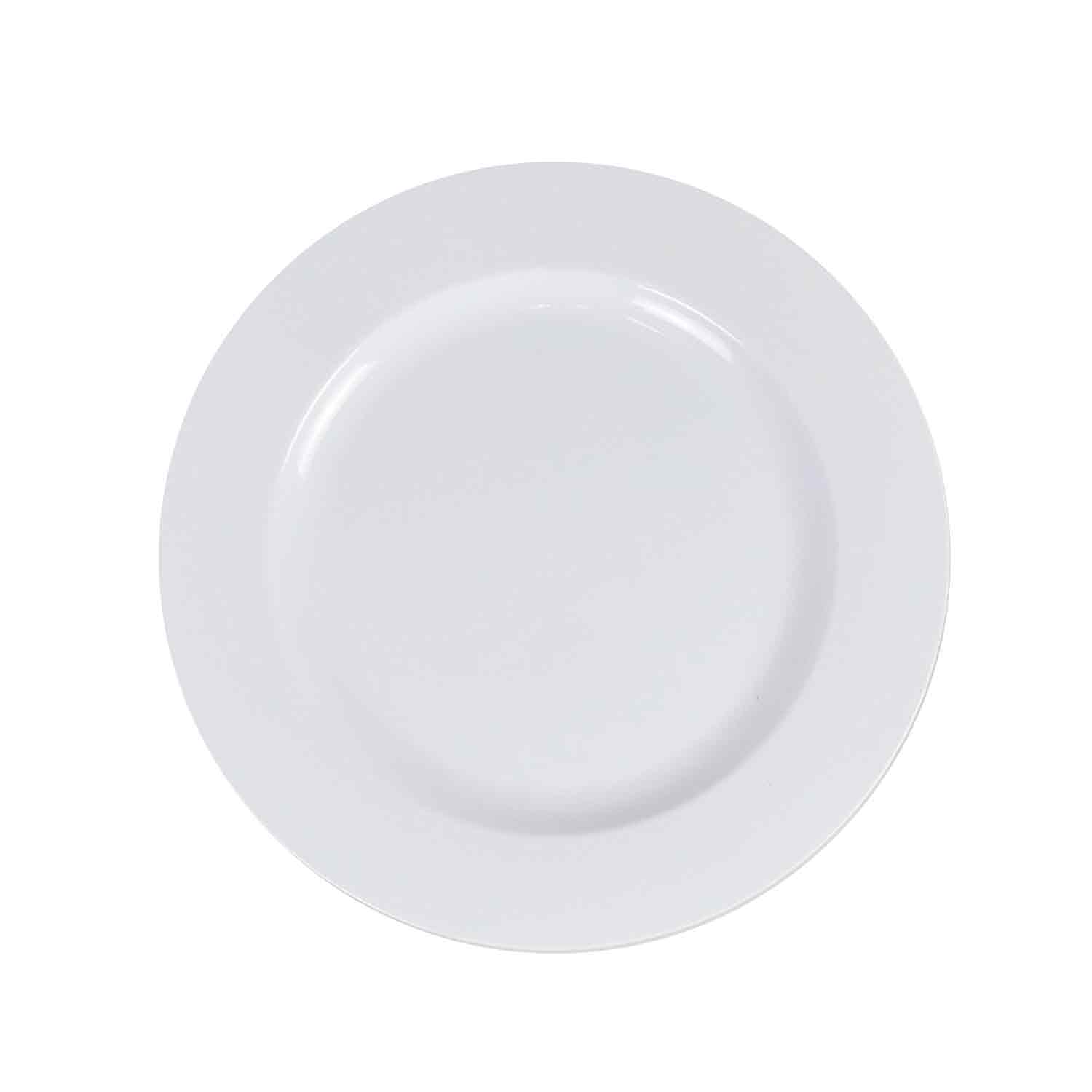
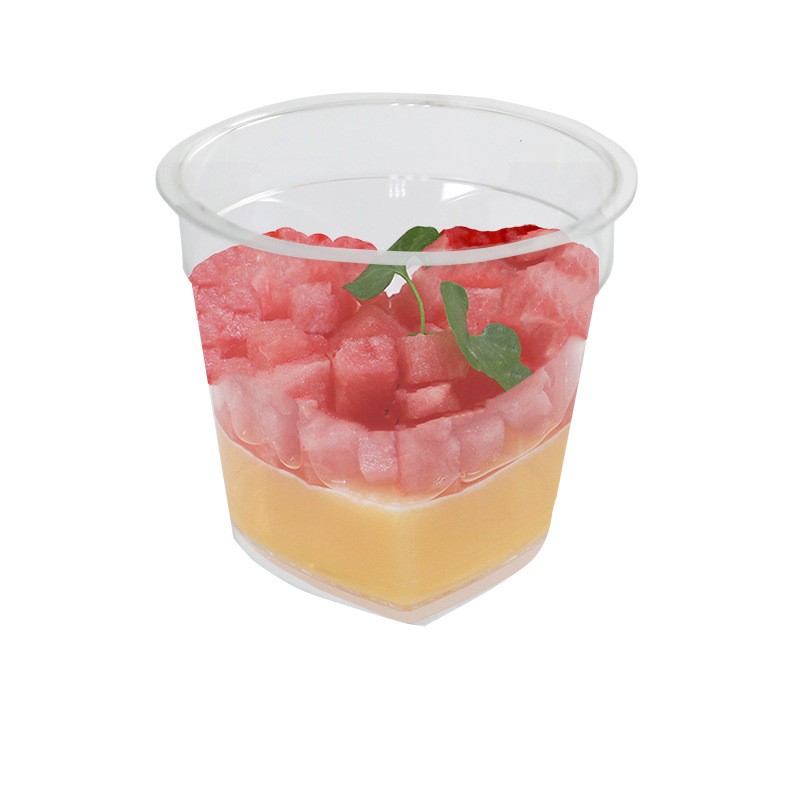
Dessert service is also where small formats earn their place: a 7 inch plate carries cake where a 9 inch plate looks empty, and clear cups show the layers — see dessert cup sizes and case packs.
What to put on the enquiry
- Table sizes and heights — 6 ft, 8 ft, 4 ft square, 60 inch round.
- Where each stands: against a wall, island, or seen from both long sides.
- Print reference, white or tinted ground, and motif height in inches.
- Film weight in g/m² or mm, and gloss or matte finish.
- Size mix per case — 54 x 108, rounds, roll metres.
- Packing: poly bag with header, plain bag, or bulk master case.
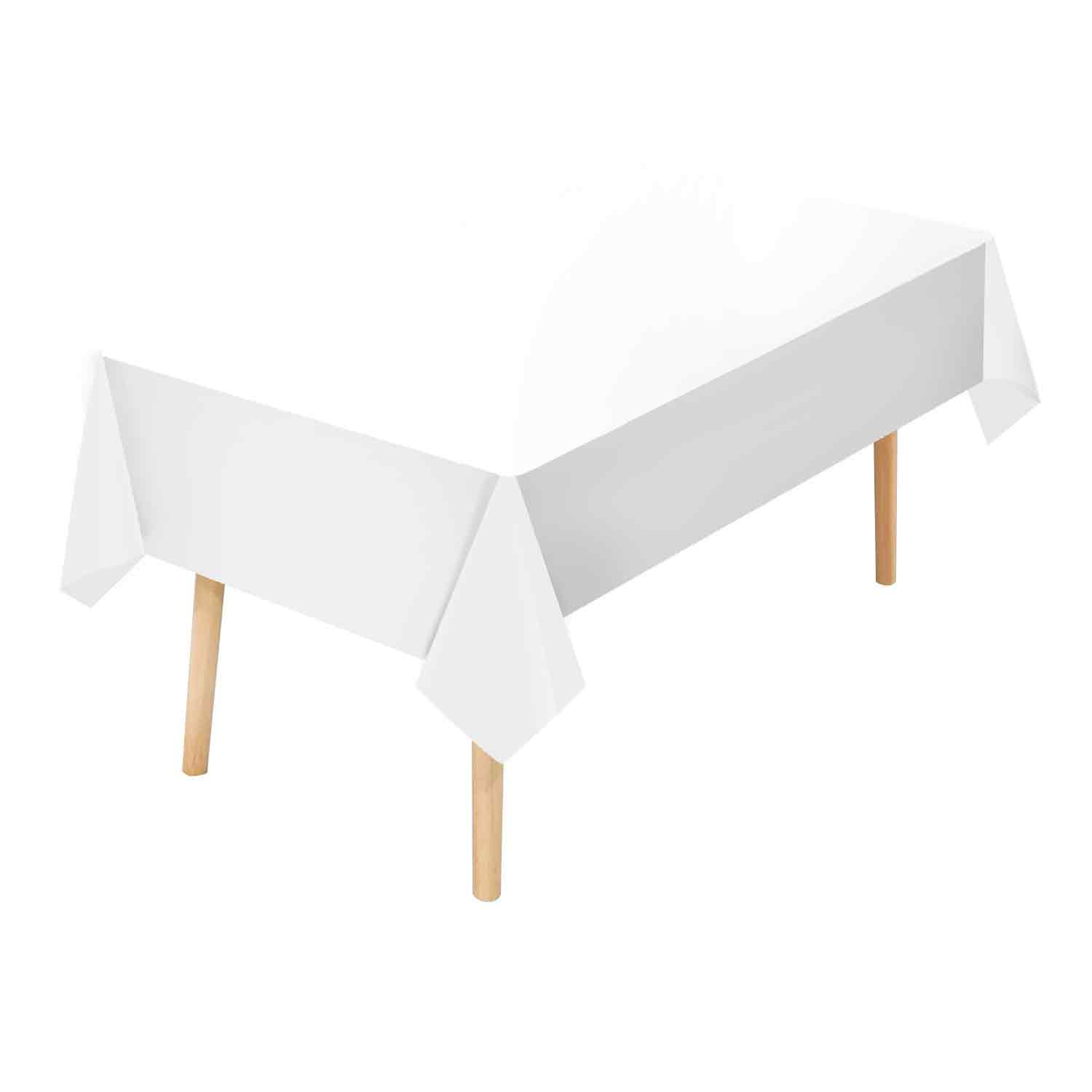
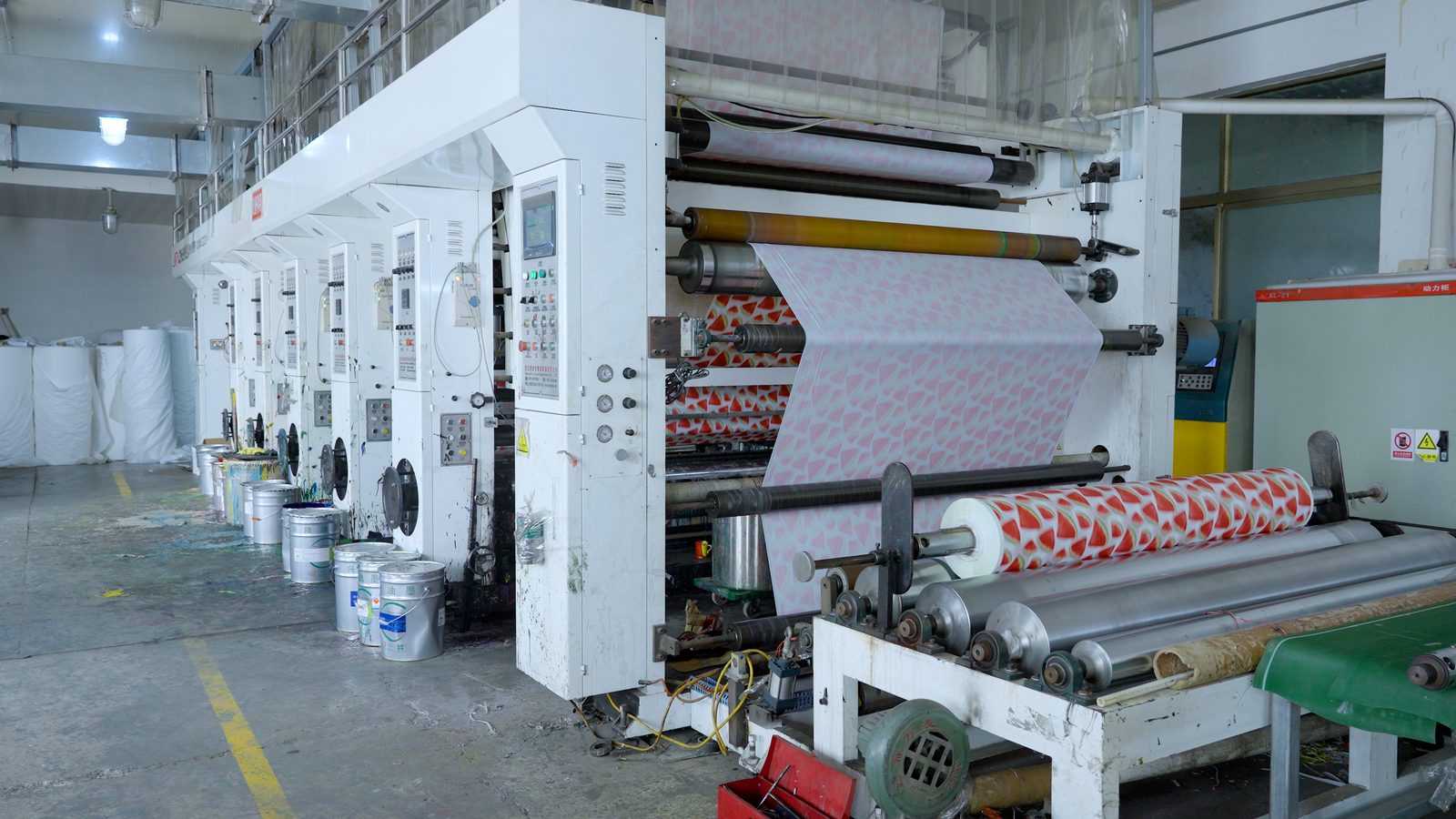
The white candy table cover is a practical starting sample: 54 x 108 inch, PEVA, 25 g/m² standard, printed in house on our own film line, so a ground colour or motif change is a plate and artwork question rather than a sourcing one. We have run tablecloth film, printing and converting in Changzhou for over twenty years.
Next step. Send your table list, print reference and film weight through our contact form and we will come back with a sample plan; to see how the price is built before you commit, read how we quote. Related reading: dot scale on printed covers and tablecloth sizes and drops.