
A coffee cup looks like the simplest item on a tableware order and is usually the one that comes back wrong. Buyers compare quotes on the word “9 oz”, receive a cup that is actually 240 ml, discover it does not stack with the cups in the storeroom, and find the gold band is a different gold from the plates ordered last season. None of that is a defect. It is a specification problem, settled before the first sample is moulded.
This guide covers the two sizes most of our coffee business runs through, 9 oz and 8 oz polystyrene cups, and the details that decide whether they work on your table.
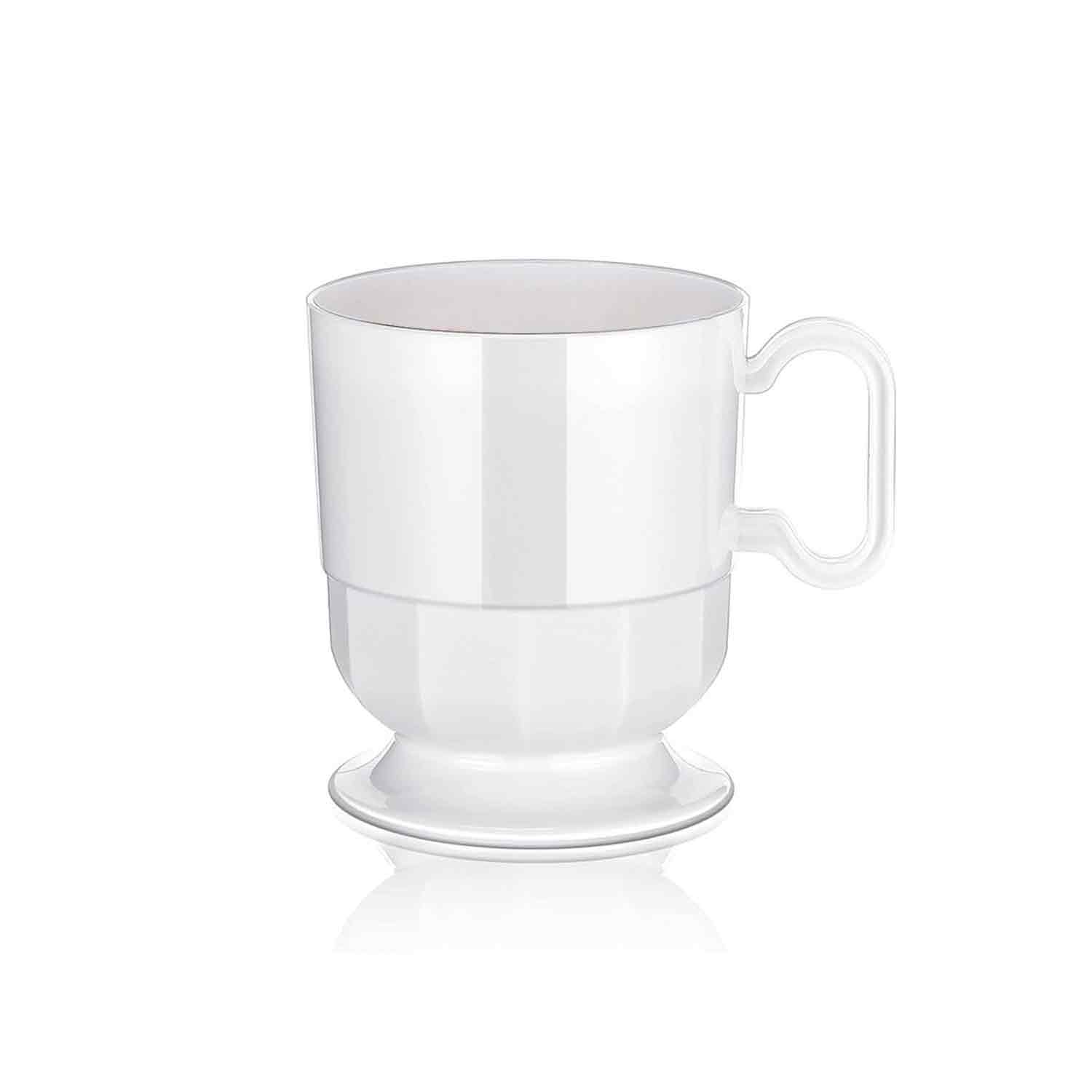
The ounce on the box is nominal, not a measurement
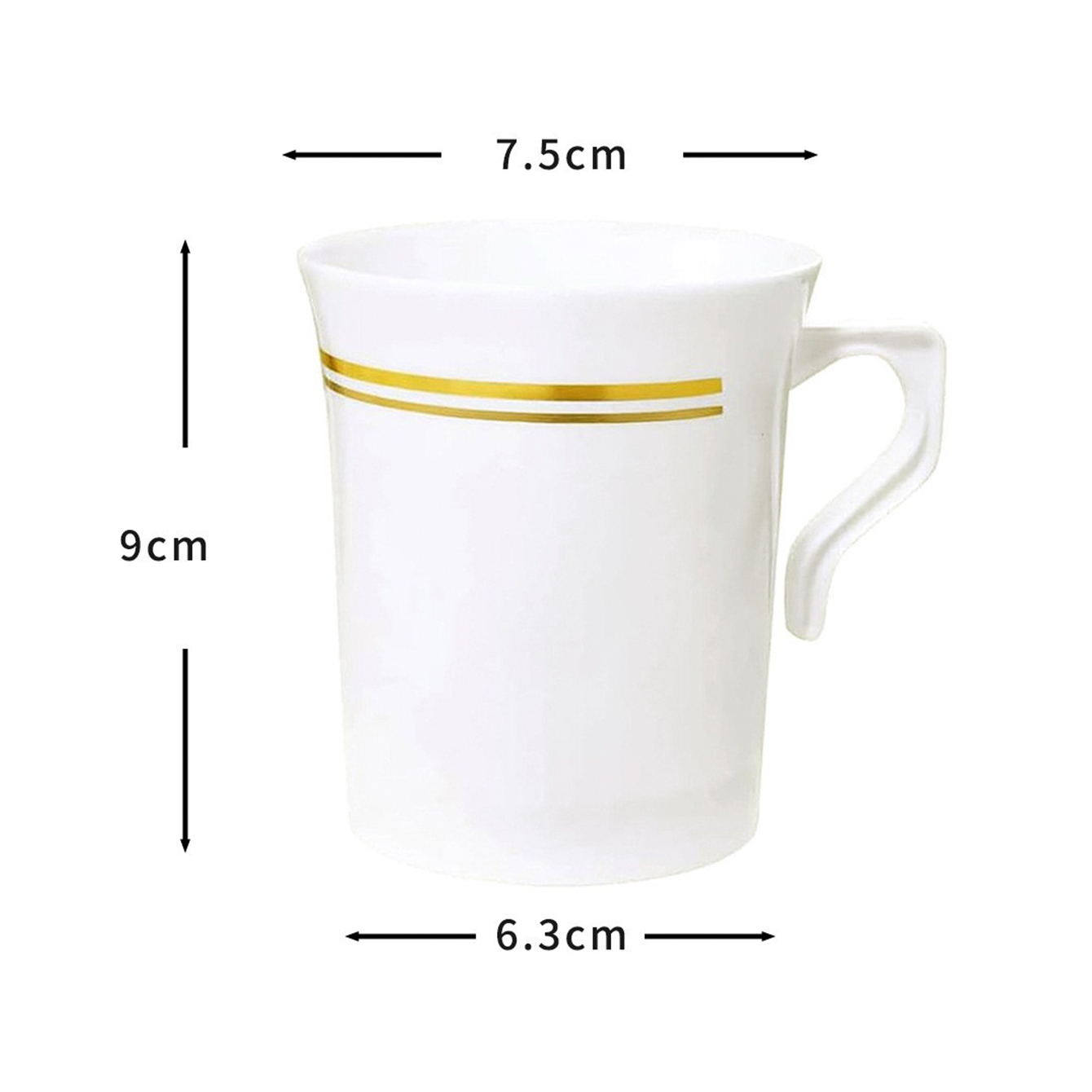
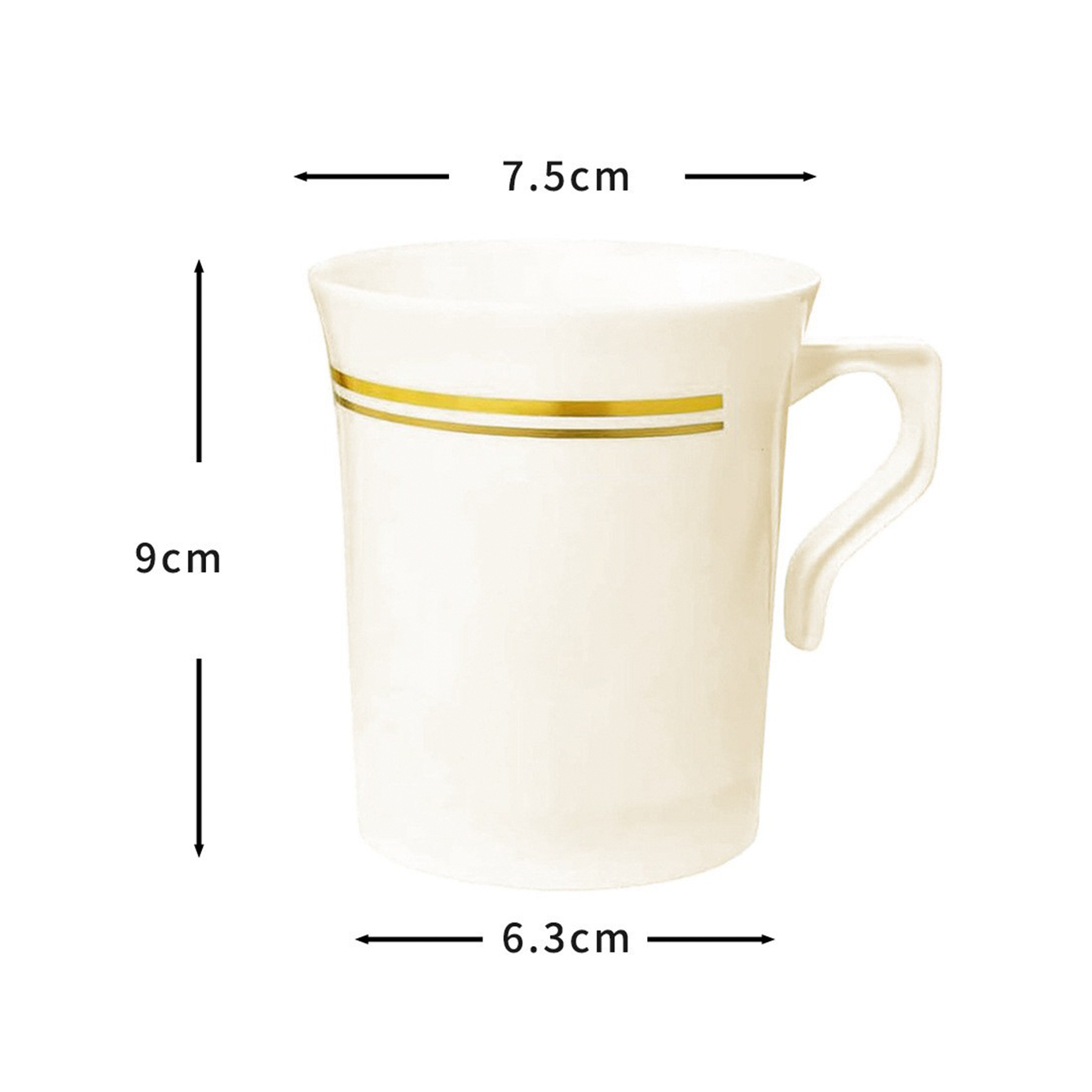
Cup “sizes” are trade names, not volumes. In our own range the 9 oz cup holds 240 ml while the 8 oz White Elegance cup holds 250 ml: the smaller name carries the larger volume, because the two come from different shape families — a taller, straighter wall in one case, a shorter and fuller bowl in the other.
That is normal across the industry: comparing suppliers on “9 oz” compares words. Ask for millilitres, then for the fill line: a cup is filled below the rim, so usable volume is always less than nominal, which is what you want. A standard brewed coffee is built on roughly six ounces of water, so 240 ml leaves headroom for milk and a hand carrying it across a room.
Two heights, and why 6 mm matters on a table
Our 9 oz cup measures 75 mm across the rim, 63 mm at the base and 90 mm high, at 24.5 g. The 8 oz cup measures 72 mm, 62 mm and 84 mm, at 28 g — the smaller cup is the heavier one, with a thicker wall and a heavier base that resist squeezing. That difference separates a party cup from a coffee cup, and it is worth paying for where the cup is part of the setting.
Height is a table decision too. Ninety millimetres of white cup with a metal band reads taller and more formal next to stemware; eighty-four millimetres sits lower beside a breakfast plate and clears the rim of most dispensers on a buffet line.
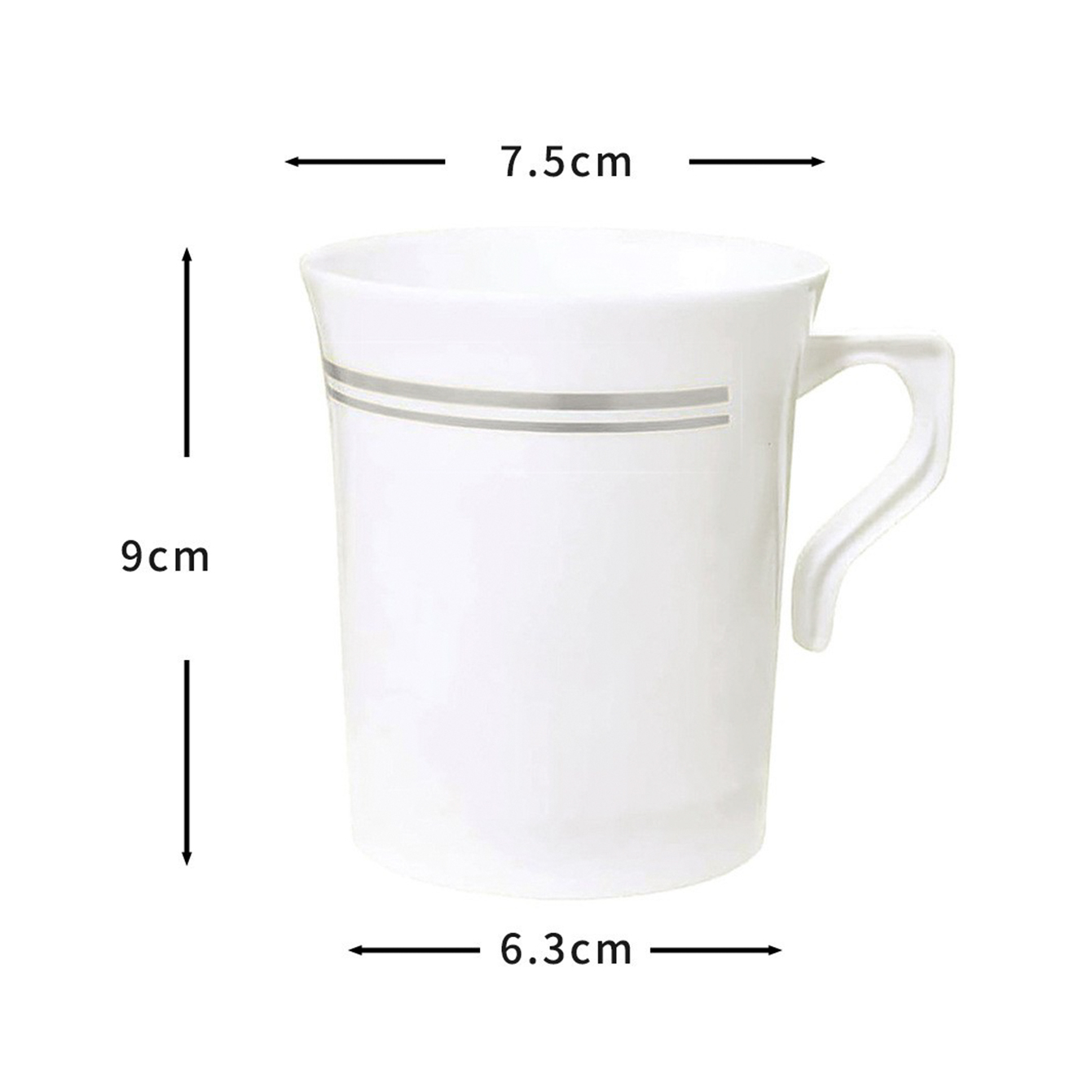
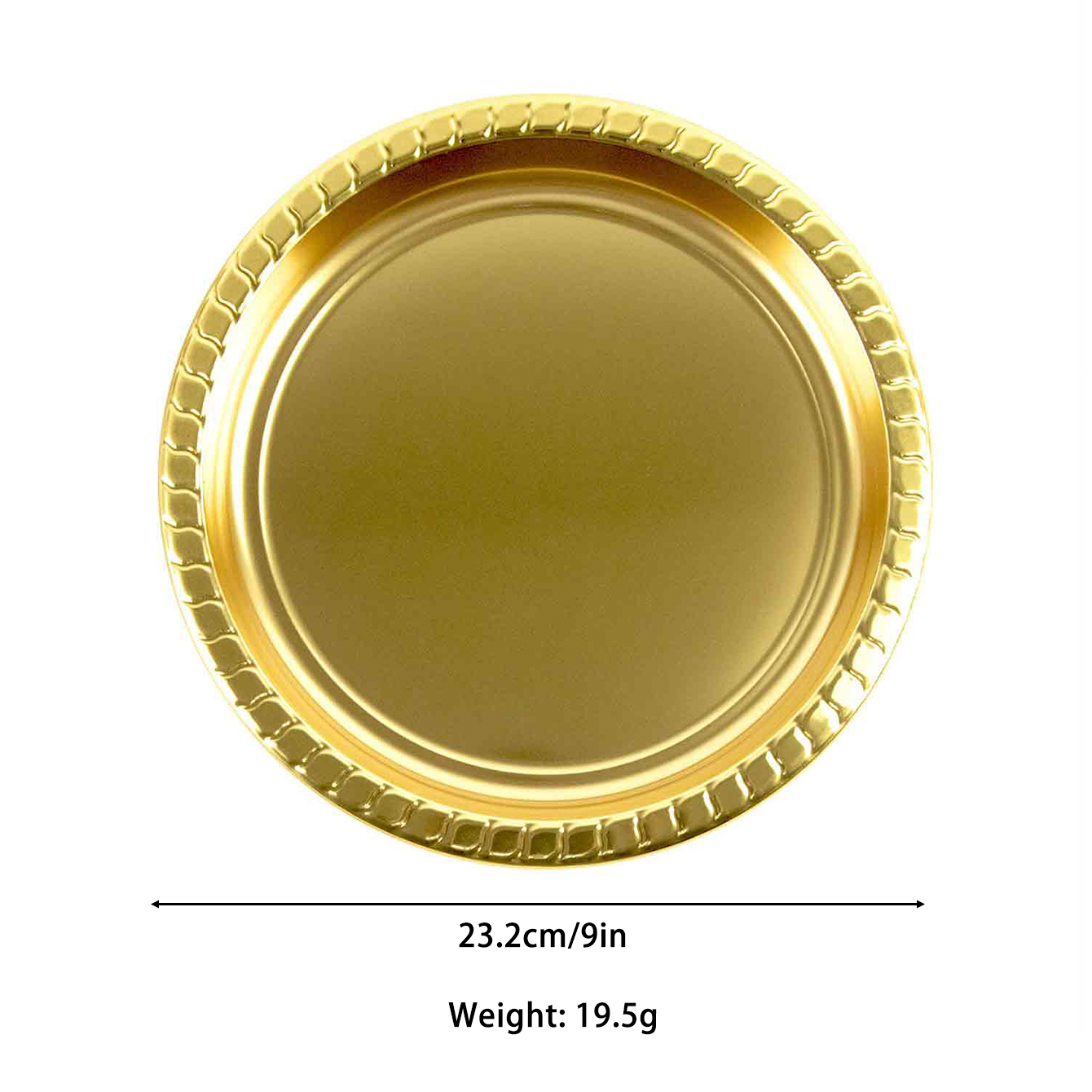
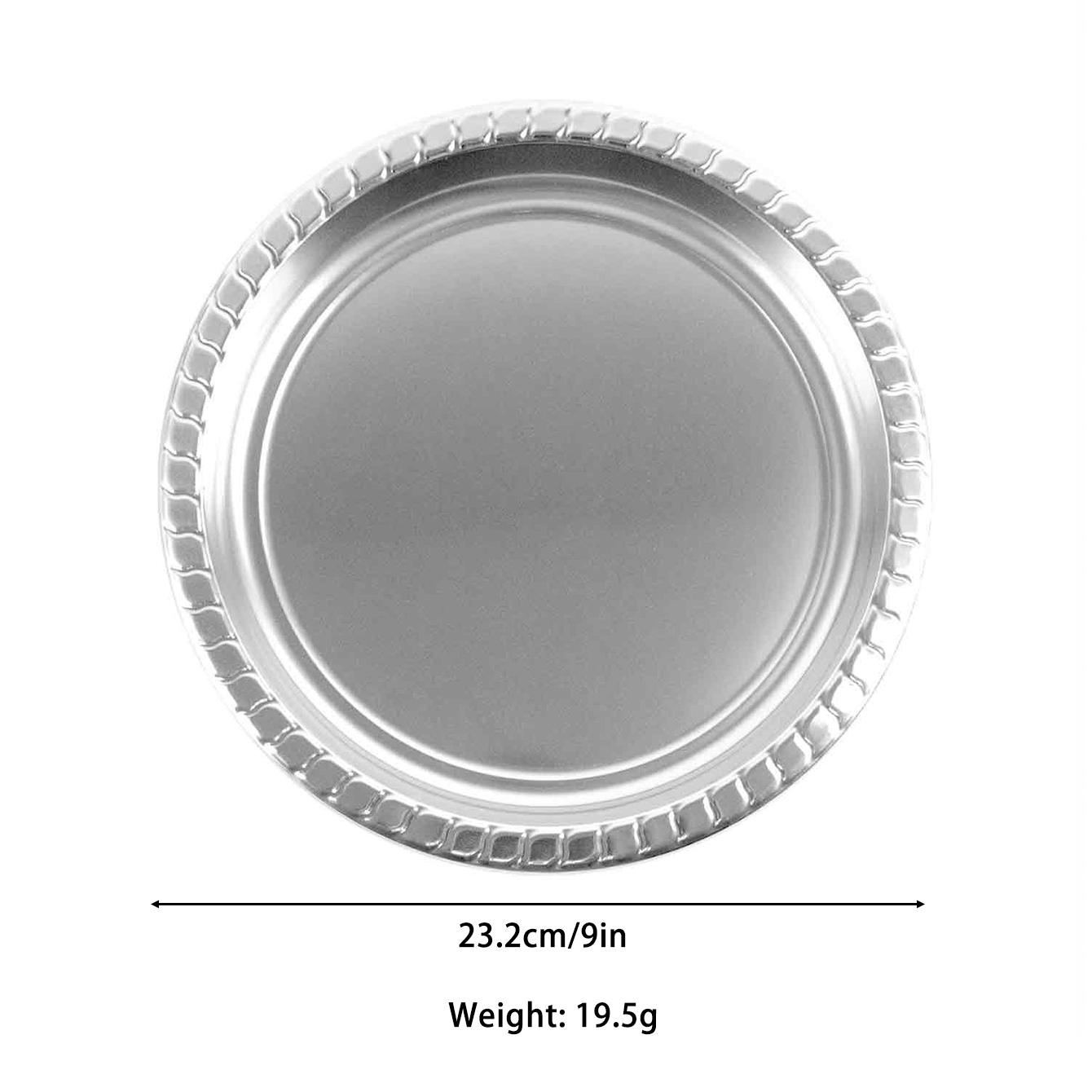
Rim diameter, lids and the mistake buyers make
Seventy-five and seventy-two millimetres look interchangeable and are far enough apart that nothing seals. A lid is matched to a rim diameter, not to an ounce figure — the subject of our guide to cup and lid rim fitment.
These trim cups are made to be seen, and a lid covers the feature you pay for, so the usual service is open-top. Where a lid is required — takeaway counters, poolside service, delivery — specify it against the rim diameter in writing and confirm it comes from the same tool family; a lid that fits your cold cups will not necessarily fit a trim cup because the ounce names match.
Gold trim or silver trim: choose the metal once
The trim is a narrow band set below the rim, in gold or silver, on a white or creamy-white body. Small feature, outsized effect: it commits the whole table to a metal, and gold cups with silver-rimmed plates look like two orders that arrived on different days. Silver reads cooler and more neutral, a fit for breakfast service and daytime events; gold carries an evening tone and pairs naturally with gold-rimmed plates and gold-tone cutlery.
Two points belong in the spec. Band width and its distance below the rim should be written down rather than left to the sample, because a band set too low disappears once the cup is filled. And because the trim is a decorated surface, approve one master sample and check every lot against it under the same light — gold that looks right in an office reads brassy under banquet light.
Polystyrene: what these cups are, and what they are not
Both cups are injection-moulded from general-purpose polystyrene, the rigid glossy family used across disposable dinnerware. PS gives a hard wall that holds its shape in the hand, takes a clean printed band and does not go soft when lifted, which is why it is the standard resin for dinnerware.
It also has limits. Polystyrene is a rigid, glassy polymer and is not built for boiling liquid: serve at drinking temperature, never pour from a kettle at a rolling boil into the cup, and never put these cups in a microwave or warming oven. A cup that softens under a boiling pour is behaving like polystyrene, not failing.
On compliance, ask for a written food-contact statement rather than a logo on a page. In the United States the regulation for polystyrene food-contact articles is 21 CFR 177.1640, with the colorant provisions of 21 CFR 178.3297 where colour is part of the article; for the European Union, a declaration under (EU) No 10/2011.
What belongs on the cup spec sheet
Eight fields settle almost every dispute before it starts:
- Nominal name and real capacity — for example “9 oz / 240 ml”, plus the fill volume if published.
- Rim diameter, base diameter and height — all three in millimetres; any one can break stacking or dispensing.
- Unit weight — grams per piece, the fastest proxy for wall thickness.
- Resin and grade — PS, food-contact grade, with the declaration reference.
- Body colour and trim — white or creamy white, gold or silver, band width and position below the rim.
- Finish — gloss or matte; it changes how the trim reads under light.
- Packing — units per sleeve, units per carton, carton dimensions and gross weight, confirmed on your own quotation.
- Branding — whether the body carries a logo or print, and where, if the order is private label.
Confirm whether the cup comes with a lid, and whether the carton fits a pallet pattern you can receive. Size to service pattern too: a station where guests return for a second cup needs more than the headcount.
One metal story across the table
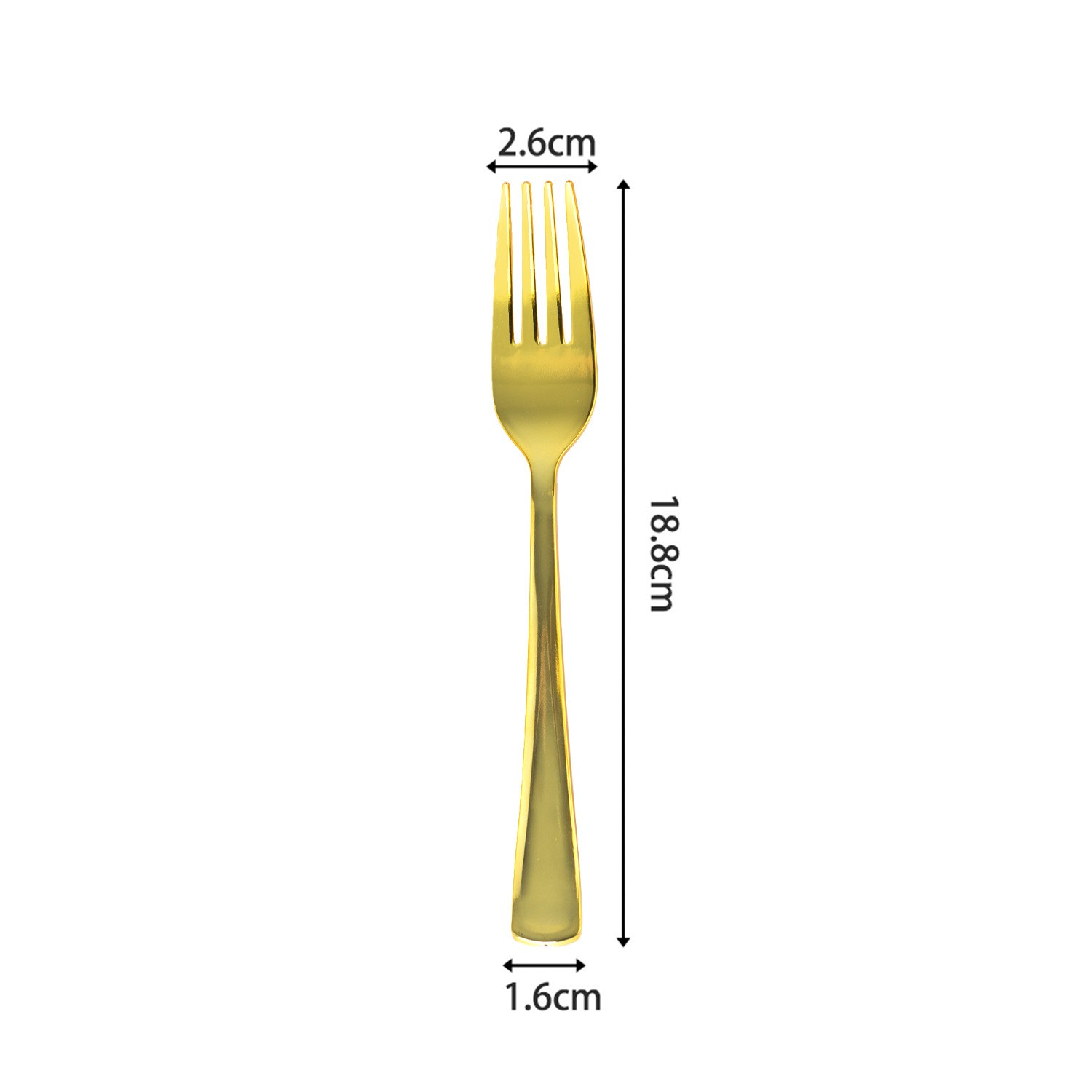
Buy coffee cups as part of a set, because the trim has to agree with everything else. Gold-rimmed plates in 7 inch and 9 inch sizes carry the same metal as the cup band, and a 9 inch plate, a 7 inch side plate and a 9 oz cup make the standard setting for a plated dessert course.
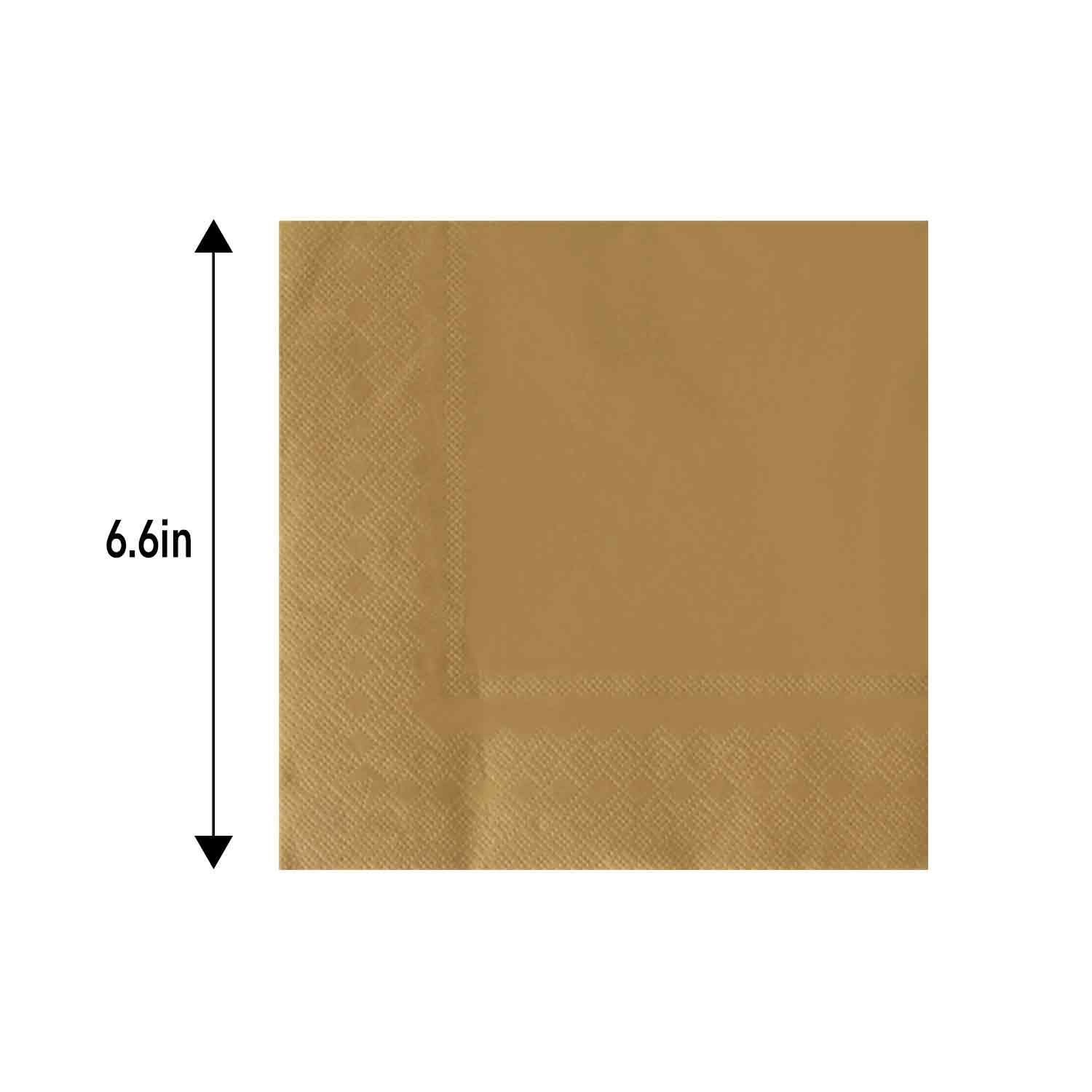
Gold-tone forks, knives and spoons then sit next to those plates without a mismatch, and black-and-gold finishes tell the same story at a lower cost point. Napkins are the cheapest way to repeat the metal; the tablecloth comes last, since a gold or black cloth sets the background the trim is read against. Our guide to black, gold and black-and-white tablecloth colours covers how a shade is specified, the party tableware set guide matches plates, cups, cutlery and napkins as one group, and the 7 inch and 9 inch plate set guide covers the pair that anchors the setting.
Where each size earns its place
The 9 oz cup is the banquet and evening cup: coffee after a plated dinner, a dessert course with a small pour, a wedding coffee station where the cup will be photographed. The 8 oz cup is the service cup: hotel breakfast, conference breaks, office pantries, community events where cups are handed out in volume — shorter, heavier in the hand, stacking tighter, and generous at 250 ml. Keep one body colour and one metal when a venue runs both, so the sizes read as a range.
Hotel and catering buyers will find the service-point logic in our guide to selling disposable tableware to hotels, event-led buyers in the wedding tableware order plan, and the rest of the drinks service in the wine glass and champagne flute guide.
A cup is judged by hand, not a photograph. Ask for a sample in both sizes with your intended trim, put them on the table you actually use, fill them with the drink you actually serve, and leave one standing through a service. Check the fill line against the pour, the trim against the plates, and the weight against the cup you are replacing — the two we ship most are the 9 oz gold trim cup and the 8 oz White Elegance cup.

Runxiang has been moulding disposable tableware for more than twenty years, and coffee cups are a line where the details are settled in conversation rather than in a catalogue — trim colour, body colour, logo placement, carton configuration. Send the eight fields above, or a sample of the cup you use today, and we will come back with a matched specification.
Next step. Tell us the size, resin and trim you need through our contact page, and see how a line-item quotation is built in how we quote. Related reading: the heavy duty cutlery grades that usually ship on the same order.