
A wedding order does not arrive as a product request. It arrives as a date, a guest count and a photograph of a table setting. Between that photograph and the container, a buyer has to turn one evening into four families that have to match — table linen, plates and bowls, cutlery, napkins — and land them in the same week. Most problems in this channel are planning problems: a colour approved on a plate but never checked against the cloth, a table count taken from guests instead of tables, or a carton format that suits a warehouse but not a venue’s store room.
This guide is for the importer, distributor or party-hire supplier who has to quote that order and then deliver it.
Who is buying, and why the order looks different for each
Four buyer types order the same products in four different shapes. Party hire and rental companies re-use stock across many events, so they buy one colour story deep rather than five wide, and they care how a cover survives folding and stacking. Venues with in-house banqueting order bulk cartons against a standing spec and re-order the same reference every season — they want a repeatable colour, not a fashionable one. Planners and stylists buy against a mood board and a date, so a physical sample set matters more than a catalogue. Retailers need retail-ready packs, a barcode and a colour that photographs well under shop lighting.
Start with the table plan, not the guest count
The number that drives the order is the table count. The working figures are stable enough to plan with: a 60 in round seats 8 comfortably, a 72 in round seats 10, a 6 ft table (72 × 30 in) seats 6 formally or 8 along both long sides, and an 8 ft table seats 10. So 120 guests at 60 in rounds is 15 tables, not 120 settings.
From the table count you multiply cloths per table, plates and napkins per setting plus the bar and dessert stations that never appear on a seating chart. A cocktail hour before a seated dinner doubles the appetiser plate count but not the dinner plate count.
Cover the table before you choose anything else
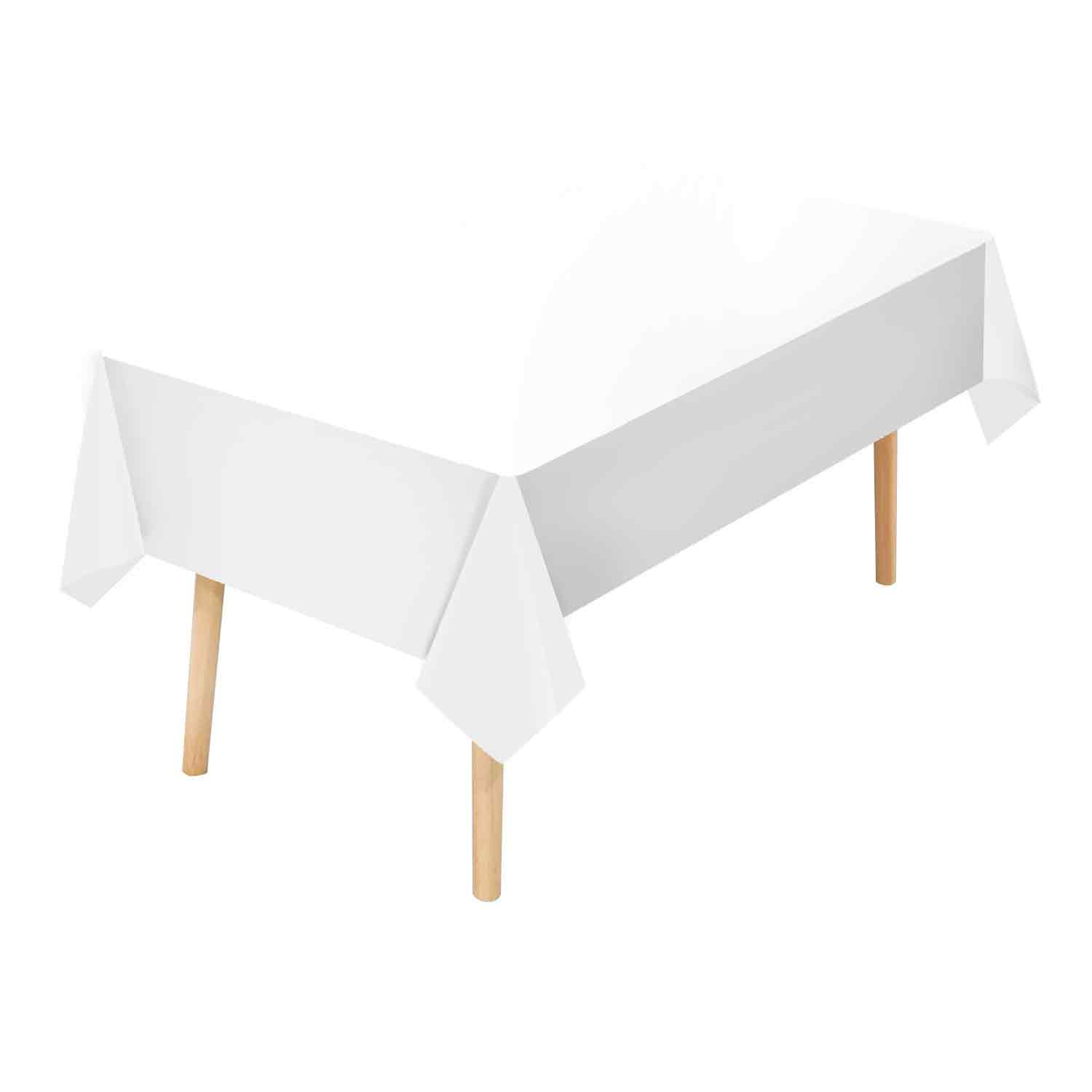
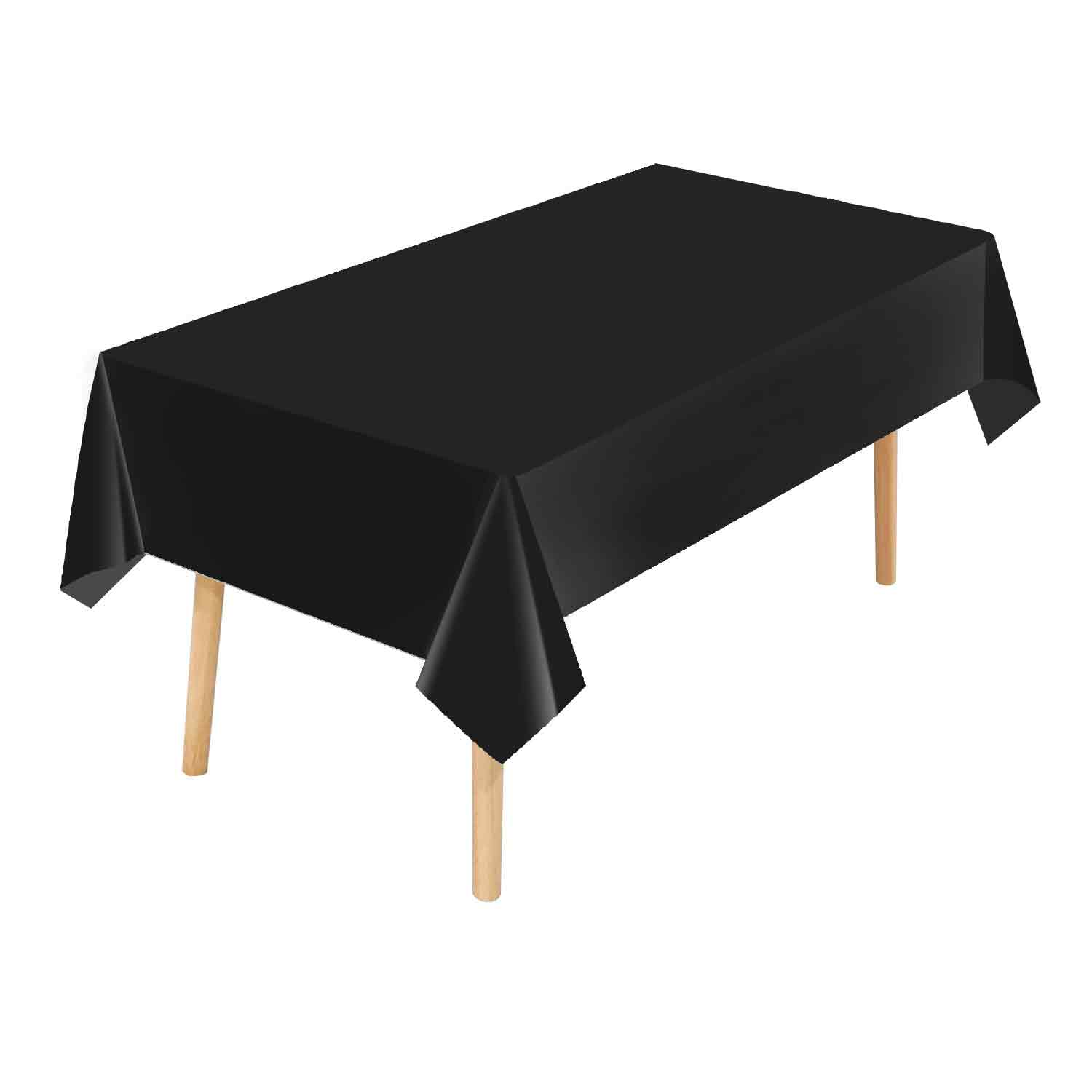
The cloth sets the colour and scale of the room, so lock it first. For a floor-length drop on a 30 in high table, the cloth diameter is the table diameter plus twice the drop: a 60 in round needs 120 in, 108 in for a 24 in drop and 90 in for 15 in. Our stock 84 in round covers a 60 in table with a 12 in drop — a neat knee-length cover rather than a full drape. On rectangles, a 54 × 108 in cover on a 6 ft table leaves 18 in at each end and 12 in at each side.
Film gauge does more work than buyers expect. Our 0.03 mm PEVA cover weighs around 87 g at 54 × 108 in and drapes lightly; the 0.05 mm version is around 150 g, holds a straighter edge and photographs with fewer creases. For a dark floor-length cover the heavier film is usually worth it; for a venue changing cloths between courses across thirty tables, the lighter gauge is the practical choice. The range sits under solid colour plastic tablecloths, the geometry is worked through in round tablecloth diameter and drop, and the tablecloth size chart maps table size to cover size in one page.
Build one colour story across four families
The four families are made on four substrates, and that is where orders quietly go wrong: a cloth is printed film, a plate is moulded polystyrene, a napkin is dyed paper, and cutlery is a metallised or lacquered moulding. The same nominal colour number will not read the same on all four, and under warm venue lighting the drift gets worse.
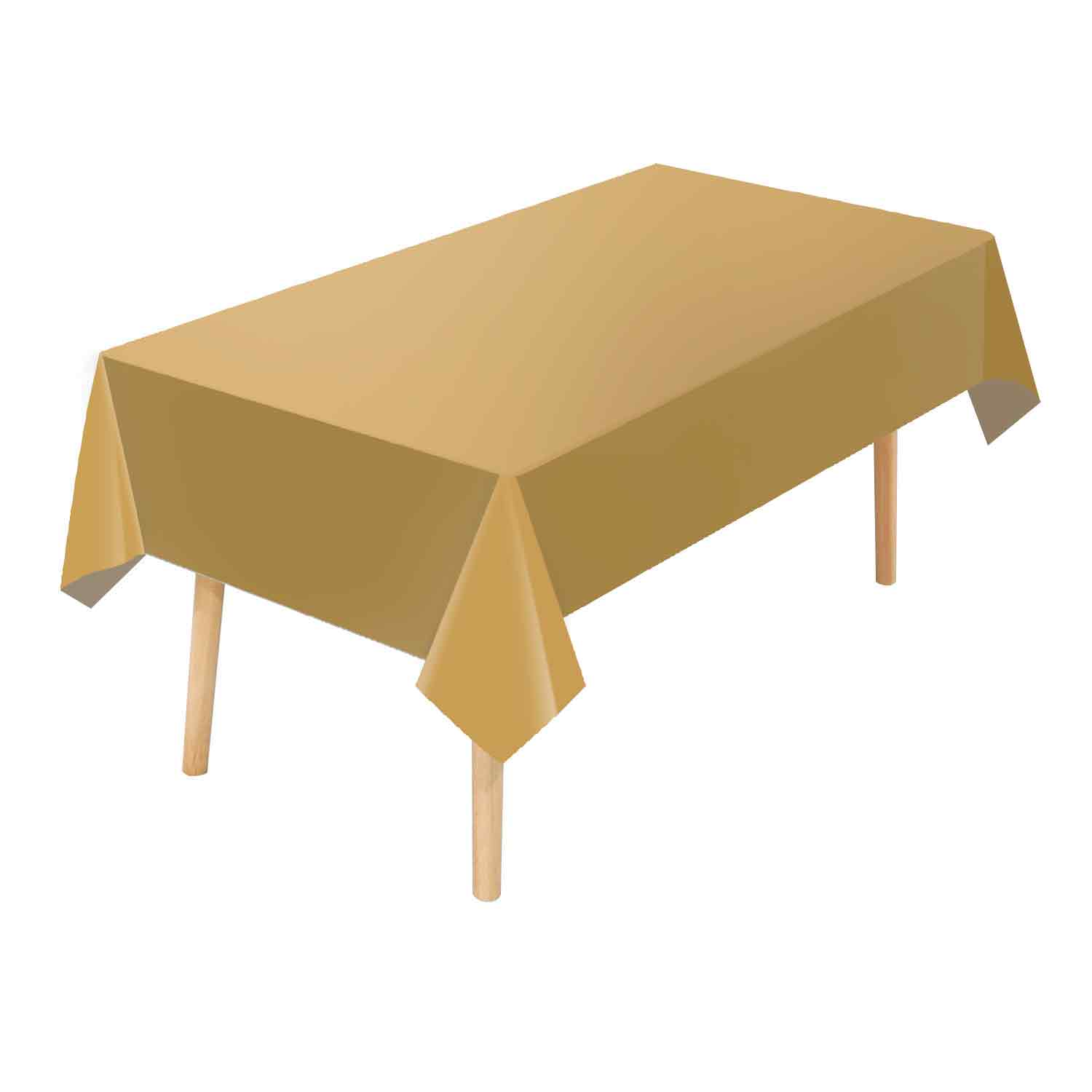
Four stories cover most of the channel: ivory with gold, black with gold, white with silver, burgundy with gold. Pick the linen first because it occupies the most surface, then the plate rim, then the cutlery finish, then the napkin — the item ordered last and regretted, since dyed paper sits warmer than printed film.
Approve the combination as one table sample, a full place setting on a metre of the actual cloth, not as four separate swatches, and read it under daylight and under the venue’s warm light. Write a numerical tolerance into the spec instead of “match the sample”: ASTM D2244 is the method buyers cite, and the colour difference figure it returns rests on metamerism, where two colours match under one light and separate under another. Our notes on black, gold and black-and-white tablecloth colours show how one reference behaves on different base films, and the tableware colour matching guide covers keeping plates, cups and cutlery inside a single story.
Plates and bowls: let the service style pick the size
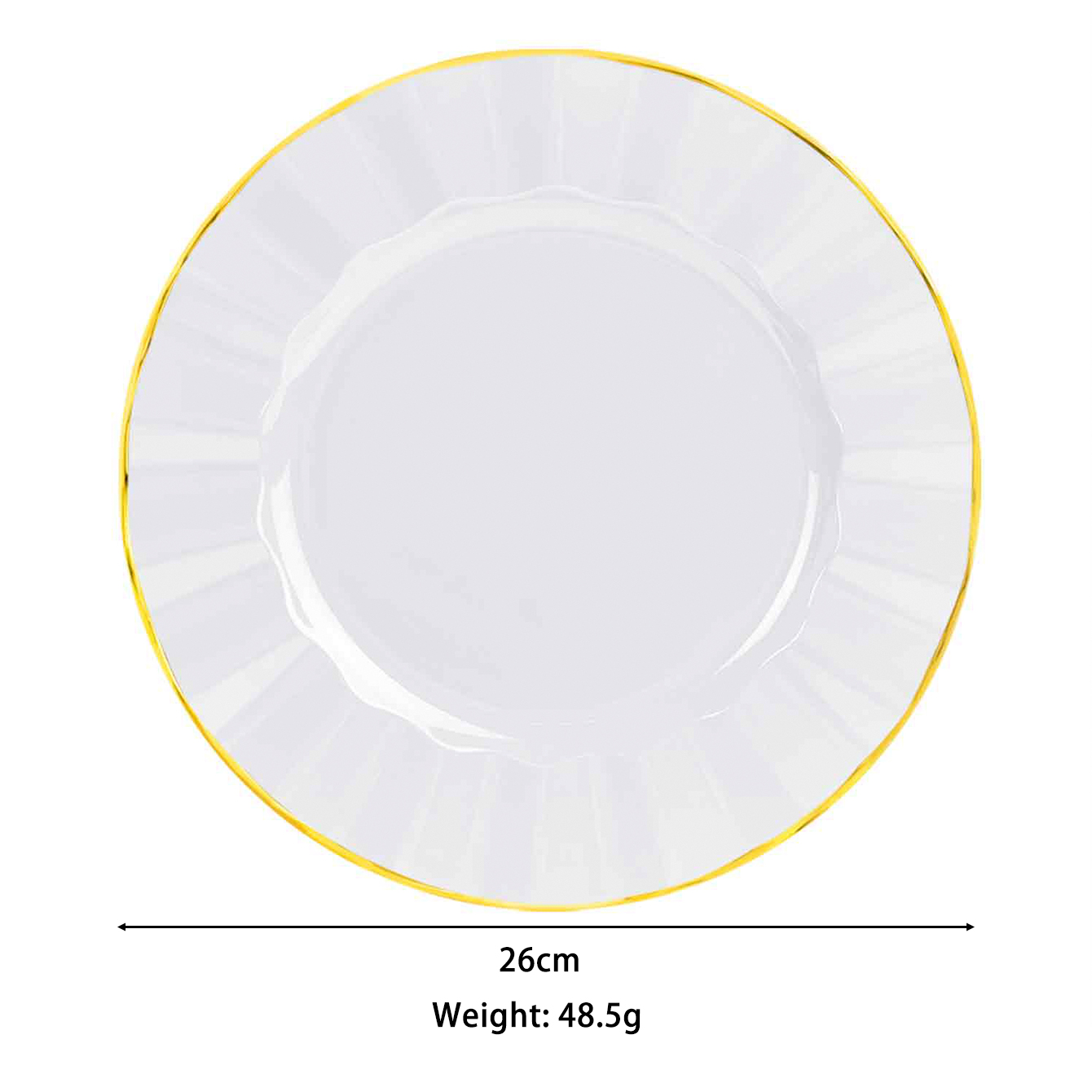
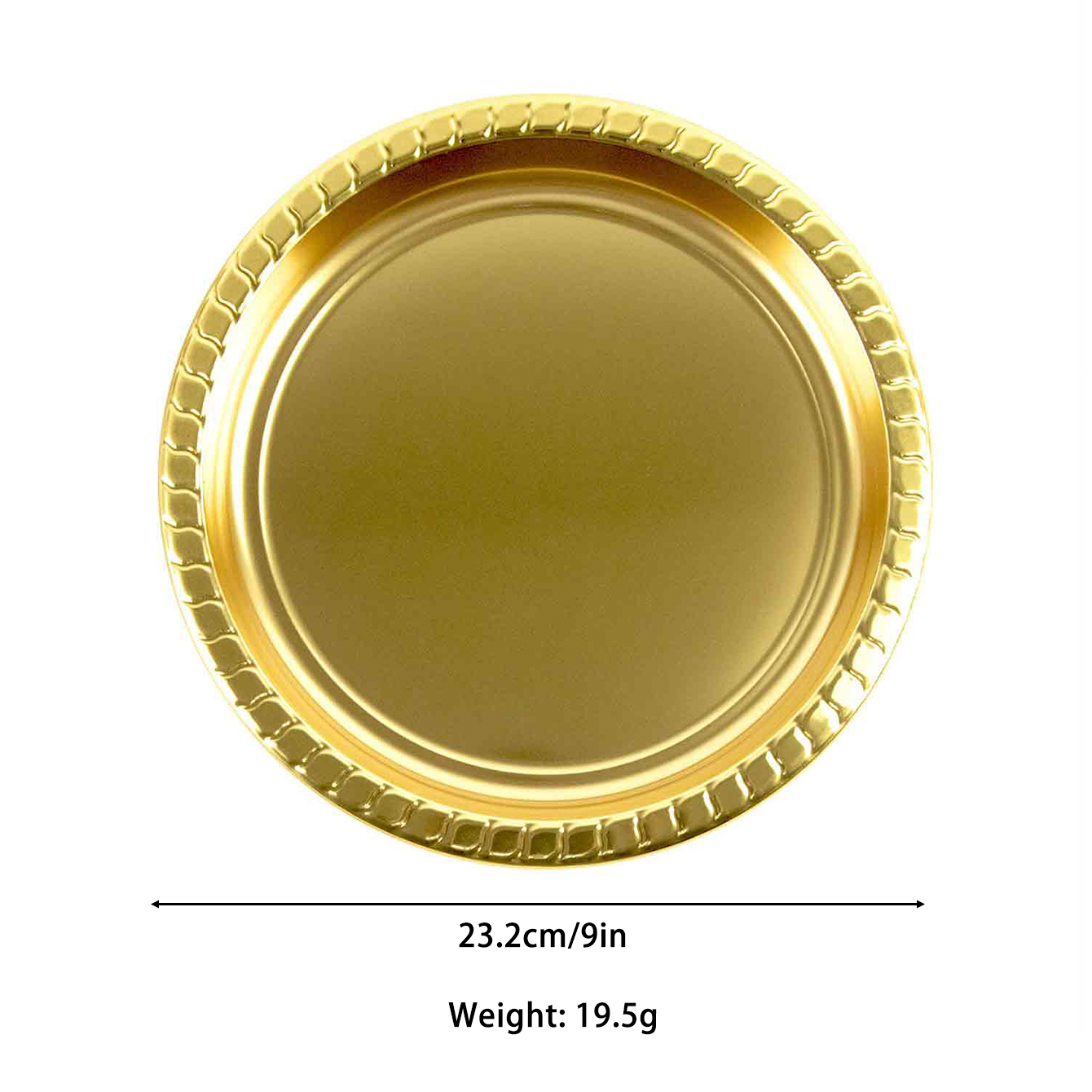
Three sizes cover nearly every reception. The 7 in plate is the appetiser, salad and dessert plate. The 9 in plate is the dinner plate and the one that has to look convincing in photographs — a wide rim adds presence but eats usable surface, so a 9 in plate with a heavy gold rim holds about what a plain 8 in plate holds. The 12 in wide-rim plate is a buffet piece.
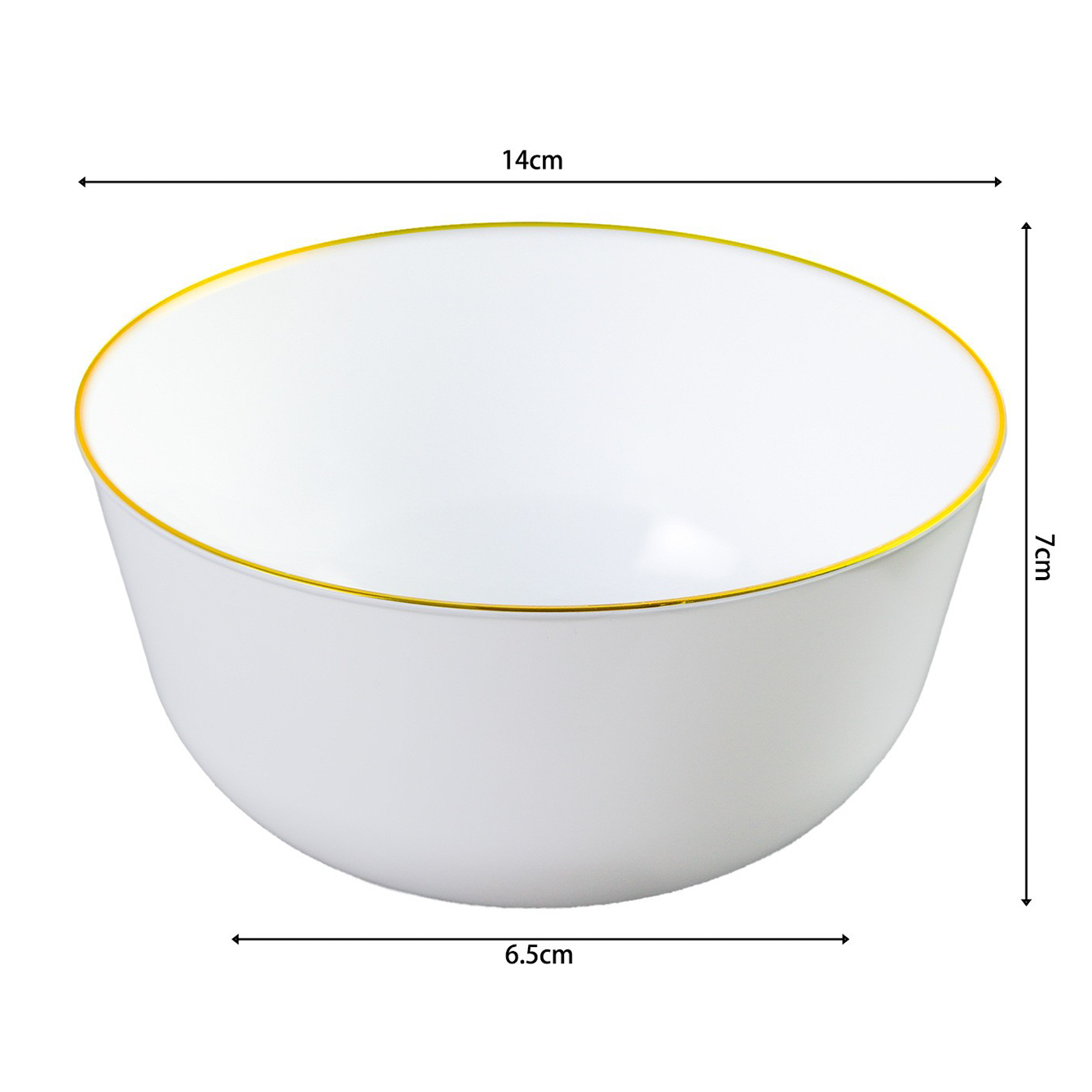
Bowls are specified by capacity, not diameter: 8 oz is a side or dessert bowl, 24 oz takes a salad or a pasta starter. For a plated dinner the rule that ends arguments is one plate per course plus a 10% working spare for the ones dropped, cleared early or sent back. The size logic is in the 7 in and 9 in plate set guide, with the range under disposable plastic plates. Request food-contact documentation by resin: polystyrene plates fall under 21 CFR 177.1640, polyethylene film under 177.1520, and the colourants used in both under 178.3297.
Cutlery: finish first, then count the courses
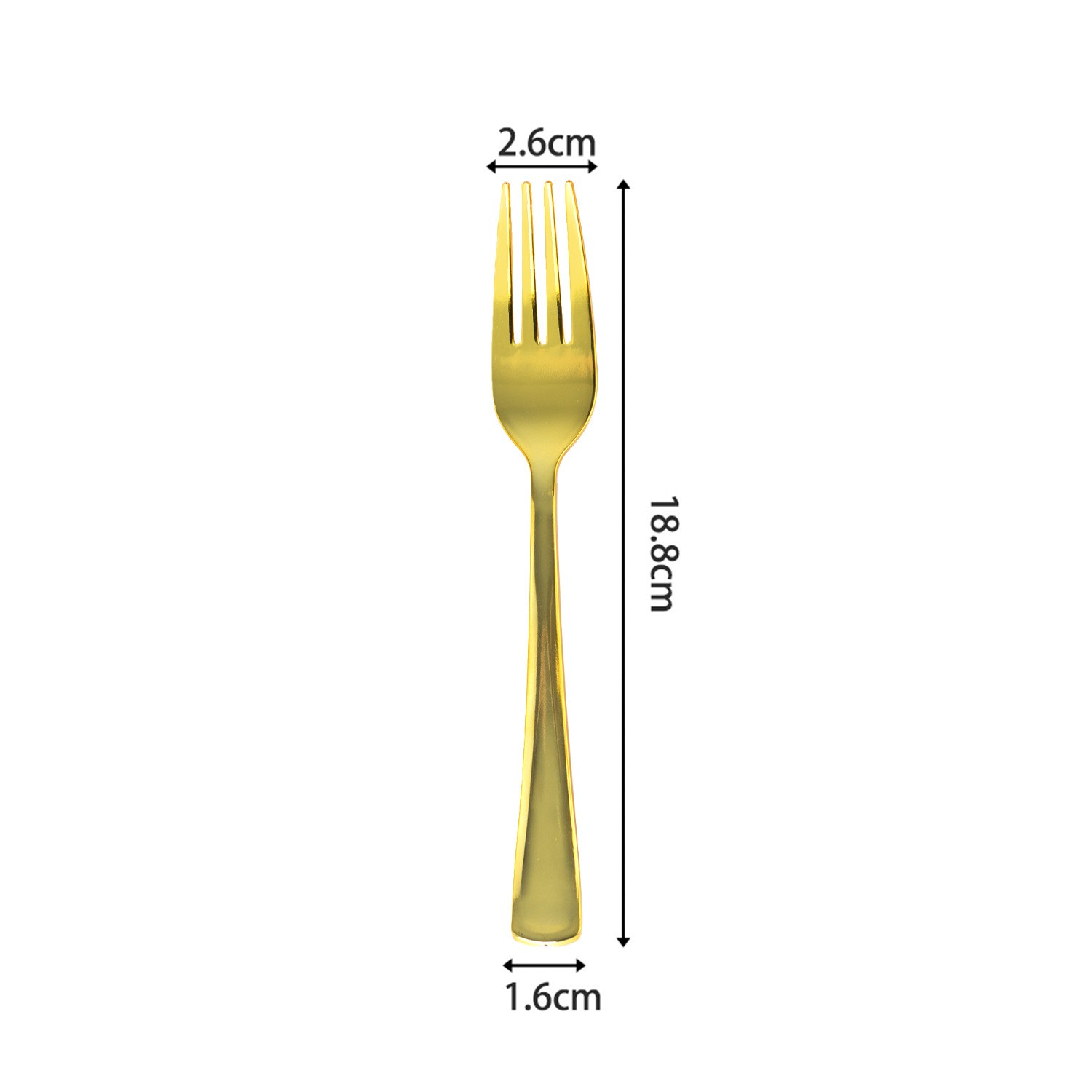
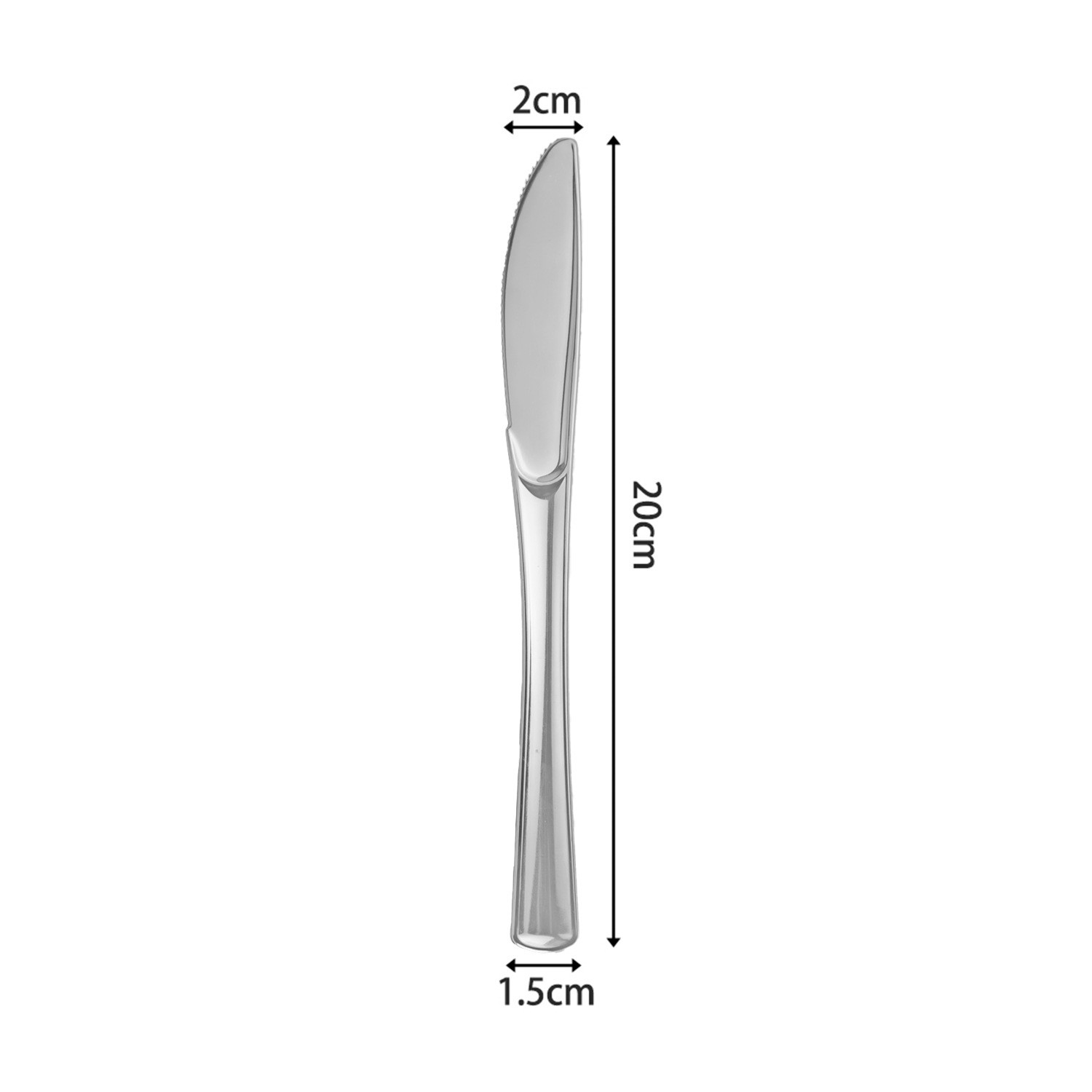
Cutlery is a finish decision before it is a count decision. Gold and silver pieces read as metal from three metres and as plastic in the hand, which is the point. Check the finish at the handle edges and the tines, where lacquer wears first, and ask for a rub test there rather than a photograph of the front.
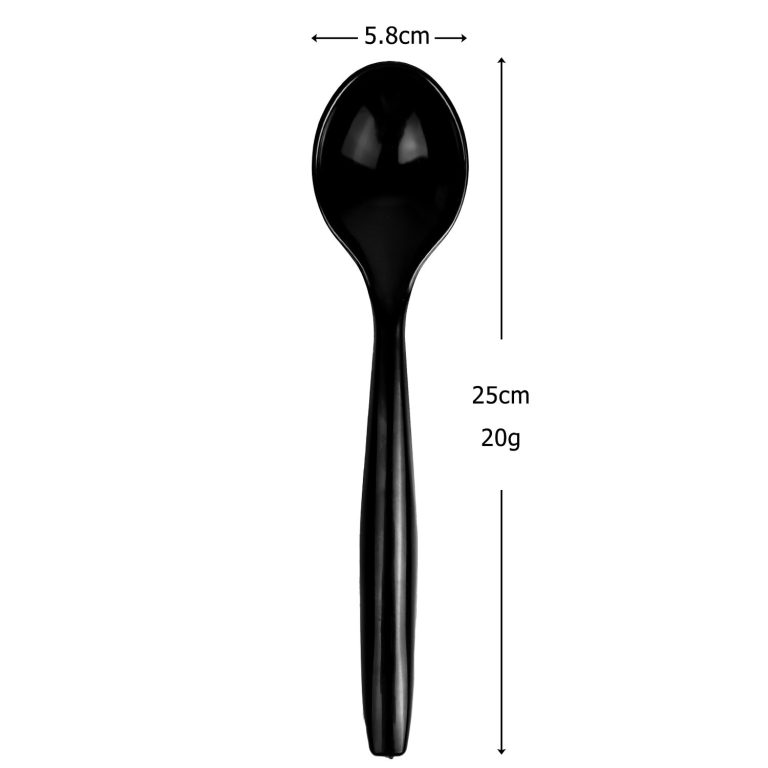
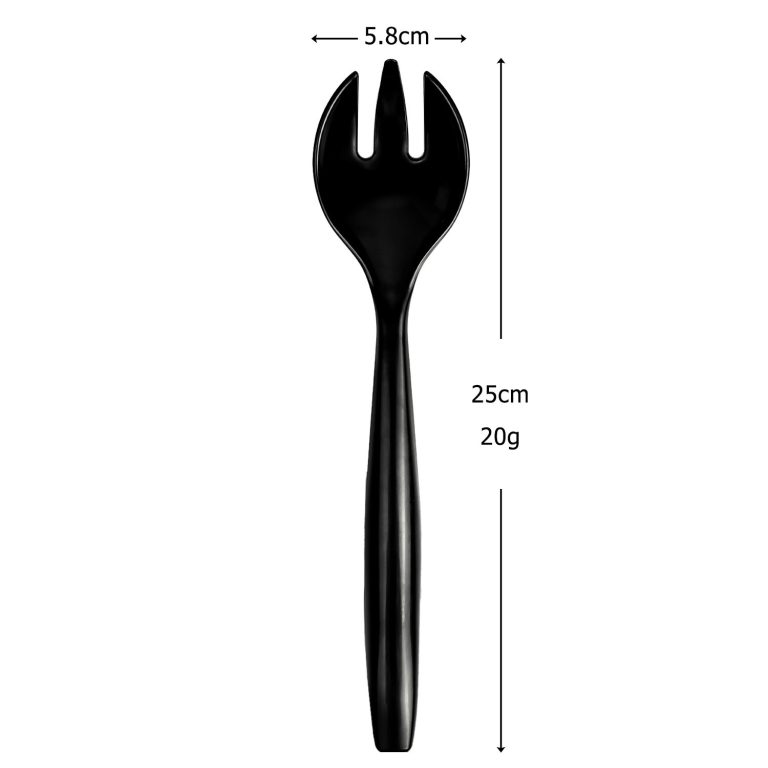
Counts follow the menu: one fork, knife and spoon per guest per course, so a three-course dinner is three forks unless the salad fork is reused. Dessert spoons are the item most often under-ordered, because they arrive with the cake course after the catering count is signed off. Kits — a wrapped fork, knife and napkin — cut handling time at the venue but lock the colours. See the bulk cutlery guide for geometry and pack formats, and the range under disposable plastic cutlery.
Quantities for a dated event
The table is the planning structure we use for a plated reception for 100 guests at 60 in rounds, with a cocktail hour and a dessert course. It is a counting framework, not a quotation — per-carton counts for your chosen references come on your quotation.
| Item | Why this number | Plan for |
|---|---|---|
| 60 in round cloths | 100 guests ÷ 8 per table = 12.5, rounded up | 13 |
| Service table cloths | Cake, gifts, bar, buffet line | 3–4 |
| 9 in dinner plates | 1 per guest + 10% working spare | 110 |
| 7 in plates | Cocktail bites plus dessert | 120–150 |
| Bowls | Salad or soup course only | 110 if served |
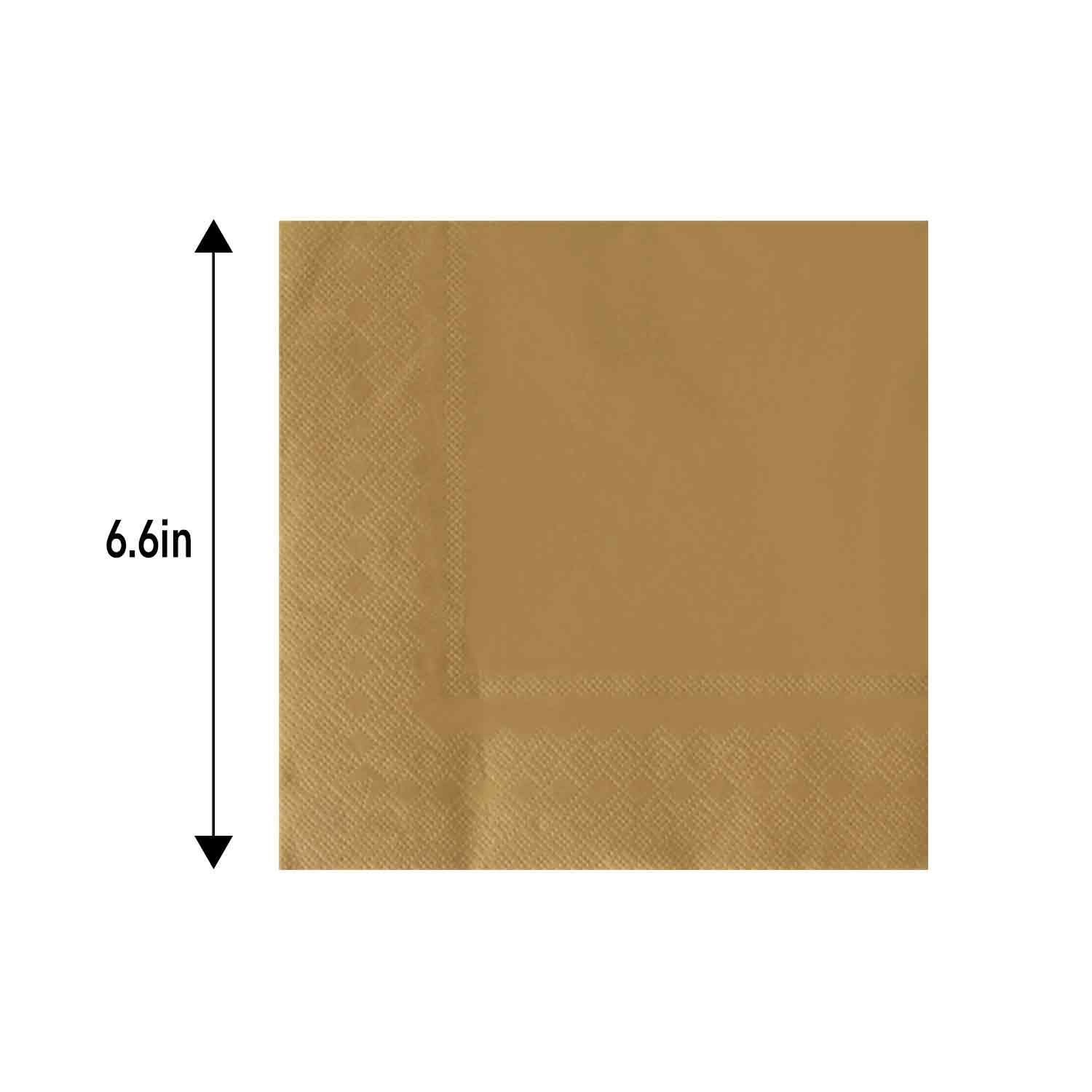
| Napkins | Place setting + bar and dessert stations | 220–250 |
| Forks / knives | 1 per course per guest, plus spares | 110 each |
| Spoons | The dessert spoon is always forgotten | 120 |
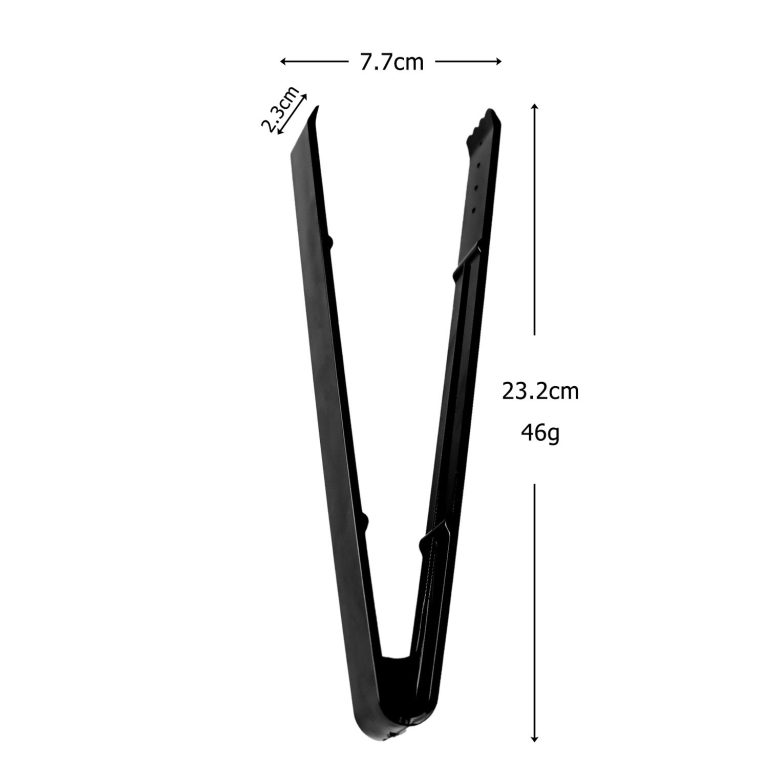
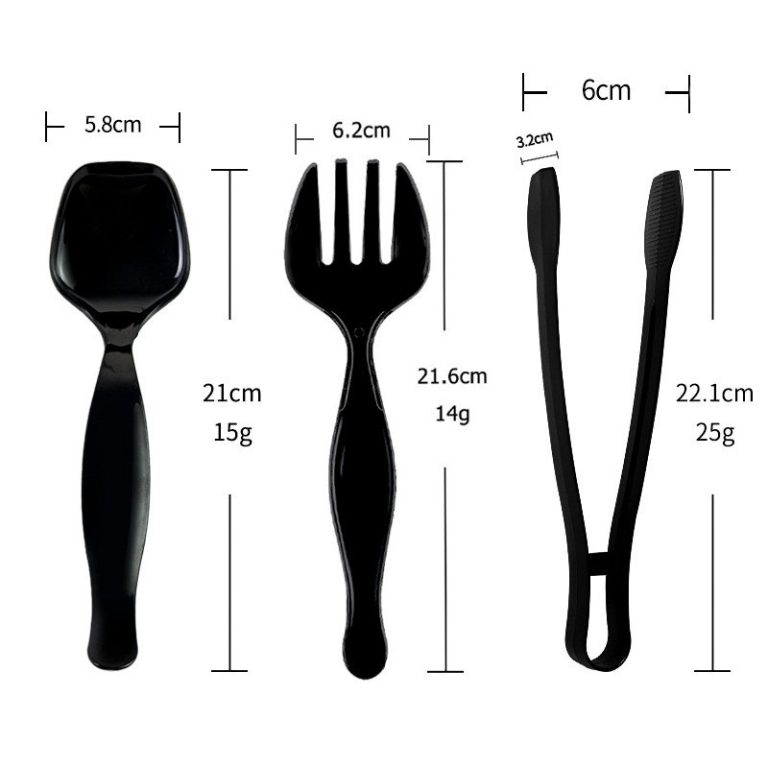
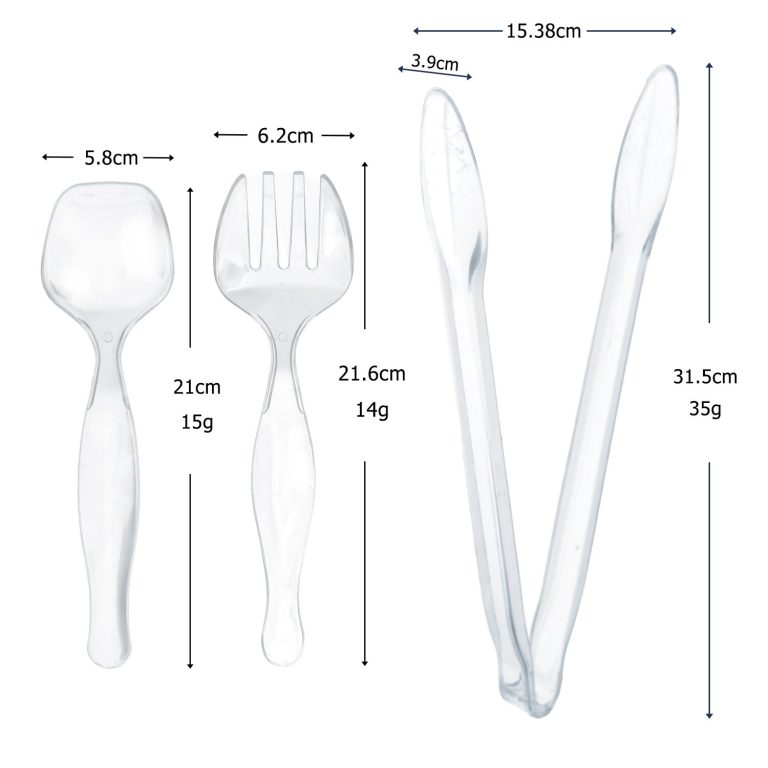
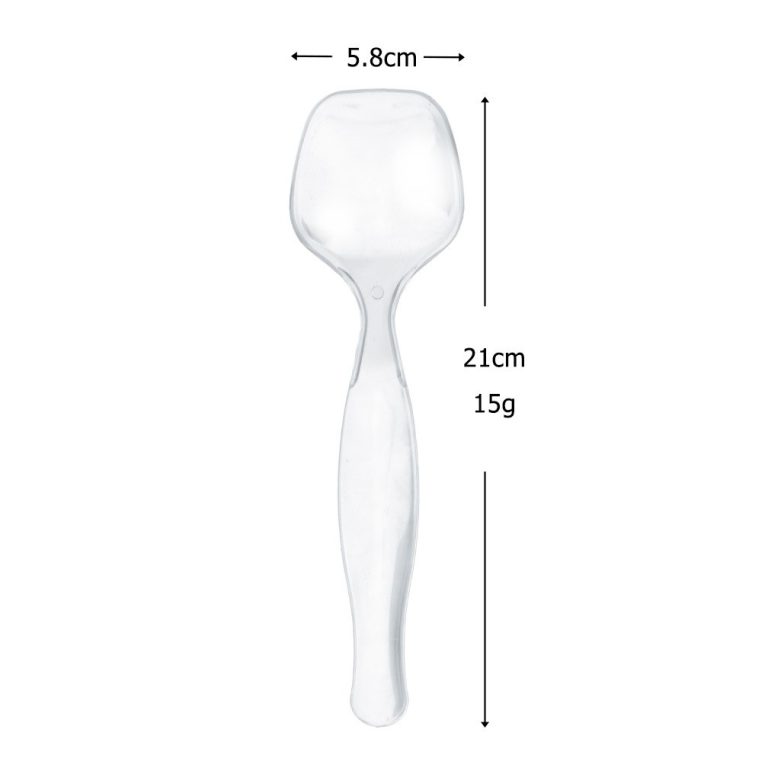
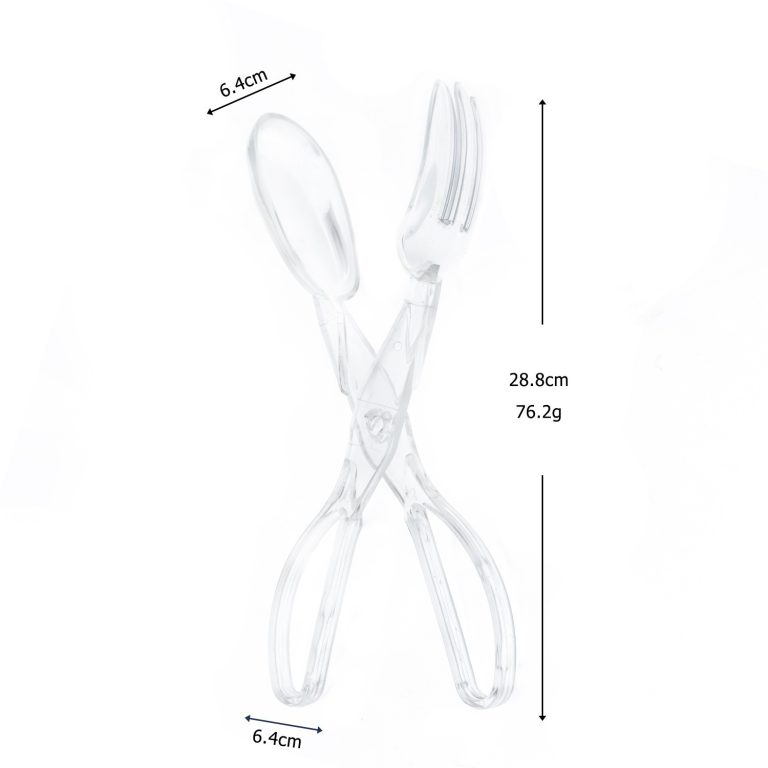
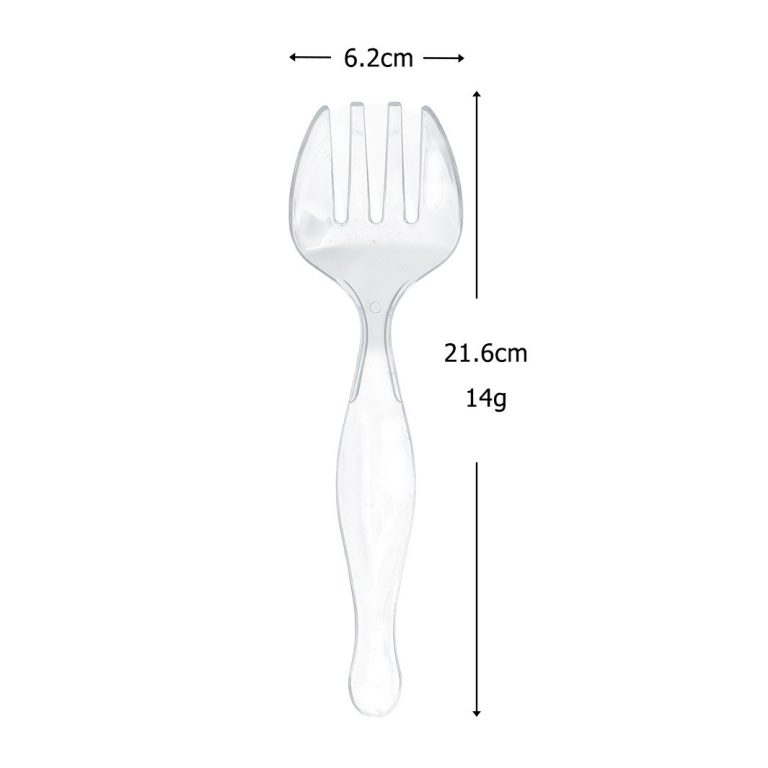
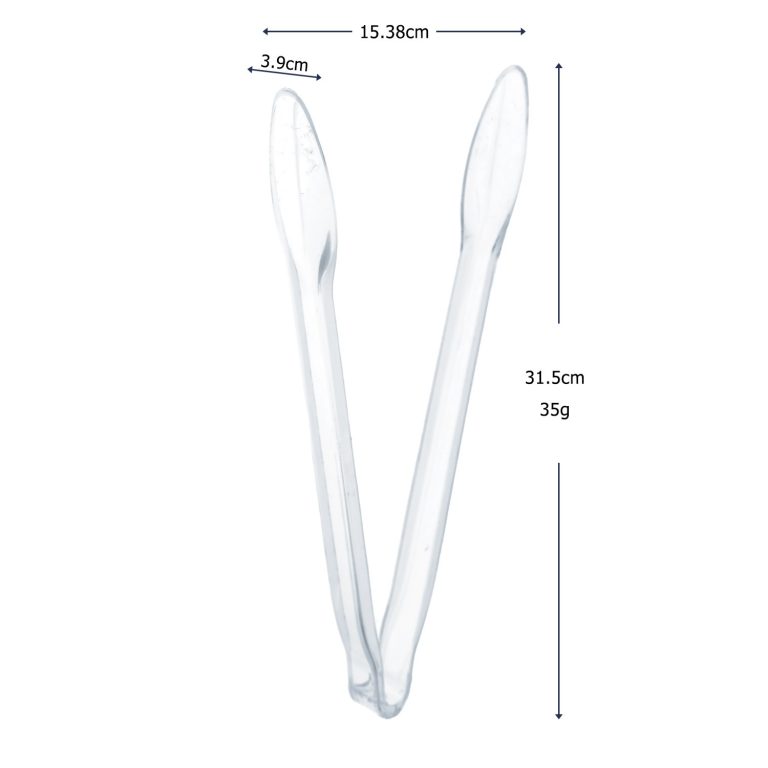
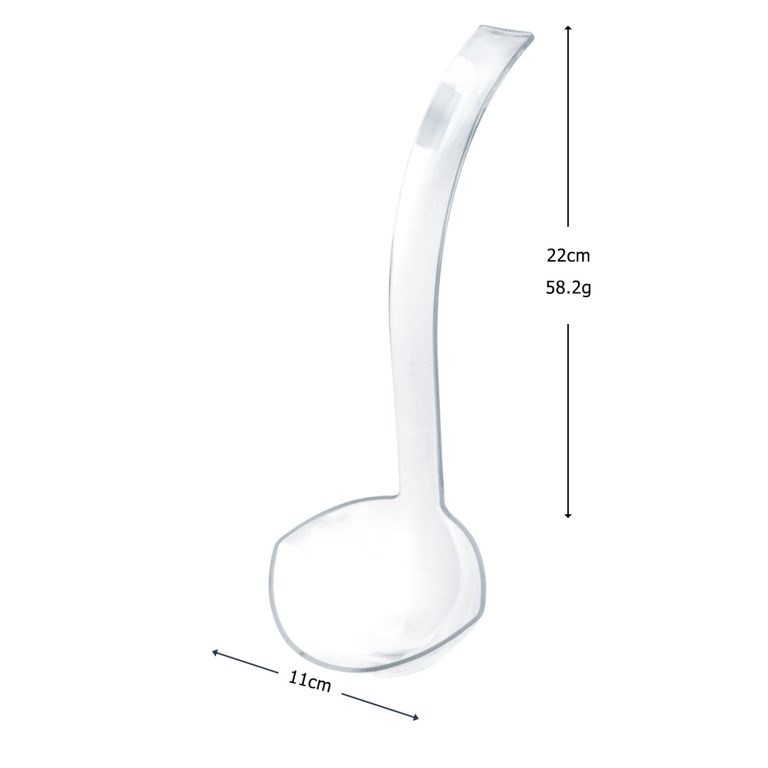
| Serving utensils | Tongs, spoons, forks per buffet dish | 6–8 |
The ranges on 7 in plates and napkins are deliberate: both get used at the bar and dessert station, outside the seating plan, and that gap turns a complete order into an emergency air shipment.
Packing, labelling and the run-up to the date
Packing follows the buyer, not the product. Venues and caterers want bulk cartons with colour, size and piece count printed outside, because a store room counts cartons, not orders. Hire companies and retailers want retail-ready packs and a barcode that scans at the till; a mixed pallet is normal, but the format is fixed before production.
Then work backwards from the date: lock the colour story, approve a full table sample, confirm artwork, book the production slot, choose sea or air, and leave a delivery buffer before the event rather than after it. Weddings do not move; peak-season capacity and vessel space do, so the schedule must be written down and shared rather than remembered. The line items that belong on the order are in our guide to reading a plastic tablecloth quotation; the plastic tablecloth range lists the sizes and colours we produce, and paper napkins covers the ply and colour options that have to match them.
Runxiang has made disposable tablecloths and tableware in Changzhou for over twenty years, and the practical advantage here is that cloth, plates and bowls, cutlery and napkins are quoted and packed as one order from one factory. That removes the most common wedding-channel failure: three suppliers promising the same ivory and delivering three different ones. Send a table plan, a date and a colour direction, and we will come back with a specification and a sample set for the full place setting, including OEM and ODM options for printed cloths and custom colour matching.