
Floral plastic tablecloths usually get filed under “decorative” and then bought by accident: a buyer adds one ivy print to a spring order because the shelf looks thin, it sells through, and nobody works out why. The prints that sell are not the prettiest; they are the ones whose ground colour, motif scale and film weight match the event. This guide covers the five botanical and lace prints in a stock range, what each reads as on a set table, and the lines to put on the order sheet.
Why florals are a spring range, not a February leftover
Valentine’s and spring floral sit next to each other in a catalogue and nowhere else. Valentine’s artwork is saturated: red or pink on a deep ground, hearts, high contrast, read at two metres in dim party light. Spring floral is light: white or pastel ground, green stems, low contrast, read close up in daylight. Carry one pink print for both and you end up with heart motifs on an April shower table and no green in the range.
Treat the botanical group as its own range with its own window: bridal and baby showers, Easter, Mother’s Day, tea parties, garden weddings and church socials from March to June. That is also the window in which wedding buyers are already placing banquet orders, so these prints belong next to the wedding tableware programme rather than on the birthday wall.
The five prints in a botanical range
| What it reads as | Where it sells | |
|---|---|---|
| Trailing ivy | Green vine on white, the most neutral botanical | Tea parties, garden showers, church hall |
| Lace | Fine white-on-white medallion, reads as fabric from a distance | Bridal showers, engagement parties |
| Red and white flower checkered | Cottage and picnic, warm and family-facing | Mother’s Day, summer picnic, farmhouse theme |
| Blue and white flower checkered | Coastal and French country, cooler than the red | Bridal shower, seaside wedding |
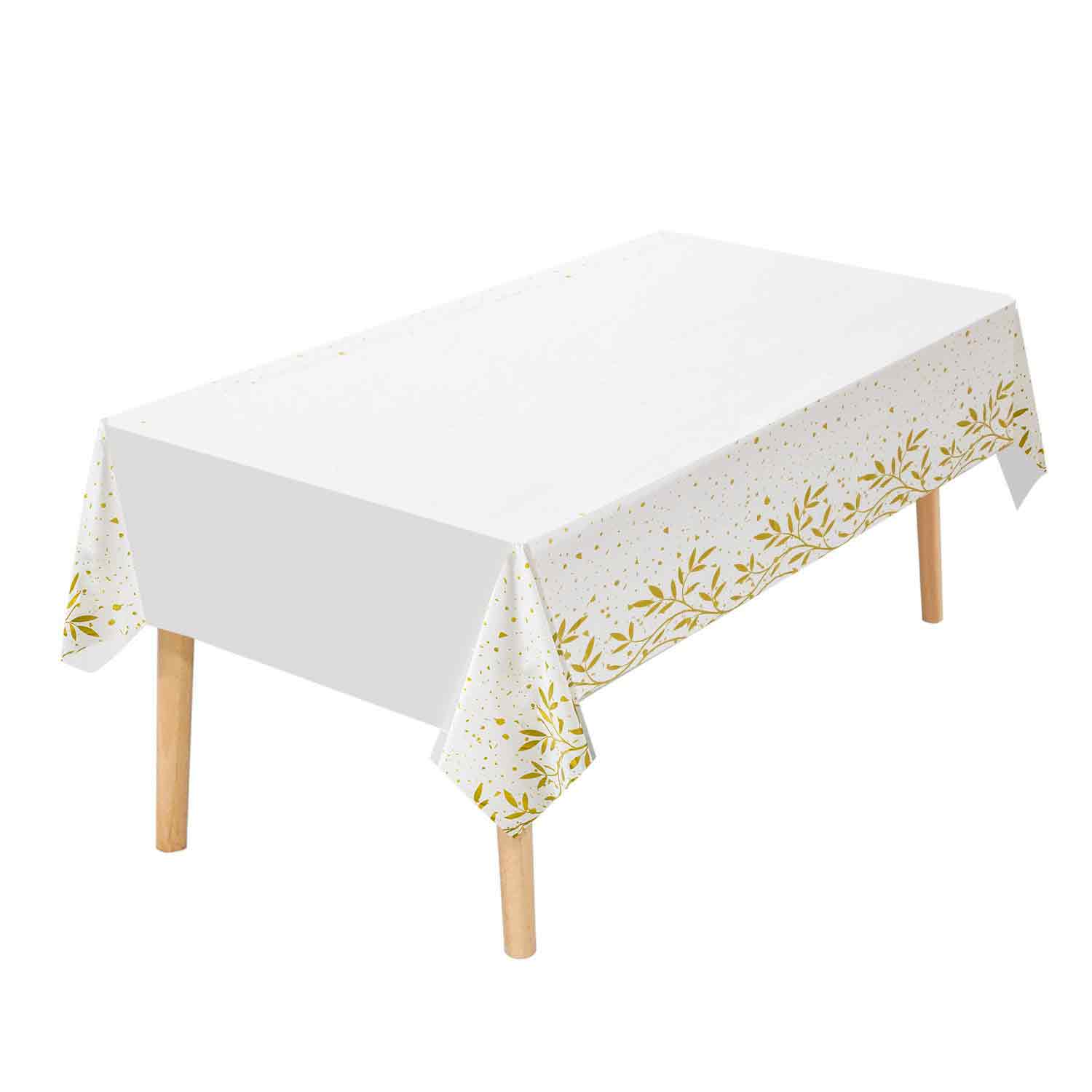
| Gold leaf | Metallic leaf on white, the dressiest of the five | Wedding, anniversary, autumn-to-winter crossover |
Five prints is a range, not a catalogue: one green, one white, two checks and one metallic cover the colour stories a spring shelf needs. Fill the gaps with plain white covers, where most of the volume sits anyway.


Lace is a print, not a fabric
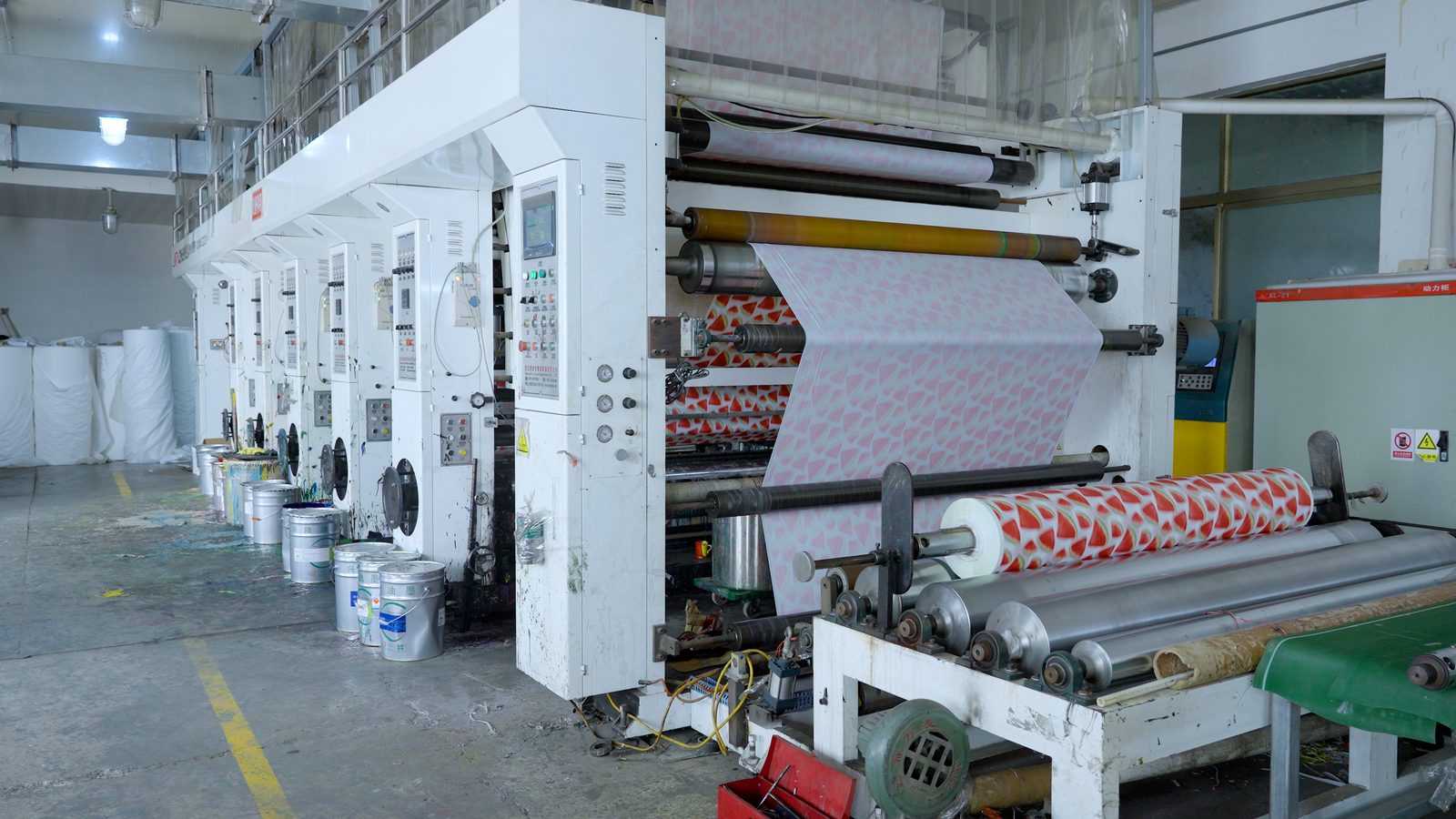
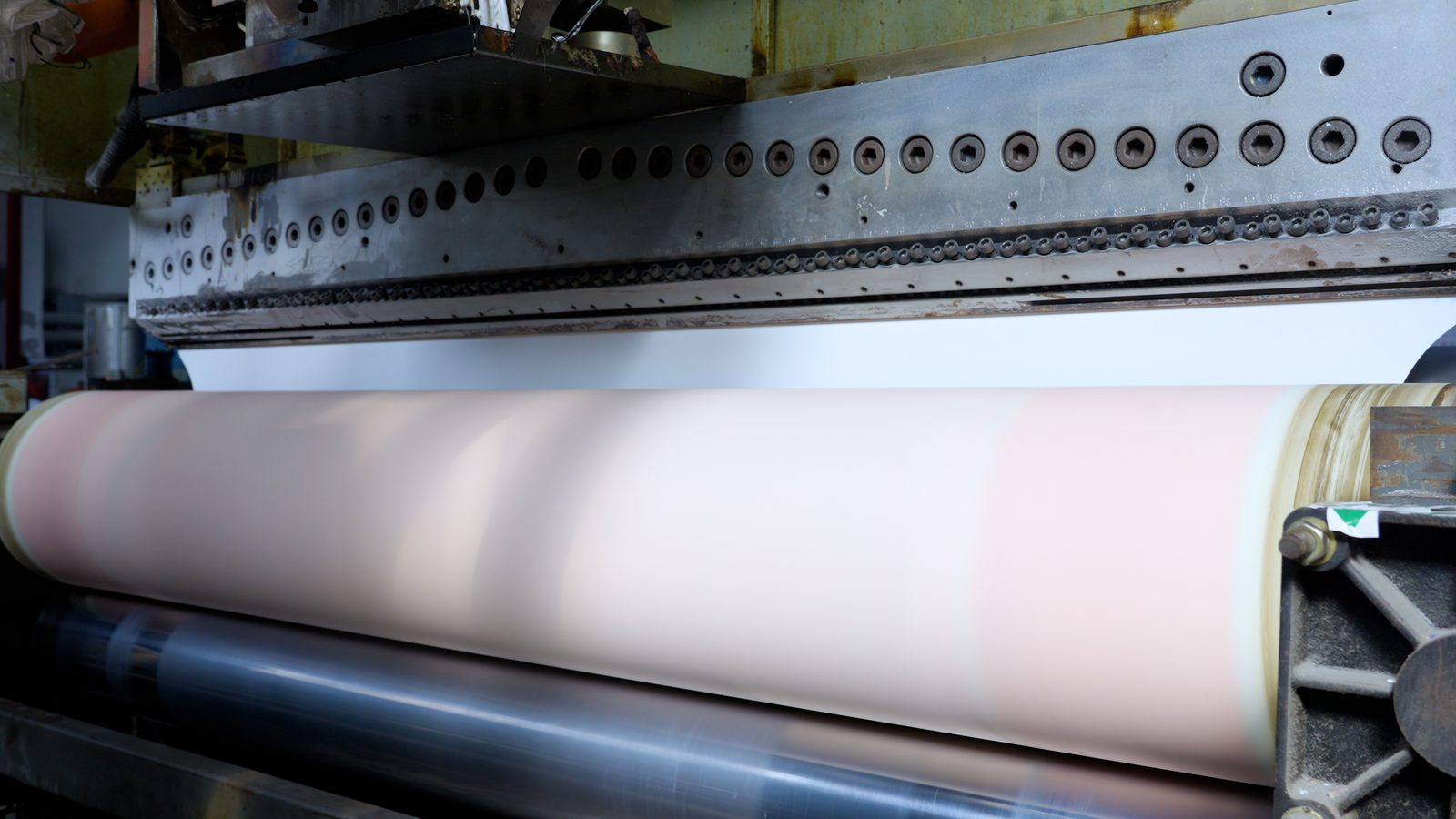
Lace sells because it looks expensive for the price of a plastic cover, and the illusion has two conditions. The first is line weight: the medallion goes down in one pass of a flexographic press, and a fine line holds up at arm’s length but turns into grey haze at three metres; printed too heavy, it reads as a stencil. The second is ground opacity: the pattern only exists where the film is opaque white. On a thin film the table shows through, the white goes grey, and the lace becomes a smudge.
Finish matters more here than on any other print. A gloss film picks up the room and the medallion disappears into the highlight; a matte surface keeps the line legible under venue lighting. If a buyer can only upgrade one thing on a lace SKU, it is the finish, not the film weight.
Ground colour sets the price point the print reads at
Every print in this group sits on a white or near-white ground, and that is a cost decision as much as a design one: white is the film itself, so only the motif consumes ink, while a coloured ground means printing the whole surface, so the full ink film has to sit on the cleared colorant list. It is also why a beige or blush version of the same ivy print costs more per piece than the white one, and why white is the safest first SKU in any market.
Ivory and beige still earn shelf space: they read as linen and photograph warm, but they show every crease and show a spill sooner. Sell them where the cover is seen at an angle, a buffet or a cake table, not a flat top-down shot. Shade discipline is the same as for any other colour, as set out in our tablecloth colour guide.

Motif scale has to survive 54 x 108 inches
A floral drawn on a 500 mm swatch is not the print that arrives on a 54 x 108 in cover. A large single bloom reads at three metres and looks empty at arm’s length; a small ditsy disappears across a banquet table and looks busy on a 4 ft dessert table. Trailing ivy is the easiest of the five to place, because the direction of the vine gives the eye a line to follow down the drop, so the print still reads once the cover is on a table.
Repeat, drop and border placement are a separate conversation when a print is being developed rather than bought from stock: the repeat has to divide the cut length and the border has to survive the drop, which is covered in the tablecloth print layout guide. For a stock range the check is simpler — ask for a photo of the print on a full-size cover on a table, not a swatch on a desk.
Formats: rectangle, round and runner
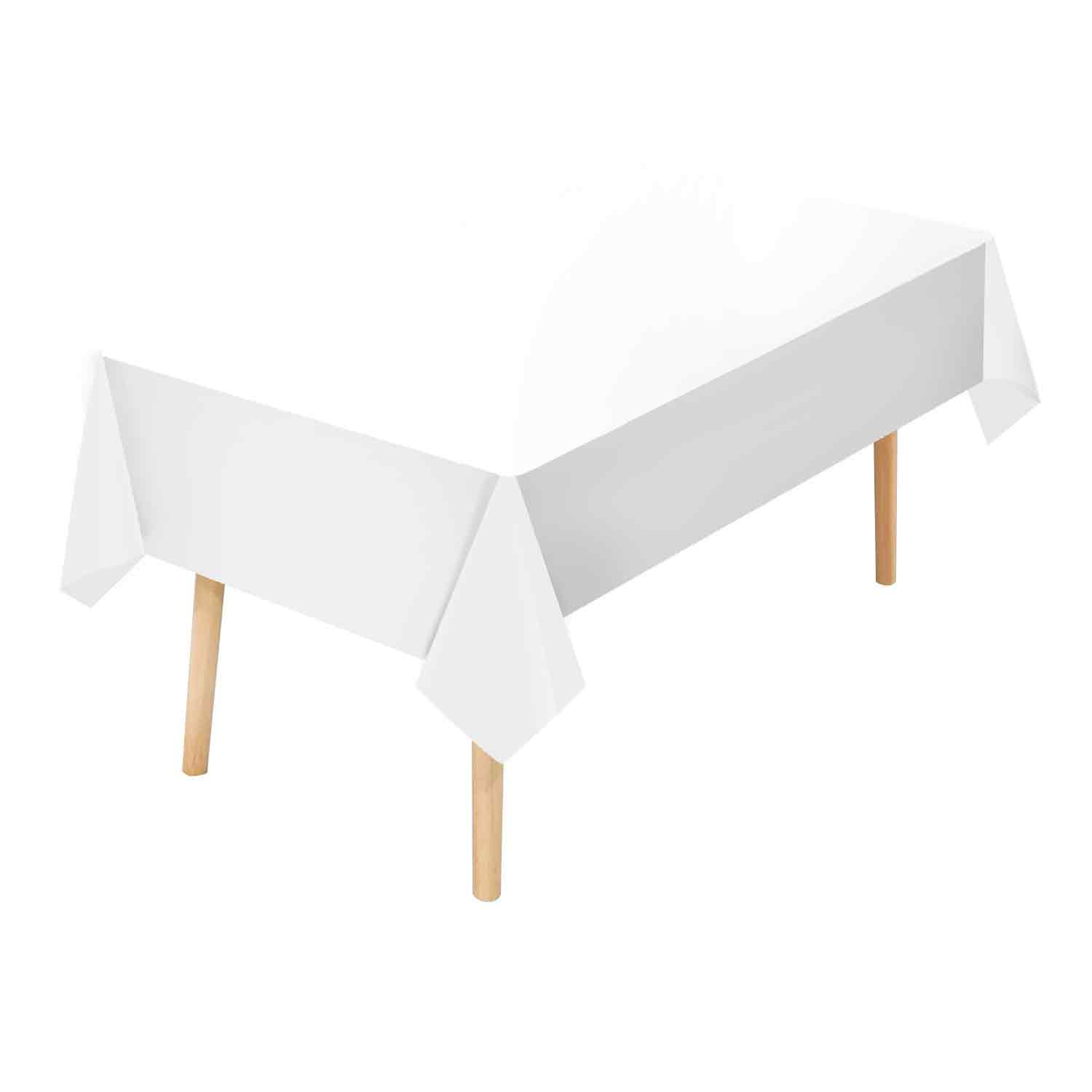
The 54 x 108 in rectangle is the workhorse: it drapes a 6 ft folding table and just reaches the ends of an 8 ft one, and it is what most shower and tea party buyers order. Round covers follow the table rather than the print, so settle diameter and drop first: a border motif at the hem of a rectangle lands somewhere else on a circle. Round tablecloth sizing covers that calculation and the tablecloth size chart covers drops.
Runners are the cheapest way into the range: a narrow cut of the same film over a plain white cover on a dessert or tea table. A floral runner sells the print on a third of the film, which is why tea rooms and caterers buy them in tens. Table skirts sit on the same table but do a different job — covering the legs, not dressing the top — and are specified by panel and drop in our table skirt guide.
Matching napkins, plates and cutlery to a floral print
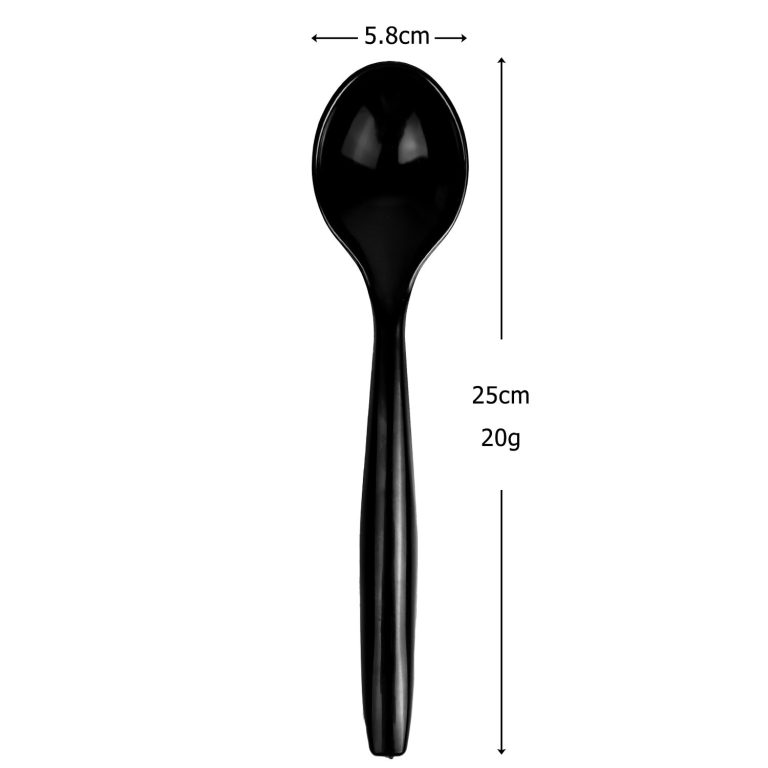
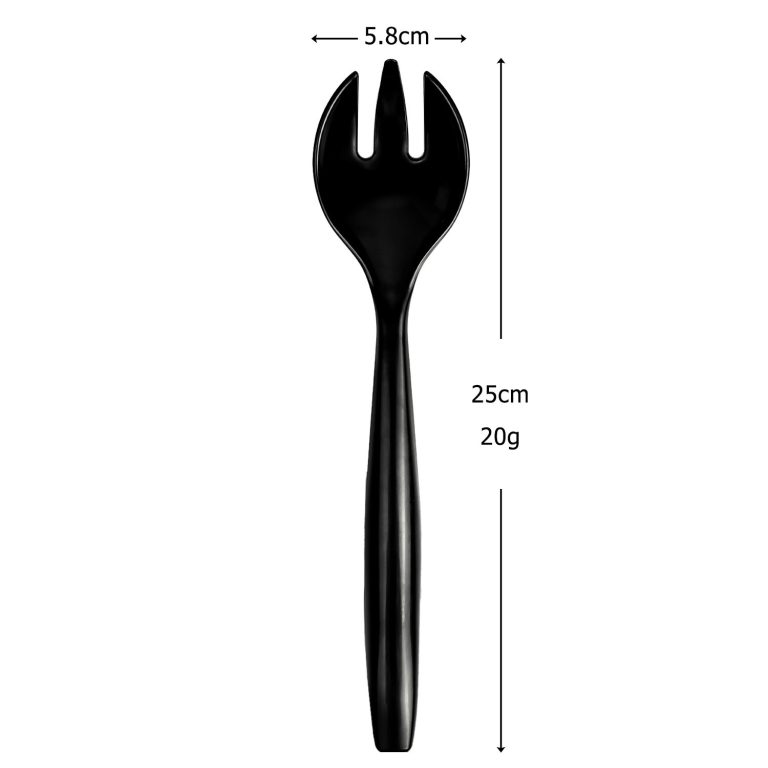
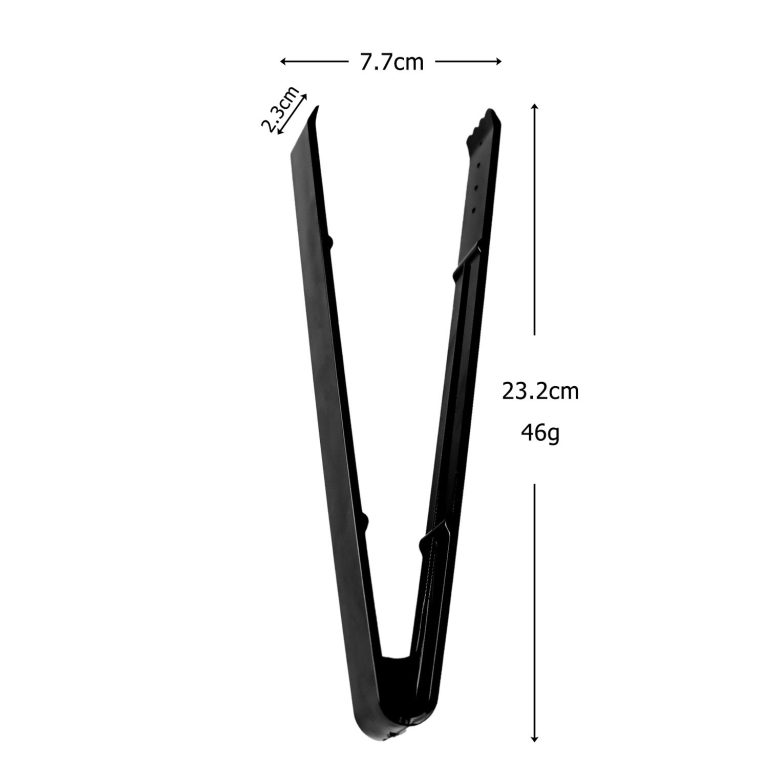
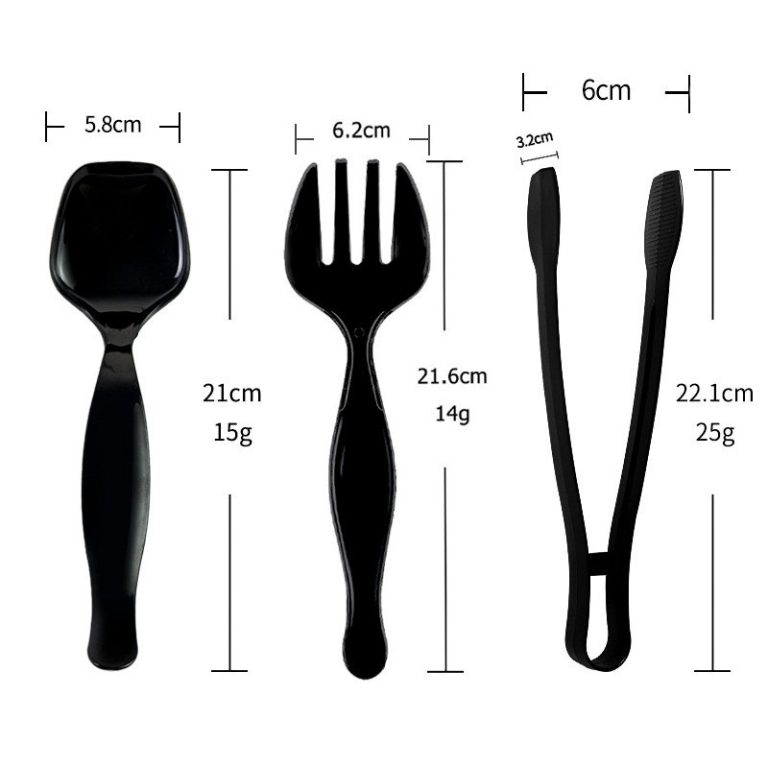
The usual mistake is matching the setting to the print’s dominant colour. That colour is almost always the ground, and a white-and-green ivy cover does not want a green plate; it wants white with a gold or silver rim and one green element in the napkin or centrepiece. Pull the accent from the motif — stem green, blush, delft blue — and keep the plates neutral: 7 in and 9 in rim plate sets in white-and-gold or white-and-silver are the natural pairing, and clear or gold plastic cutlery stays out of the way of the print.
Napkins are where the colour story is cheapest to fix: one coloured napkin in the motif colour pulls a plain white table together, and lets a retailer sell the print to a buyer who already owns white covers.

The spring order sheet
Eight lines, in this order, prevent most of the rework:
- Print name and stock reference — the reference, not a photo.
- Ground colour by name, plus the approved master sample if the shade has shipped before.
- Size in inches, with the table it is meant to drape.
- Film gauge: 0.03 mm at roughly 87 g per cover where the cover is used once; 0.05 mm at roughly 150 g where it has to stay opaque under venue light.
- Finish: matte for lace and fine-line prints, gloss where the motif is bold.
- Packed format: flat folded or on roll, with the carton mark.
- Artwork route: stock print, or a strike-off if the motif is being adjusted.
- Shelf date, not production date.
Timing is the part buyers miss. A spring range has to be on shelf in February and March, so production is booked before the factory closes for Chinese New Year in early February, and film and ink before that. Work backwards from the shelf date; working forwards from the enquiry date is how a good print arrives in April.
Why buyers come to Runxiang. We have made PE and PEVA table covers for more than twenty years, with film blowing and printing in house, so a print, its ground and its gauge stay one specification instead of three suppliers. Stock prints, master-sample matching and OEM artwork run on the same line, and the sample you sign off is the one we keep on file. The printed range sits in the printed tablecloth category and the plain grounds in plastic tablecloths; how the film and the print come together is set out in how plastic tablecloths are made.
Next step. Send your print reference, sizes and ground colours to our team for a specification sheet, or read how we quote before you build the order. Related reading: table covers for parties and disposable plastic tablecloths.