
Black is the colour most buyers reorder without thinking. It hides the table frame, it disappears under stage lighting, and it makes gold chargers and white plates look deliberate. Then the second container arrives and the complaint is always the same shape: the cover reads charcoal under the lights, the fold lines come back as bright stripes, and the black of the cloth does not match the black of the plates beside it.
None of that is a defect in the usual sense. It is what happens when black is bought as a colour rather than as a surface. Four things decide how a black table actually looks on the night: how much light the film blocks, how glossy it is, which marks black shows first, and how black film, black PS, black paper and black ink sit next to each other under the same lamp.
Why black carries so many banquets and stages
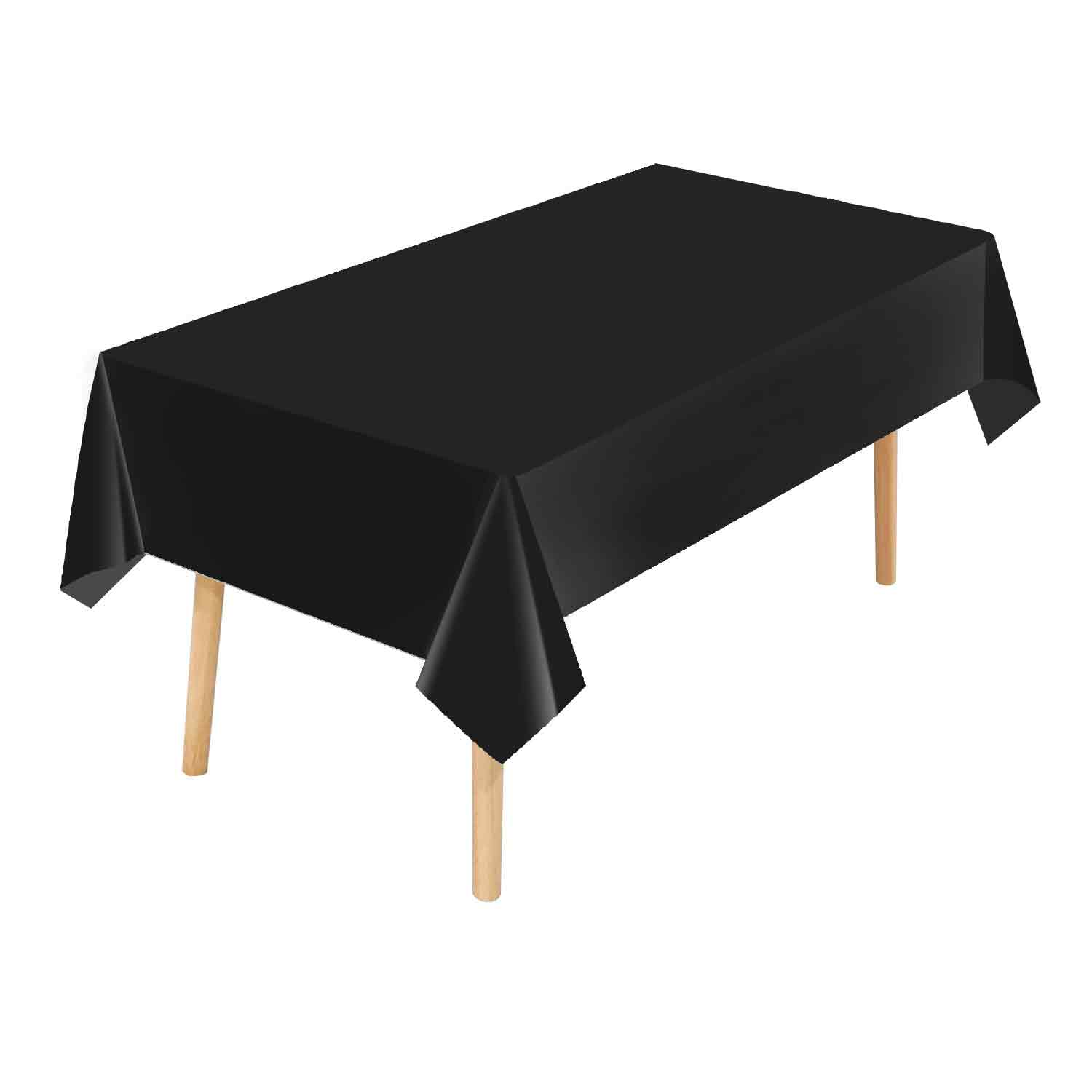
Black absorbs rather than reflects, so a black cover removes the table from the picture. Legs, trestles, cable runs and the seam where two tables meet disappear into it, which is why banquet captains reach for black first. It also gives contrast: gold rim plates read sharper on black, and a black plastic table cover photographs without the blown highlights a white cloth throws under flash.
The trade-off is that black is the least forgiving surface in the range: white hides a crease, black turns it into a light-catching ridge; white hides a dusty carton, black shows every fibre.

Opacity: black blocks light, but thin black still glows
Black pigment absorbs most visible light, yet a thin film still passes some through. Lay a 25 g/m² black sheet over a white top in daylight and it reads black; put the same sheet over an uplit table and the light comes through as a dull grey bloom, strongest where the film is stretched tight over a corner. Round covers show it worse, because the film is drawn in two directions at once and thins where it is pulled.
Two checks settle it before the purchase order goes out. Lay the sample over a white surface and look for a grey cast rather than a black one. Then put a phone torch under the sheet in a dark room; a cover that glows under a torch will glow under uplighting. Where the venue has uplights, daylight tents or backlit bars, the answer is a heavier gauge or a double layer, not a darker pigment. Our standard black PEVA sheet is quoted at 25 g/m² and heavier film is quoted per order, so opacity is a line item. The thickness guide converts mil, micron and g/m² if your spec sheet uses another unit. Both properties are measurable rather than a matter of opinion: gloss is read at a fixed angle (how specular gloss is defined), and opacity is simply the share of light a film lets through.
Gloss or matte: the choice that decides how the cloth ages
Cast film comes off the line with a natural gloss, and that is what most black tablecloths in the market have. Gloss reads dressier at a distance: it picks up ceiling lights in a soft band and gives a black table the sheen of a lacquered surface. The cost is that it draws a bright line along every crease, so a gloss cover needs more care in draping than a white one.
Matte scatters light instead of reflecting it, which flattens creases and makes a folded-and-reopened cover look smoother. It also shows fingerprints, handling smudges and dust more clearly, because there is no specular highlight for the eye to read as “surface”. For a venue that reuses covers, gloss with careful handling usually looks better; for a retail multipack folded, stacked and reopened by customers, a lower-sheen surface arrives with fewer visible fold lines. Do not leave finish to the factory default — write it on the enquiry and approve it on a physical sample, because “black” on a photo says nothing about gloss.
The three marks black shows first
Creases. A black cover folded into a carton for three weeks keeps the fold. On gloss the crease catches light and reads as a pale stripe; on matte it reads as a soft shadow. If the programme is black and the pack is folded, ask for rolled packing or a tissue liner between layers so the film is not pressed against itself.
Scuffs. Chair legs, trolley wheels and shoe edges leave grey burnish marks on black film that cannot be wiped off, because the pigment surface has been polished rather than soiled. Keep a spare cover per run and lay a runner under trolley traffic; the complaints-to-spec guide covers the same failure from the returns side.
Dust and carton fibre. Black shows what white absorbs. Corrugated cartons shed fibre, and a black cover pulled straight from a carton picks it up across the whole face. A poly liner inside the carton, and unfolding away from the floor, removes most of it.
Printing on black: white is ink, not the film
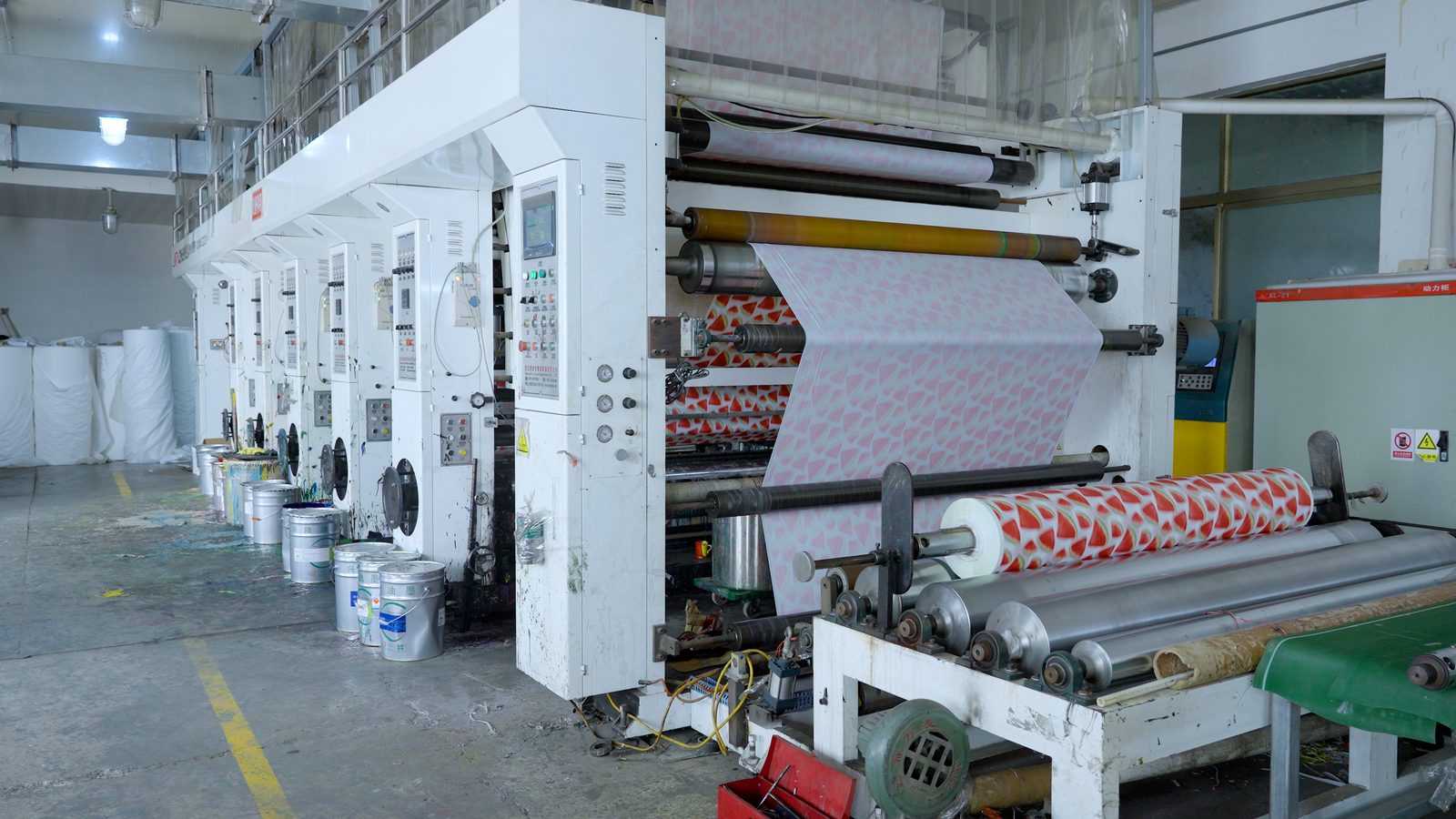
On a white tablecloth the white parts of a design are simply unprinted film. On black, every white area has to be laid down as ink, and that changes the specification. White ink on a dark substrate is printed in two passes to reach opacity — standard practice on a flexographic press — so fine hairlines fill in, small serif type loses its counters, and a one-pixel keyline around a motif can disappear. Designs that work on white need heavier strokes and larger type on black.
Black-on-black printing is the other trap. A tone-on-tone motif reads beautifully in a showroom and vanishes at a dim event, because ink and film reflect almost the same amount of light. If a black cover needs a pattern, hold it apart with a metallic or a solid white keyline; the print layout guide covers repeat and panel set-up, and the colour guide covers how a black shade is approved against a master sample.
Four blacks on one table
The mismatch that shows up most on a black order is not between two shipments of cloth but between the cloth, plates, napkins and cutlery on one table. Different materials, four different blacks.
| Item | Material and spec | How the black reads |
|---|---|---|
| Cover, rectangle | PEVA film, 54×108 in, 25 g/m² standard | Slight sheen; thins and greys where stretched |
| Cover, round | PEVA film, 84 in / 213 cm and larger | Same black, more stretch, softer reflection |
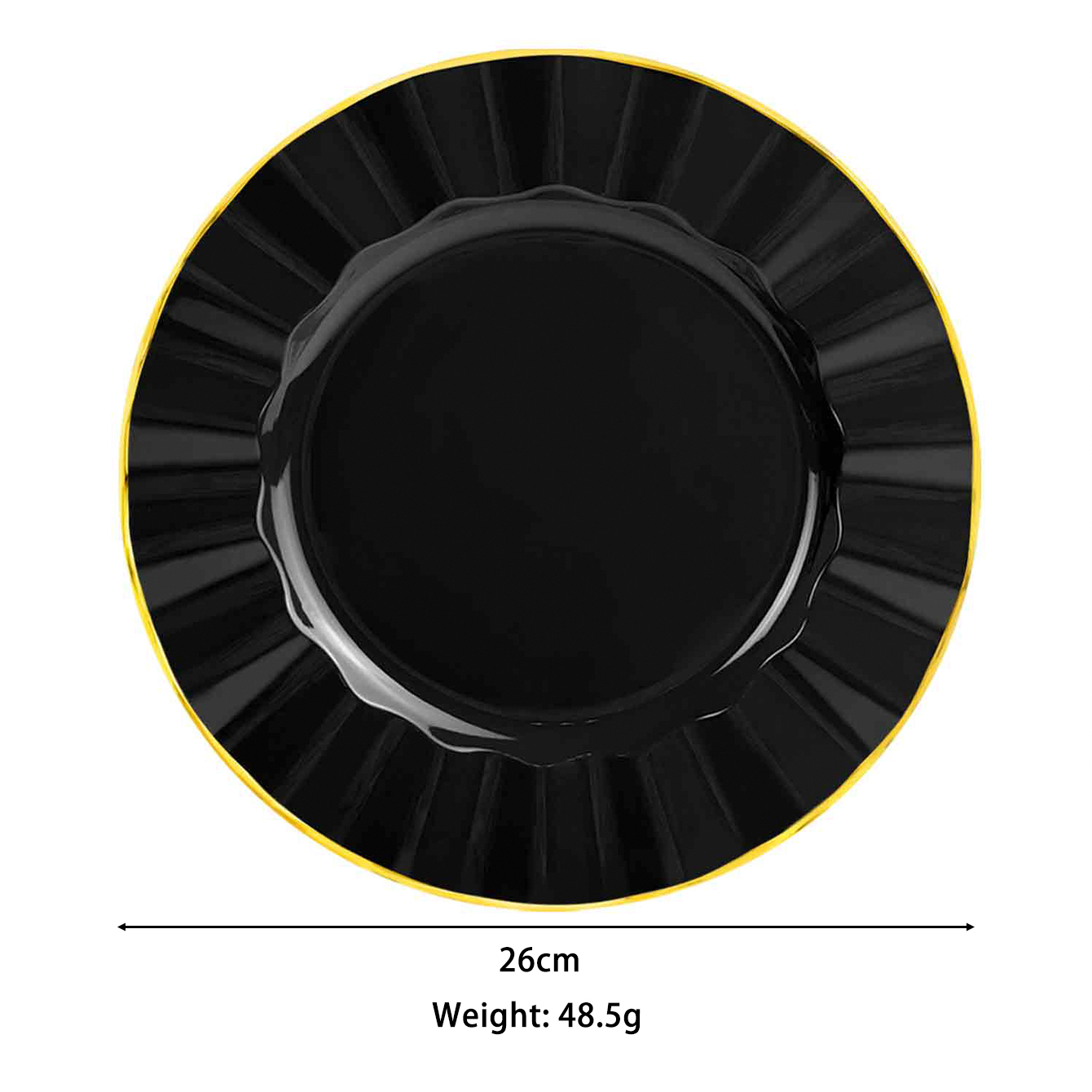
| Plate, 9 in black and gold | PS, gold-plated rim, 26 cm, 48.5 g | Opaque, high gloss, warm against film black |
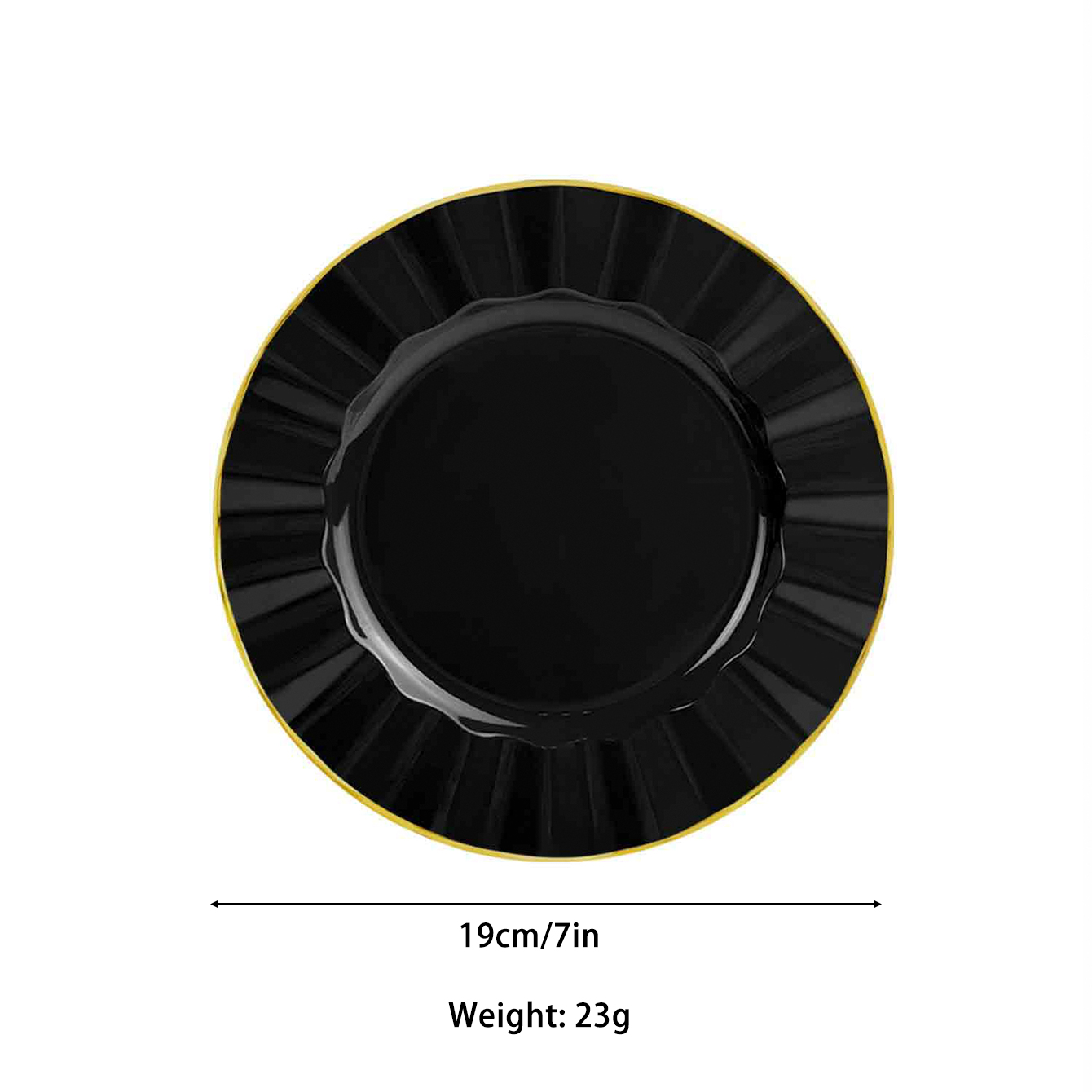
| Plate, 7 in black and gold | PS, gold-plated rim, 19 cm, 25.5 g | Same finish, smaller footprint |
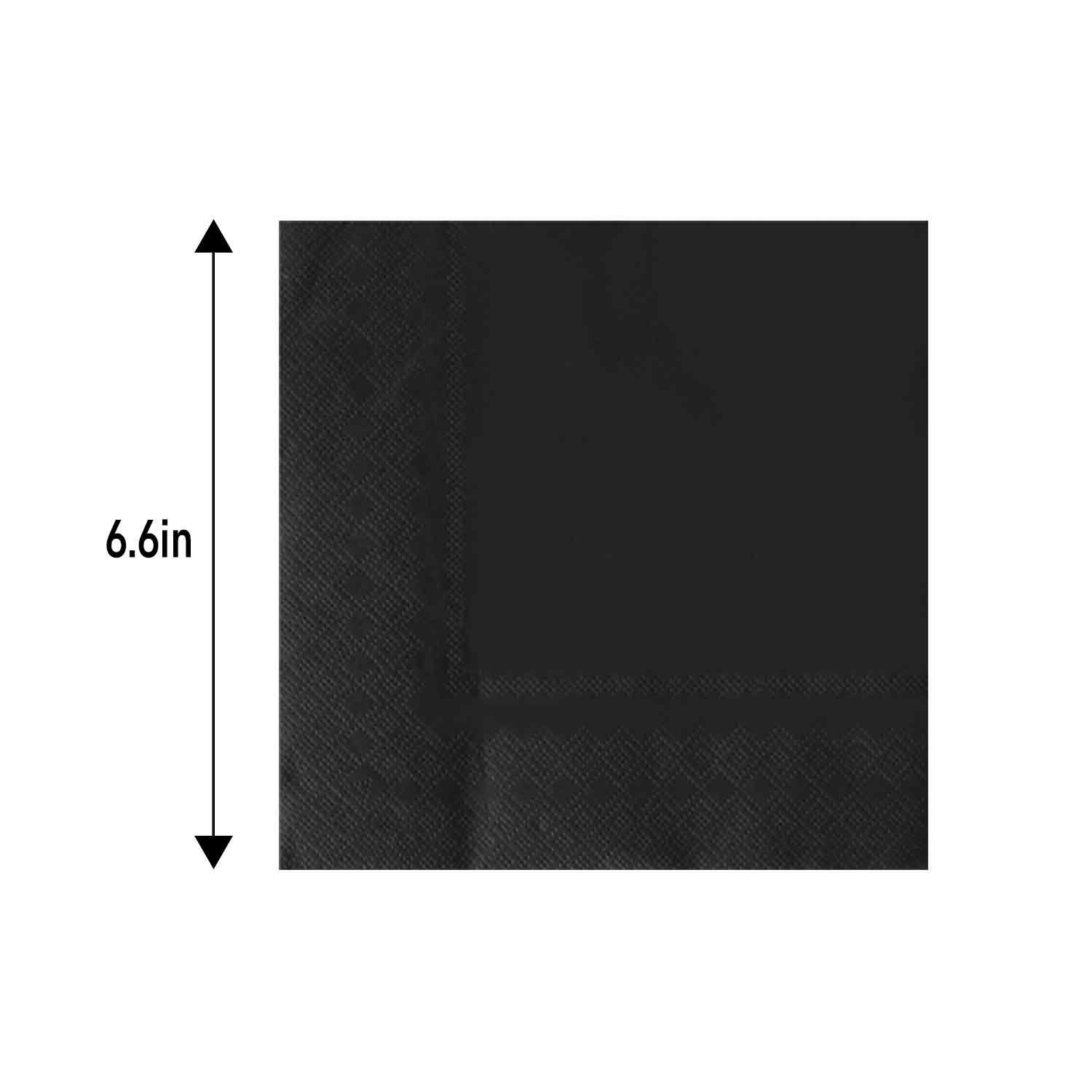
| Napkin | Paper, 13×13 in, 2-ply, 50 g | Matte, fibrous, reads a step lighter |
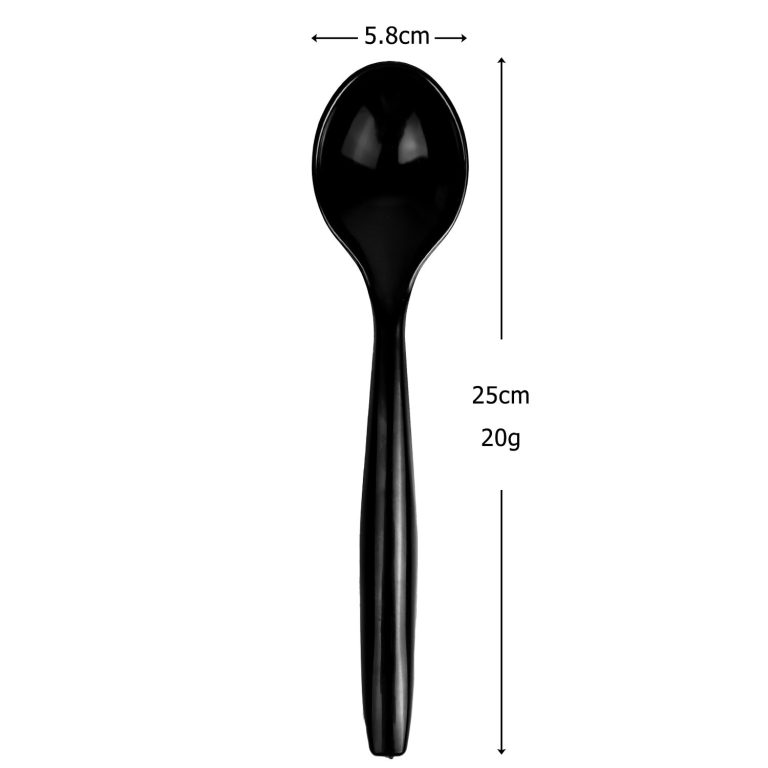
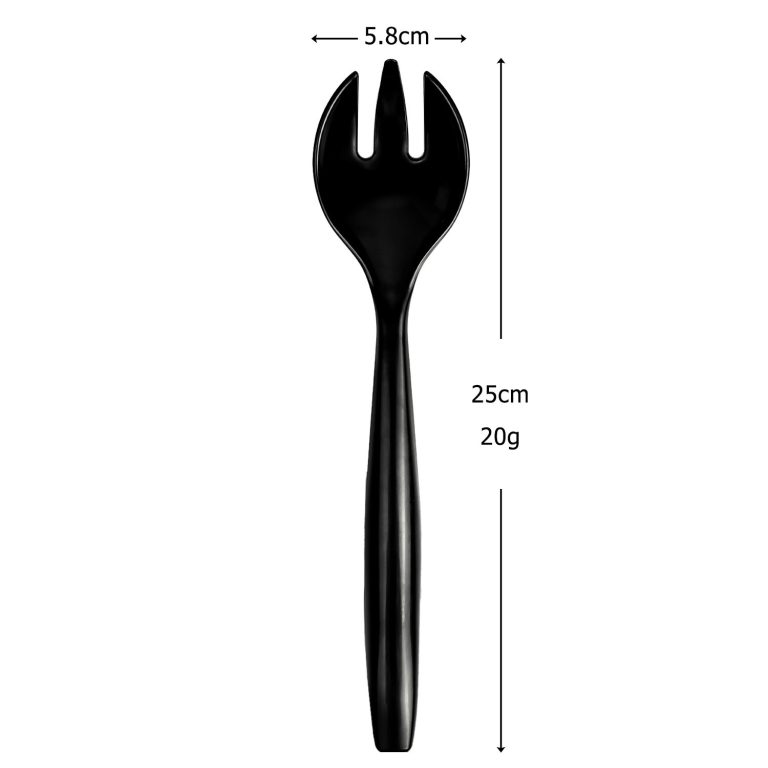
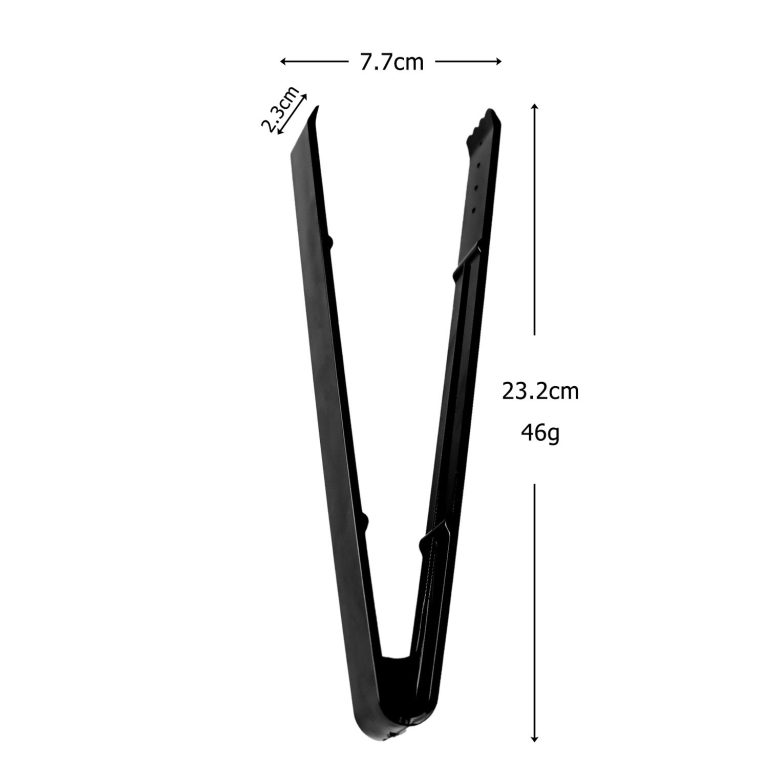
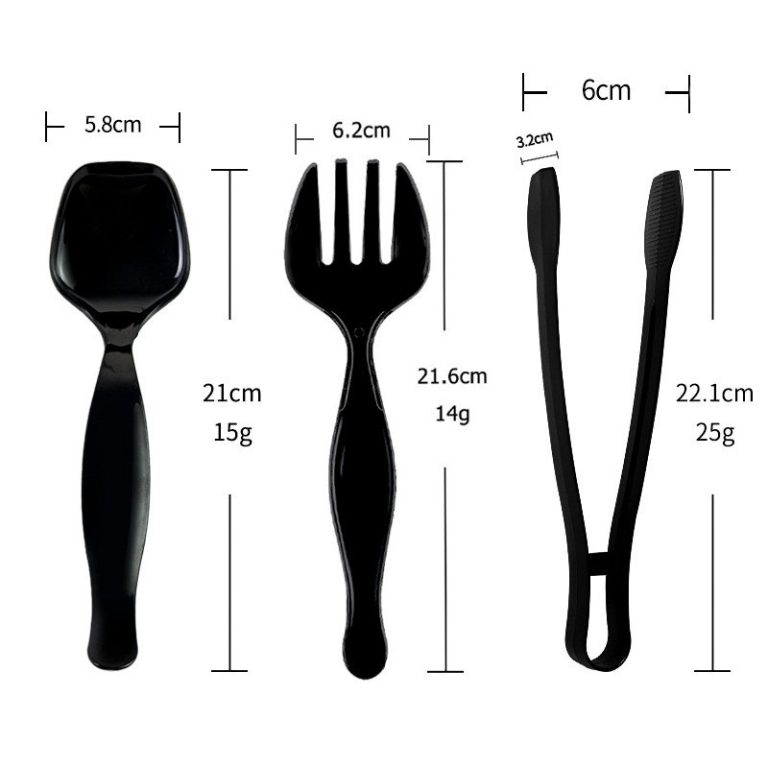
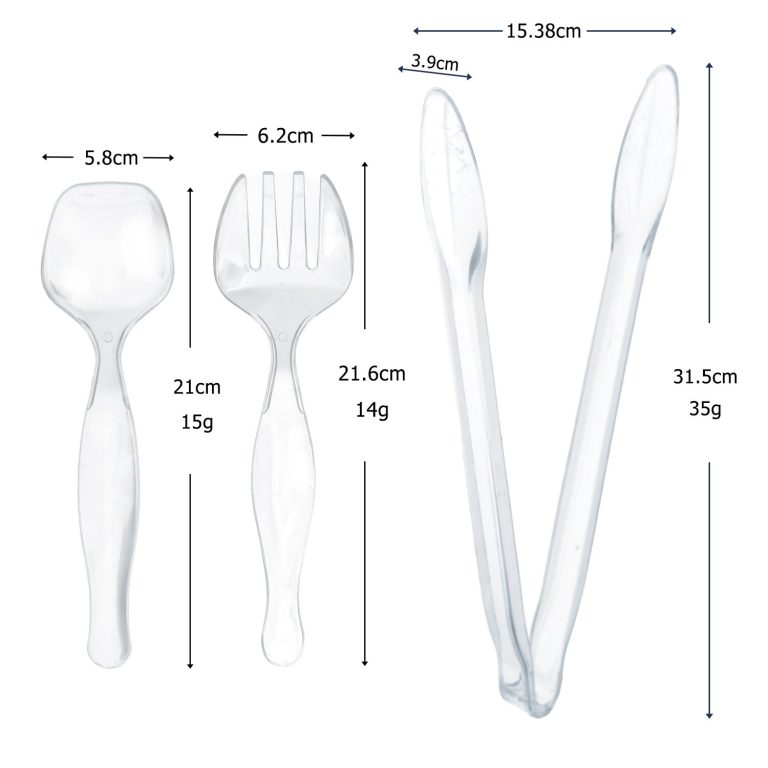
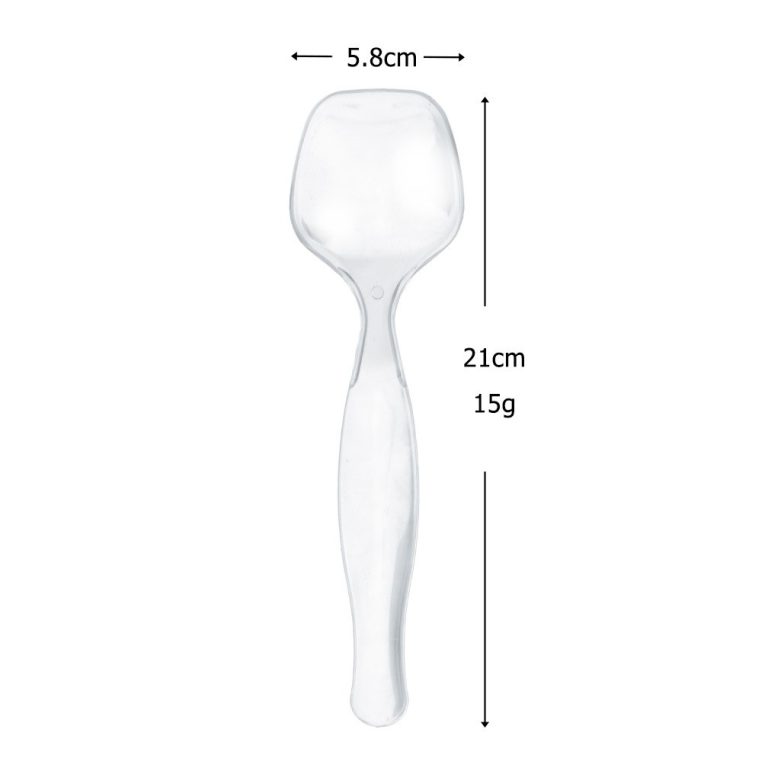
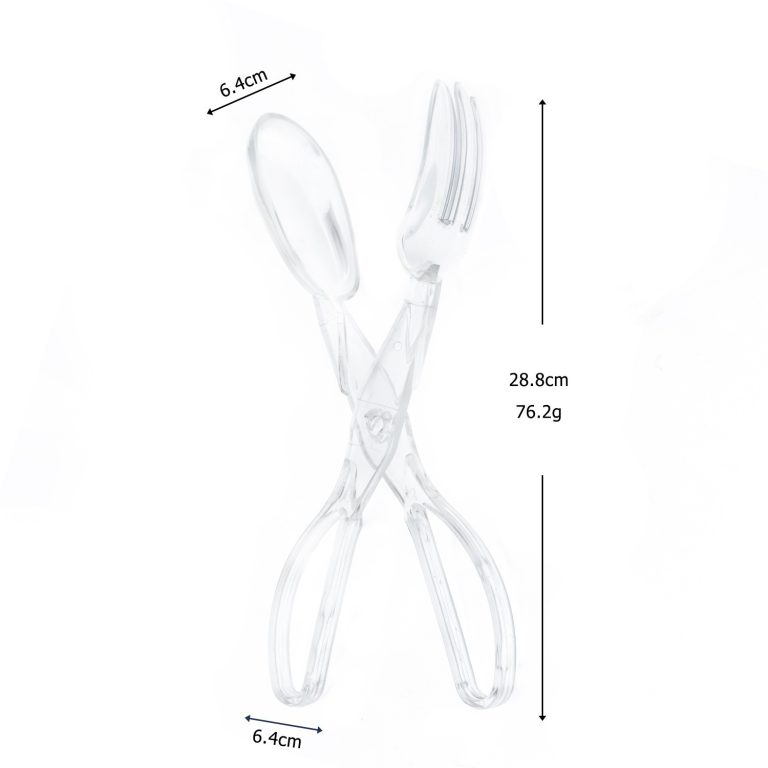
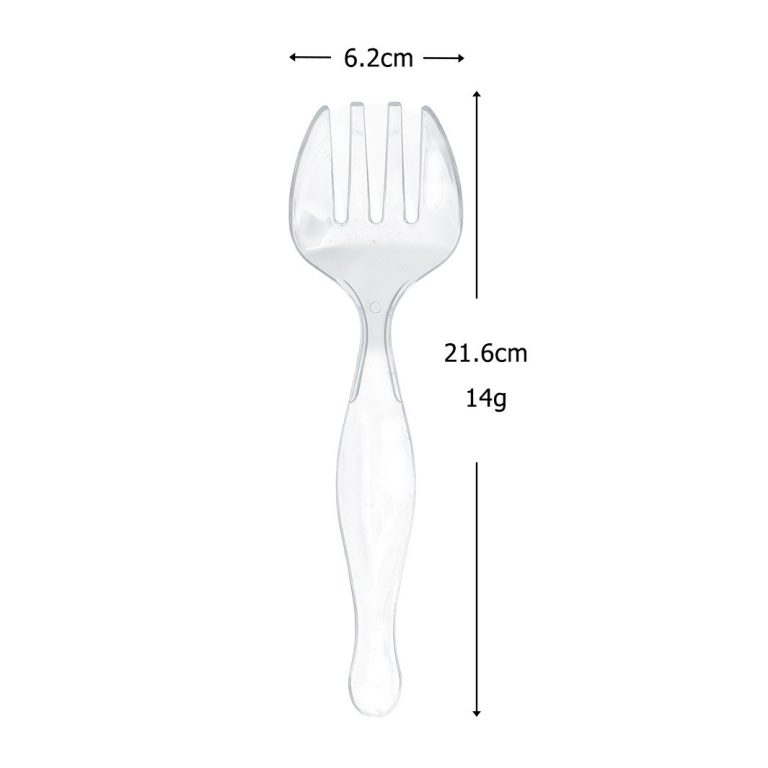
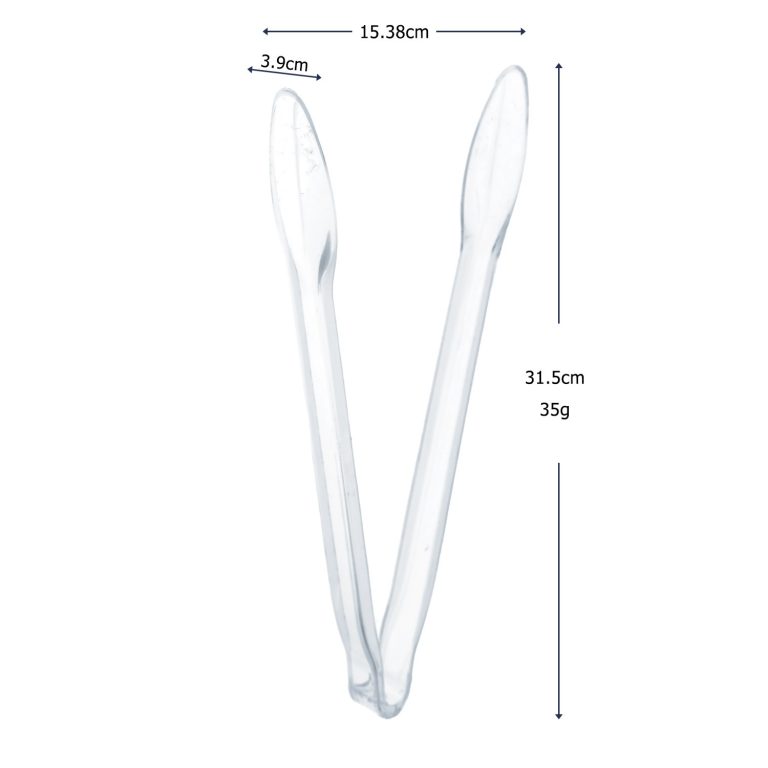
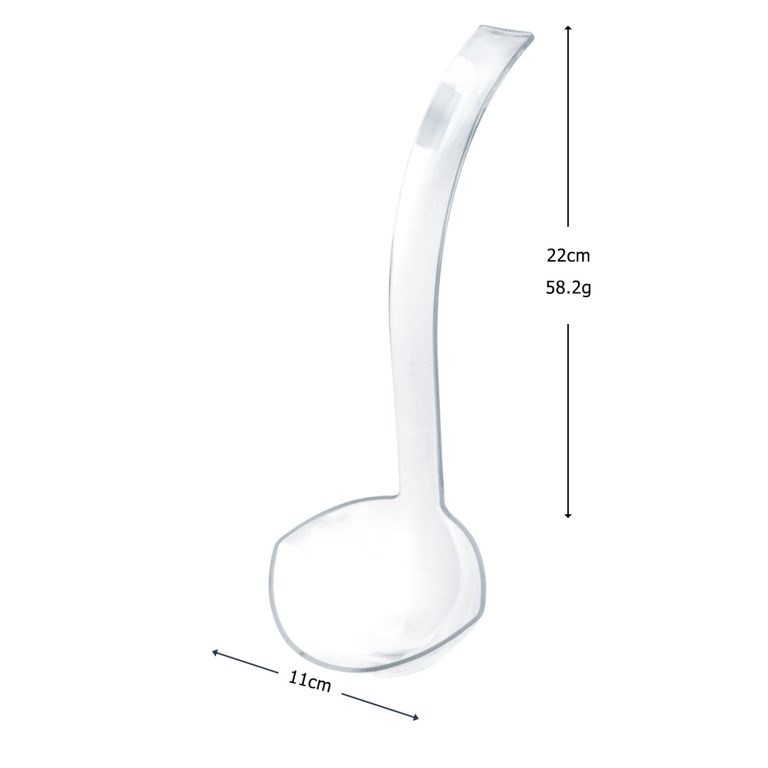
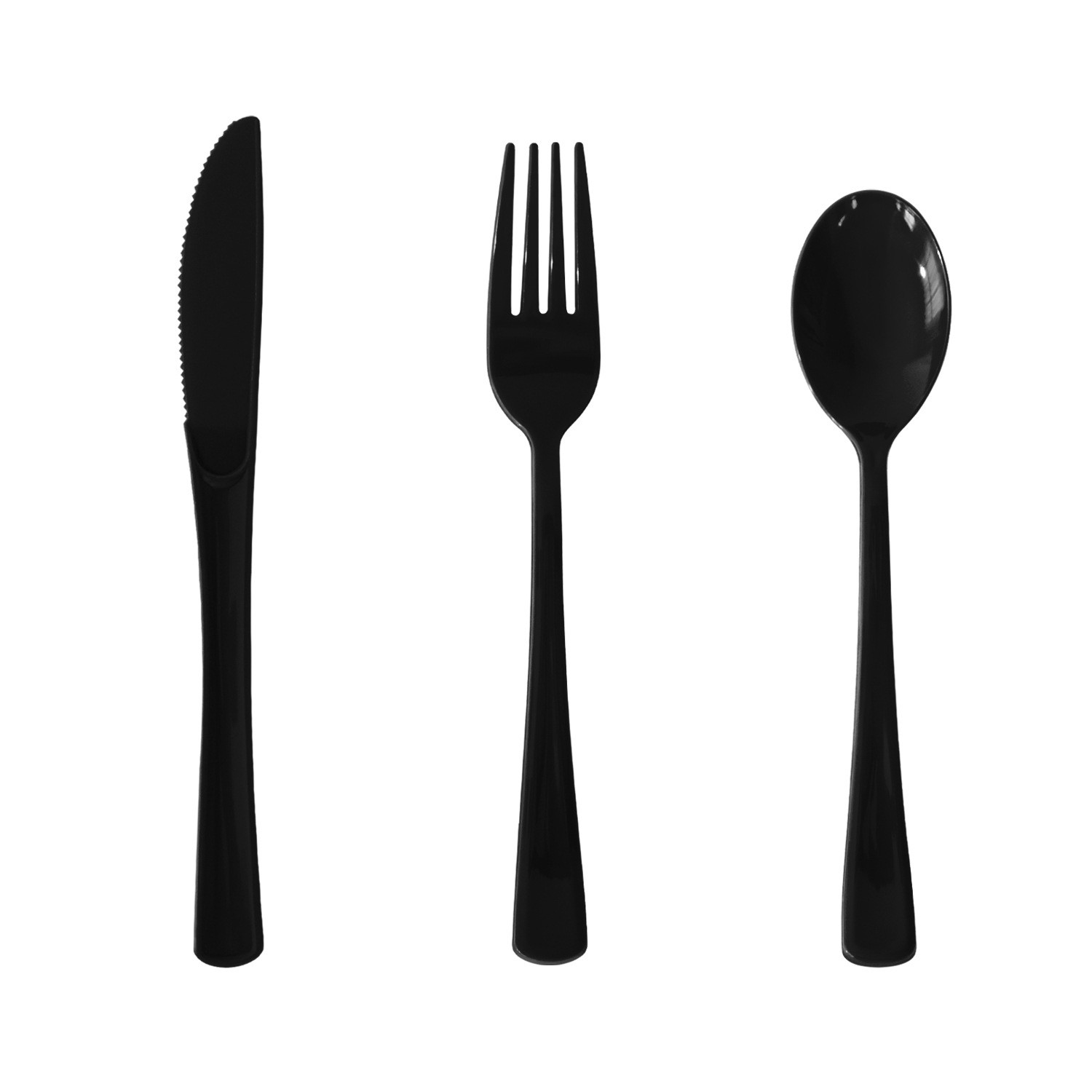
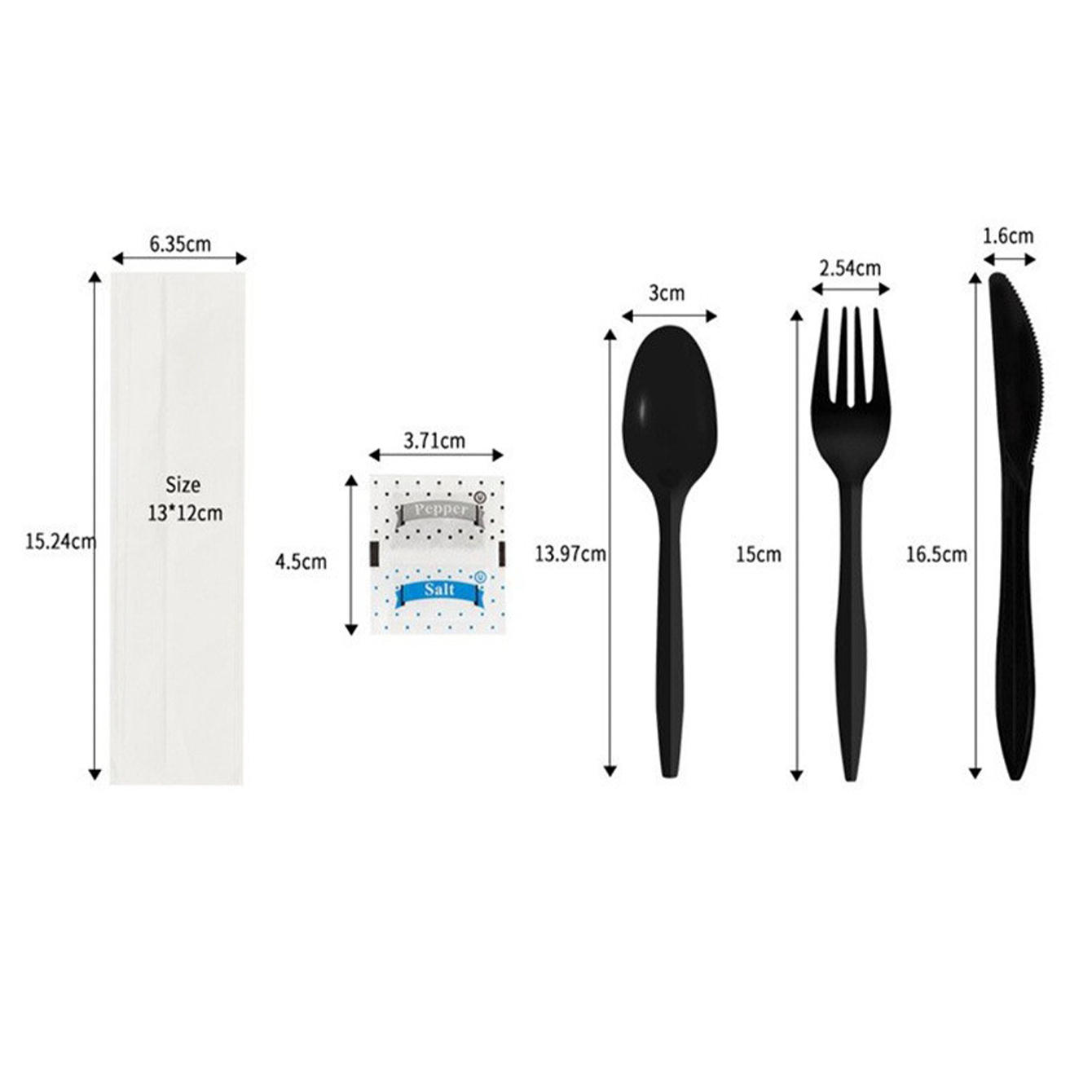
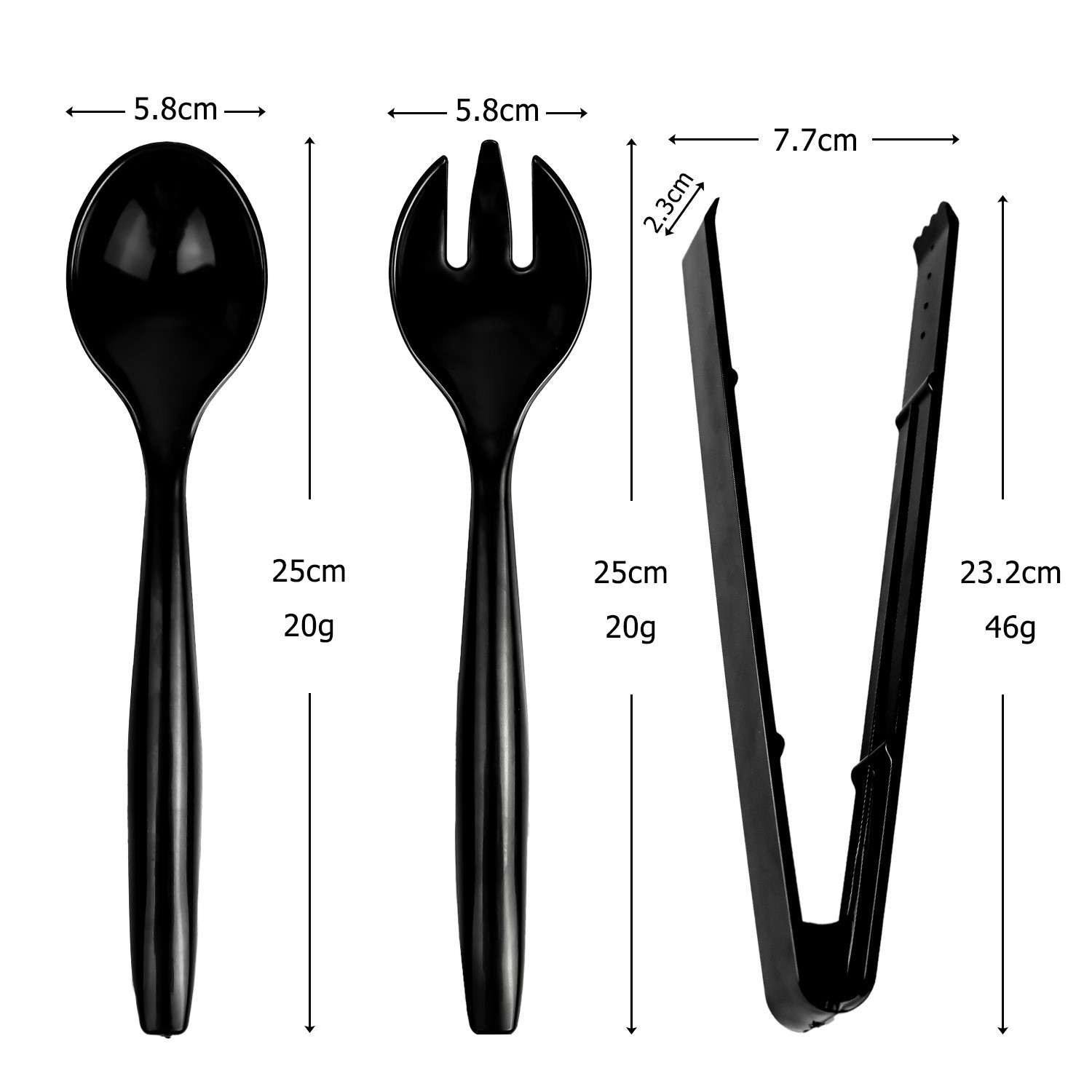
| Cutlery and serving set | PS, opaque black or black-tinted clear | Glossy and dense; the darkest item on the table |
Read down that column: six objects, four substrates, no two blacks identical. The fix is procedural. Order swatches of the cover, plate, napkin and cutlery together, put them on one table, and look at them under the light the event will actually use — tungsten, LED and daylight all shift the comparison. Then decide whether the blacks should match or step. A deliberate step, black cloth with a black-and-gold plate and black cutlery, reads as a designed table. Three unrelated blacks at three gloss levels read as a mistake, though each item meets its own spec.
Black outdoors and under uplighting
Outdoors, black adds two problems. It absorbs heat, so a black cover in direct sun gets warmer than a white one and softens sooner, and the film wrinkles over a table edge and takes a set that lasts the event. At night it also mirrors whatever light is aimed at it, so uplights at the base of a table turn every wrinkle into a highlight. Weight the hem, tape the ends rather than trusting the drape, and keep a low-sheen option for lit outdoor work. The outdoor specification guide covers wind, sun and heat.
What to put on the RFQ for a black run
Black orders go wrong on details that never appear in a product photo. Put these six lines on the enquiry and quotations become comparable:
1. Surface. Gloss or low-sheen, approved on a physical swatch rather than a screen.
2. Gauge. Film weight in g/m² or micron, plus whether the black must block light in a specific setting.
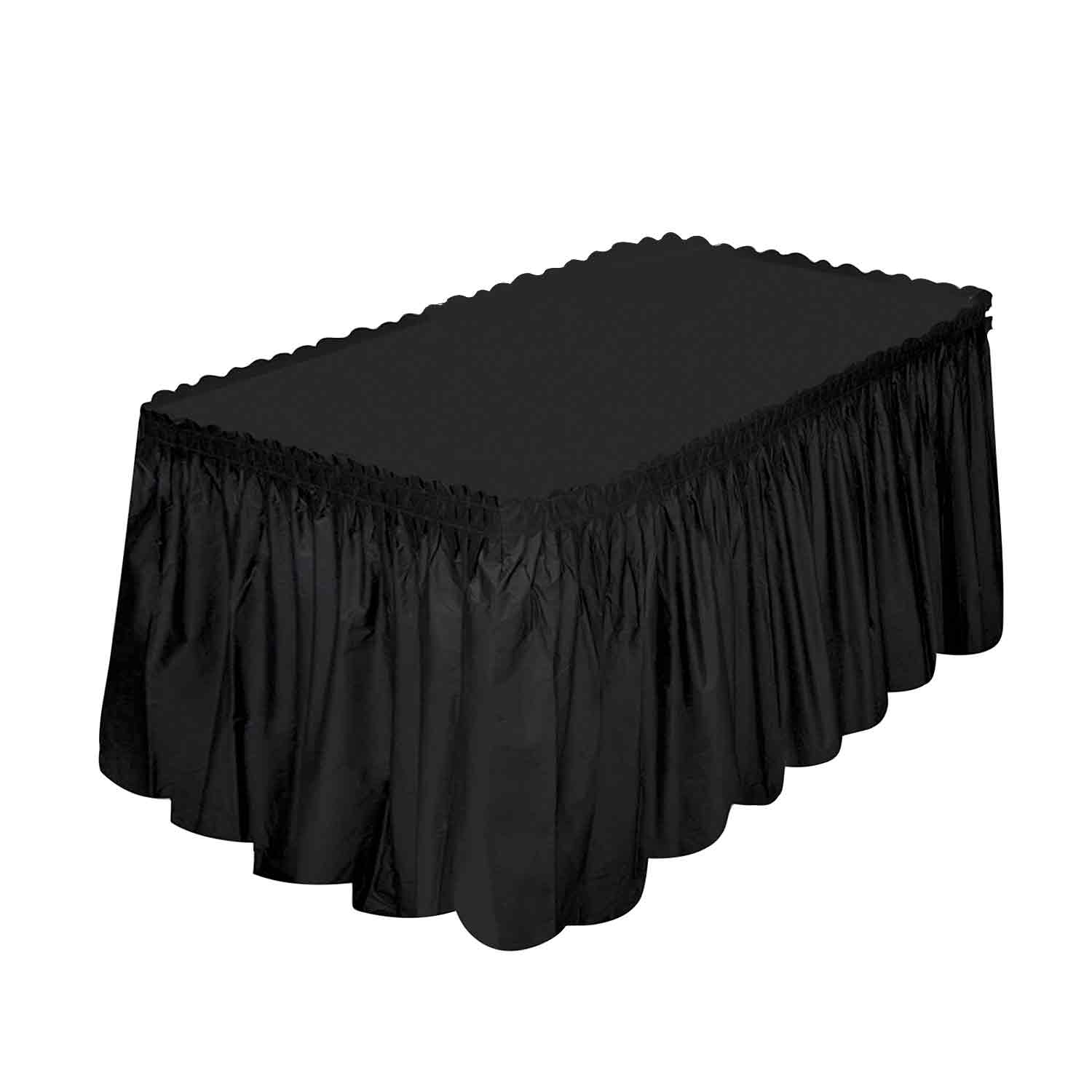
3. Size and format. 54×108 in rectangle, round from 84 in upward, or panels for a table skirt; state whether the pack is folded or rolled.
4. Print. Ink colours, where white must be laid as a base, and whether any motif is black-on-black.
5. Packing. Carton liner, tissue between layers, and quantity per carton.
6. Approval. A master sample of the actual black, kept on file for the reorder.
If the programme mixes covers and rolls, the rolls versus pre-cut comparison explains where the cut line falls, and the quotation checklist lists the other fields to compare before you weigh two suppliers on price.
Runxiang has made PEVA tablecloths, skirts, napkins and rigid PS tableware in Changzhou for over twenty years, in fifty-plus colours including black, with OEM packing and printing to your artwork. The film is a polyethylene-vinyl acetate sheet, covered in the US by 21 CFR 177.1350 and in the EU by the plastics rules summarised in EFSA’s food-contact material pages. Send the venue, the lighting and the format, and we will quote the surface and gauge to suit — see the solid colour range for the palette, or the black 54×108 cover and black round cover pages for the base specification.
Next step. Send your table sizes and lighting conditions through the contact page, or read how we quote to see what a quotation from us contains. Related reading: the complaints that come back from black and white covers.