










A complaint about a plastic tablecloth almost never starts at the end of the production line. Follow the eight conversations that come back after the first container and nearly all of them land on one line of the specification — film weight, cut edge, ink, tolerance or format. Each of the eight below is followed by the line it changes. Buyers who read them together usually cut the next season’s complaint rate without paying a cent more per piece.
1. “You can see the table through it”
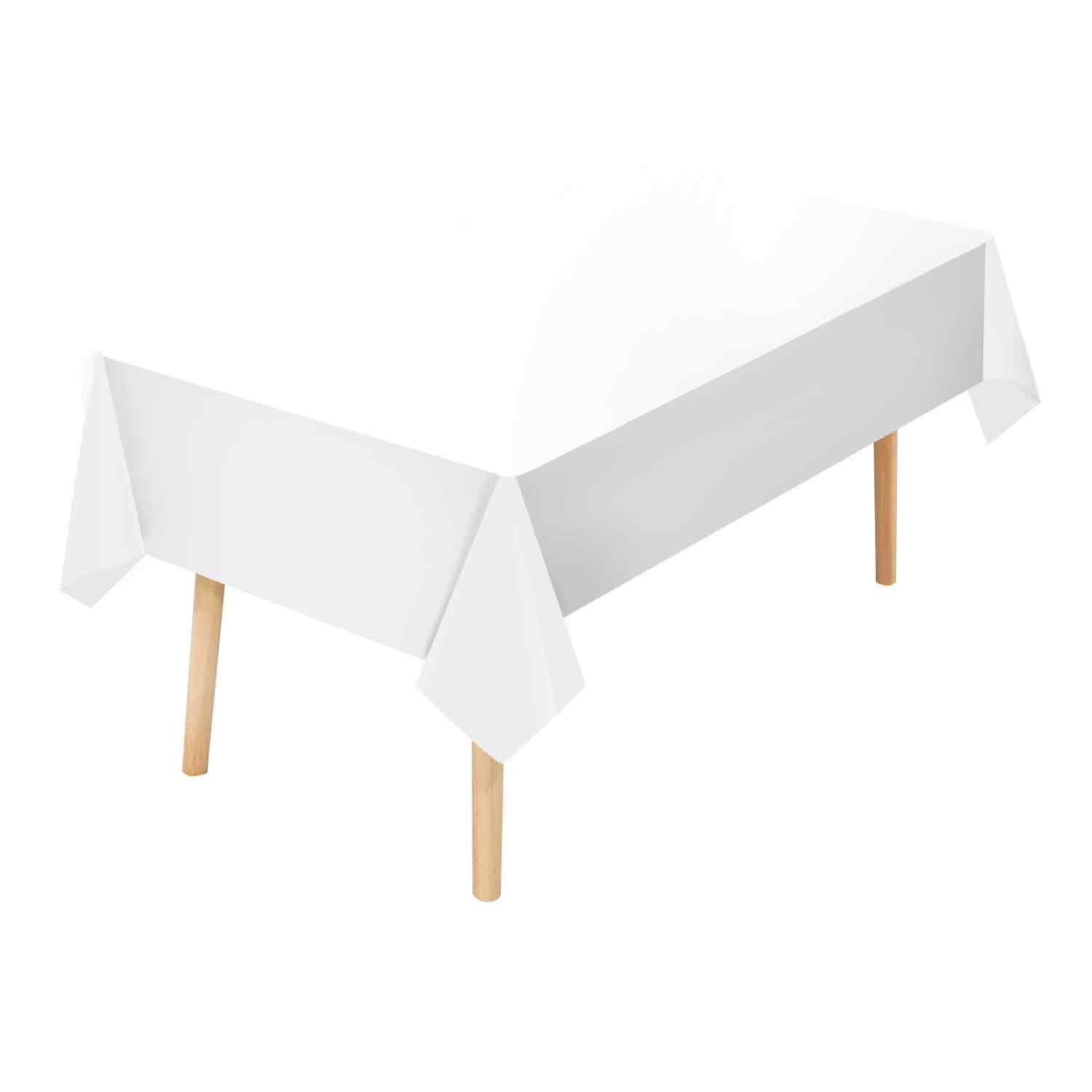
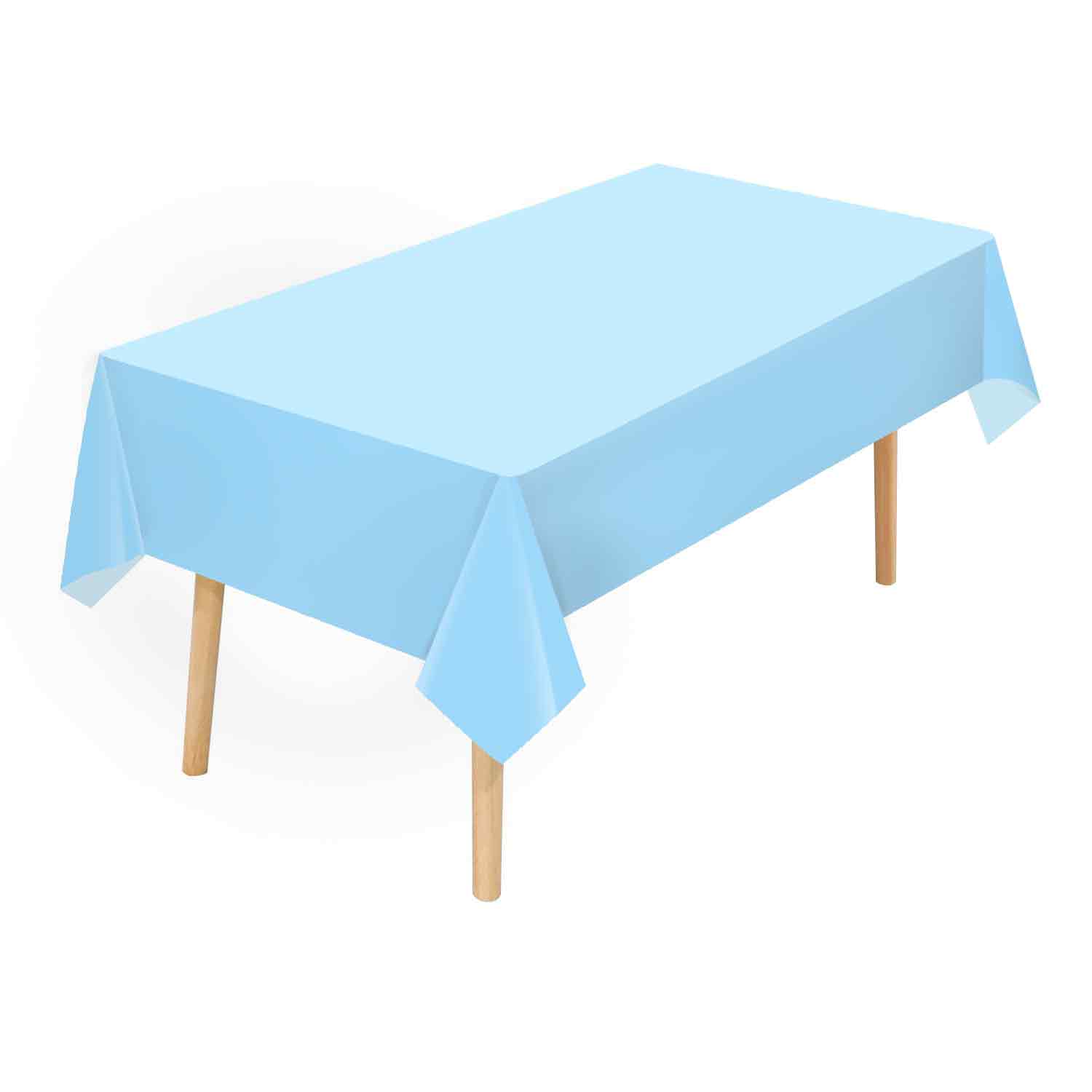
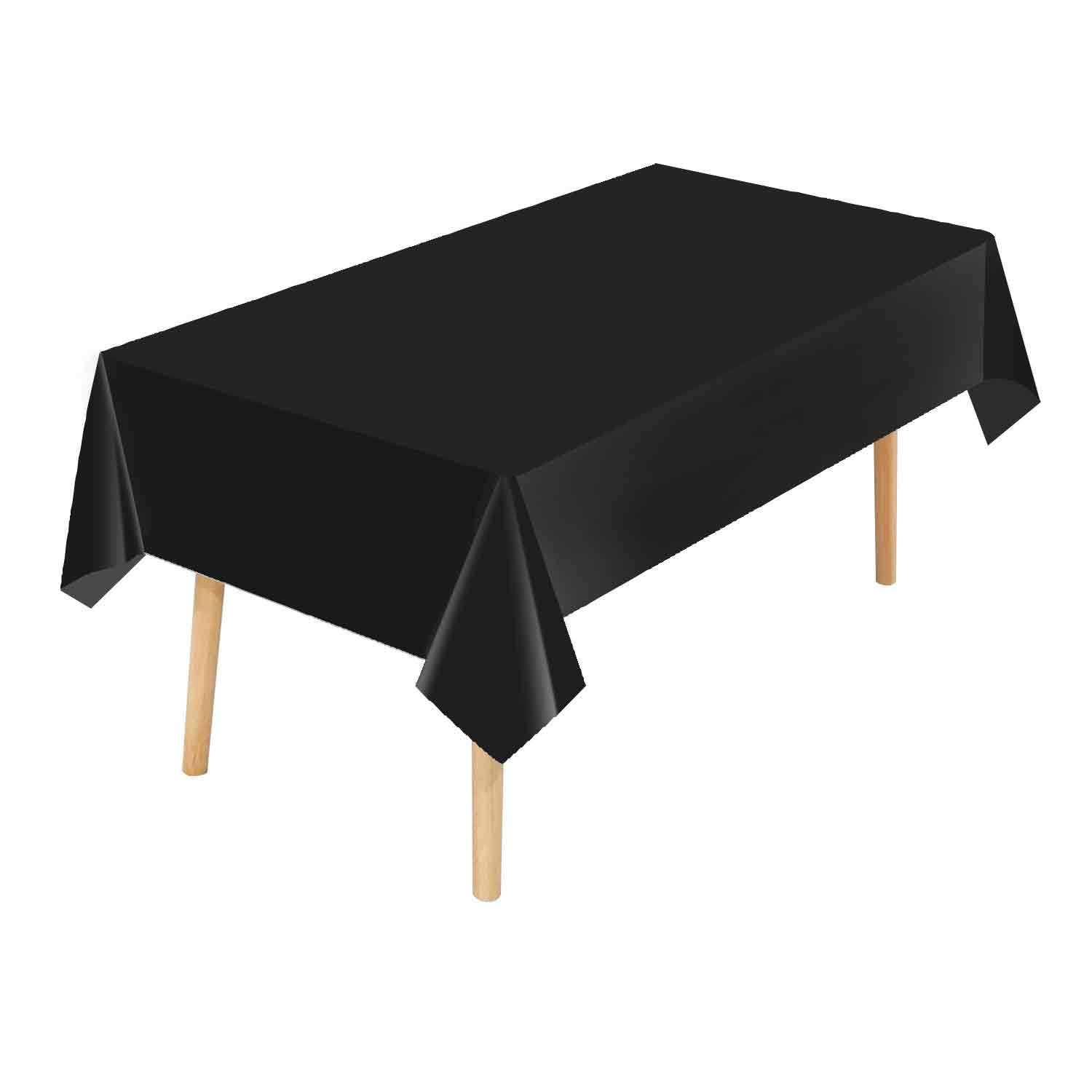
Opacity is a function of film weight and colour, not of price. Our standard PEVA film runs at 25 g/m²; in white, black or a deep colour that weight reads solid under warm indoor light, while pale shades of the same weight are simply more transparent. The fix is to specify grams per square metre rather than a vague “thick” or a single thickness figure, and to check the sample the way the end customer will: hold the cover against a dark table, at arm’s length, in daylight and again under warm light. Haze and light transmission are measurable properties, described in the ASTM D1003 haze test method, so a supplier should be able to talk about them in numbers. Thickness in mil, micron and GSM is decoded in our thickness guide.
2. “It tore when we pulled it over the table”
Tears rarely start in the middle of a cover. They start at a cut edge that was not clean, or along a crease where film has been folded since the factory. Two levers fix this. The first is the cut: a straight, clean edge resists a pull far better than a ragged one, which is one reason high-volume venues prefer rolls cut to length on site over sheets folded into a carton. The second is handling: covers should be lifted and laid, not dragged across a table edge. Tensile behaviour of thin sheeting is a standardised measurement — ASTM D882 — so if your venue mix is rough on covers, ask for a heavier film and a cleaner cut rather than for a thicker-looking photo.
3. “The carton smells when we open it”
Odour in the carton is a packing and timing issue rather than a material defect: printed film that is wound and boxed before the ink system has settled keeps solvent in the reel. It is most common on large print coverage and on orders packed in a hurry before a holiday. The fix is a spec line: printed film must be aired before packing, or the order splits between plain film for volume and printed film for feature tables. If a market requires food-contact documentation, the same order should carry the papers up front rather than after the complaint.
4. “This is not the colour we approved”
Two causes, and they need different answers. Batch drift is a production reality on any pigment, and it is most visible on deep reds, burgundies and dark greens. Lighting is the second: a cover approved on a phone screen in an office looks different on a table under warm hospitality light. Fix both with one routine — a physical swatch card signed and kept with the purchase file, and a printed proof approved against that swatch before the run. After that, a batch may vary slightly; it should never vary from the agreed reference. Custom print runs, including plate and proof stages, are covered in our printed tablecloth guide.
5. “It slips off the table”
Slipping is a geometry problem before it is a material problem. A cover with too little overhang has nothing to grip; on polished or glass tables even a generous drop moves under a heavy plate. The fix is a bigger drop and, where tables are reset many times a day, a fitted or elastic-edged cover instead of a flat sheet. The size chart lists the sheet sizes that give a normal drop on round, square and rectangular tables; choosing the next size up is usually cheaper than a heavier film.
6. “The folds don’t fall out”
Factory folds are a packing decision, not a fault. Sheets pressed flat for months in a carton keep their creases for the first service, which is exactly the service the customer sees. Venues with visible tables do better on rolls: film is cut to length, laid once, and has no factory fold to lose. Where pre-cut sheets are the right format — retail packs, small cafés, mixed sizes — ask for a soft fold pattern and for the sheets to be packed loose rather than compressed. The trade-off between the two formats is set out in rolls versus pre-cut covers.
7. “The print rubs onto hands and cloths”
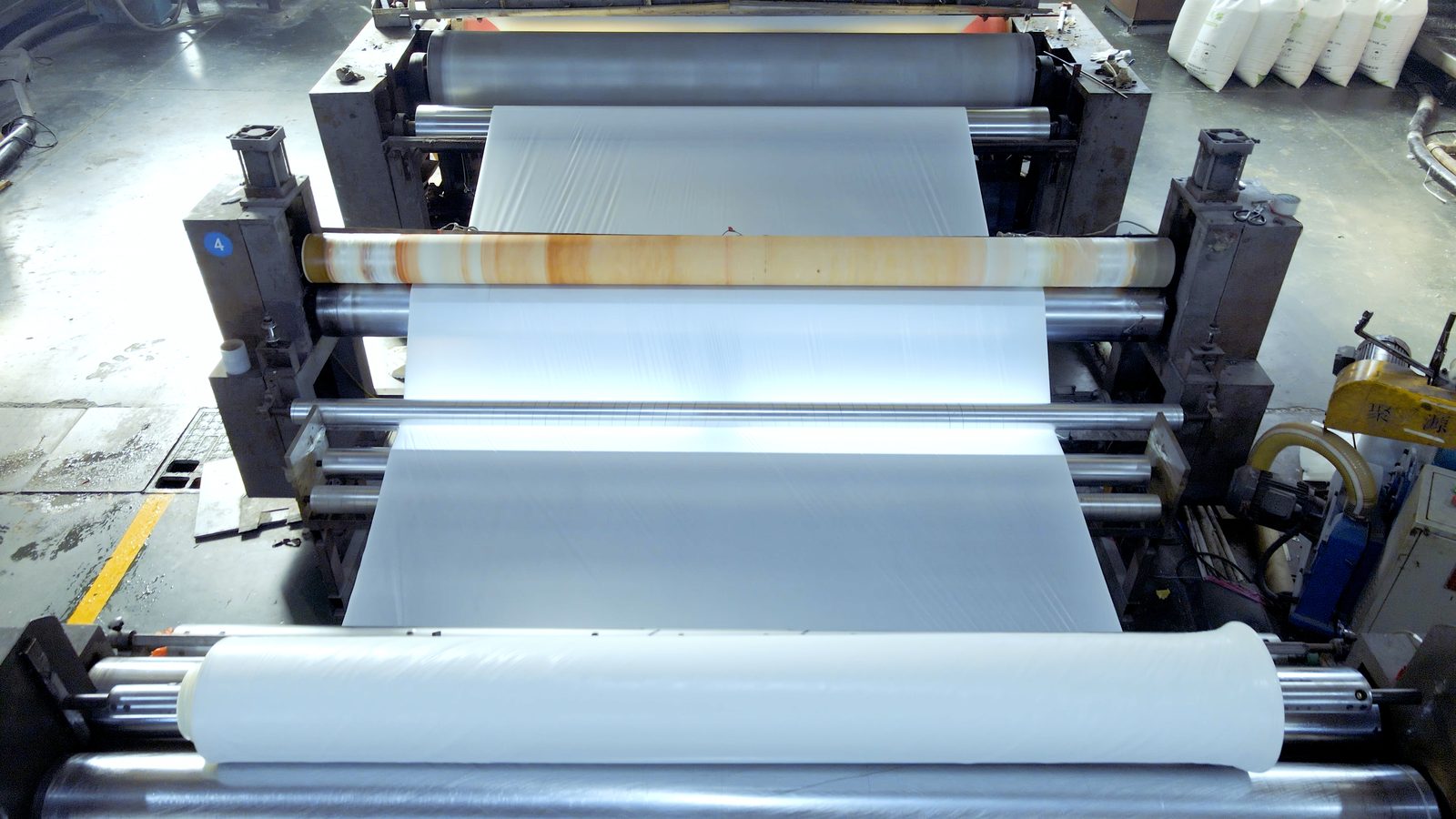
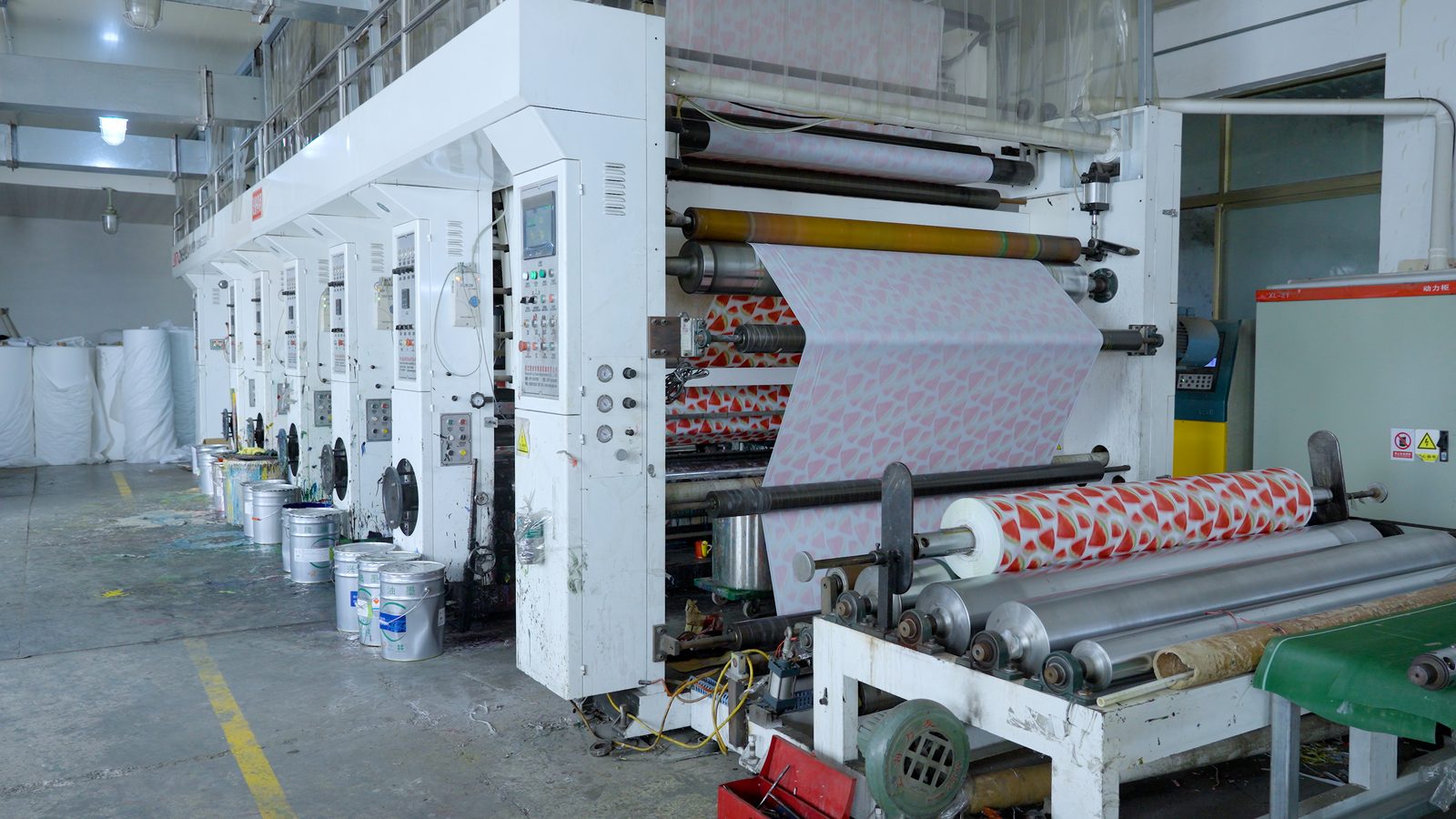
Ink transfer shows up as colour on a waiter’s hands or on a napkin pressed against a printed border. It comes from ink adhesion, and it is testable in the sample round: press a strip of clear tape onto the print, peel it back, and look at how much colour comes with it. If a print is going to be wiped, stacked or used with food nearby, specify the ink system and a varnish that suits it, and check the result on the actual film rather than on a paper proof. Print quality is audited on the reel during production, which is the cheapest place to catch it.
8. “Some covers are short, or not square”
Cut tolerance is the quietest complaint of the eight, and the most expensive, because a cover that is 3 cm short cannot be sold at all. Ask for the tolerance in millimetres and for it to be written into the quotation, not implied. Rolls avoid sheet tolerance entirely — the venue cuts what it needs — and pre-cut sheets should be specified with a stated size and a stated range. Our line-by-line quotation checklist shows where that line belongs, alongside material, gram weight and carton configuration.
Turning Complaints Into a Specification
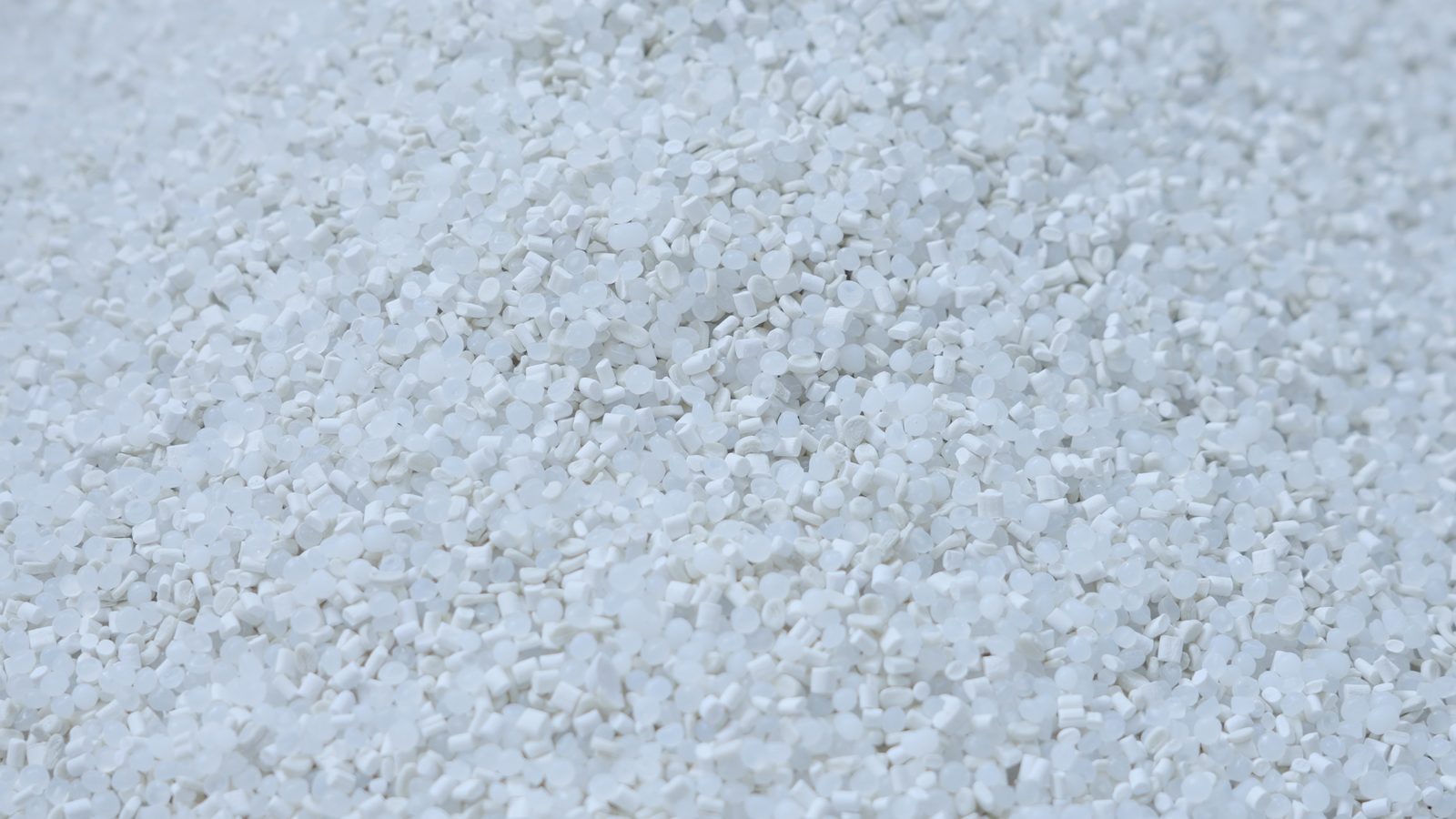
Eight complaints are manageable if they are treated as data rather than as incidents. Keep a simple log: which carton, which lot, which table, which failure. After two or three seasons a pattern appears — a venue with polished tables that needs a bigger drop, a colour that keeps drifting, a print that keeps transferring — and each pattern converts into one line added to the next purchase order. The sample round is where that work is cheapest. Hang the sample on the actual table, in the venue’s light, and test the four things a complaint describes: opacity over a dark surface, tear at the cut edge, slip under a loaded plate, and ink transfer with a tape lift.
The result is a specification that reads like a short list of numbers instead of a description, which is also the version a supplier can quote against without guessing. Material choice comes first: PEVA, PE and PVC behave differently on opacity, drape and print, and the differences are set out in our material comparison. Format comes second: flat sheets for retail, rolls for halls and buffet lines, and the full disposable PEVA tablecloth range for standard 137 × 274 cm and 84 in round covers.
Why Buyers Bring These Questions to One Supplier
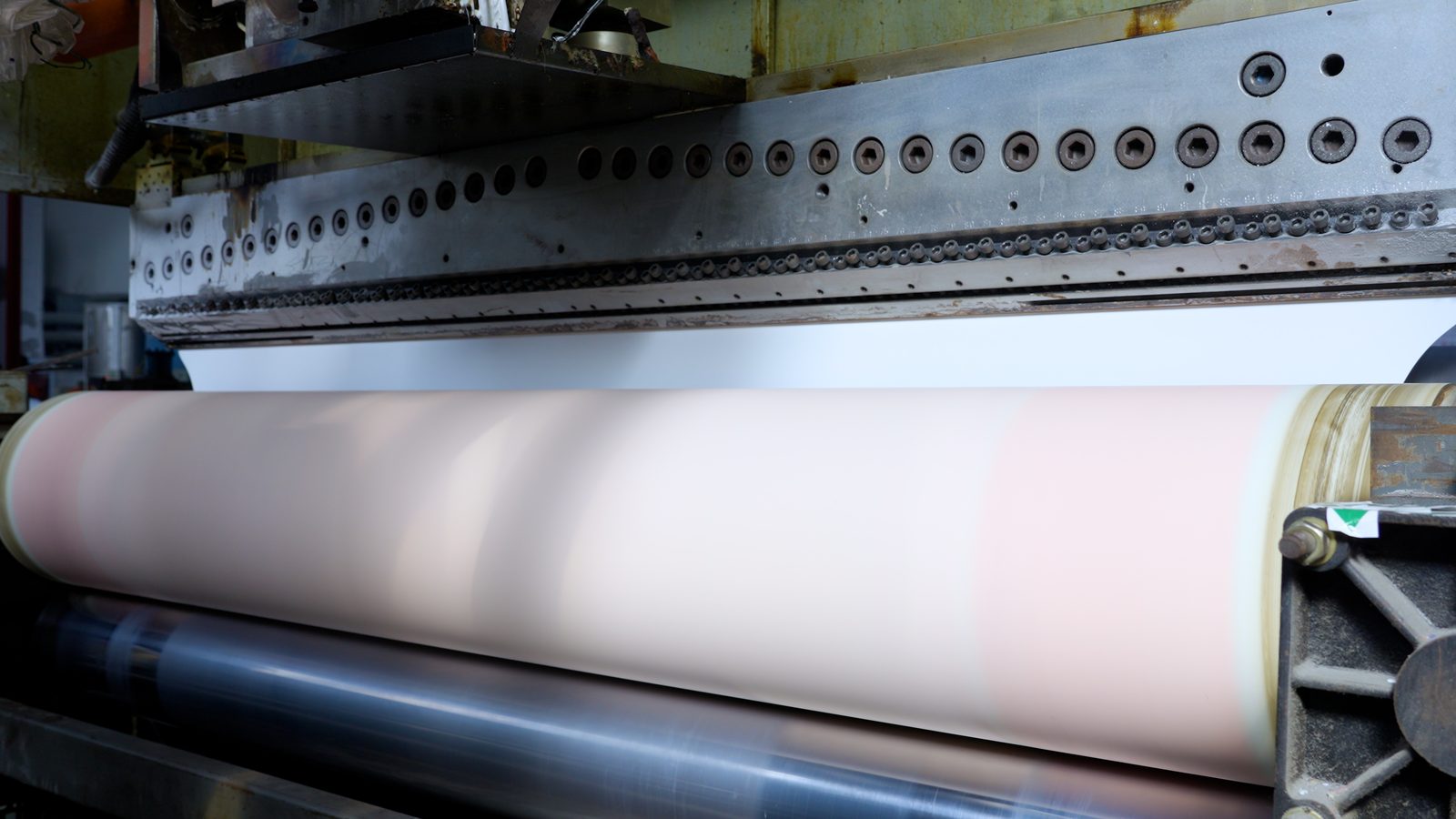
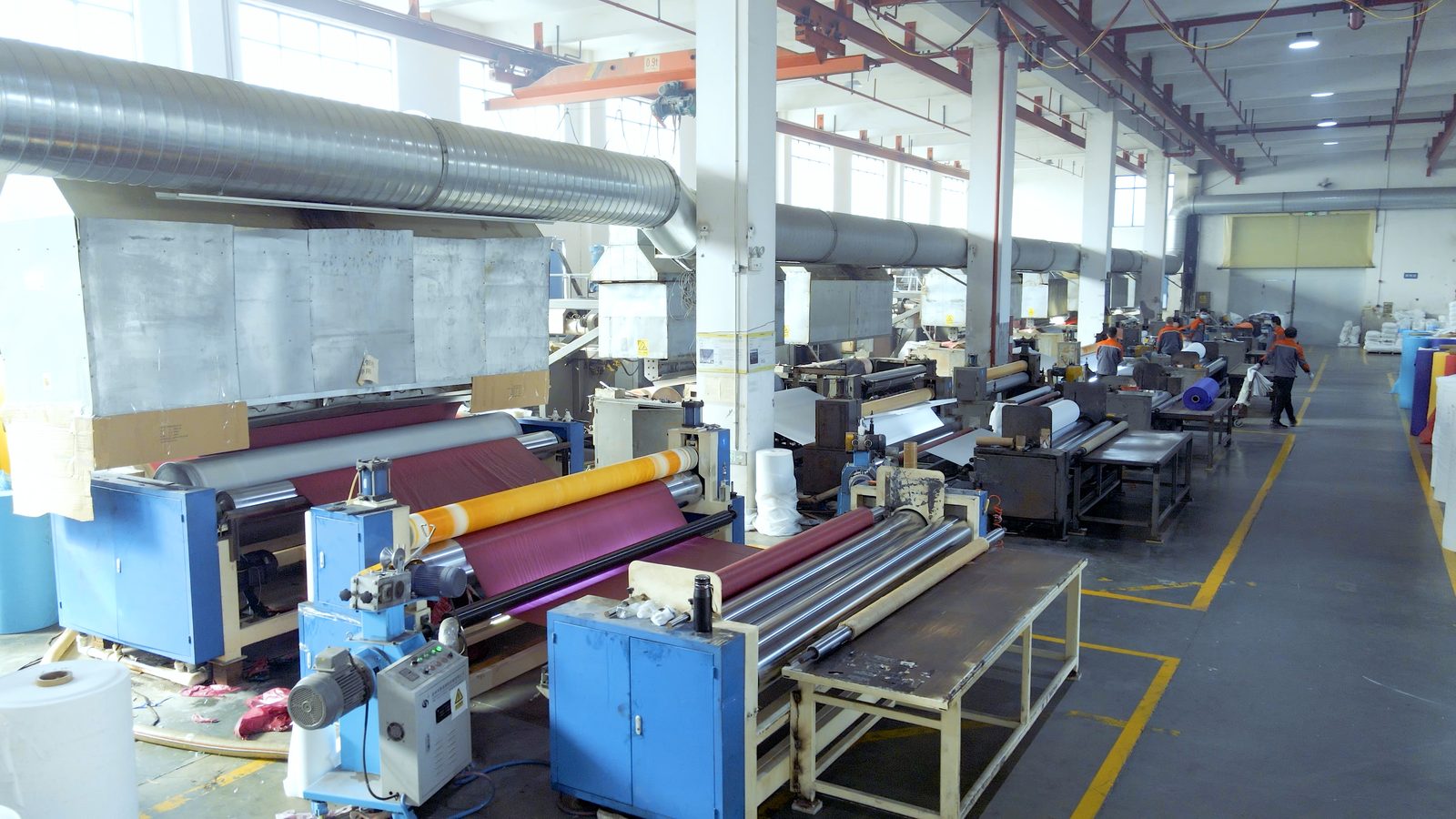
Runxiang has produced tablecloths, tablecloth rolls and disposable tableware for more than twenty years, with 30-plus machines across PP, PS, PET and PEVA lines, producing up to 160,000 pieces a day and PEVA film from extrusion and printing through to cutting and packing under one roof. That vertical route matters for exactly the complaints above: film weight, cut edges, ink and packing are decided in one building, so a change agreed with your account manager is a change on the line. Every quotation states the resin grade, gram weight per piece and packing configuration, and samples ship with the food-contact documents your market requires. OEM and ODM programmes are supported from artwork to carton marking.
Send us the complaint you keep hearing and the table it happens on, and we will come back with the film weight, cut format and packing that remove it — plus a sampling plan. Email simon@runxiangplastic.com, call or WhatsApp +86 186 1718 1658, or use the contact form — we reply with a quotation and a sampling plan within one working day.
Sources: Intertek — ASTM D1003 haze and luminous transmittance testing; TRL — ASTM D882 tensile testing of thin plastic sheeting.