










The first custom printed tablecloth order rarely fails in production. It fails earlier, in prepress: three rounds of artwork, one colour that looked right as a PDF and muddy on film, and a plate fee nobody budgeted for. Buyers moving from plain colour rolls into private-label seasonal prints run into the same three surprises, and all of them can be handled before a design is approved.
The move is worth making. Mordor Intelligence sizes the United States disposable tableware market at USD 7.58 billion in 2026, growing at a 3.82% CAGR to USD 9.14 billion by 2031, and Research and Markets expects the global category to pass USD 41 billion on its current trajectory. Retailers and party distributors are capturing that growth with exclusive prints rather than commodity white covers, which puts tooling, artwork and colour approval in your sourcing scope, not just the price per piece.
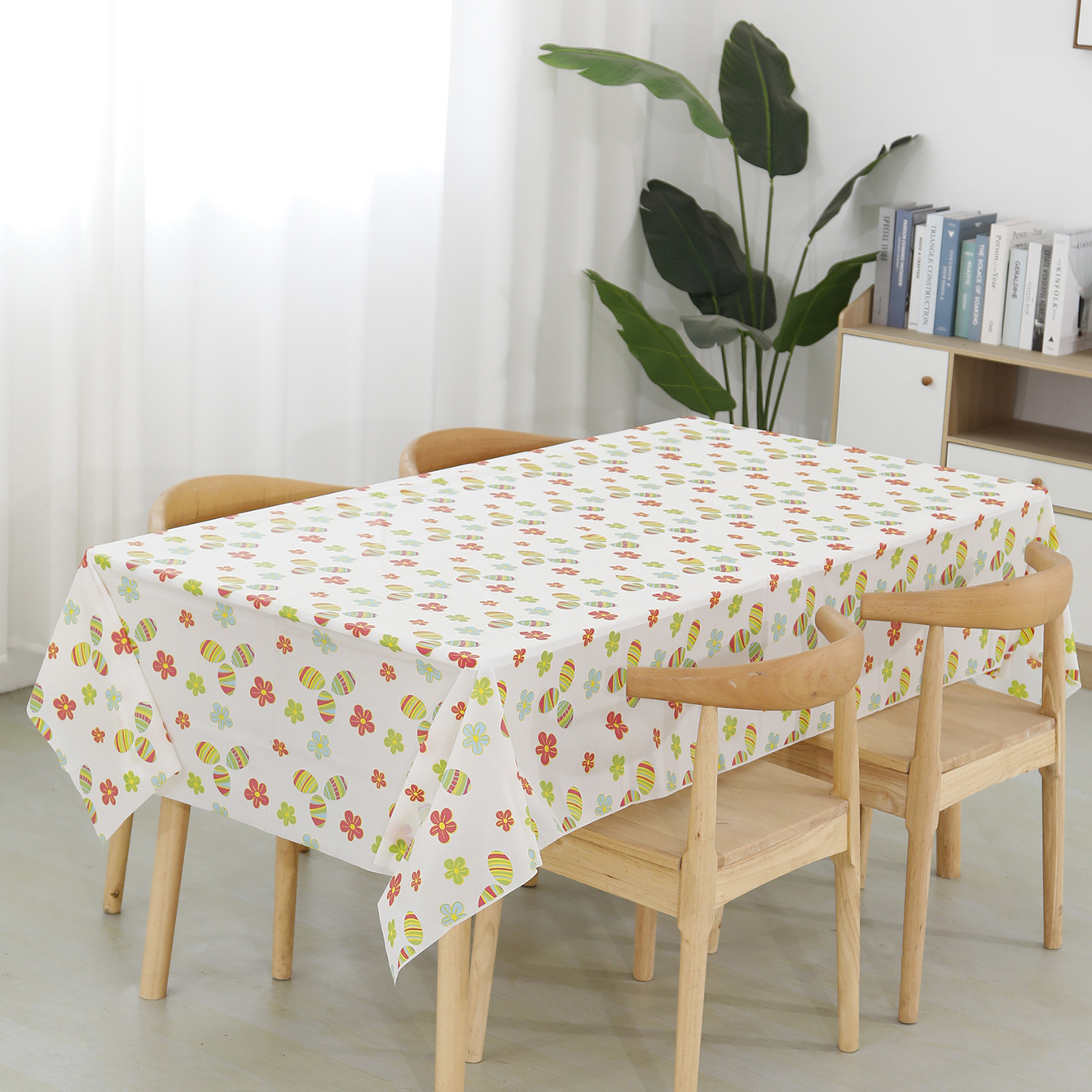
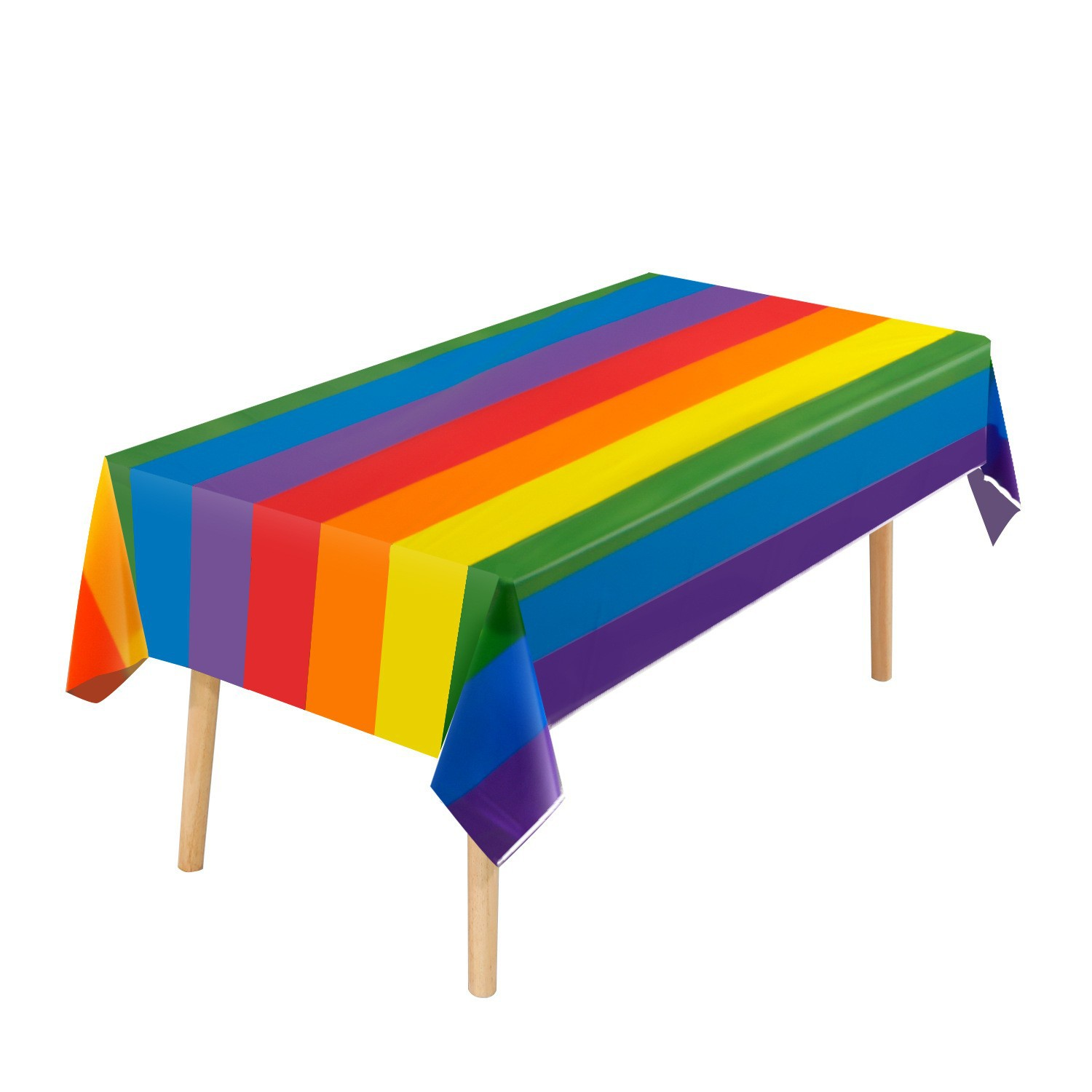
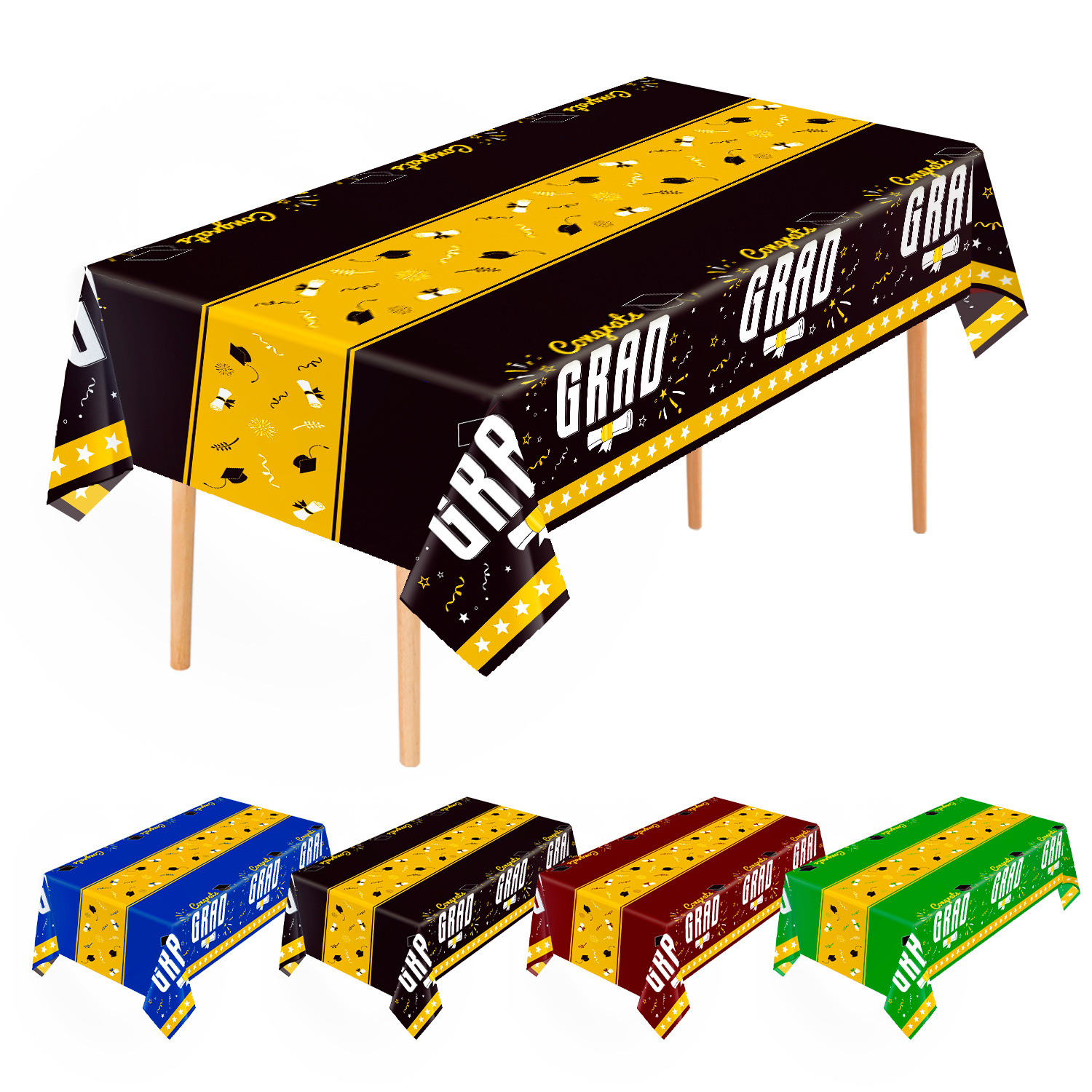
What the plate fee or cylinder charge actually pays for
Tablecloth film is not printed digitally. Every design is printed from a physical plate or engraved cylinder, one per colour, which is why tooling appears as its own line on the quotation. It is not a markup; it is the cost of making the tool that carries your design.
The useful way to think about it is amortisation. In gravure printing a cylinder is a capital asset whose service life is measured in millions of impressions per colour station, commonly put at roughly 10–15 million with proper maintenance (see PackPrintMatrix’s rotogravure cylinder cost breakdown). Custom flexible-packaging cylinders are typically quoted between about USD 12,000 and USD 38,000 depending on size, engraving detail, plating and compliance testing. Tablecloth plates are narrower, shorter-run and much cheaper, but the cost drivers are identical: how many colours, how big the tool, how detailed the engraving, and whether migration testing is required.
So the question is never only “what is the plate fee?” It is: per colour or per design? Do colour variants of one layout reuse the same tooling? Is the fee credited against repeat orders, and who owns the plates? Who stores them between seasons? Change one answer and the two-year cost of a print programme moves by thousands of dollars.
Artwork that clears prepress in one round
Most delays come from files that were never printable, not from uncooperative printers. Five checks remove almost all of them.
- Repeat and tiling. Film prints in a repeating length, so a design has to tile seamlessly. Confetti, drops and floral scatter must wrap correctly at the repeat edge. Ask for the repeat length and print width before you draw anything.
- Separations and format. Supply vector AI, EPS or PDF with fonts outlined and spot colours separated. A CMYK-only file forces the printer to guess your colours. Rasters should be at final print size, 300 dpi minimum.
- Cut, bleed and safe area. Cloths are trimmed to size, for example 54 x 108 in rectangles or 84 in rounds. Keep logos and text inside the safe area so a trim or hem does not cut through them.
- Substrate and white ink. On translucent film without a white underprint everything shows through and colours read darker. Pastels, white text and light backgrounds usually need a dedicated white plate, which is one more colour in the tooling quote.
- Inks and food contact. A tablecloth that carries plates and food should use inks with a food-contact declaration. Migration testing lifts tooling cost, so it belongs in the quote rather than in an email after production starts.
Colour approval: proofs, tolerance and the golden sample
- Always a physical substrate proof. A screen PDF tells you nothing about how ink sits on film.
- Pantone is a reference, not a promise. Ask the printer to measure the proof with a spectrophotometer and agree a numeric tolerance in writing. “Close match” is not a standard.
- Check it in the light it will live in. A daylight booth settles the technical question; a warm banquet or store light settles the commercial one.
- Sign a golden sample, and keep two. One at the factory, one in your file with the tooling number. Approve against it at every reorder and re-approve when the film supplier or ink batch changes.
- Start early. Tooling, proofing and first production are the long pole in a holiday programme. Artwork that arrives after the tooling slot leaves you choosing between air freight and an empty season.
A tooling schedule you can compare quotations with
Ask every supplier the same questions, then compare like for like:
- Plate or cylinder fee per colour, and per design.
- Whether the fee is refundable or credited against repeat volume, and who owns the tooling.
- Repeat length and maximum print width, checked against your cut sizes.
- Accepted artwork format, colour separation method and raster resolution.
- Proof type: substrate proof with colour measurement, not a digital proof.
- Pre-production sample made from the actual plate before the full run.
- Lead times split three ways: tooling, first production, and reorder.
- Ink food-contact declaration and migration test reports.
- Which changes force new tooling, usually any repeat, width or size change.
Working with a printer who does this as a full-time job
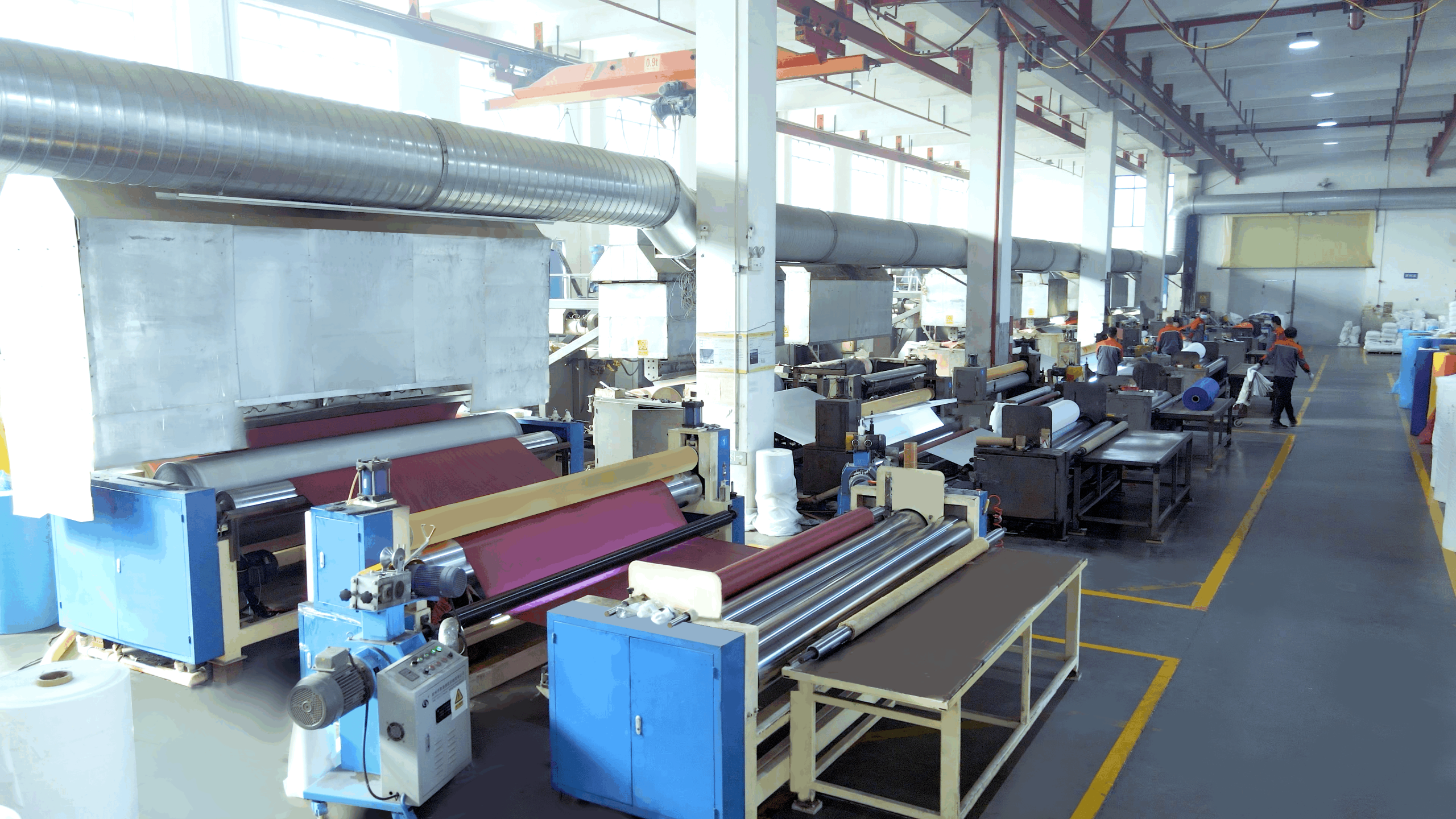
Runxiang has produced plastic tablecloths and disposable tableware for 20 years, with 30+ production machines and a daily capacity of 160,000 pieces. We print PEVA tablecloths for retail, party and catering programmes, and we carry the prepress work that decides whether a design ships on time: repeat layout, spot-colour separation, substrate proofs and pre-production samples, either from your artwork or developed with our team on an OEM/ODM basis. Send the size, colour count, quantity and target market, and we will quote tooling and unit price separately so you can see what you are amortising.
Start from these ranges: printed plastic tablecloths, plastic dinnerware, disposable napkins and party sets. For tooling and unit price on your own design, email simon@runxiangplastic.com or call and WhatsApp +86 18617181658 with your artwork and packing plan.