










Every year the rules that decide whether an imported tableware SKU is sellable change somewhere. For 2027 orders the three that move the most money are duty stacking on China-origin goods, state-level restrictions on foam and single-use serviceware in the US, and the EU packaging rules that now apply to what your product is packed in. None of them is hard to handle; all of them are expensive to discover after the container sails.

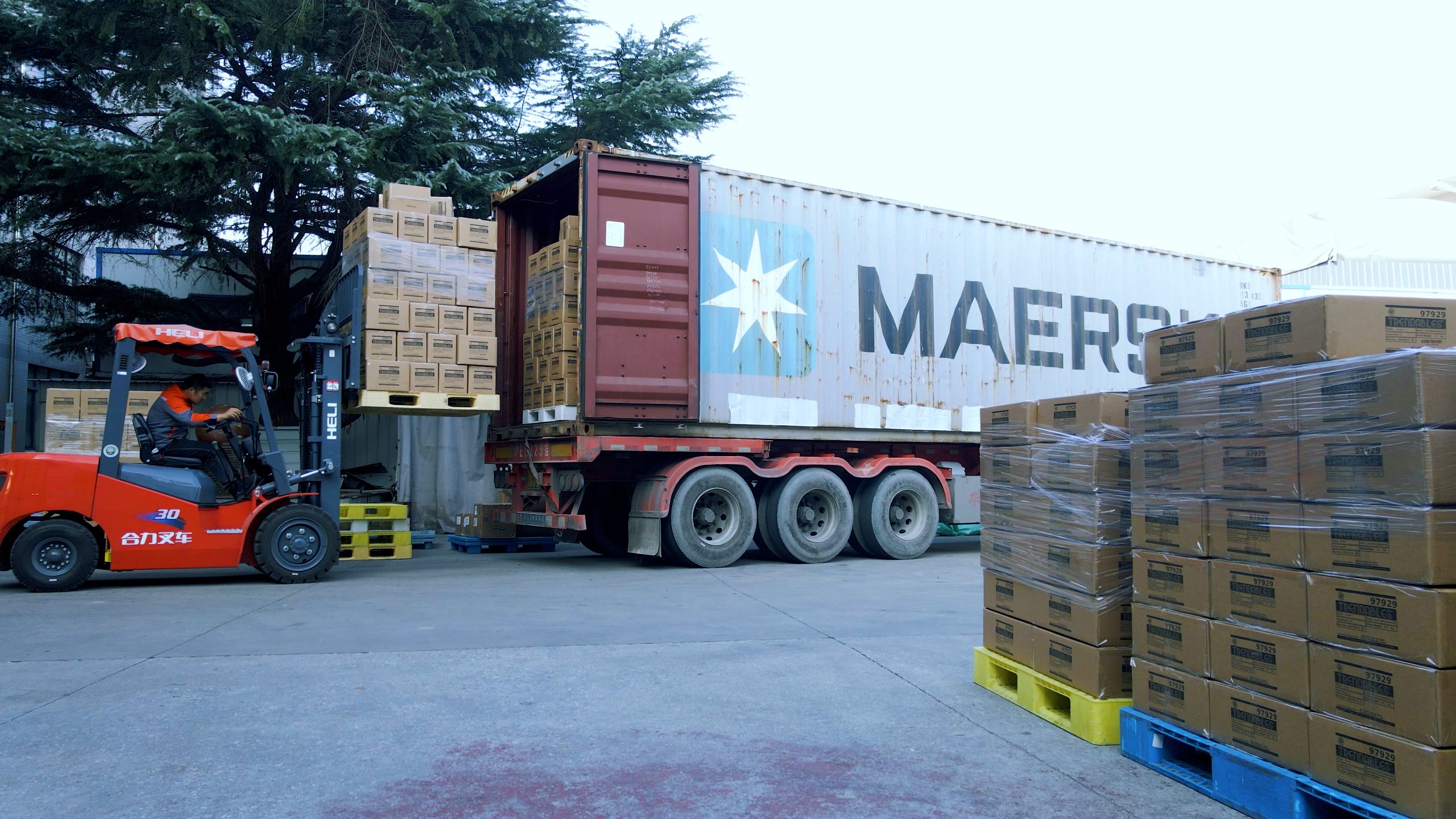
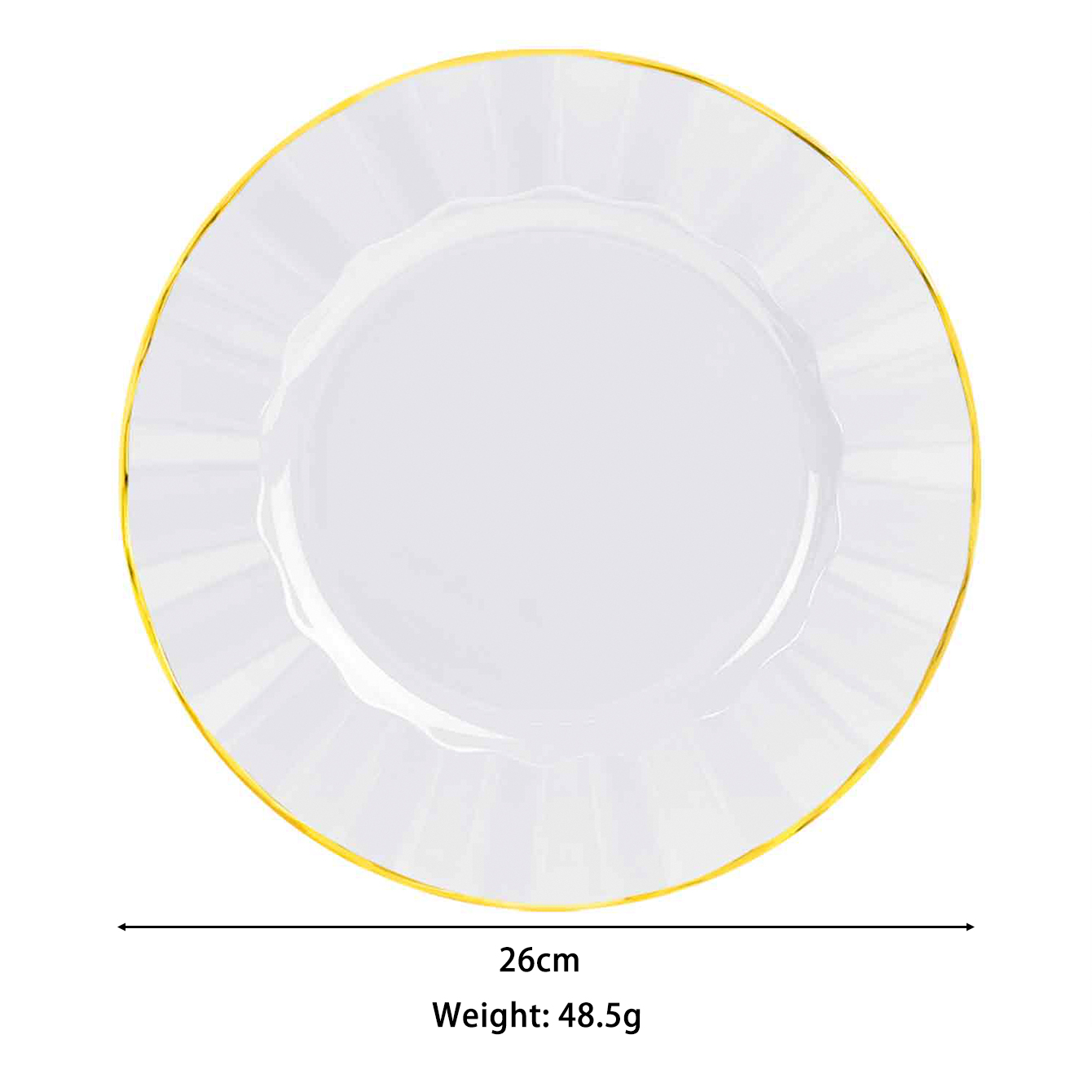
Compliance starts at the line and ends at the container: material, labelling and load-out all carry into 2027.
Start With the HTS Code, Not the Product Name
Two suppliers can quote the same plastic tablecloth and use different 10-digit HTS codes. The code decides the base duty rate and whether an additional tariff applies, so it is worth more attention than the unit price. Ask for the code on the commercial invoice and check it against the actual material and construction: disposable tablecloths, cutlery sets, plates and party bundles do not all sit in the same classification.
For China-origin goods, the base rate is only the first layer. Section 301 duties sit on top for many headings, at rates that differ by code — the practical implication is that your landed cost must be calculated per SKU, not per order. USTR publishes the current action lists; commercial trackers that list rates by HTS code are a faster way to sanity-check what your supplier claims.
If you are new to the category, our B2B sourcing guide for plastic tableware covers how classification and quoting normally flow between a factory and an importer.
US State Rules: Foam Bans and Phased Serviceware Restrictions
State and municipal laws are where most tableware assortments quietly become unsellable. Expanded polystyrene food-service containers and cups are restricted in a growing group of states, and several states have phased restrictions on bundled utensils, condiment packets and other serviceware that arrive with takeout orders. New Jersey, for example, publishes a phased timeline with later compliance dates for bundled utensils and casual dining operators.
What matters for an import catalogue is not the headline ban but the phase date. A SKU that is legal in your main market in 2027 may fail in one state in 2028, which is enough reason to test a fibre, PP or PET alternative in a second container rather than after a retailer asks.
Practical translation for buyers:
- Check the destination state, not just the country of import.
- Ask whether your retailer’s routing guide now specifies material restrictions.
- Keep one compliant alternative per core item in the range, not a single one-off.
EU Packaging Rules Now Apply to Your Packing
On the EU side, the Single-Use Plastics Directive has already removed plastic cutlery, plates, straws and stirrers from the market for years. The newer Packaging and Packaging Waste Regulation changes what the packaging itself must satisfy — recyclability, labelling, and restrictions on substances such as PFAS in food-contact packaging — with the main requirements applying from 12 August 2026.
For a supplier in this category the requirement is mostly documentable rather than dramatic: know which polymers and coatings go into your poly bags, inserts and cartons, keep declarations from your material suppliers, and be ready to state recycled content and recyclability per component. Buyers who ask for this in the order confirmation get it; buyers who ask in November usually get a promise.
EPR Registration Is a Deadline, Not a Detail
Several US states now operate extended producer responsibility programmes for packaging, and producers must register or join a producer responsibility organisation by statutory deadlines — with 1 January 2027 appearing in more than one state’s schedule. If your brand name or importer of record appears on the packaging, this is your obligation, not your factory’s.
Two practical points. First, decide who is the producer of record before the artwork is finalised, because EPR registration follows the brand. Second, keep packaging component weights on file; reporting is usually by material weight, and reconstructing it later from photographs is not possible.
What This Means for a Tablecloth-Heavy Range
Most of the pressure sits on food-service disposables, not on printed party tablecloths. A catalogue built around printed plastic tablecloths and party table covers keeps selling into nearly every market, because the restrictions target serviceware and packaging rather than decorative textile-replacement covers. The exposure is concentrated in foam cups and plates, single-use cutlery, and the packaging that ships with them.
That gives buyers a workable 2027 shape: keep the tablecloth core as the volume base, add compliant plastic dinnerware where foam is being phased out, and treat one alternative-material line as a test rather than a replacement. Our notes on sourcing plastic tableware from a China manufacturer cover how to structure that mix with one supplier instead of three.
Documents to Request Before You Book 2027 Capacity
- HTS code used on the invoice, per SKU, in writing.
- Food-contact test report and migration data for any item that touches food.
- Material declaration per component, including coatings and inks.
- Recycled content and recyclability statement for packaging components.
- Packaging component weights, for EPR reporting.
- Labelling artwork with destination-market symbols already applied.
Timing: Book Before Chinese New Year, Not After
Chinese New Year 2027 falls on 6 February. Factory capacity tightens in the two to three weeks on either side, and a compliance question raised in January will not be answered before the holiday. The sequence that works is: agree the compliant specification in the autumn, produce the documentation with the counter sample, then book capacity for a January or February vessel with the paperwork already closed.
If you send us your 2027 destination markets and current SKU list, we will tell you which items carry a duty or materials question worth resolving before you place the order — and which ones can be booked as they are. Our quotation checklist is the companion piece for the pricing side of the same conversation.
Related reading: Q4 freight and container planning.