










By the middle of September, the fall selling season is already decided for most retailers — and it is decided by what is still on the water, not by what is on the shelf. Halloween falls on October 31 and Thanksgiving on November 26 in 2026, which leaves roughly five to six weeks between a late-September booking and the last realistic retail restock date. This guide covers what to reorder, how to bundle it, and where the shipping cut-offs actually sit.
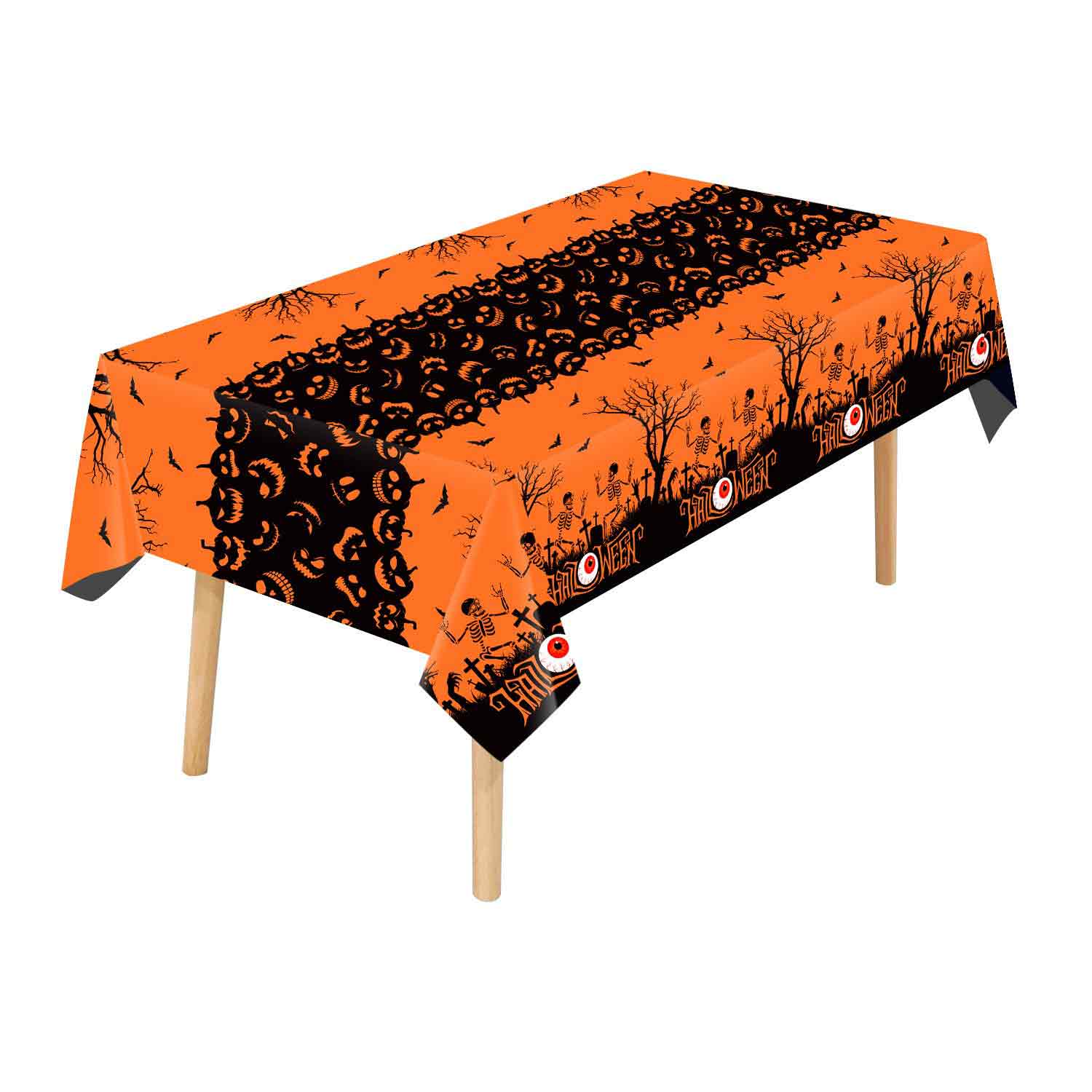
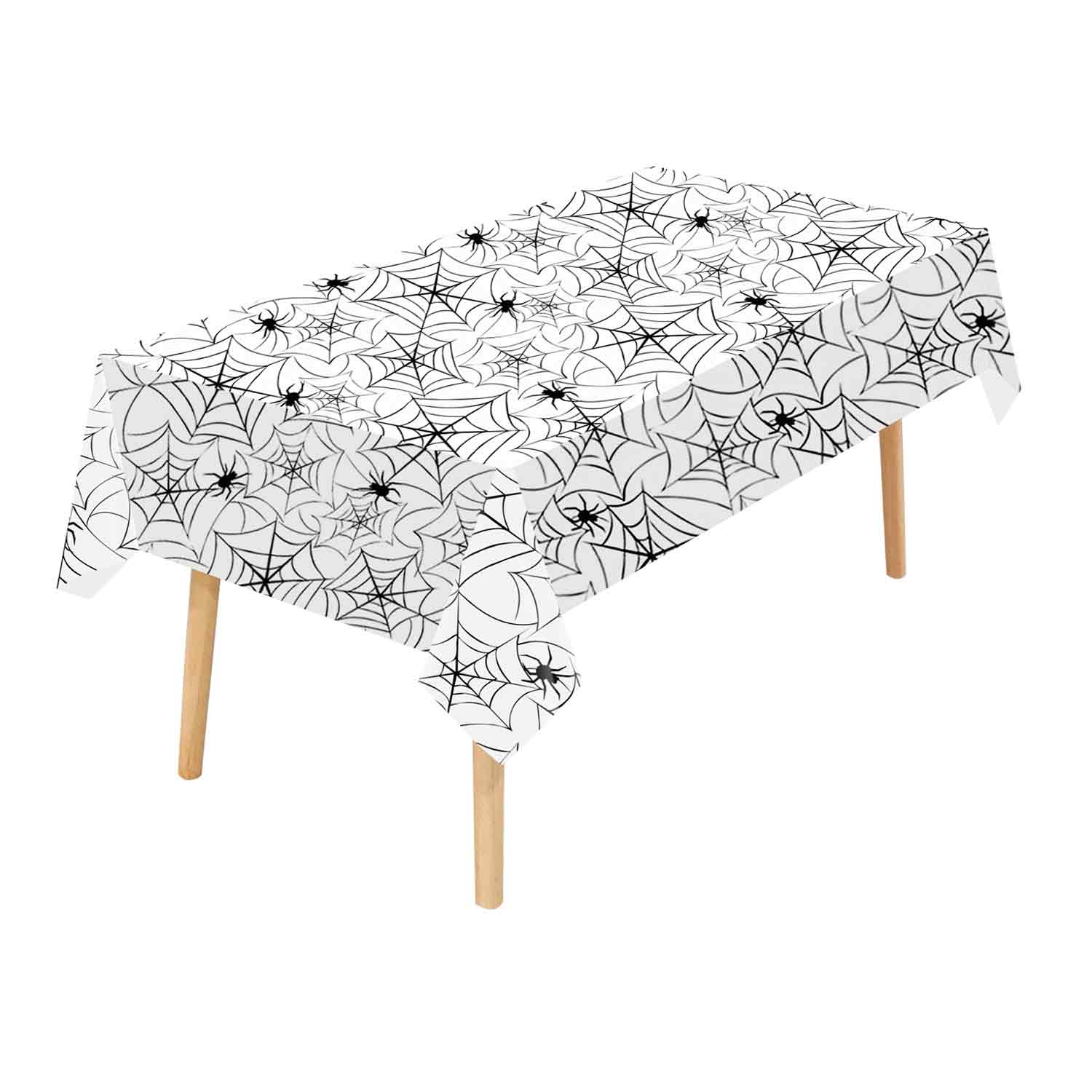
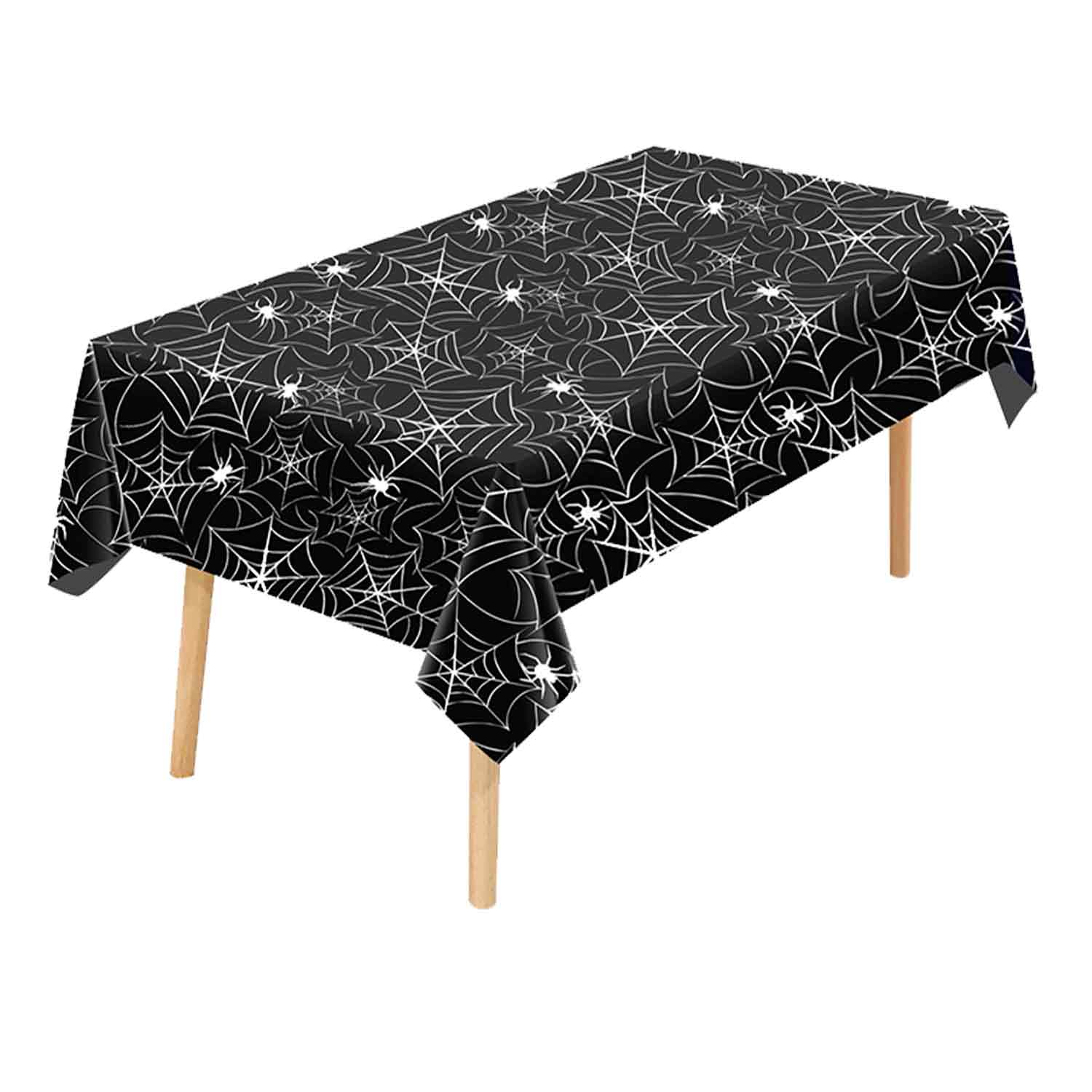
Halloween printed plastic tablecloths: pumpkin, ghost and spider web designs in orange, black and white.
Why the Fall Window Is Shorter Than It Looks
Retailers plan Halloween in June and July, but the reorder wave arrives in September and early October once sell-through data comes back. That is also when ocean space is tightest, because holiday goods for Christmas are loading at the same time.
The practical consequence: an order placed after the first week of October usually cannot arrive by ocean in time for Halloween, and by mid-November it cannot arrive in time for Thanksgiving either. Late orders then become a choice between air freight for a narrow assortment and waiting for spring. The last comfortable window for a full fall assortment is the end of September.
What Sells: The Halloween Range That Retailers Reorder
Halloween is a design-led season, and the reorder pattern is consistent: pumpkin motifs, ghosts, spider webs and bats in orange, black and white. Buyers who ordered a broad assortment the first year tend to narrow it the second year to three or four best sellers plus one novelty design.
Sizes follow the same logic as the rest of the year — see our tablecloth size chart for the full mapping. The 54 x 108 inch rectangle is the workhorse for long folding tables, the 84 inch round covers the standard card table, and fitted versions with an elastic edge keep selling to caterers who handle outdoor events. In wholesale terms these are printed plastic tablecloths: a printed plastic tablecloth at retail, a printed plastic party tablecloth in party-channel language, and a printed party table cover in catalogs aimed at event planners.
One structural point matters more than design: Halloween colors hide a lot, so some buyers step down one thickness and still get acceptable feedback. Make that a deliberate decision rather than an accident — the same step-down on a white Thanksgiving table cover reads as cheap to the consumer. Our mil, micron and gram-weight guide shows where that line usually sits.
Thanksgiving Is Not Halloween: Harvest Palettes and Neutral Designs
Thanksgiving demand is quieter and more domestic. The reliable designs are harvest palettes — gold, rust, brown and cream — plus leaf prints, wheat and simple geometric borders. Households buy one table cover and matching napkins for a single meal, so pack counts matter more than novelty.
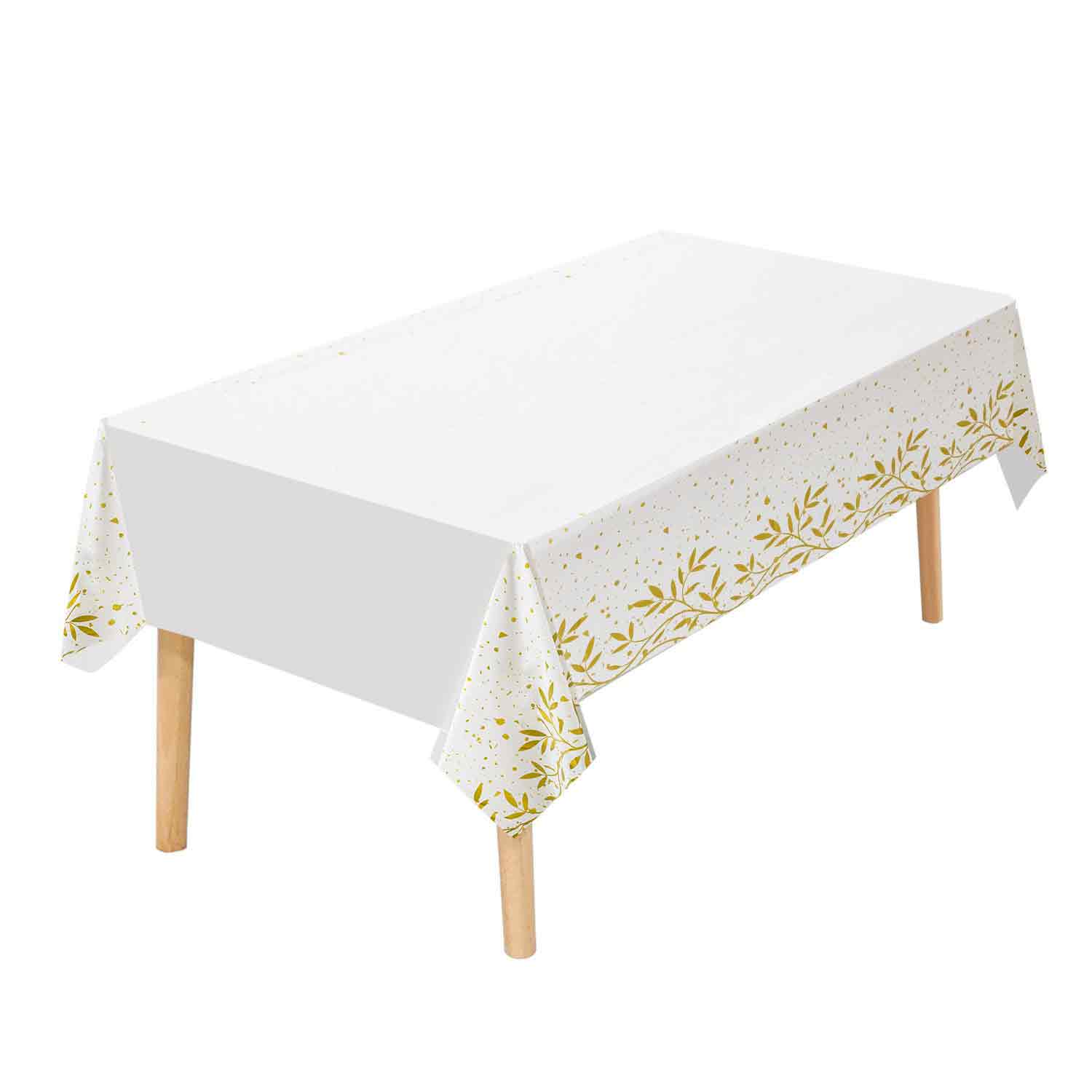
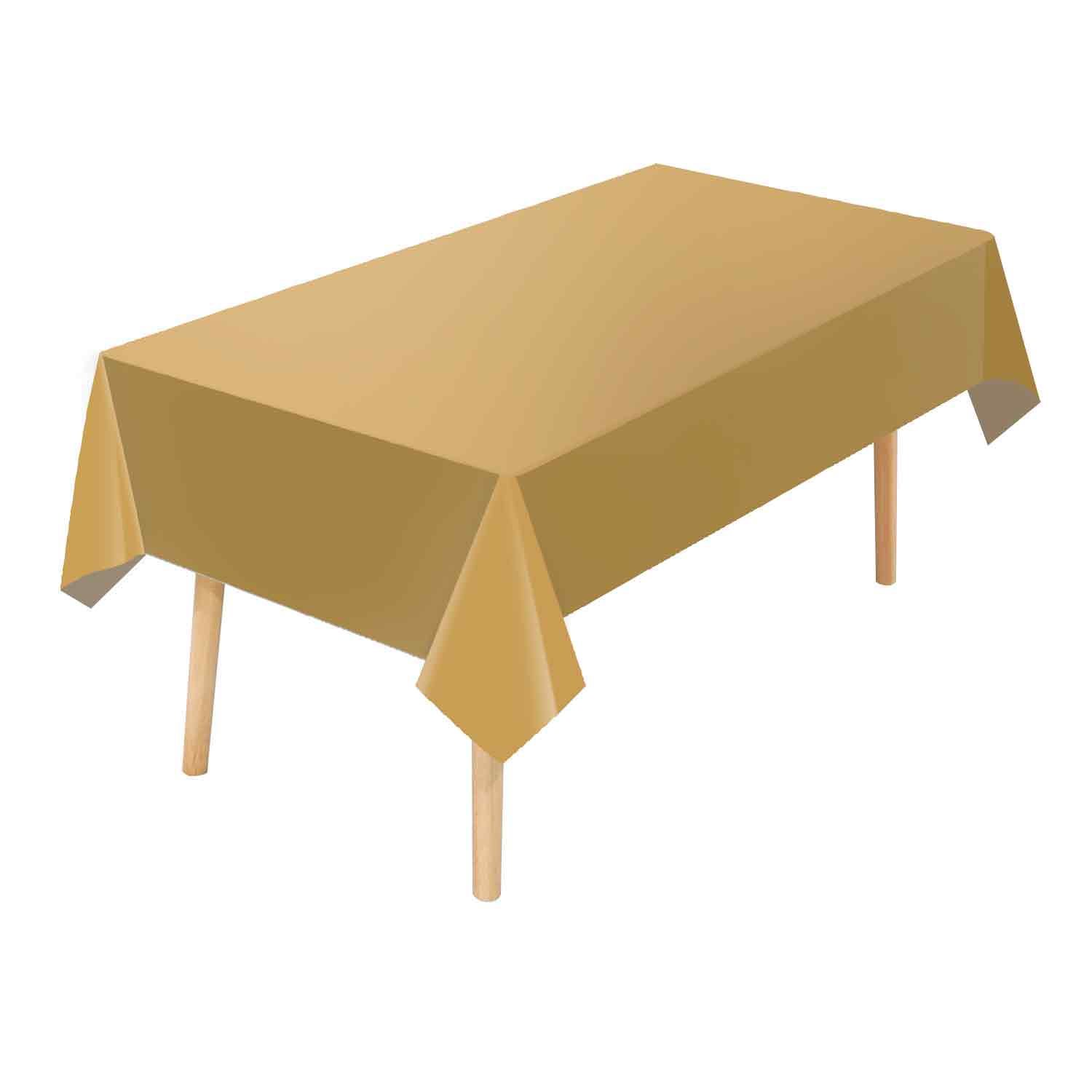
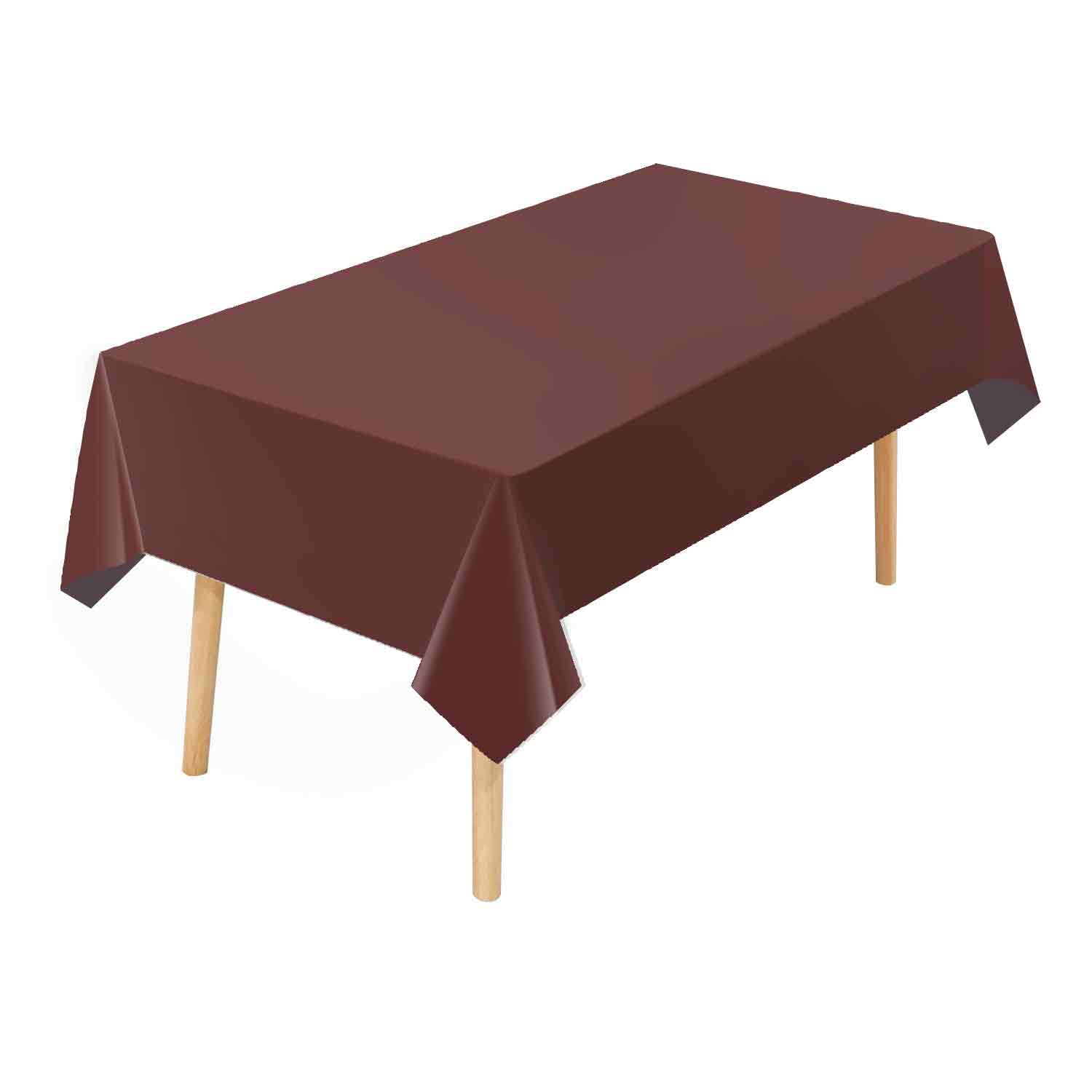
Thanksgiving table covers in harvest palettes: a printed gold-leaf plastic tablecloth, a golden plastic table cover and a brown disposable plastic tablecloth.
Where Thanksgiving differs commercially is attachment rate. A Halloween purchase is usually a tablecloth alone; a Thanksgiving setting pulls napkins, serving utensils and disposable dinnerware into the same basket. Treat the two seasons as one assortment and that attachment revenue is lost — it is the cheapest incremental volume in the fall calendar.
Bundles Beat Single SKUs in the Last Six Weeks
Late-season buyers are buying convenience, not breadth. A three-piece fall bundle — printed plastic tablecloth, matching napkins, and either cutlery or serving utensils — moves through retail faster than the same items sold separately, because the shopper is buying a table, not a category.
For importers the bundle also solves a real problem: mixed designs in one carton let smaller retailers reach a reasonable order quantity without committing to deep stock of a single design. Keep the carton mark readable and each pack barcoded, and the bundle turns into a private-label conversation instead of a one-off order.
Packaging and Labeling for Late Orders
Packaging for a fall restock differs from a full-season order. Retail-ready poly bags with a hang hole are worth the small upcharge when stock goes straight to a shelf. For marketplace sellers, the same order needs a scannable barcode on the poly bag and a carton label matching the retailer’s routing guide.
Agree the packaging specification before the deposit, not after production. Changing a bag header or adding a sticker at the end of a run is exactly what pushes a shipment past its booking date.
Air Versus Ocean: The Cut-Off Math
Ocean freight is the default for any order that can wait four to five weeks door to door, including port and inland transit. Air freight is reserved for fill-in quantities where the shelf would otherwise be empty — typically a few hundred units across two or three designs, not a container.
The decision rule we use with buyers is simple: if the retail price covers air cost with margin intact and the alternative is an empty shelf through the season, ship air; if not, cut the assortment to what can arrive by ocean and hold the rest for spring. What usually breaks is the middle case — a late ocean booking that everyone hopes will make it.
What to Confirm With Your Supplier This Week
- Stock or production status of your three best-selling designs, with a date rather than an estimate.
- Thickness and gram weight per piece for each design, written on the order instead of assumed from last season.
- Whether the harvest and Halloween designs can share one carton and one booking.
- The load-by date your supplier can actually commit to, counted backwards from your in-store date.
- Sample timing for any new design, including film or plate cost if a new print is involved.
Planning the Rest of the Calendar
The fall restock is a rehearsal for the two bigger dates behind it. Christmas sits four weeks after Thanksgiving, and Chinese New Year 2027 falls on February 6 — a date that moves factory capacity by two to three weeks on either side. Buyers who lock the Christmas assortment in September and the spring assortment before the New Year holiday avoid the annual January scramble entirely. Our 2027 holiday printed tablecloth planning notes cover the Christmas side in more detail.
A concrete example of what a reorder looks like: the orange pumpkin and ghost printed tablecloth and the wider plastic tablecloth range are both built for mixed-carton fall loads. If you want to see how a fall assortment would be structured for your channel, send us your table size, target retail price and pack counts, and we will come back with a bundle structure, a thickness recommendation and a loading date you can plan a promotion around.