










Ask hotel housekeeping what produces the most bathroom complaints and it is rarely the tiles — it is a shower curtain liner that smells, clings or has torn away from its grommets. The liner is the cheapest item in the room and the one guests touch most directly. That gap between unit price and impact is where the sourcing decision gets interesting: the film you specify decides how often the liner is replaced, what that replacement costs in housekeeping time, and whether a property ever has to apologise for the smell in a guest bathroom. This guide covers the three materials, the specs that decide durability, and the replacement cycle that should set your order quantity.
PEVA, vinyl or polyester: let the material decide the job
PEVA (polyethylene vinyl acetate) is the workhorse liner film. It is 100% waterproof, chlorine-free, and carries a much lighter plasticiser load than PVC — which shows up in two ways on a spec sheet: far less odour out of the bag, and stable dimensions in a steamy bathroom. Published material guides note that PEVA does not absorb moisture, which is why it is described as mildew-resistant and wipes clean instead of needing a wash cycle (shower curtain materials guide). The chemistry is the same whether the film is slit into a liner or a tablecloth cover, so our PEVA, PVC and vinyl comparison applies to liners too.
PVC vinyl is the traditional alternative: heavier in the hand, easy to wipe clean, often the cheapest option per case. The trade-off is regulatory and retail-facing. DEHP, the plasticiser most associated with PVC, has been listed under California’s Proposition 65 as a chemical known to cause reproductive toxicity since October 2003 (OEHHA listing), so any liner heading for US retail shelves needs a credible phthalate-free position — and PEVA is the simplest route to one.
Polyester is not a liner substitute. It is water-resistant rather than waterproof, so a woven outer curtain is usually hung on a double-hook track with a PEVA liner behind it. Hotels that want a decorative outer layer therefore order outer curtain, liner and rings together.
Gauge, grommets and hem: the specs behind most claims
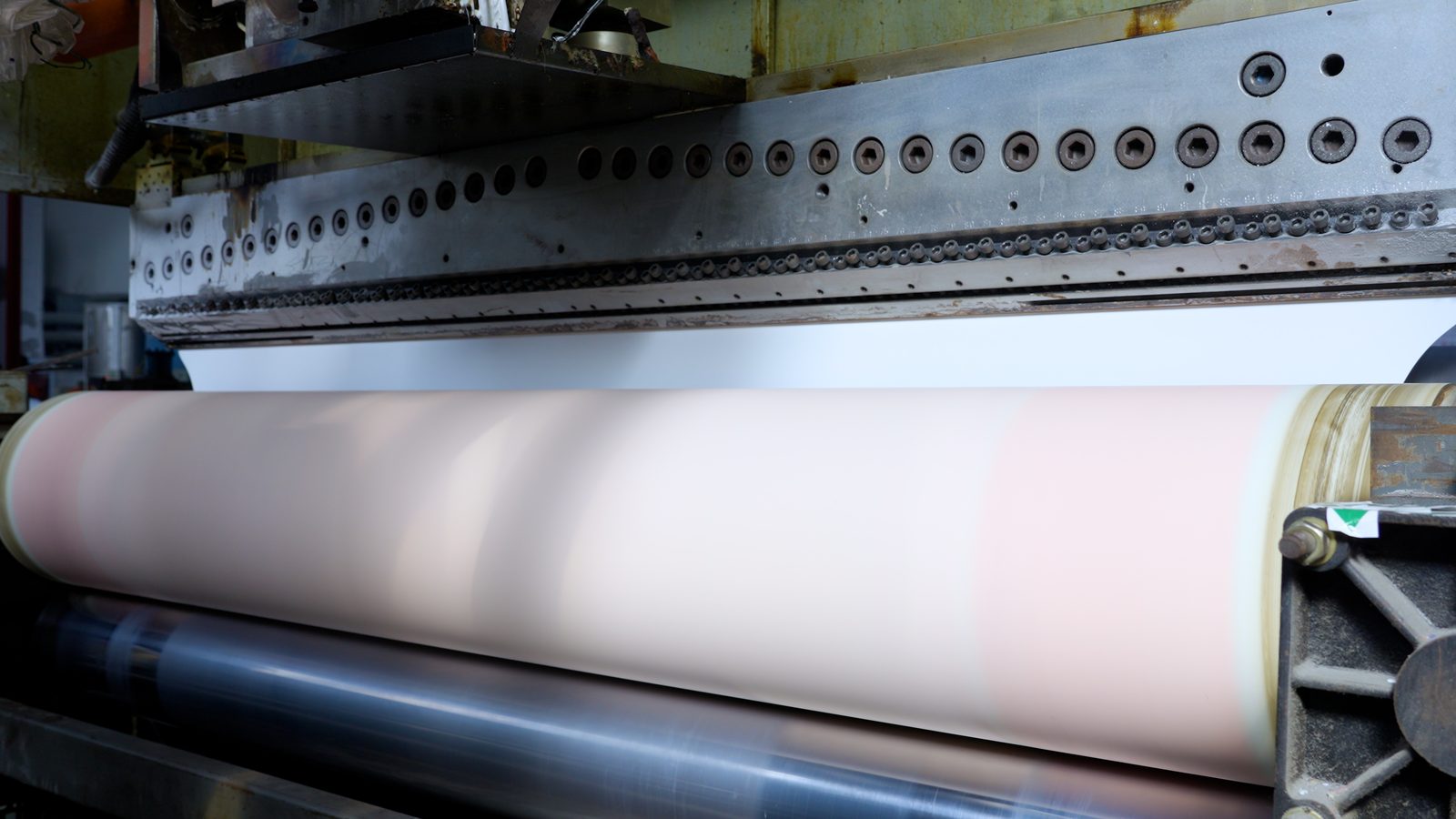
Liners are traded by gauge and case pack, and gauge is where buyers get caught. A US hospitality distributor publishes 6-gauge vinyl liners at 24 per case next to 10-gauge “hotel” liners at 12 per case — heavier film, smaller case, longer replacement interval (Palmetto Linen wholesale liners). If the purchase order only says “shower curtain liner”, the factory picks the gauge for you. We extrude our own liner film at 0.1 mm, so a gauge change is a line setting rather than a change of supplier.
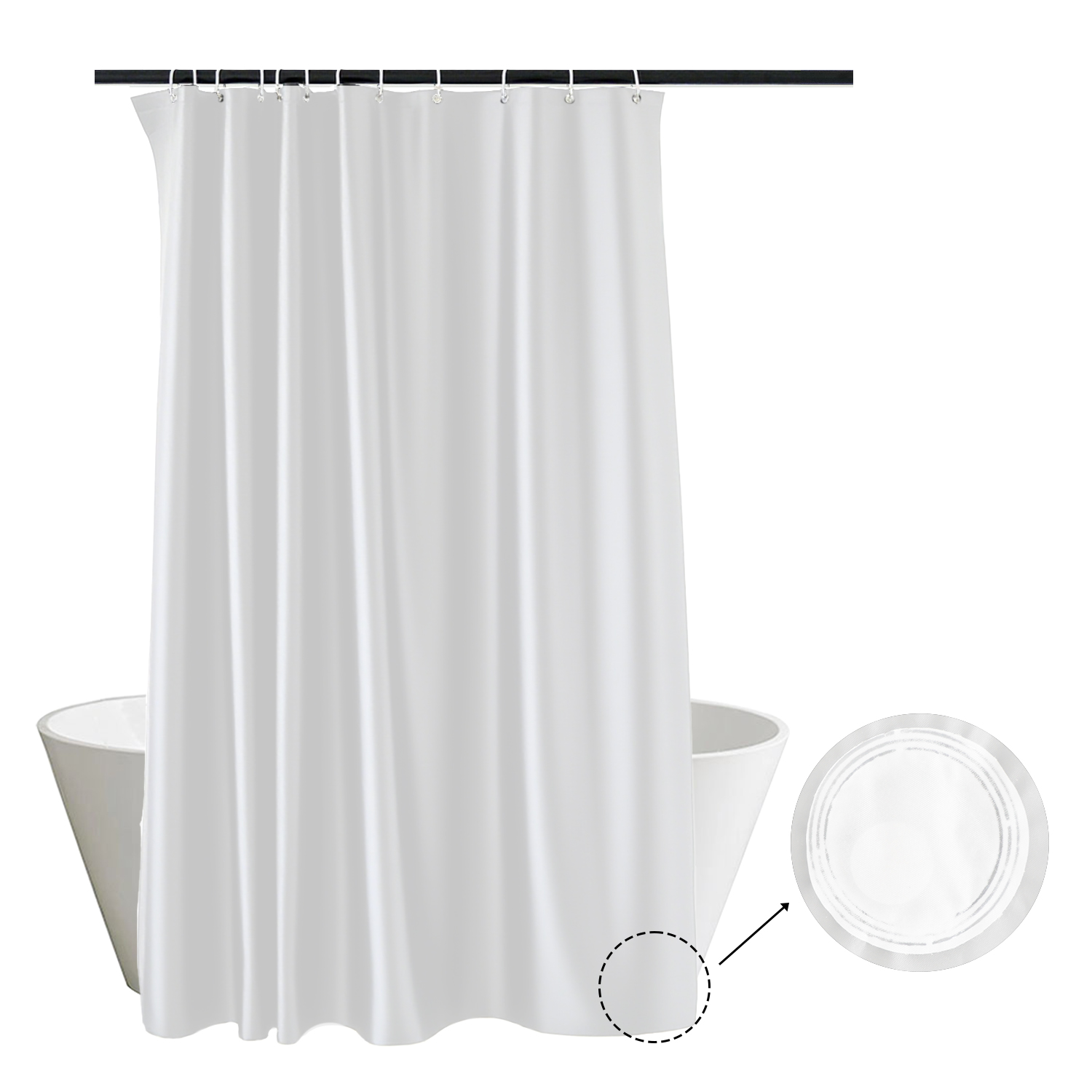
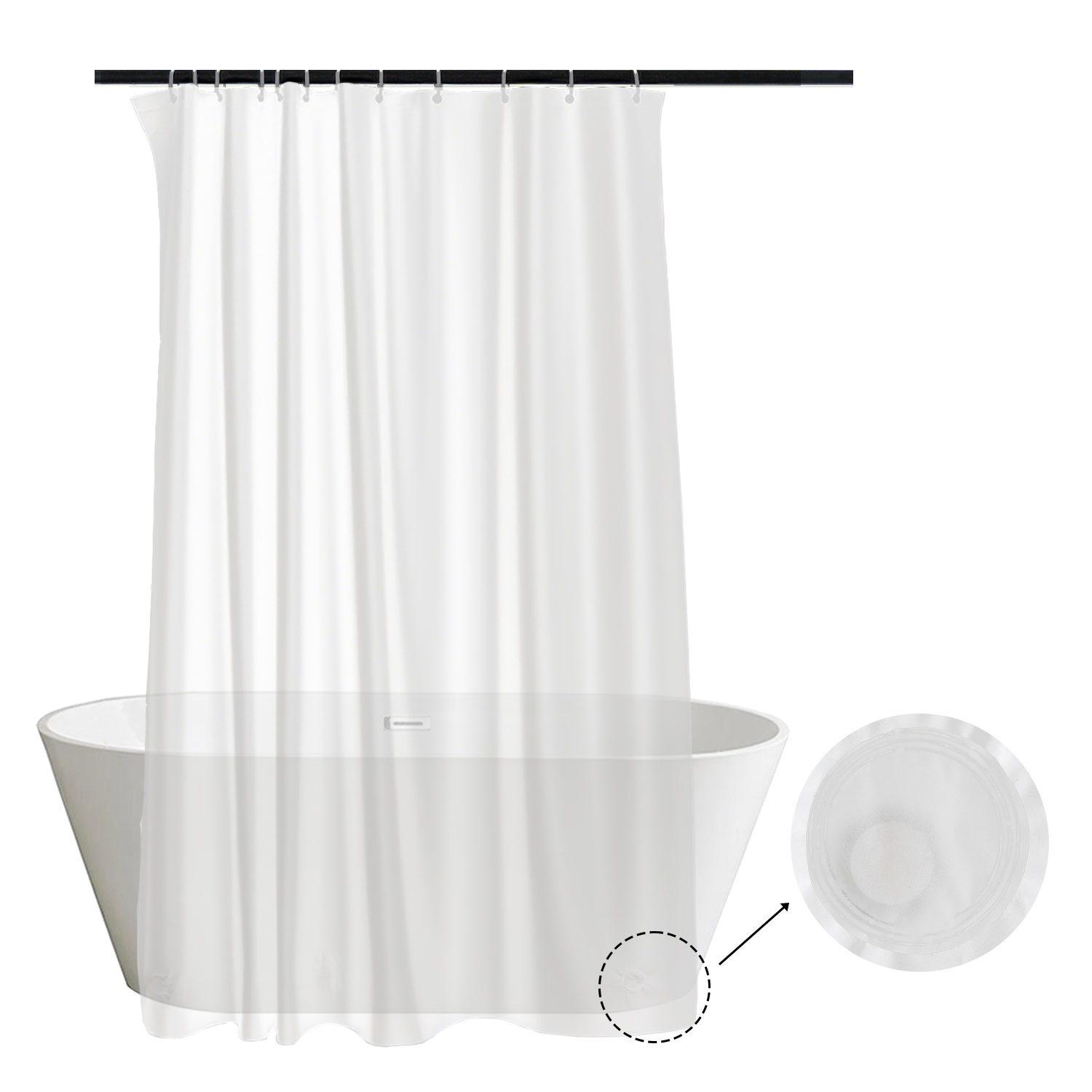
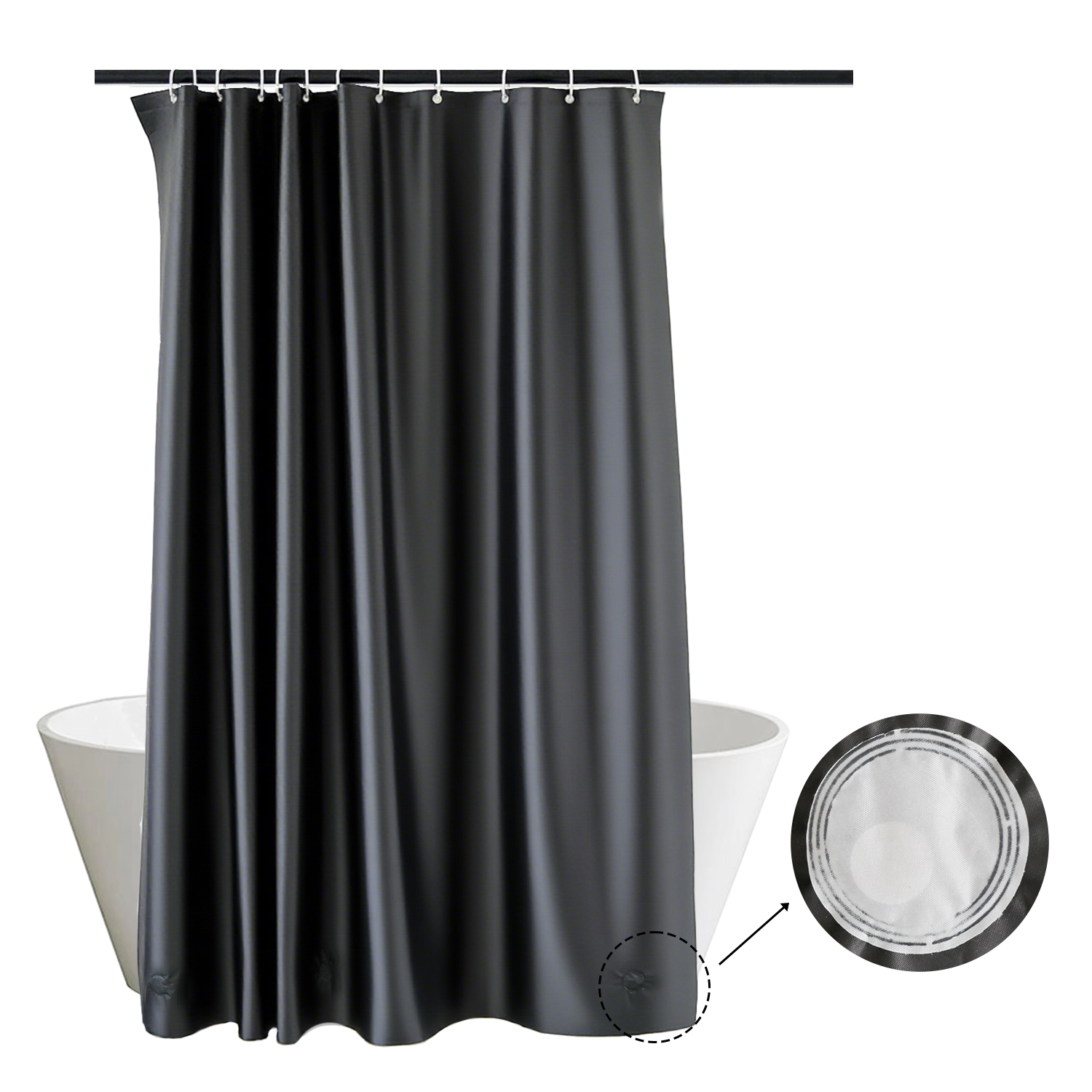
Hardware decides more returns than buyers expect: grommet count and spacing, a reinforced or simply punched header, brass-plated or plastic rings. A 72 × 72 in liner typically hangs on twelve rings, and grommet spacing that does not match the hooks is the usual reason a “standard” liner sags at one end. We supply white, clear and black liner panels in 72 × 72 in with or without a three-magnet hem.
The hem is the third spec. A welded hem with magnets set inside stops the liner billowing in against the guest or being pulled out of the tub; three magnets is the common hotel configuration. Running sizes stay close to 72 × 72 in (6 ft × 6 ft), 36 × 72 in for shower stalls and 71 × 74 in, with extra-long panels at 54 × 78 in and 72 × 84 in (hotel curtain size range). Most hospitality programmes buy two or three of them.
Replacement cycles: the number that should set your order
Consumer guidance runs from every three to six months for a basic plastic liner through to six to twelve months in a well-ventilated bathroom (House Digest). Rooms in continuous use sit at the fast end of that range, so what matters to a buyer is not unit price but cost per room-night: liner, freight, and the housekeeping minutes to swap it. Keep the hem clear of standing water, ventilate the room, and avoid films that trap soap scum in a textured surface. Chlorine-free PEVA also keeps the “new vinyl” smell out of a guest bathroom, which matters more every year as short-let reviews reward a bathroom that simply feels clean.
Case pack then sets your landed cost. Heavier film looks dearer per piece but is replaced half as often and stores in less volume per room serviced, which is why hospitality buyers standardise on one gauge and one case pack instead of chasing the cheapest liner on the quotation. For retail programmes the decision moves to the shelf: bulk cases for hospitality, 12-packs with a header card for retail, and a printed liner as the upsell beside a matching tablecloth print.
Why the liner belongs on the same order as the tablecloth
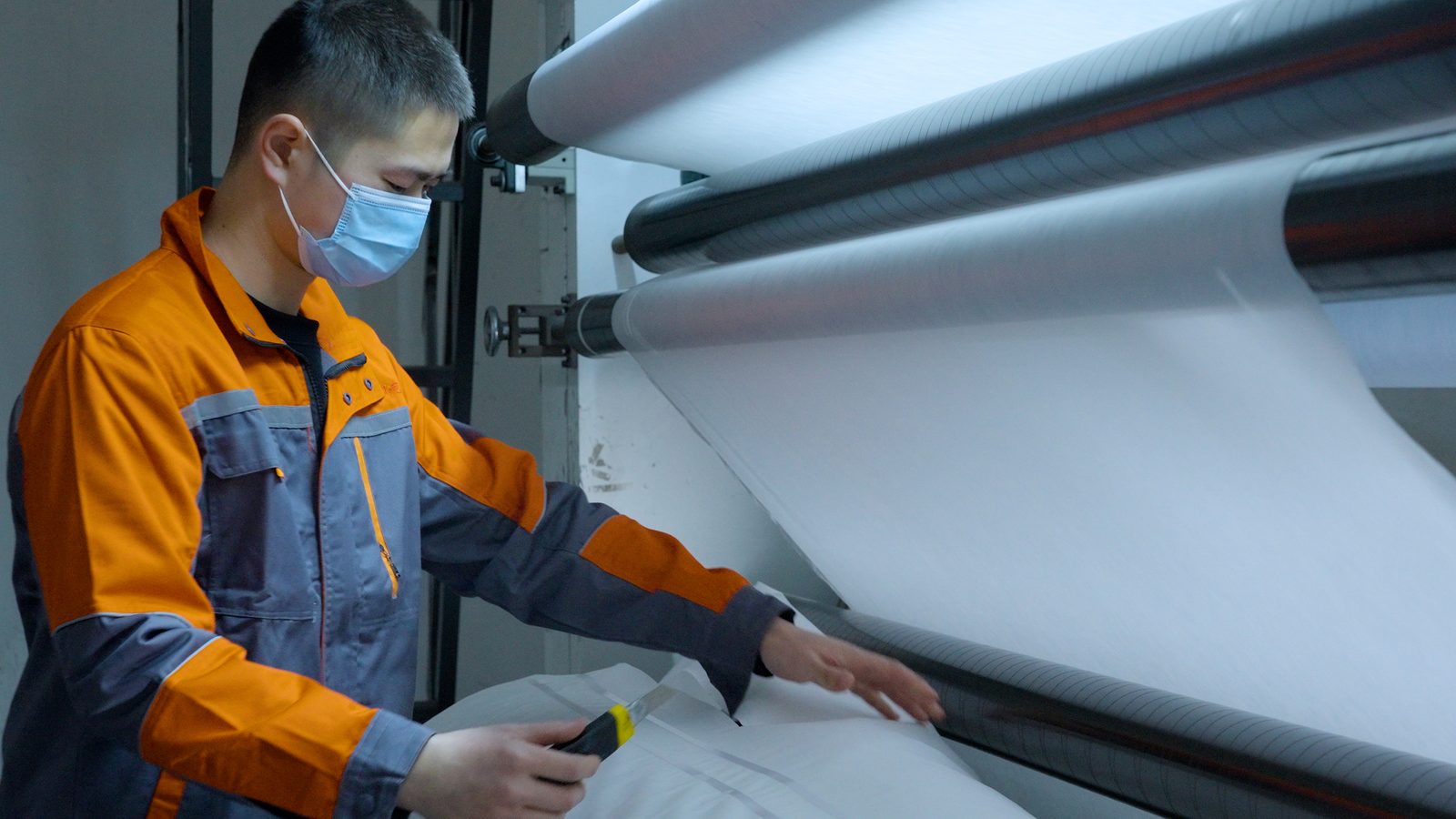
Changzhou Runxiang has produced plastic tablecloths, disposable tableware and party lines for more than twenty years, with 30+ machines and capacity of 160,000 pieces a day. Liner film comes off the same extrusion and printing lines as our PEVA tablecloths: same resin control, same colour matching, one factory to audit instead of two. OEM and ODM orders can specify gauge, magnet count, grommet spacing, header reinforcement and packing — poly bag, printed insert or shelf-ready box — alongside your tablecloth programme. Because we already print seasonal tablecloth designs, a printed liner matching the cover you reorder every year needs one artwork approval, not two.
Send your liner specification — size, gauge, magnet count, packing, target market — to simon@runxiangplastic.com or WhatsApp +86 18617181658, and we will quote it against your tablecloth and tableware programme in one document.
Related products
- Wholesale shower curtains and liners
- Plastic tablecloths and table covers
- Disposable plastic dinnerware
Tell us the sizes and gauges you buy today and we will send liner and tablecloth pricing with packing options for your market.