
Game day is not one night. In the US it runs from the first college football Saturday in late August to the Super Bowl in February, and every weekend in between produces the same three orders: covers for folding tables in a parking lot, plates and cups for a living room, and napkins in the two colours the local team wears.
This guide is for party goods retailers, sports bars and distributors building a game day programme: the field print, the colour story, the sizes, and the tableware specs that travel with the cover.
Game day has three buying occasions
Tailgate. Outdoors, on a 6 ft or 8 ft folding table, in wind and sun. The cover is the hero and has to survive being weighed down, folded and reused. Buyers restock covers far more often than plates.
Watch party. Indoors, with food that needs a plate that will not fold under a loaded bun. The cover matters less than the 9 inch plate, the 14 oz cup and a napkin big enough for ribs. This is where party packs sell, and where a colour match between cover, plate and napkin makes the set look intentional.
Bar service. High volume, short dwell time, darker colours that hide wear. Black and gold is the workhorse: it reads premium under bar lighting and hides smearing.
What a football field cover actually is
Our green football field print is a PEVA film printed with yard lines and field markings, then cut to 54 × 108 inch. Standard film weight is 25 g/m², the same base used across the printed tablecloth line.
Two things decide whether it reads as a field or as a green tablecloth. The first is line scale: a field print is a repeat, and on a 54 inch width the yard lines have to stay in proportion when the artwork steps across the film. Ask for the repeat length and check that it divides the 108 inch cut, the same rule as any printed tablecloth layout.
The second is how the white is made. On translucent PEVA, white lines are either printed white or left as unprinted film. The two look identical on a table and completely different when the cover is backlit. Confirm which one the sample uses before approving a bulk run; the unprinted version turns grey over a dark table.
Team colours without licensed logos
Team names and logos are licensed property, and no factory can print them for you without the licence holder’s approval. What sells just as well is a colour story: a print that sets the scene plus solids that carry the palette.
The print layer. Green football field for the outdoor table, brown rugby for a second sport and a warmer palette, green checkered when the buyer wants a pattern that reads team without a field. All three run on the same 54 × 108 inch PEVA base.
The solid layer. Solid PEVA covers in green, black, gold, navy and red let a retailer build two or three team palettes from one print plus four solids, instead of stocking eight prints. That is the difference between a range that turns and one that sits.
The tableware layer. Black and gold plates, gold cutlery, clear cups, green or black napkins. When the cover is a field print the tableware should be quiet — one accent colour, not three.
If a buyer wants a school or sponsor logo, the order moves into custom print with artwork approval and a printing plate, a different process from picking a stock print. The steps are in our guide to custom printed tablecloths, plate fees and artwork approval.


Sizes and drop on game day tables
Most tailgate and watch party tables in the US are 6 ft or 8 ft folding tables, 30 inches deep. On a 54 × 108 inch cover that gives:
6 ft table (72 × 30 in): 18 inches of drop at each end and 12 inches at each side — enough to hide the table edge and the cooler underneath.
8 ft table (96 × 30 in): only 6 inches at each end. It reads as a runner rather than a draped table, and the print is cut down so the field no longer reads end to end. If your buyers use 8 ft tables, say so before the print is approved.
For a 60 inch round, use a round cover rather than forcing a rectangle over it; the corners bunch and the field lines bend. A separate 6 ft table for condiments and the cooler keeps the main table clear, and it is the table that gets the cheaper solid cover.
What goes on the table
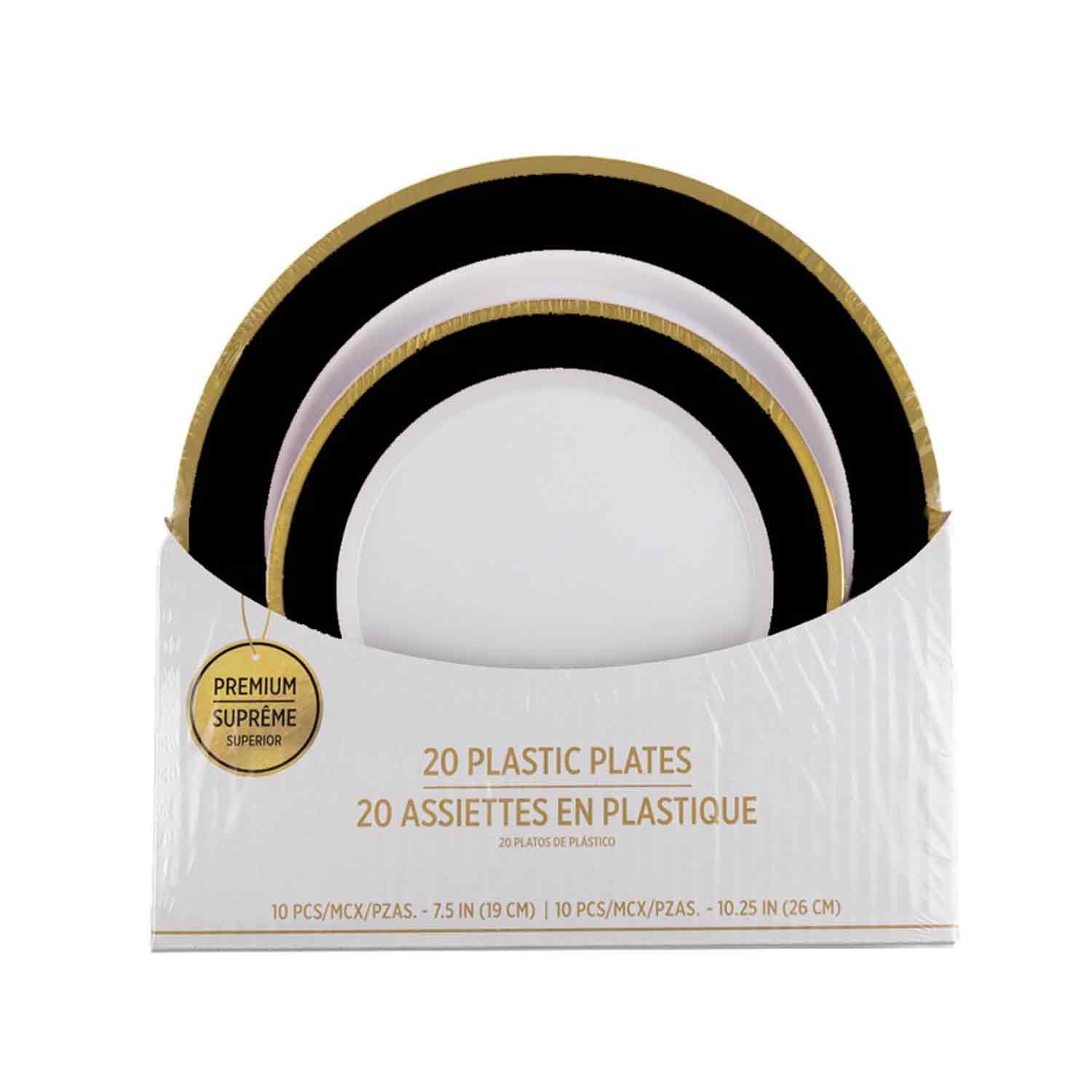
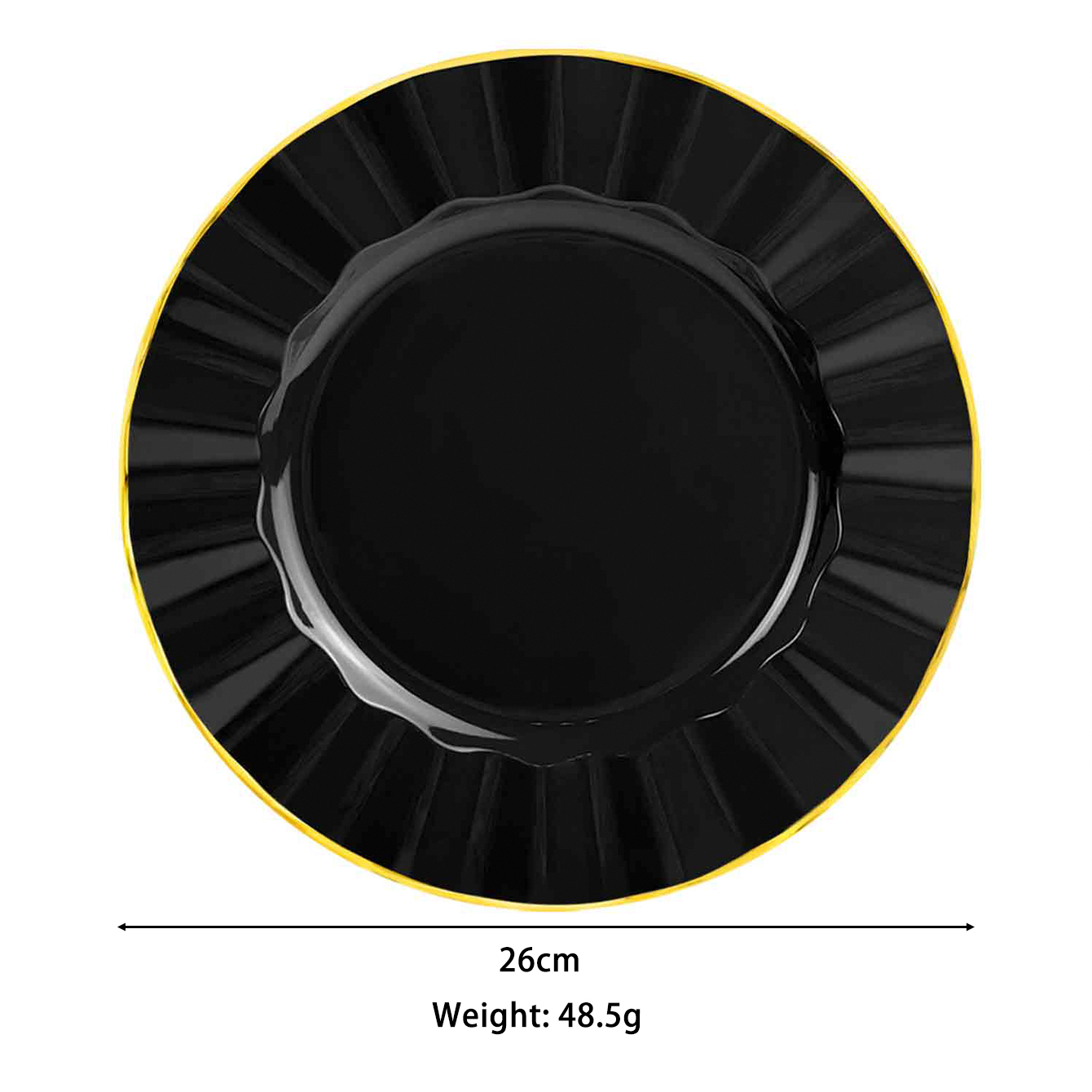
Plates. Our 7 inch and 9 inch black and gold PS plates are printed, 25 g and 50 g respectively, at 19 cm and 26 cm diameter. The 9 inch gold-plated version weighs 48.5 g and is the one to quote for a loaded plate. A 7 inch plate is a dessert plate, not a chilli-and-wings plate. For the ratio between the two sizes, see our 7 inch and 9 inch plate set guide.
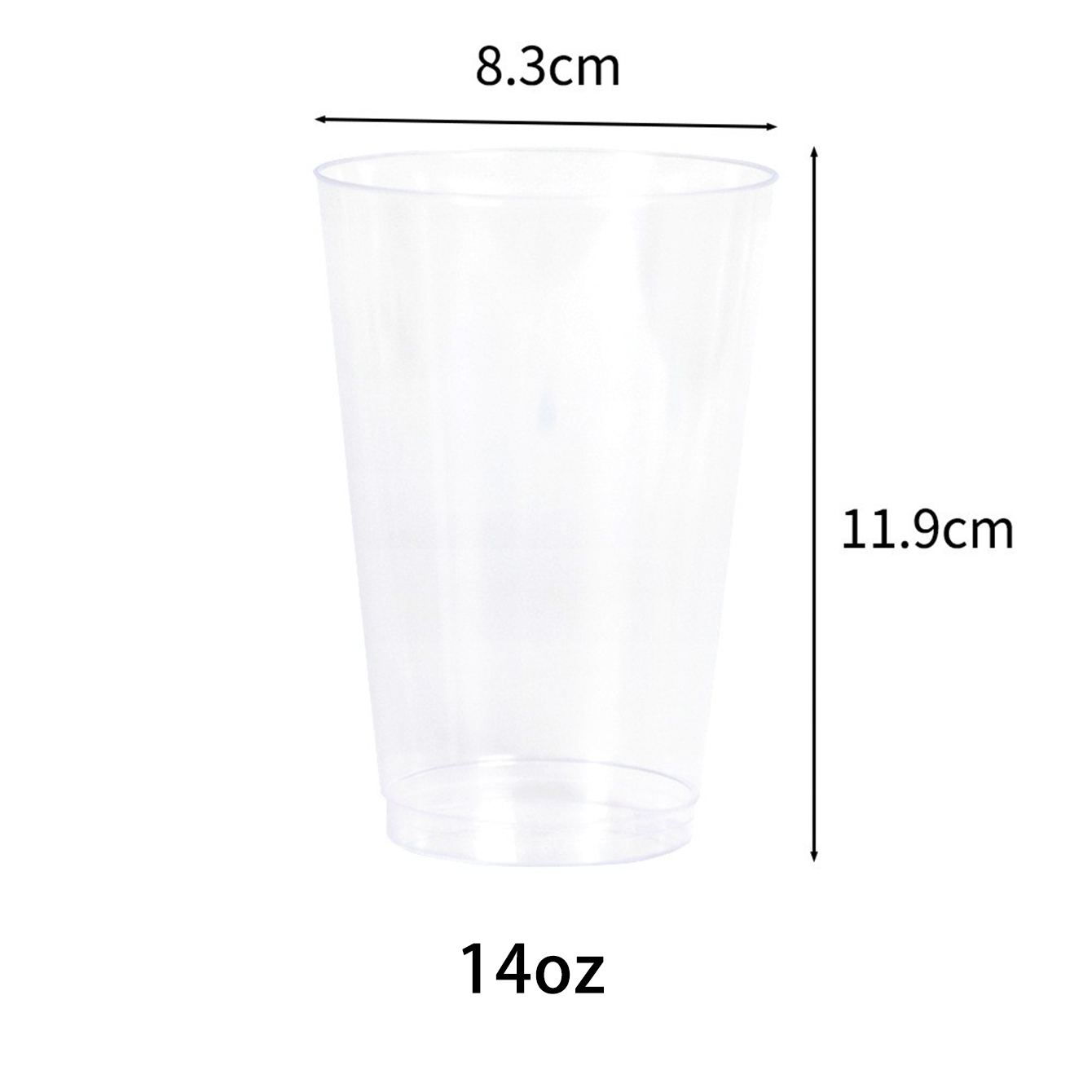
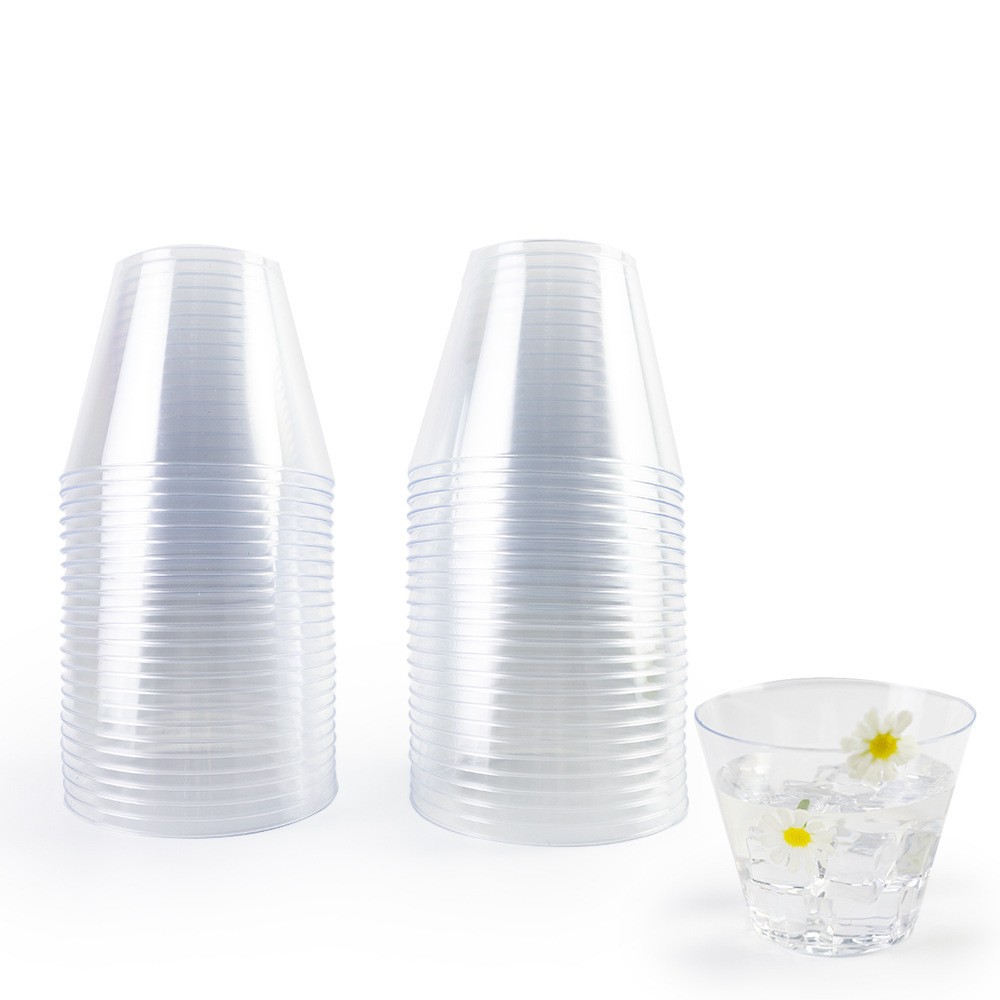
Cups. A 9 oz PS cup holds 270 ml and weighs 10.2 g; the 14 oz cup holds 420 ml at 19.2 g with a 0.5 mm wall. For a watch party, 9 oz is the beer cup and 14 oz the all-purpose cup. A drinking game is a different mould: our 360 ml beer pong cups are 7 g PP, 8.5 cm across the rim, and are not interchangeable with the 9 oz drinking cup.
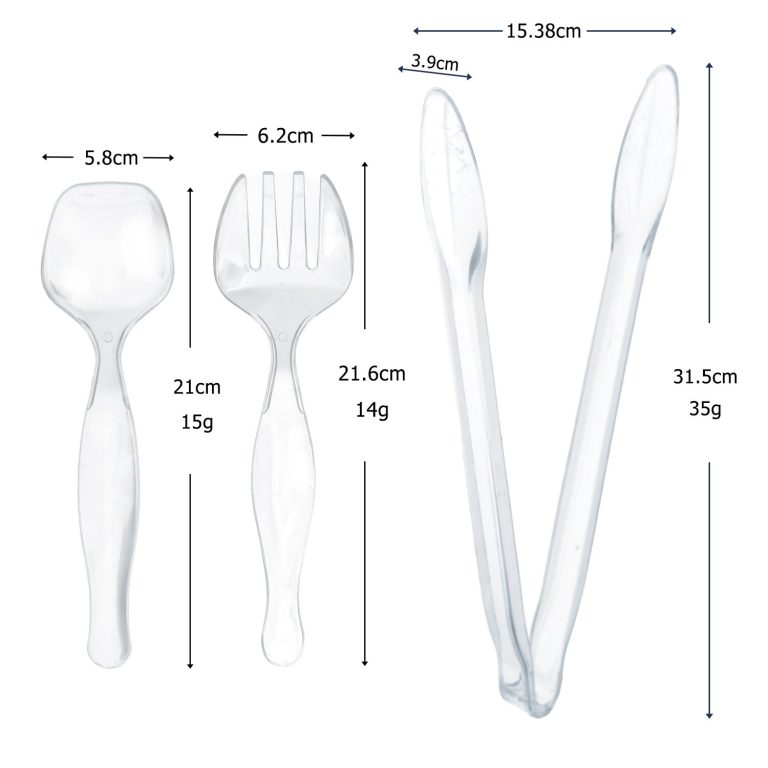
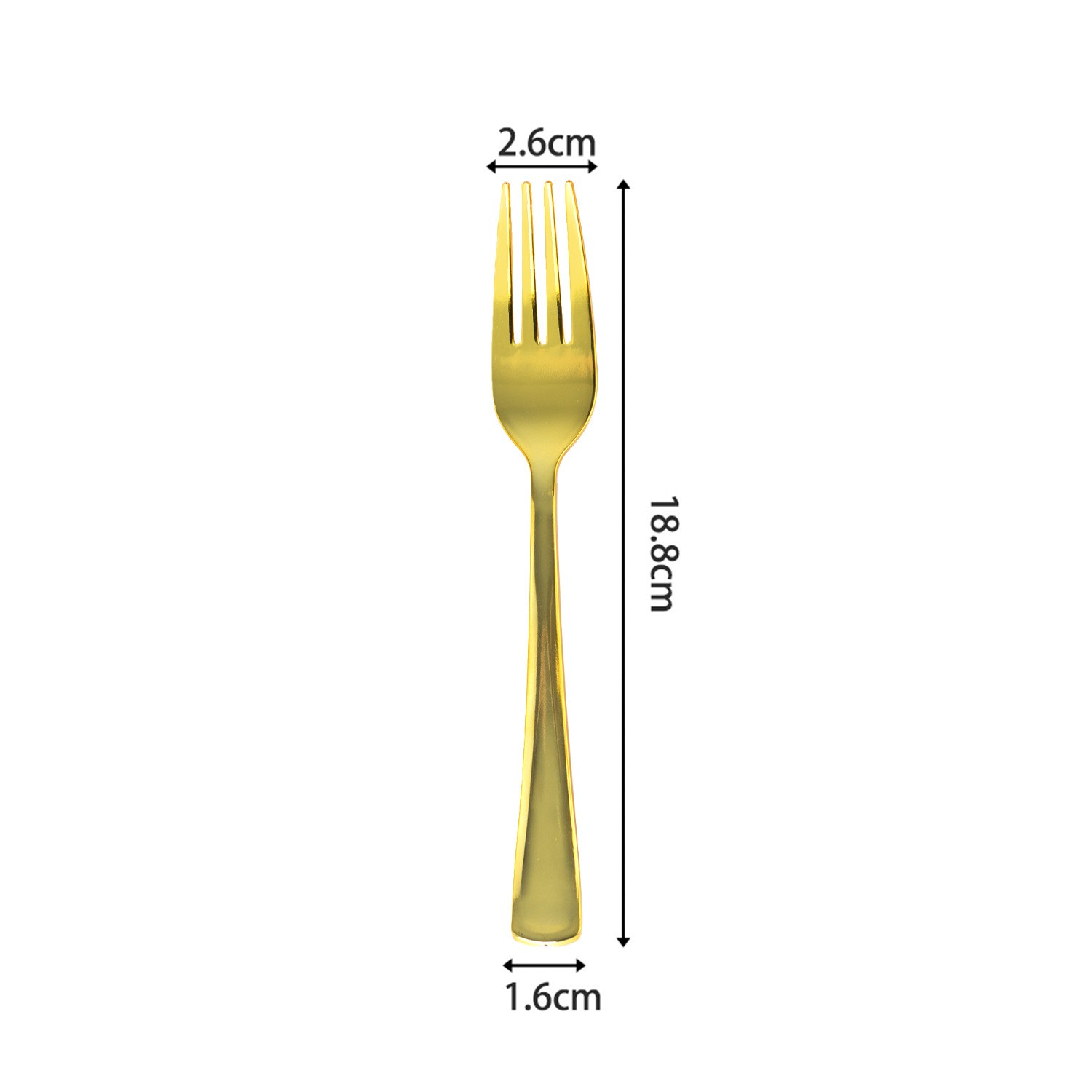
Cutlery. Gold electroplated PS fork, knife and spoon, packed 25 pieces to an OPP bag and 100 bags to a carton. Gold reads premium against a black plate and disappears against a green field cover. Full weights and packing are in our bulk cutlery guide.
Napkins. 13 × 13 inch, 2-ply, 50 g, in green, black and gold. A 2-ply dinner napkin is the minimum for wings and ribs; a cocktail napkin beside it is a second SKU, not a substitute. Ply and fold options are in the bulk napkin guide.

Outdoor game day is a different spec
Weight. 25 g/m² is the standard print base and is fine indoors. For a table that gets folded and reused outdoors, a heavier film holds its shape and resists flapping; ask for gauge options before setting a retail price point.
Fixing. Tape at the corners is not enough on a windy day. Buyers selling tailgate kits should pair the cover with clips or weights. Our outdoor tablecloth spec guide covers wind, sun and heat in more detail.
Colour in sunlight. A green field print under direct sun reads lighter than in a shop. Judge it against a master sample in daylight and hold the tolerance to a measured colour difference, not “looks close” — the same logic as our colour specification guide. Colorants used in food-contact polymers sit under a separate rule, 21 CFR 178.3297, so ask for the declaration for the exact film and ink set rather than for PEVA in general.
Building the range and writing the RFQ
A range that turns usually has four covers, three plate sizes and two cup sizes, not twelve of everything. The print carries the theme, the solids carry the team colours, and the tableware stays neutral enough to reorder in January for the play-offs.
Put these eight lines in the enquiry and the quotation will be comparable across factories:
1. Print name and repeat length, plus whether the white lines are printed or unprinted.
2. Base film and gauge in g/m², and whether a heavier option exists.
3. Cut size and the table it is meant for (6 ft, 8 ft or round).
4. Colour target with a master sample or a measured tolerance.
5. Plate sizes and weights, and whether the gold is printed or plated.
6. Cup sizes in ml and the rim diameter, since lids and racks follow the rim.
7. Napkin size, ply and colour, matched to the cover.
8. Inner pack, carton mark and whether the range ships as a mixed pallet.
We run film, print and cutting in one plant, so a field print, a solid cover and the matching napkin can be approved against the same colour standard instead of three. Start with a sample set of the field print plus two solids. Send the table size and the team palette through our quote process, or browse the plastic tablecloth category and the party set range to see what is already in production.
Next step. Send your game day spec — print, table size, gauge and colour target — through how we quote, or contact us for a physical sample set before the season order is placed. Related reading: how print repeats and panels work on a 54 inch film.