
A printed birthday tablecloth has to work for twelve months, not six weeks. There is no licence, no date and no countdown: a balloon print sold in March has to look current in September and survive a reorder without a visible colour shift. That is why the birthday family is usually the deepest line a party-goods buyer carries, and the line where one small specification mistake gets repeated across every size. This guide takes the decisions in the order they come up, from the table itself to the film under the print.
What a birthday table actually needs
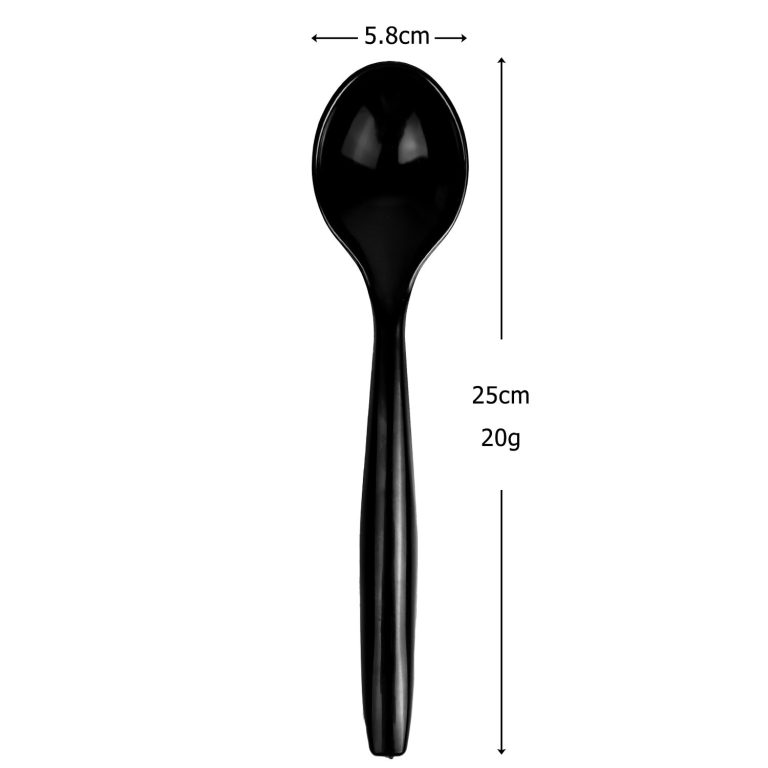
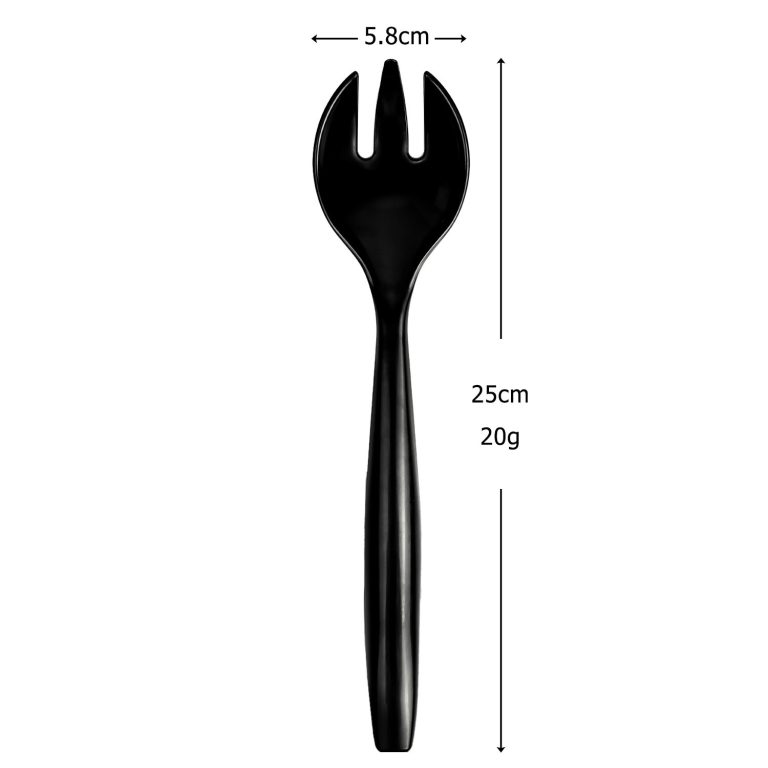
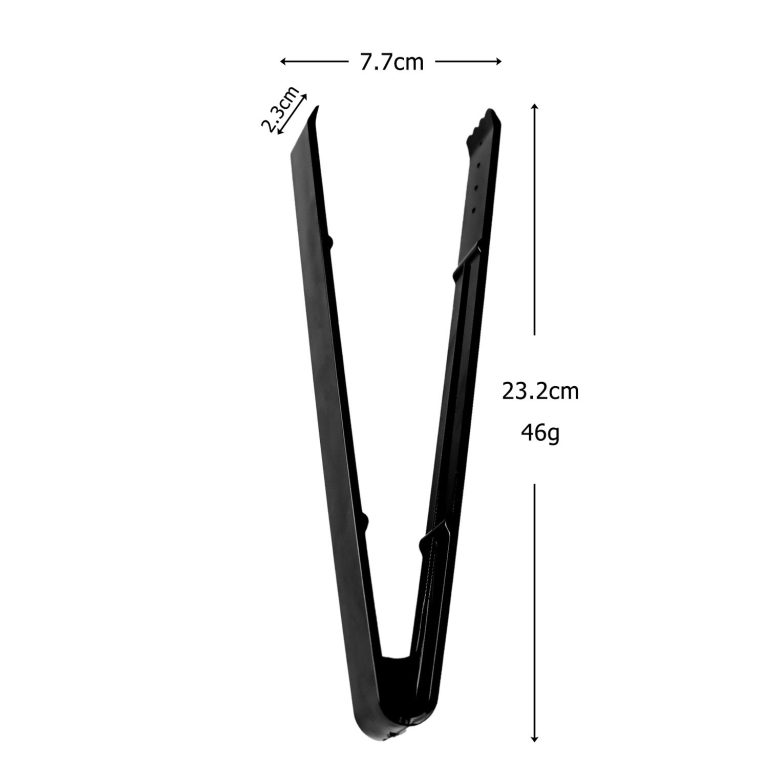
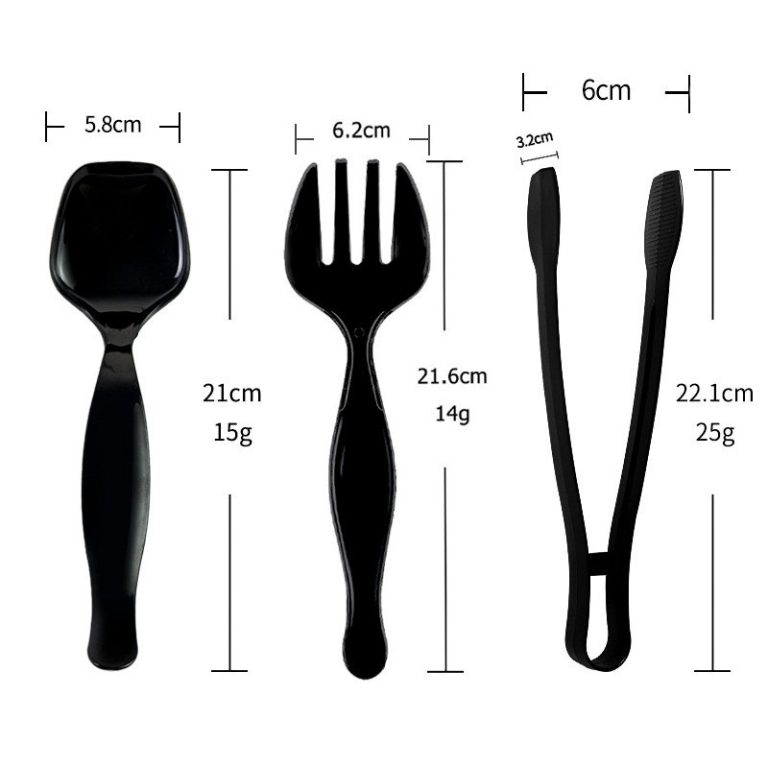
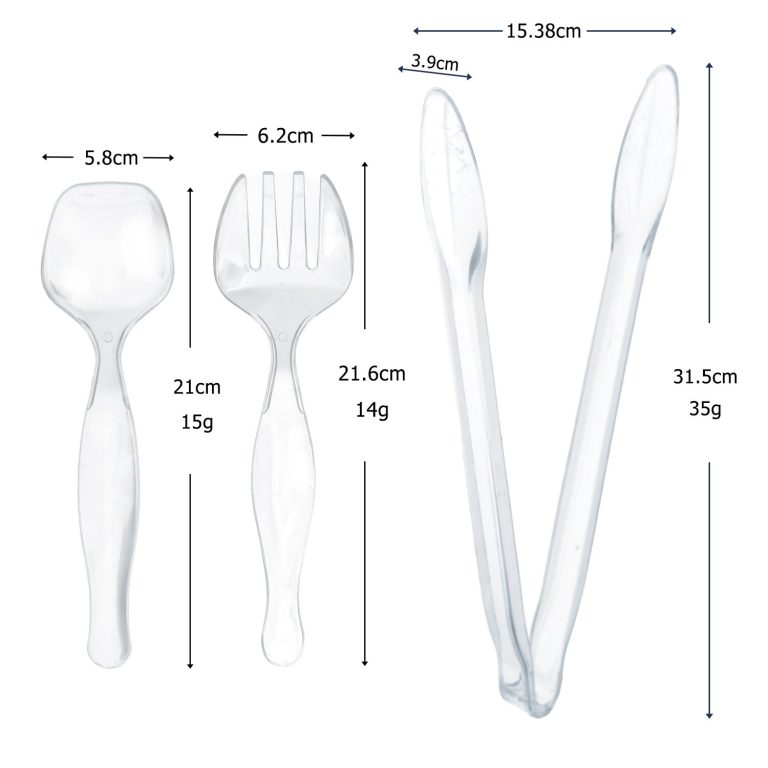
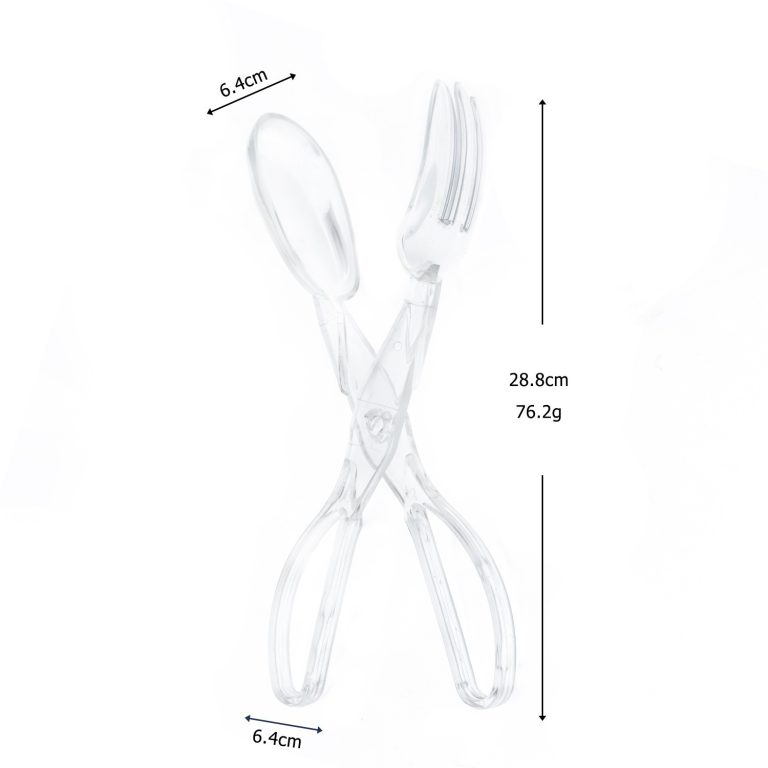
A birthday table is assembled from five parts: the cover, the plates, the cups, the napkins and the cutlery, plus a second cover or a runner for the cake and gift table. The cover is the largest printed surface by a wide margin, so it sets the colour story. Buyers who start from the plates often end up with a cover whose ground fights the tableware they already stock, and the mismatch shows in every photo taken that afternoon.
So the order of work is: choose the cover print, pull two or three solid colours out of it, then match napkins and cutlery to those solids. Our guide to how party sets are built and colour matched covers the counting and packing side; this article is about the printed cover at the centre of the table.
The artwork has to work at 54 x 108 inches
Our birthday prints are surface printed on cast film and laid out as a repeat across the 54 in width of the web. Two failures show up on a long table that are invisible on a phone screen. Motif scale: a motif drawn to sit on a 7 in plate disappears on a cover nine feet long, while one drawn for a banner looks like a billboard above a cocktail table. Placement: a centred panel, a cake or a lettering block, has to sit inside the drop on the front face rather than across the top edge where the plates cover it.
Before approving a proof, look at it at full width on a 54 in strip, or ask for a strike-off on the production film. Check where the repeat joint falls: if the repeat is shorter than the table, the join lands on the front face and reads as a printing fault. Our note on print layout, repeats, borders and panels goes through the three layout types, and the printed plastic tablecloth range shows how each type is used across designs.


Ground colour first, then the set
Two structures cover almost every birthday print: white ground with coloured motifs, and colour ground with white or metallic motifs. White ground looks brighter on a shelf, but the white is normally the unprinted film itself, so it carries the film’s own cast; PEVA can read a touch warm or cool from batch to batch and nothing on the plate hides it. A colour ground hides that variation and gives the print a stronger edge on a crowded table, but a large flat area of colour shows any mottle in the film.
Match colour against a physical master sample, not a screen. Agree one signed sample for the ground and one for the dominant motif, name the light the match is judged under, and set a tolerance in delta E, the CIE colour difference metric described in this reference and standardised as ASTM D2244. Two to three delta E is a normal commercial tolerance; above that the difference is obvious when two covers sit on the same table. The same logic applies to the solids you pair with the print, covered in our black, gold and white colour guide.


Which format fits which table
The 54 x 108 in cover is the workhorse, and the drop depends on the table underneath. On a 6 ft table, 72 x 30 in, it hangs 18 in at each end and 12 in at each side. On an 8 ft table, 96 x 30 in, it leaves only 6 in at each end: short the moment anyone sits down, so an 8 ft table wants a longer cover or two covers butted with the join under a runner.
| Table | Cover | Drop achieved |
|---|---|---|
| 6 ft folding, 72 x 30 in | 54 x 108 in | 18 in ends, 12 in sides |
| 8 ft folding, 96 x 30 in | 54 x 108 in | 6 in ends, 12 in sides: short |
| 60 in round | 84 in round | 12 in all round |
| Cake or gift station | Runner | Centre strip only |
A cover can be turned so the 54 in side runs along the table when the print is non-directional, but lettering or a cake panel cannot be rotated without reading sideways. Round tables work from diameter plus two drops, the same formula as the rectangle; the size and drop chart starts there for every shape we make.
What the film weight does to the print
Most printed covers we quote run at 25 g/m2 PEVA as standard, and the balloon and birthday cake prints are listed at 0.03 mm cast PE, 96 g for 54 x 108 in. Those numbers describe the same film: 25 g/m2 across a 54 x 108 in cover works out at roughly 94 g, and 0.03 mm is the same gauge as thickness. When a quotation gives grams per square metre and a proof is discussed in millimetres, pin the unit down before the order.
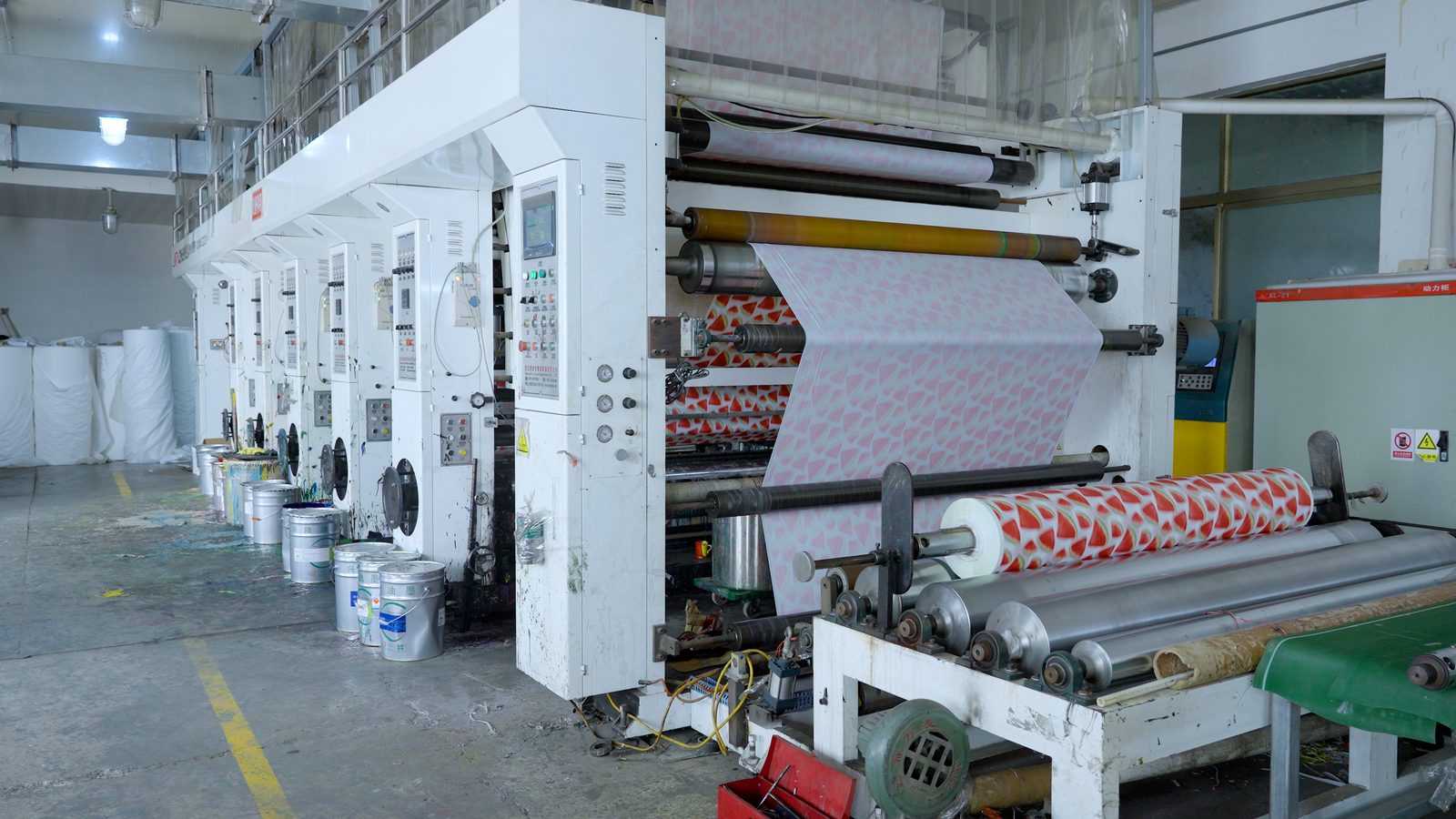
The print consequences are real. A lighter film stretches more through printing and rewind, so registration wanders and a tight motif starts to look soft. It is also more translucent: over a dark table a white ground picks up a grey cast and a colour ground loses saturation. If the venue uses dark laminate tables, film weight is part of the design, not a cost detail. The mil, micron and gsm conversion guide covers the units, and how the film and print line work shows where the gauge is set.
Theme mix by age band
Birthday prints sell by age band, not by pattern alone. A fourth birthday and a fortieth are different aisles even when both use a balloon.
| Age band | What the print has to do | Prints in our range |
|---|---|---|
| 0 to 3 | Few, large motifs and soft edges | Birthday balloon, candy |
| 4 to 7 | One clear theme, strong colour, motif readable across a room | Unicorn, rainbow, starry sky |
| 8 to 12 | Louder and more graphic; the child chooses | Dog claw, cow pattern, sports field prints |
| Teens and adults | Minimal, metallic, or black and white; print as accent | Black and white birthday party, solids with a runner |


A workable retail mix is three or four prints per band: one proven design in depth, two tests, and the same design repeated as a cover and a runner so the story holds across the cake table. The range runs ten birthday and kids’ prints on one 54 x 108 in base, from the birthday balloon cover and the cake print to rainbow, so every print shares one format and the carton plan stays simple.
The nine-line order sheet
Most birthday print orders that go wrong were never written down. Nine lines lock one:
- Print reference and proof version, the file name both sides will quote back.
- Format, 54 x 108 in, 84 in round or runner, with the table it is meant for.
- Film, 25 g/m2 PEVA or 0.03 mm cast PE, plus the finish.
- Ground colour and tolerance, master sample reference and the delta E limit.
- Food-contact paperwork, under 21 CFR 177.1520 for the olefin film and 21 CFR 178.3297 for the colourants.
- Packing, pieces per bag and per carton, confirmed on the quotation.
- Carton marking, print name and format outside, so a mixed container can be picked without opening cases.
- Samples, one signed master retained by each side, replaced only by written agreement.
- Container mix, how many prints and how many cartons of each, so the loading plan is built once.
Two checks catch most of what is left: a strike-off before bulk, and a photo of the first carton opened against the master sample. The film is printed by surface printing, the process described here, which is why registration and repeat length, not colour alone, decide whether a design survives a long table.
Building the range with one supplier
We have been casting PE and PEVA film, printing party tablecloths and packing them in Changzhou for twenty years, so artwork, film gauge and carton are settled in one building. If you are building a birthday range, send the table sizes you sell to and the plate colours you already stock: we will come back with prints that fit that set, samples on the production film and a carton plan.
Next step. Send your table sizes and the plate colours you already stock through our contact page, or read how we quote before you write the enquiry.