
Most cutlery quotes look the same on the first page: a price per 1,000 pieces, a photo of a fork, and a lead time. The differences that decide whether a set works on a buffet line or snaps in a takeaway bag are all in the specification — gram weight, tine depth, bowl capacity, packing format and carton count. Buyers who skip those five lines usually discover the gap after the container lands, when the forks bend under a steak or the kits arrive without napkins.
This is a working checklist for comparing plastic cutlery sets, written from the specification side. Every number below is something you can ask a supplier to confirm in writing before you place a sample order.
What a “set” actually means in a carton
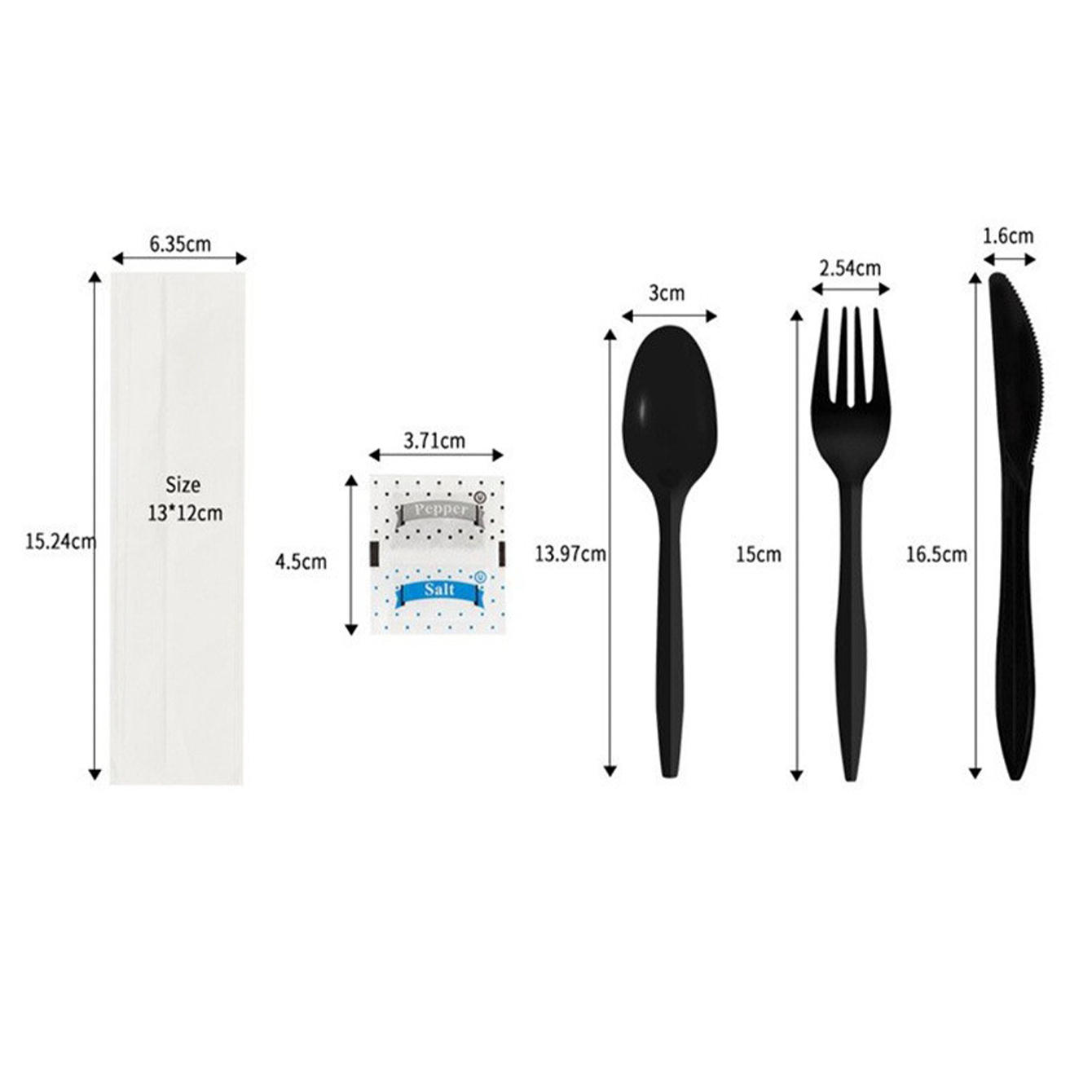
The word set covers three different products, and quotes are rarely explicit about which one you are buying. A piece set is loose cutlery counted by weight or by piece — fork, knife and spoon sold separately or bundled. A kit is a pre-packed unit, usually one fork, one knife, one napkin and sometimes salt and pepper, wrapped in film or a paper sleeve. A table set adds a plate, cup or bowl and is packed as a single retail unit for party and catering channels.
The labour, film and counting cost sits in the kit, not in the moulding: a kit can carry 15–30% more cost per piece than the same cutlery sold loose. If a quote says “sets” without pieces per kit, packing material and units per carton, the number is not comparable yet.
Check 1: gram weight per piece
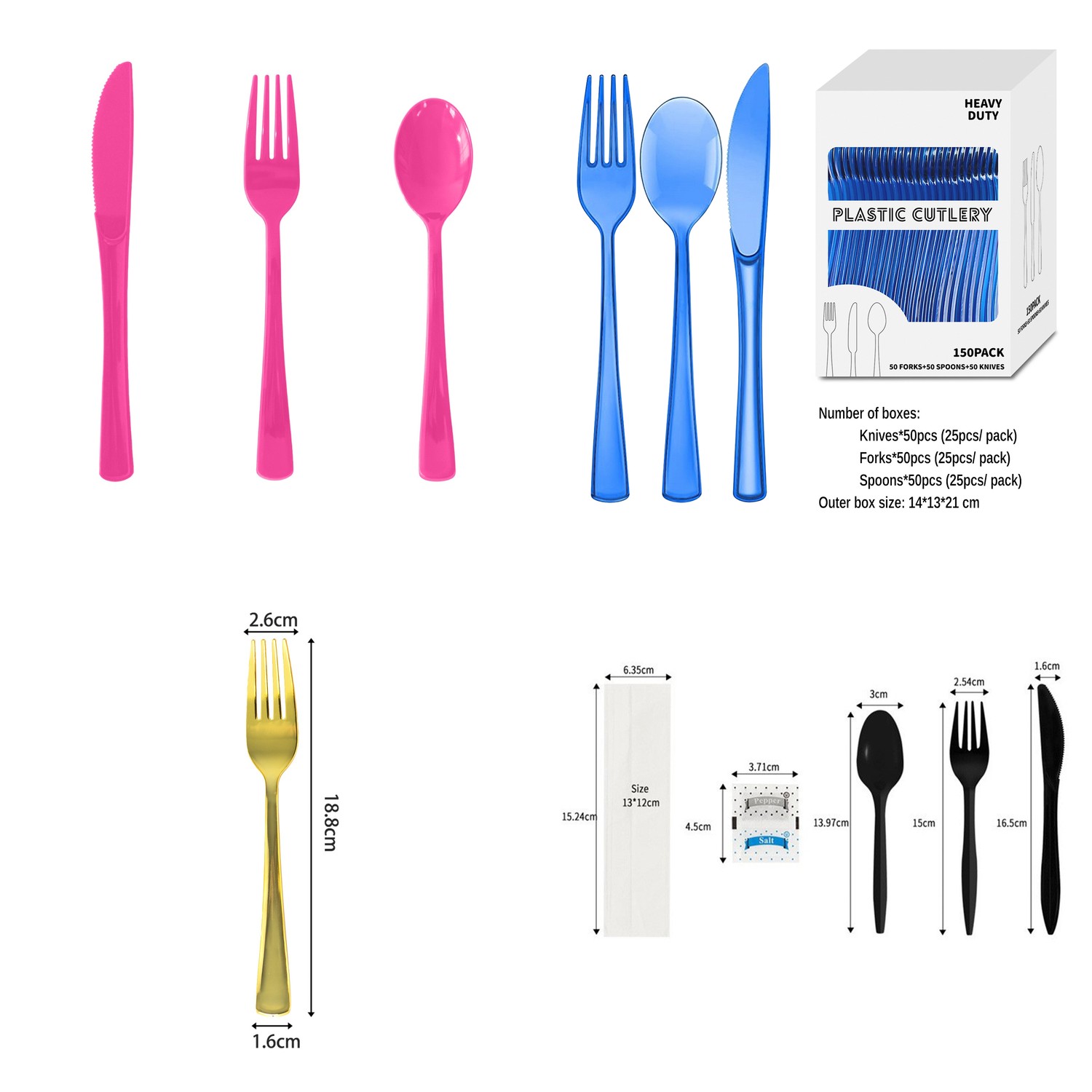
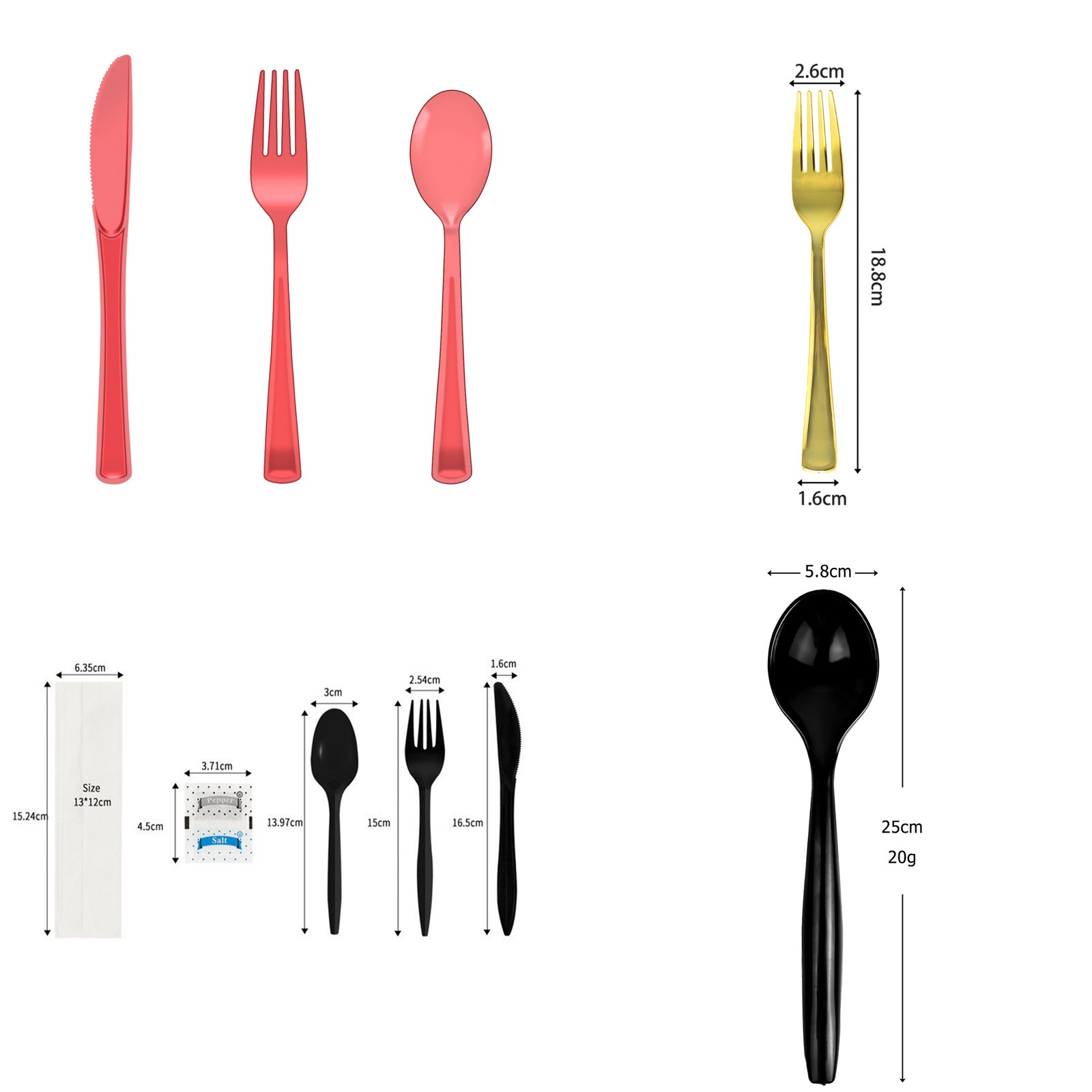
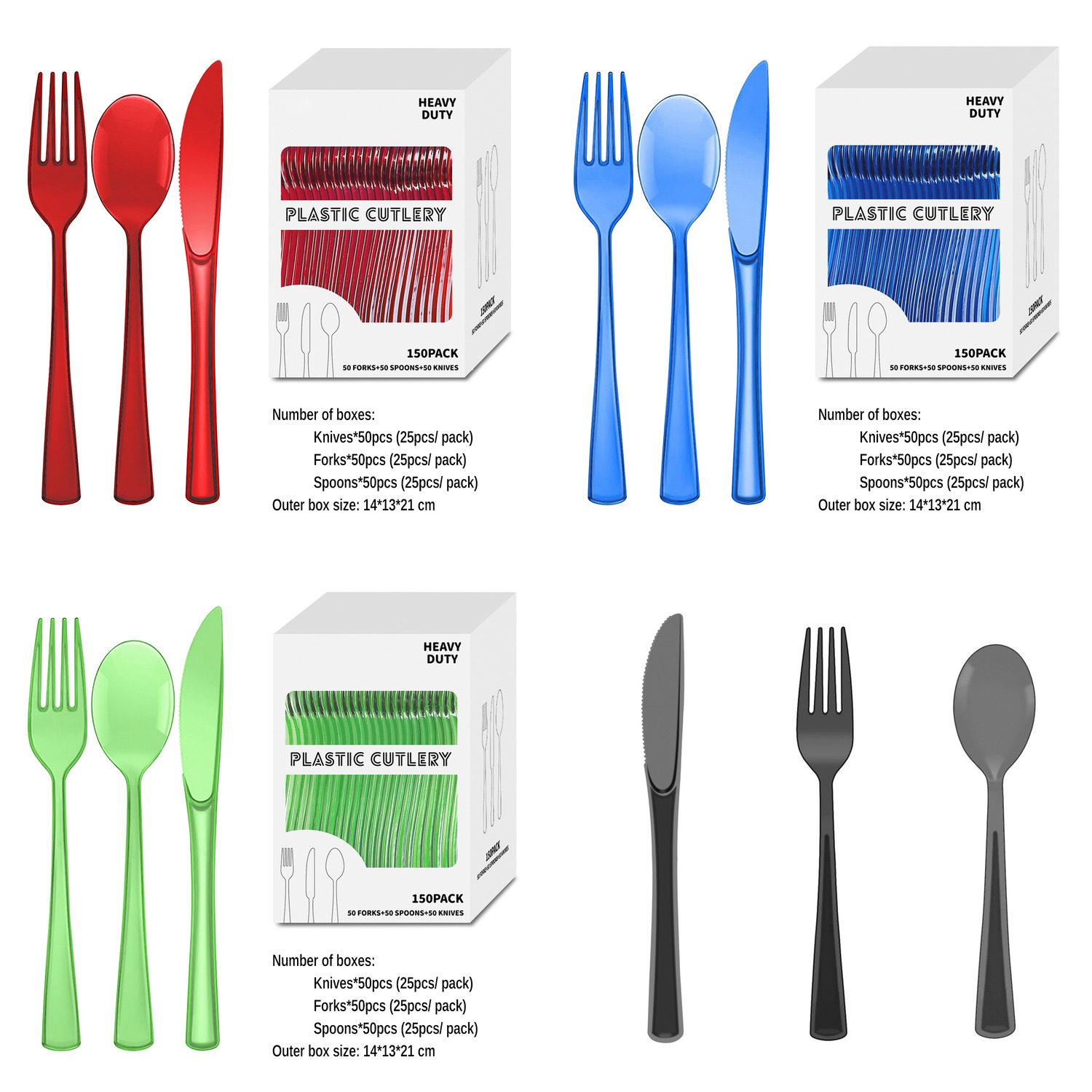
Weight is the single most reliable proxy for stiffness, and it is the first number to put side by side. Party-grade forks commonly run 2.5–3.5 g, food-service grade 4–5.5 g, and heavy-duty 6–8 g. A fork that is 2 g lighter than the sample you approved will feel different in the hand even when the shape is identical, because the difference is wall thickness.
Ask for weight per piece per item, not an average across the set. Knives are usually the heaviest piece and spoons the lightest, so an averaged figure can hide a fork that has been thinned. If the supplier quotes a range, ask which end of the range the production runs sit on. Our own grade and bench-test breakdown is set out in heavy duty plastic cutlery grades, which is the reference we use when a buyer asks what “heavy duty” means in grams.
Check 2: tine count and tine depth
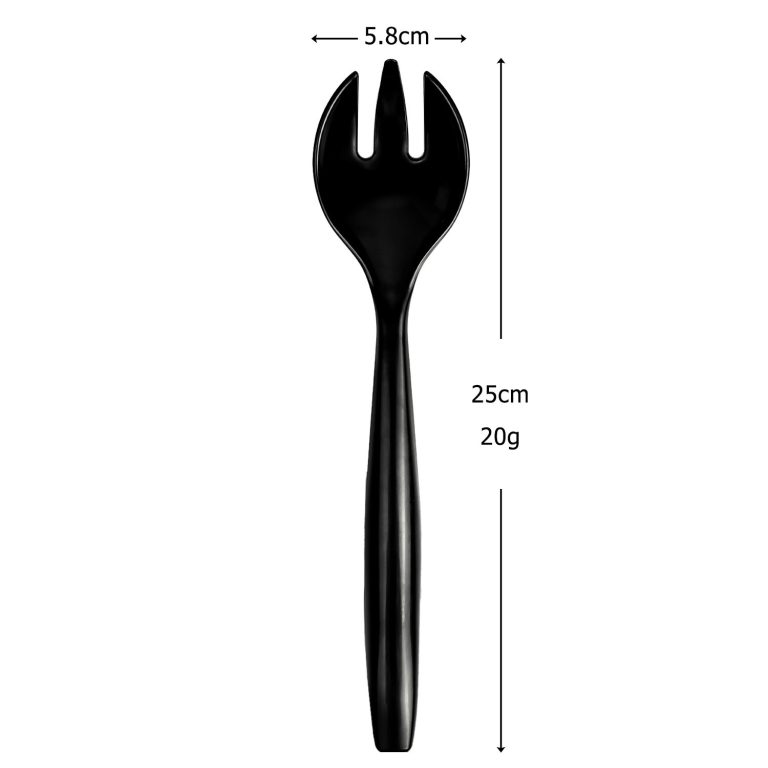
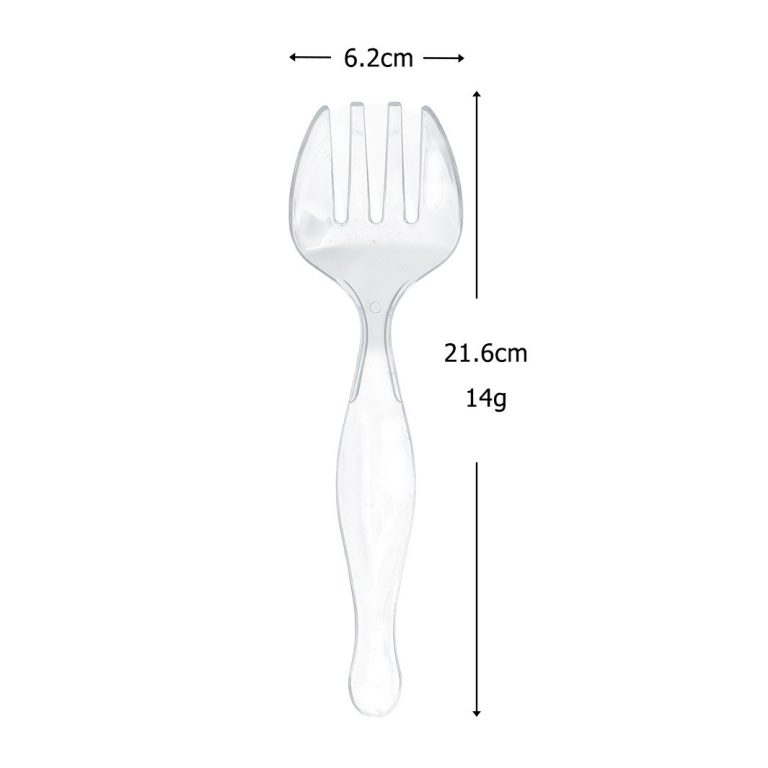
A four-tine fork with shallow tines is a party fork wearing a food-service shape. Tine length and the slot between tines decide whether the fork holds a piece of cake or drops it, and tine tips decide whether the piece scratches a coated plate. For catering, ask for the tine depth in millimetres and whether tips are rounded or squared.
Three-tine forks are cheaper and fine for salad and dessert; four-tine forks with deeper tines cost slightly more and are what most buffet and takeaway programmes standardise on. This is also where samples earn their keep: bend a fork 30 degrees and let it return. If it whitens at the bend, the resin is brittle and the piece will crack in transit or in a hot bag.
Check 3: spoon bowl capacity
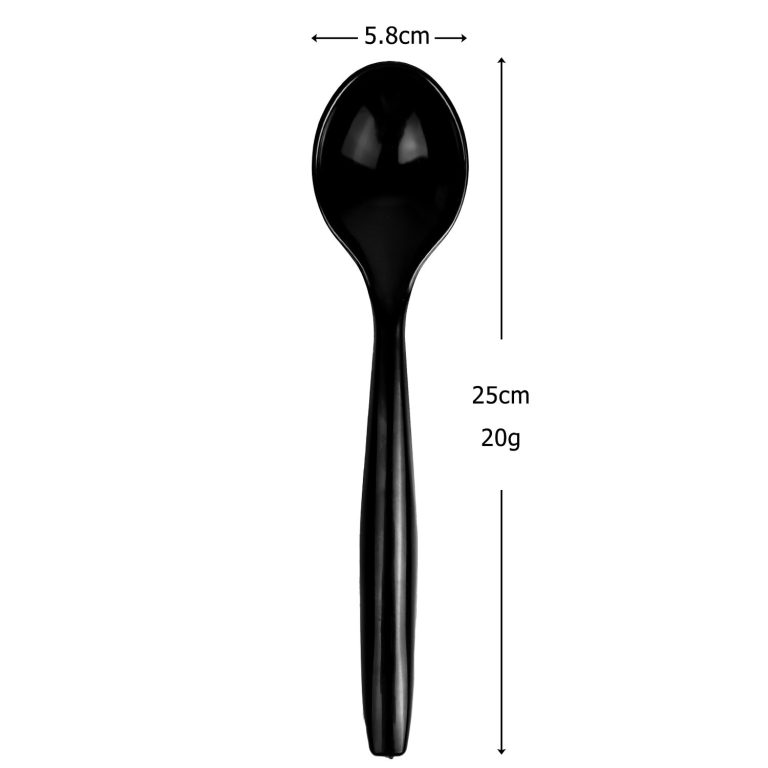
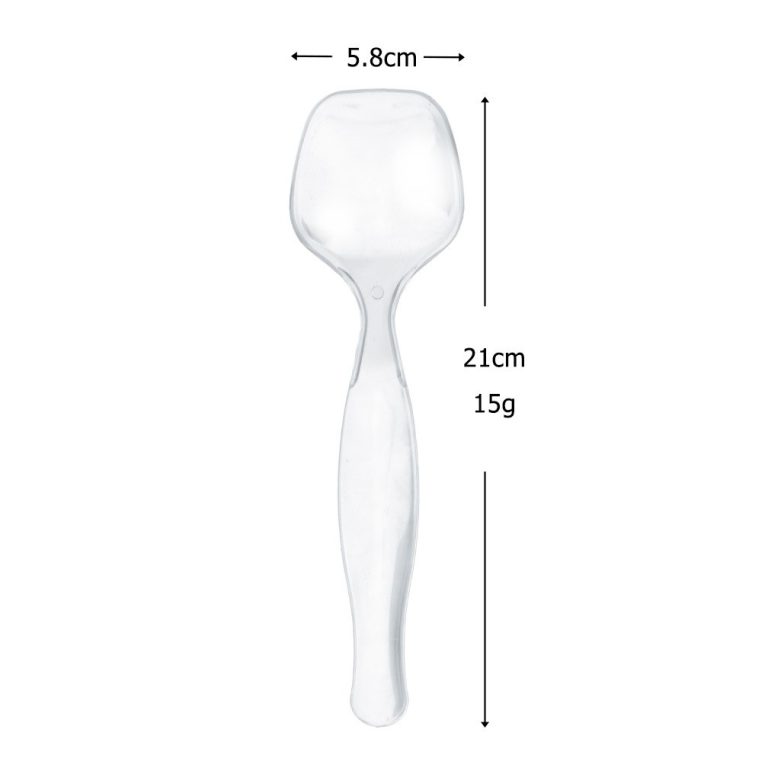
Spoons are specified by bowl volume far more often than by length, and the difference between a 5 ml dessert spoon and a 10 ml soup spoon is what makes a set feel wrong at the table. Ask for bowl capacity in millilitres, bowl depth, and whether the spoon is a teaspoon, dessert or soup profile.
For dessert and ice-cream service, a shallow wide bowl scoops cleanly; for soup and takeaway, a deeper bowl with a straighter front edge empties better. If your programme mixes hot and cold dishes, confirm the resin: PP handles heat, PS gives a clearer look but softens earlier. The material comparison behind that choice is covered in our clear plastic cutlery guide.
Check 4: knife edge and handle
Plastic knives are serrated or smooth, and the choice is a service decision rather than a cost one: serrated edges cut protein and fruit, smooth edges are safer for children’s sets. Ask whether the edge is moulded or post-cut, since post-cut edges are sharper and add a process step.
Flat handles stack tightly in buffet dispensers; two-tone and riveted-look handles photograph better for retail. If you sell individual kits, confirm the knife and fork inside each kit match by weight.
Check 5: packing format
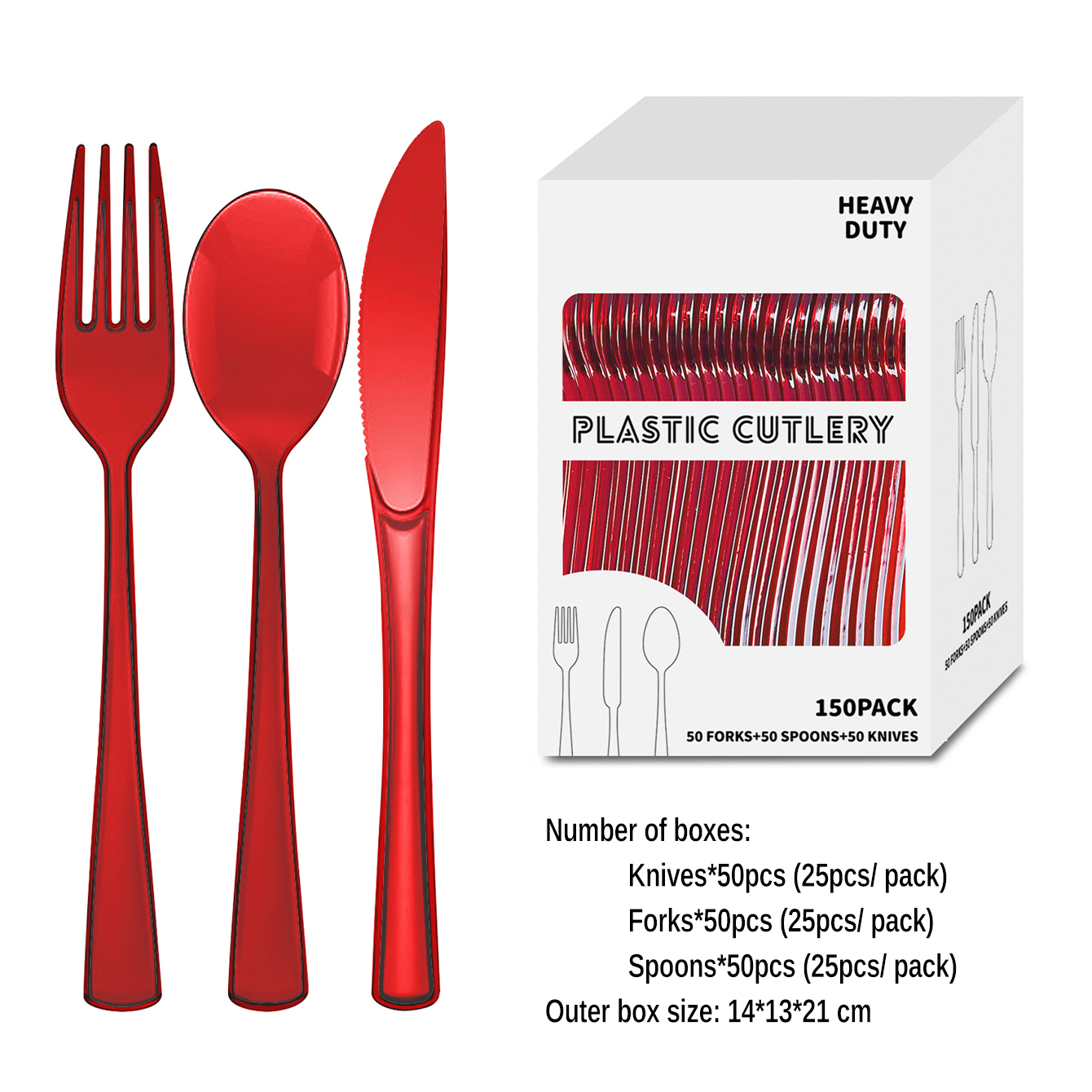
There are four formats worth quoting separately: loose bulk in a poly bag, sleeved bundles, single-piece wrapped kits, and napkin kits that pair the cutlery with a paper napkin. Each one changes pieces per carton, cartons per pallet and the handling cost at your warehouse.
Confirm three figures per format: pieces per inner bag, inners per carton, cartons per pallet. If kits are part of the order, state whether the napkin is included and at what ply and size, because a 2-ply 33×33 cm napkin is a different cost line from a 1-ply cocktail napkin.
Check 6: carton maths and cost per 1,000 sets
Convert every quote to cost per 1,000 finished units: cost per piece × 1,000, plus packing material, plus any kit assembly. Then divide by pieces per carton to see how many a container carries, because freight is charged on volume as much as weight.
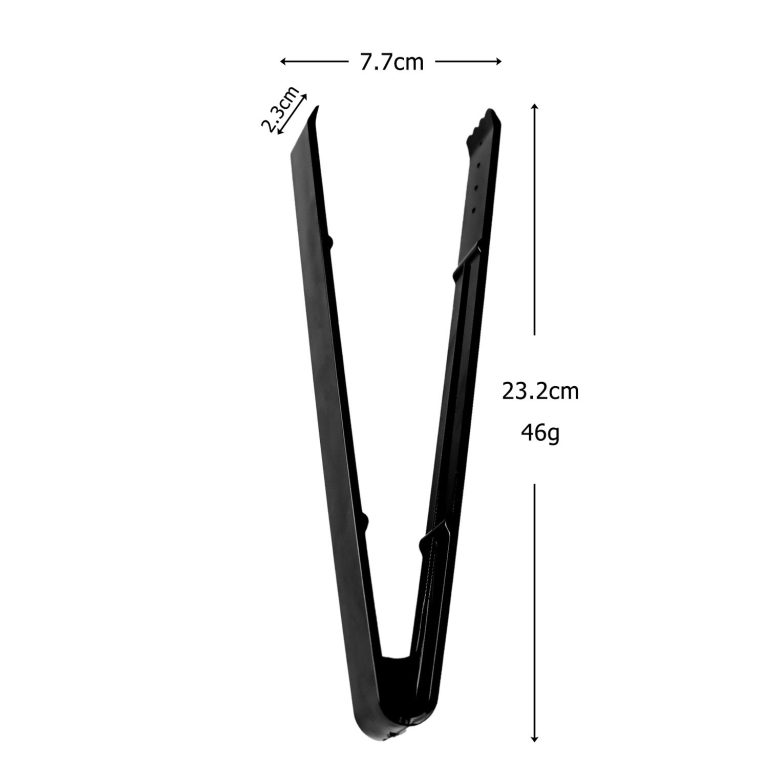
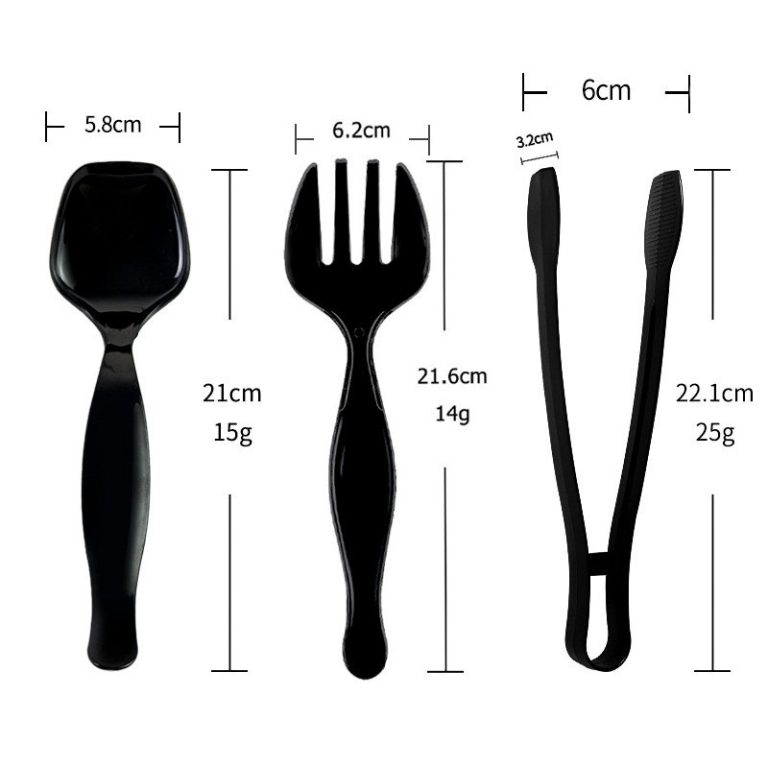
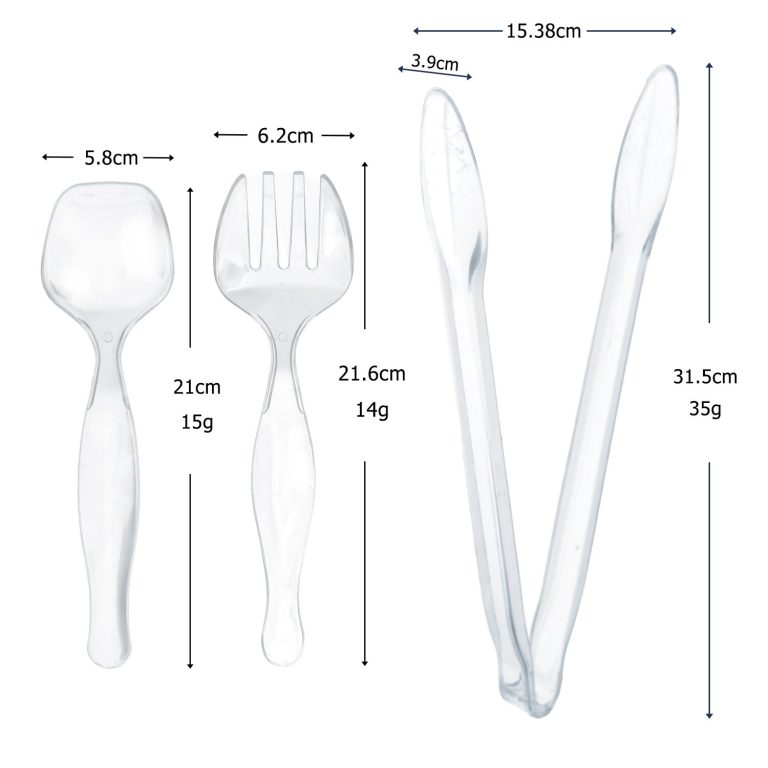
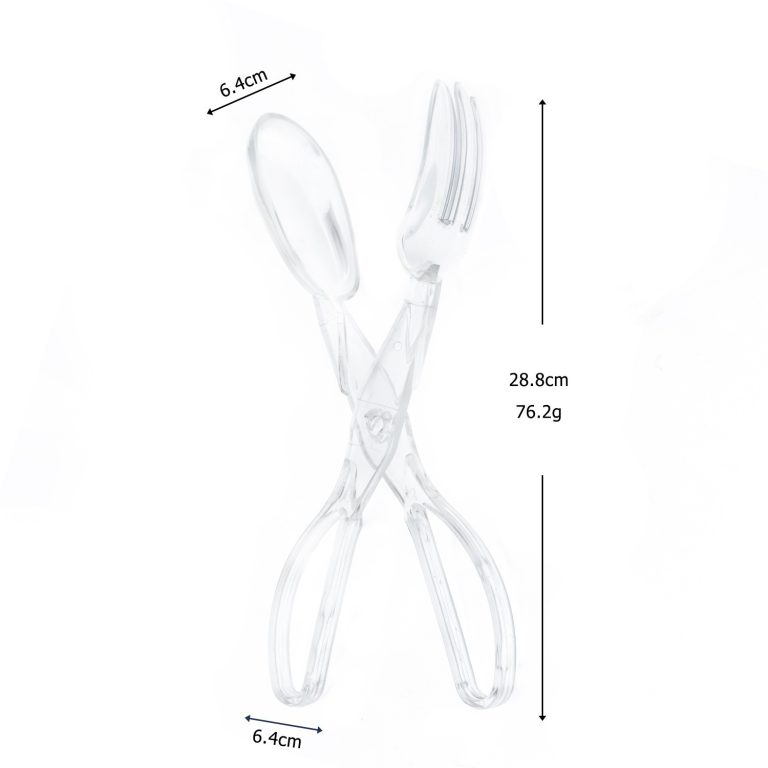
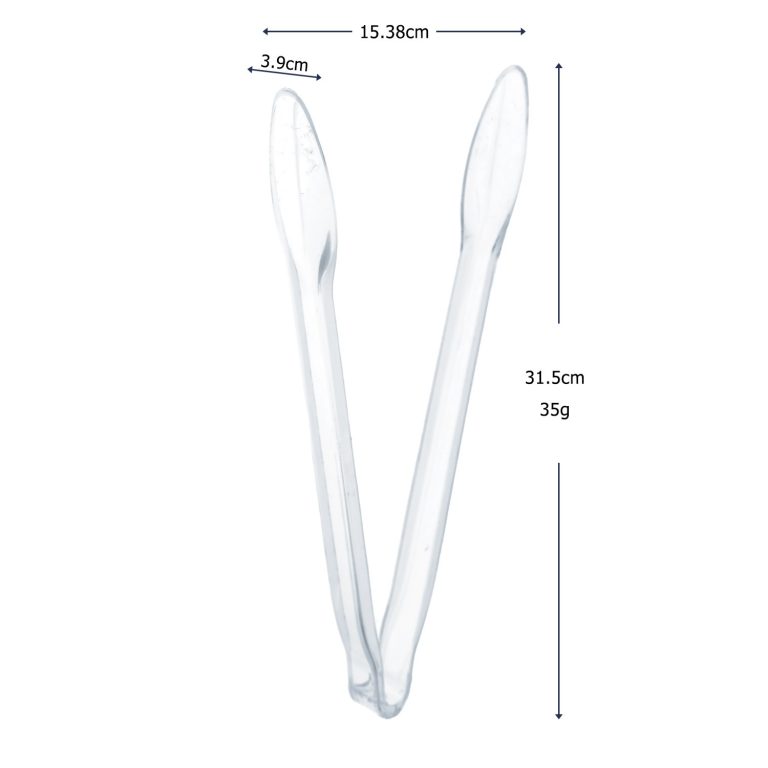
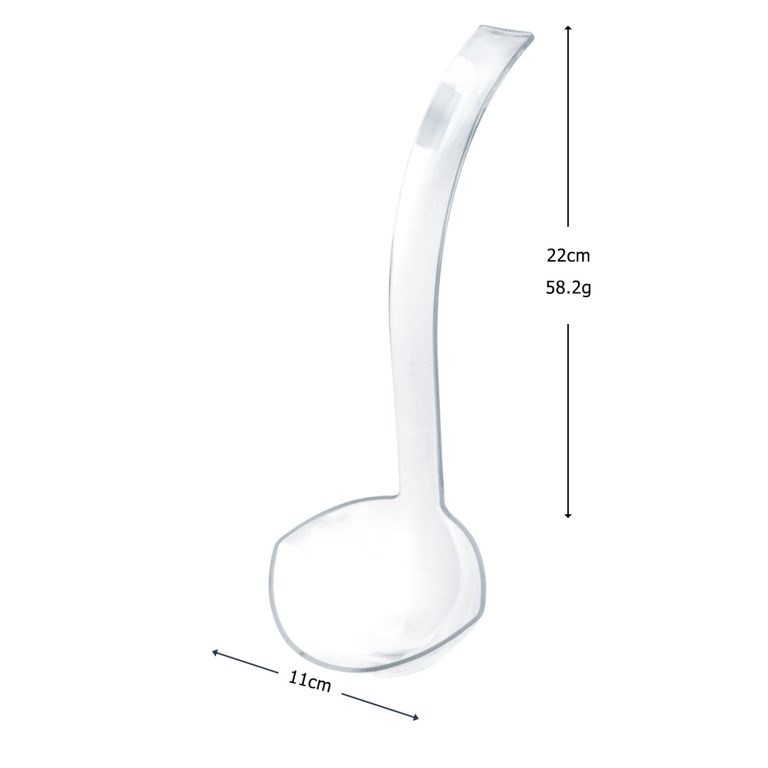
A set that is 8% cheaper per piece but 20% bulkier in the carton can lose money on a full container. Our bulk cutlery guide walks through the same conversion with worked numbers, and the same logic applies to serving utensils if your programme includes tongs and serving spoons.
Check 7: colour matching across the table
Cutlery is bought as part of a table story, and mismatched blacks are the most common complaint we see. Black PP, black PS and black with a matte finish read as three different colours under venue lighting. If the set has to match plates, cups or a tablecloth, ask for physical samples of every component in the same colour name, and approve them together rather than one at a time.
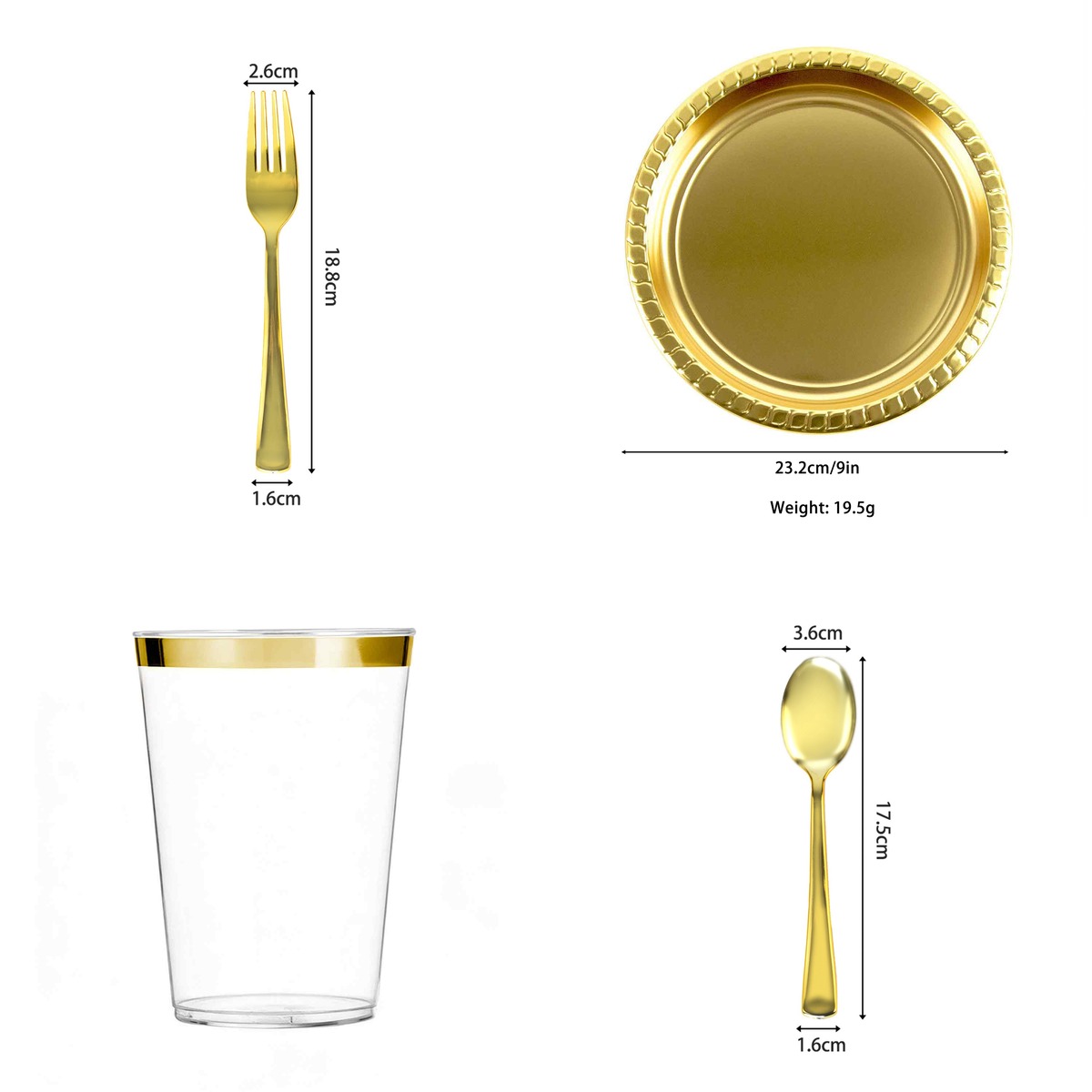
Metallic finishes are a separate case: gold and silver are produced either by pigment or by plating, and the two processes age differently. Our note on gold plastic cutlery explains which process to specify for a one-season event versus a repeatable programme.

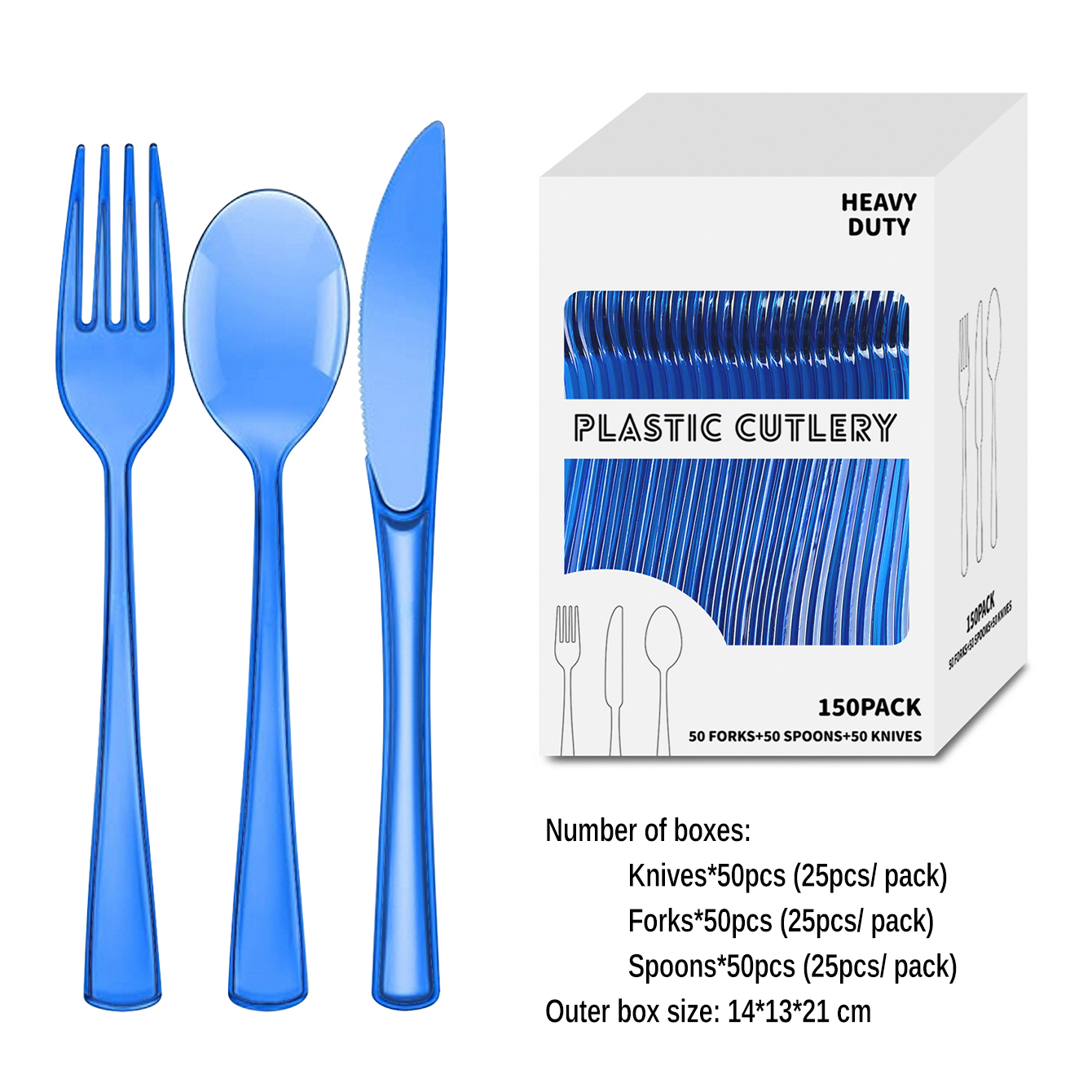

The sample order checklist
Before you approve a production run, put these on one page and have the supplier sign it: piece weight per item; tine depth and count; spoon bowl in millilitres; knife edge type; resin and heat tolerance; packing format with pieces per inner and cartons per pallet; colour reference with physical samples; food-contact declaration for the destination market; and MOQ per item, not per order.
On compliance, the two references most European and North American buyers ask for are the EU food-contact materials framework and California’s Proposition 65 warning rules. Both are published and free to check: EU food contact materials and the OEHHA Proposition 65 portal. For the general history of the product category, disposable cutlery is a reasonable starting point, but it is not a specification source.
Where this leaves a buyer
None of the seven checks is exotic. What separates a good cutlery programme from a cheap one is that all seven are written down before the first carton is moulded, so the comparison happens on specification instead of headline price. We have been moulding and printing disposable tableware for 20 years, and these are the questions our own team asks before quoting — a spec not agreed at quotation stage becomes a claim at delivery.
If you are sourcing cutlery for catering, retail kits or event programmes, send us the set composition and the destination market and we will come back with weight options, packing formats and a cost per 1,000 that can be compared line by line. Our plastic cutlery range covers forks, spoons, knives and pre-packed sets in clear, black and colour.
Next step: send your set composition and target price to our sales team, or read how we quote to see what we need before a price is issued.