
A hotel does not buy tableware the way a restaurant does. A restaurant buys for one kitchen and one dining room; a hotel buys for a banquet floor, a breakfast room, a pool bar, room service and a housekeeping store, often on one purchase order and against a brand standard written in another country. That difference decides which products to put in front of a hotel buyer, and which specifications to settle before pricing a tender.
Why hotel accounts behave differently
Three people influence the order and rarely want the same thing. The F&B director wants one look across outlets. The banquet manager wants a plate that does not flex when a server carries four at once. Housekeeping wants a liner that hangs straight and does not tear at the ring holes. Purchasing wants one supplier, one delivery window and one invoice.
The consequence is that a hotel will trade a slightly higher piece price for fewer SKUs. If two outlets can share a 9-inch plate and a 24 oz bowl, the property will standardise on those two rather than run four outlet-specific designs. Distributors who quote a wide colour spread often lose to a narrower, better-organised offer.
Map the service points before you quote
Walk the floor plan before pricing: each service point fails differently, and the spec follows the failure.
| Service point | Volume pattern | Item that decides it | Specification to settle |
|---|---|---|---|
| Banquet (rounds of 8–10) | 200–400 covers in one sitting | 9-inch plate, 24 oz bowl, cutlery | Rigidity, rim strength, stack height |
| Breakfast buffet | High turn, short dwell | 7-inch plate, 8 oz bowl, 8–10 oz cup | Chip resistance, lid fitment |
| Pool and patio | Seasonal, outdoor | 10–16 oz clear cup | Clarity, rim finish |
| Room service | Small, unpredictable | Cup and lid, cutlery kit | Rim diameter match, kit contents |
| Bathroom | Continuous, per room-night | Shower liner | Gauge, ring holes, length |
Banquet: what survives 300 covers
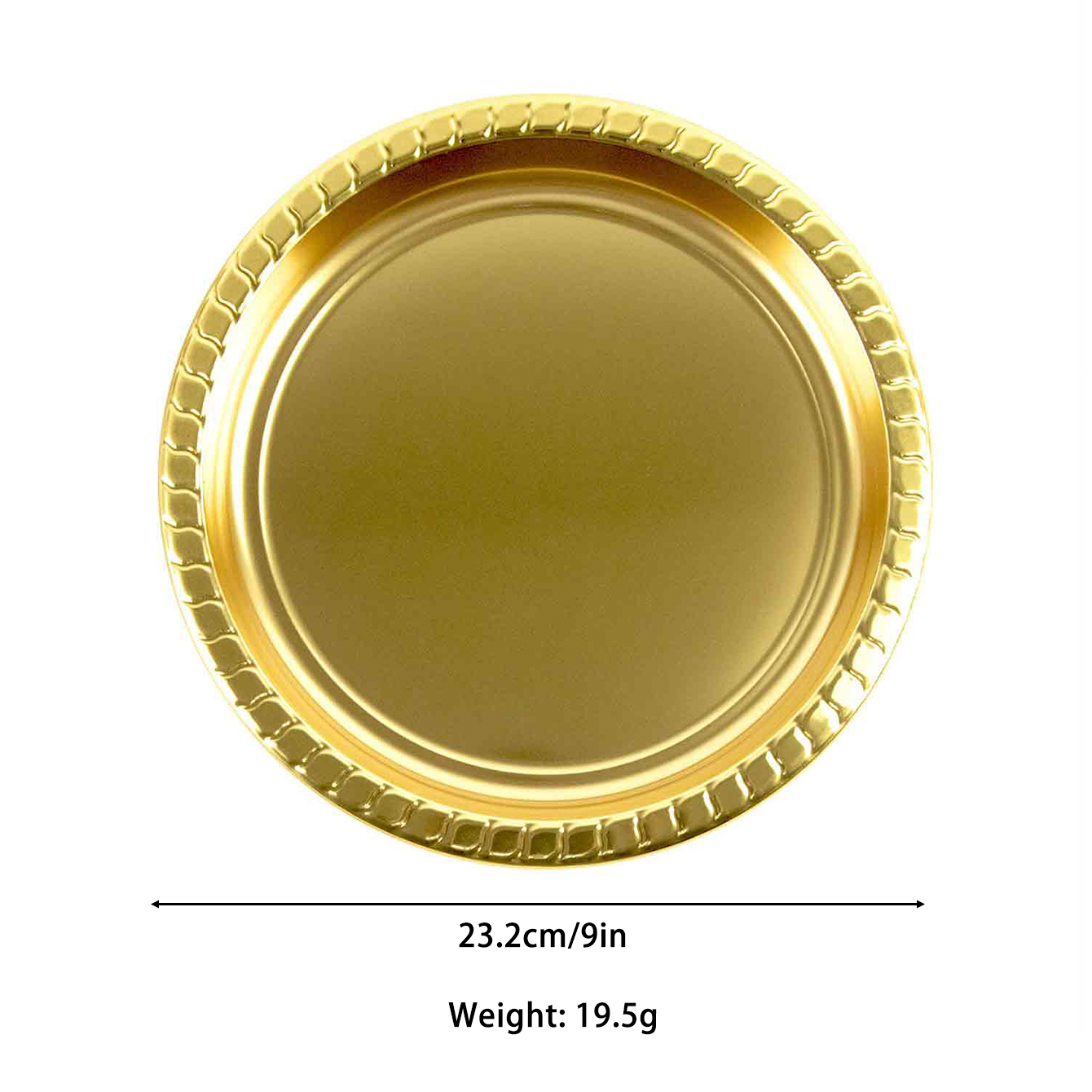
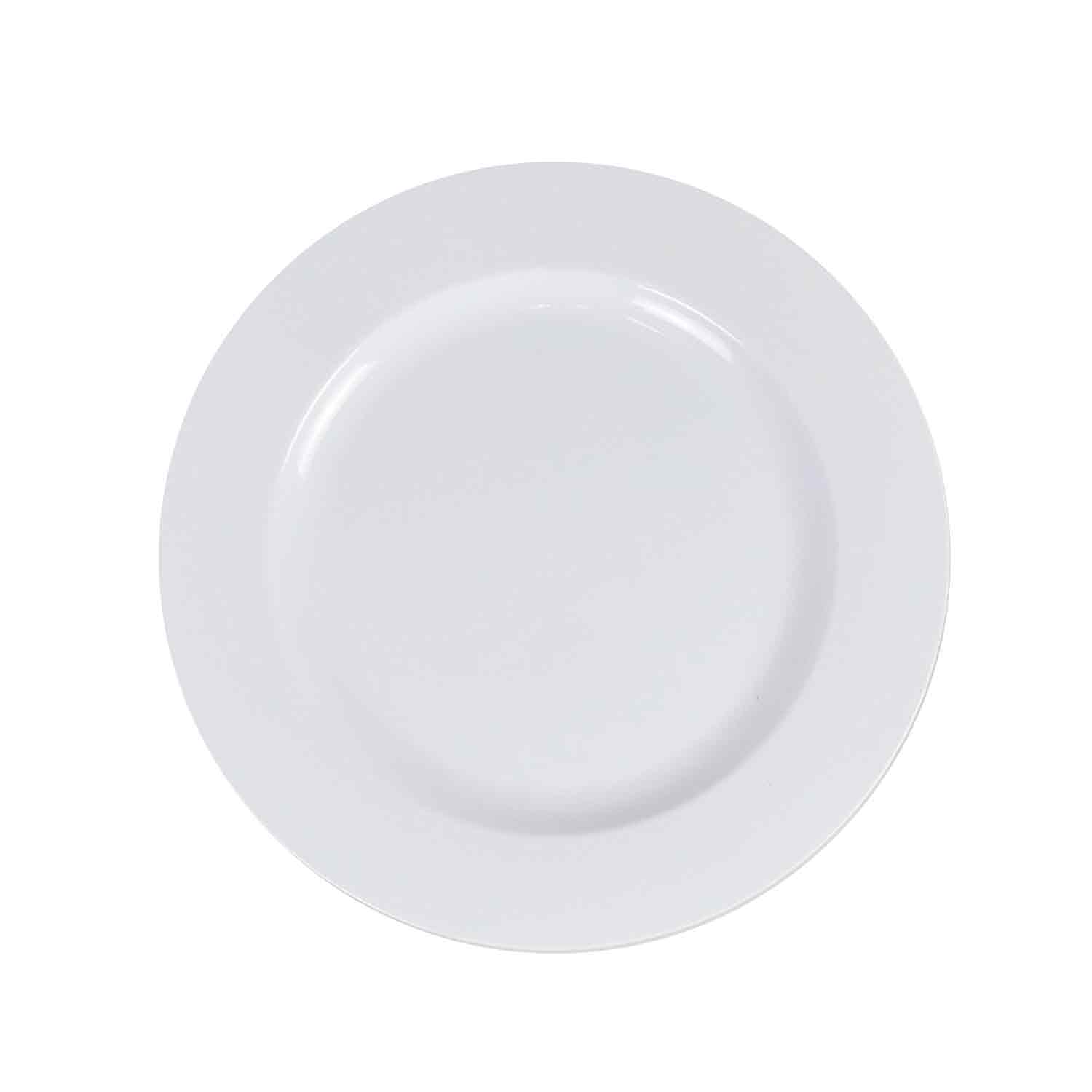
A loaded 9-inch plate leaves the pass with a protein, two sides and a sauce. A plate that flexes will spill before it reaches the table, and a rim that is only printed gold will scuff where the thumb sits. Two plates can carry the same diameter and behave nothing alike: a thin sheet-formed plate in the 19–20 g class suits a cold buffet, while an injection-moulded PS plate in the 45–50 g class is what a plated dinner needs, because the mass sits in the rim and base rather than the flat. Ask for grams per piece and rim geometry, not just diameter — the comparison is in our guide to heavy duty disposable plates and grams per piece.
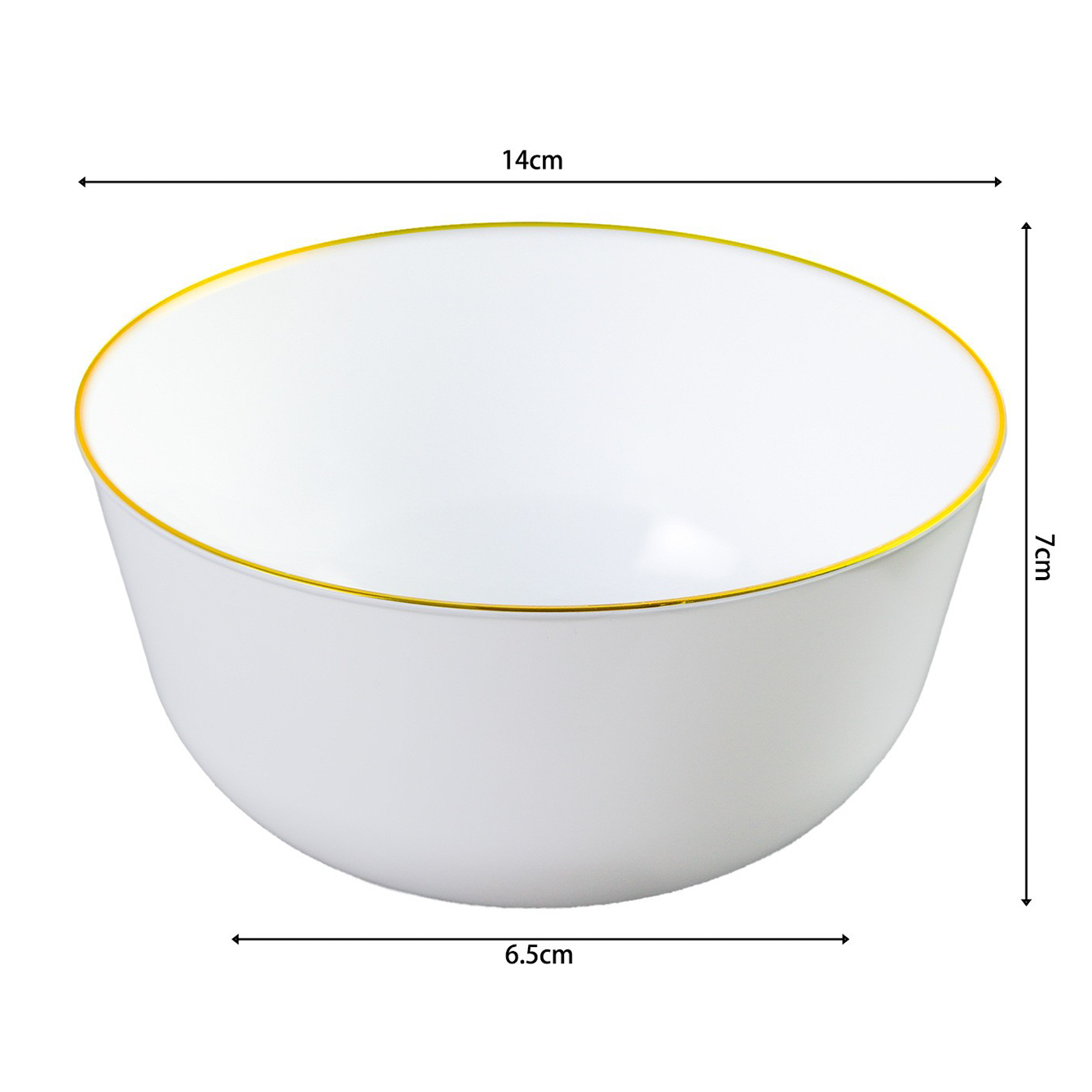
Bowls are usually specified too small. A 24 oz bowl covers soup, pasta and dessert at a banquet; 8 oz belongs at breakfast. Our plastic bowls in 8, 14 and 24 oz share a rim family, and the 9-inch and 7-inch plastic plates follow the same finish, so one look runs across courses.
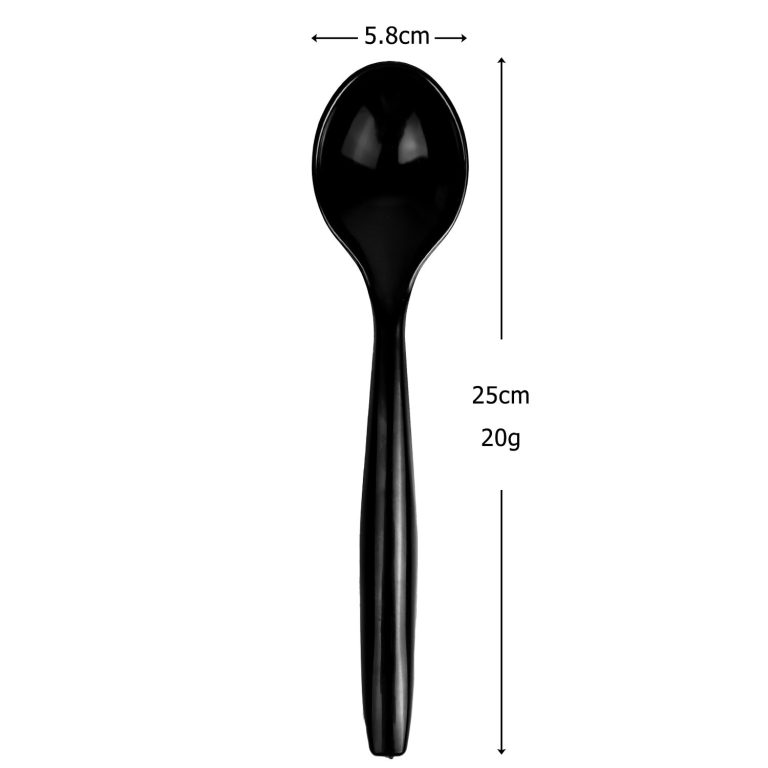
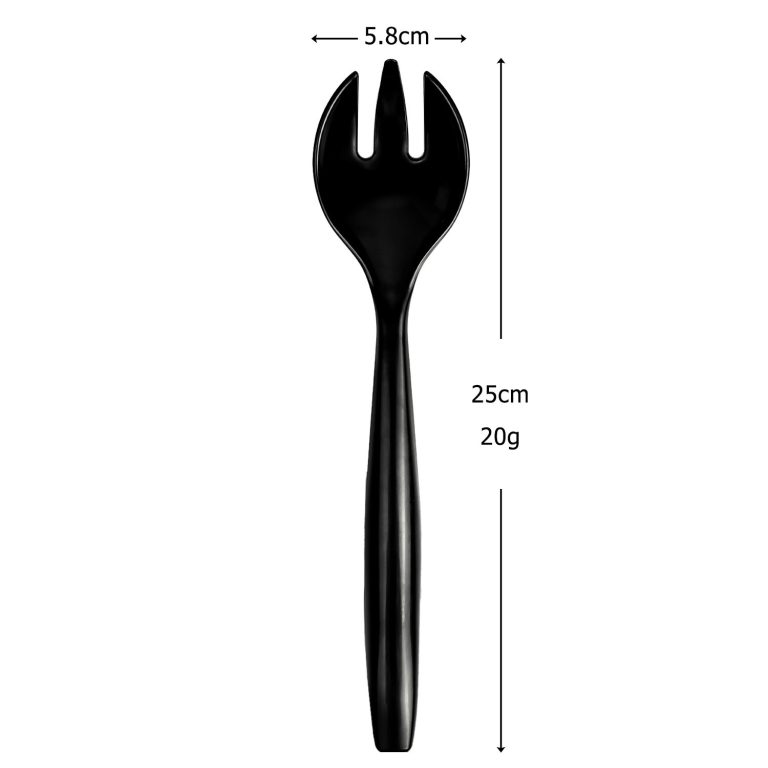
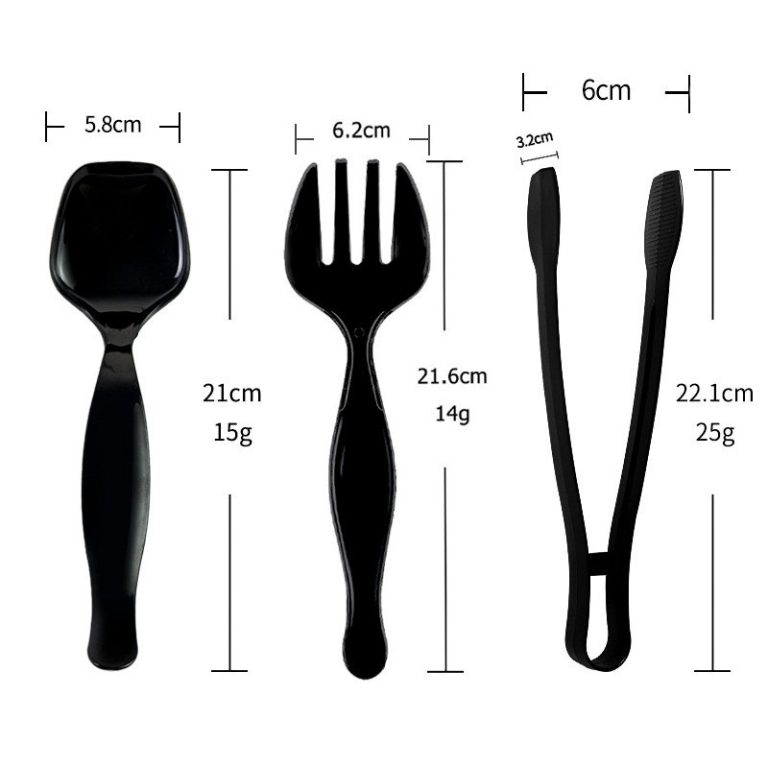
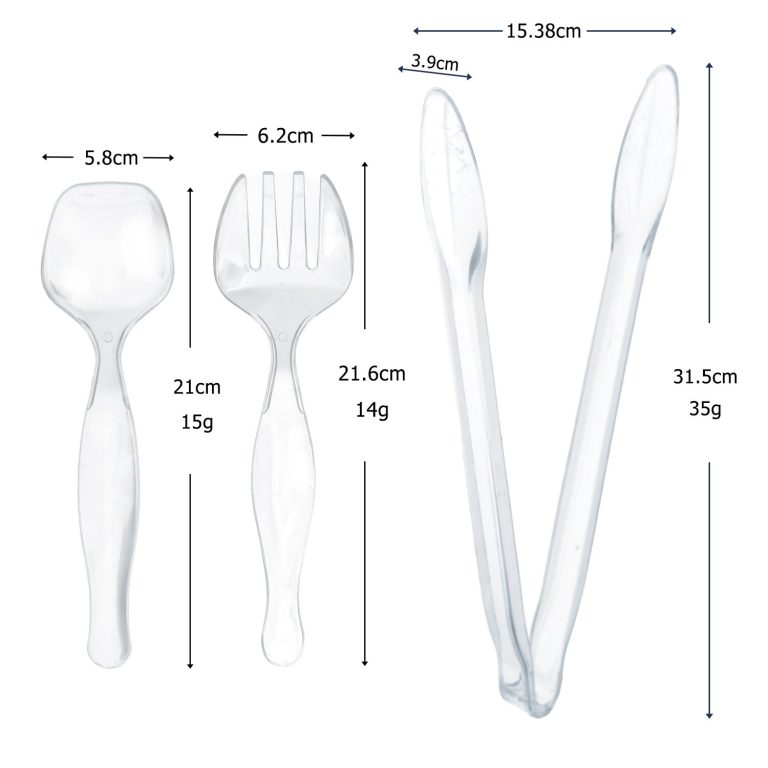
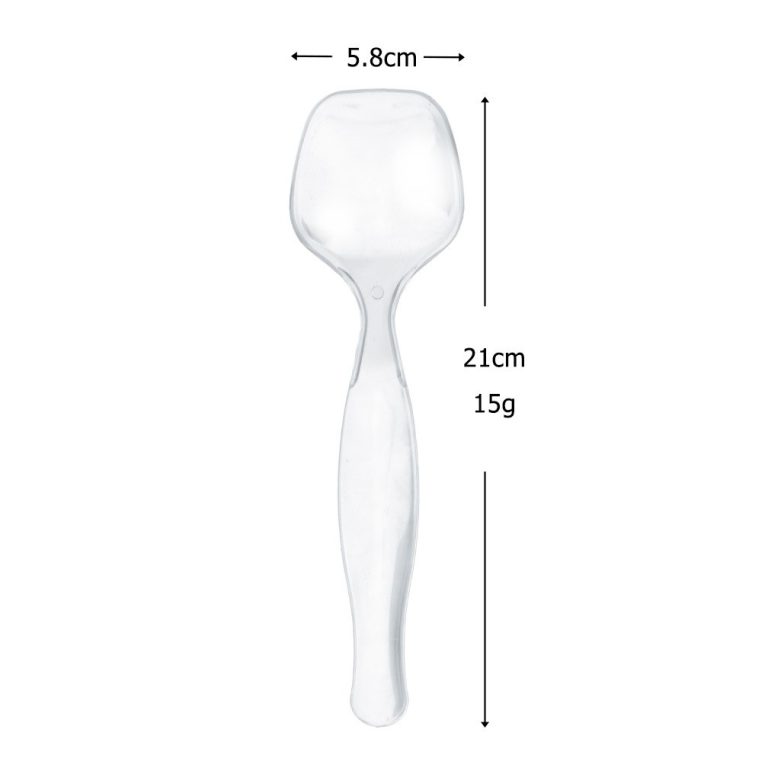
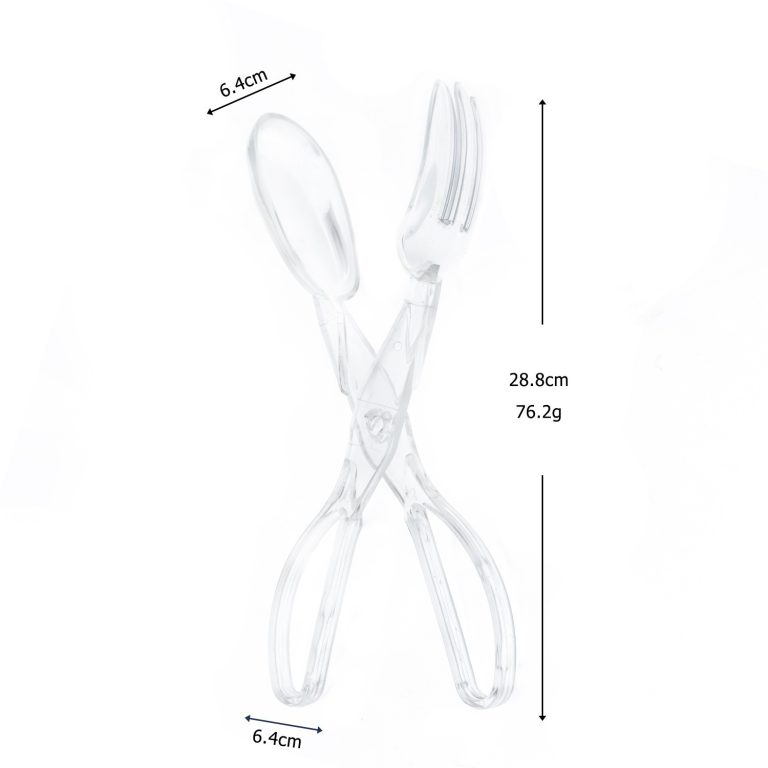
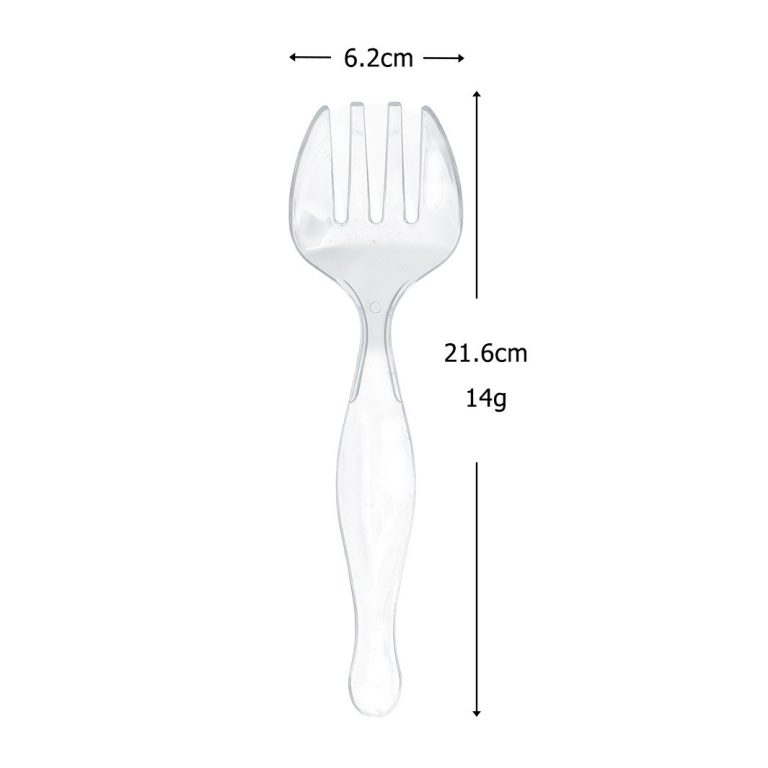
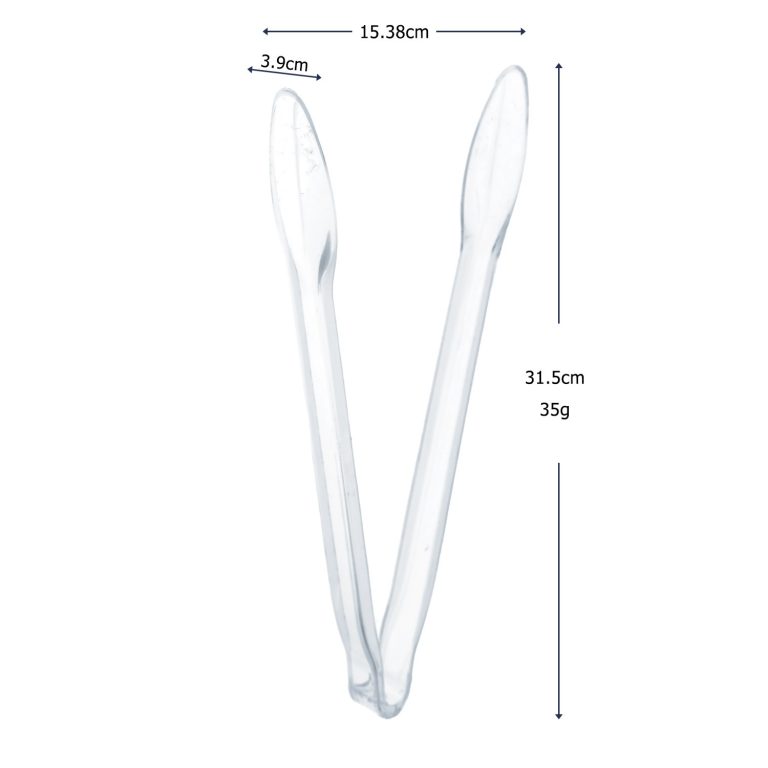
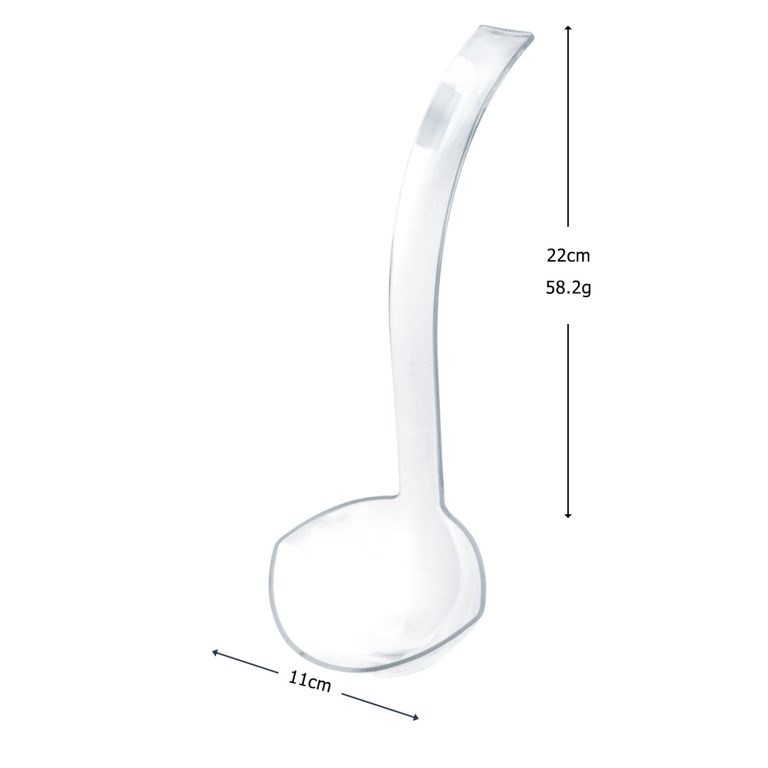
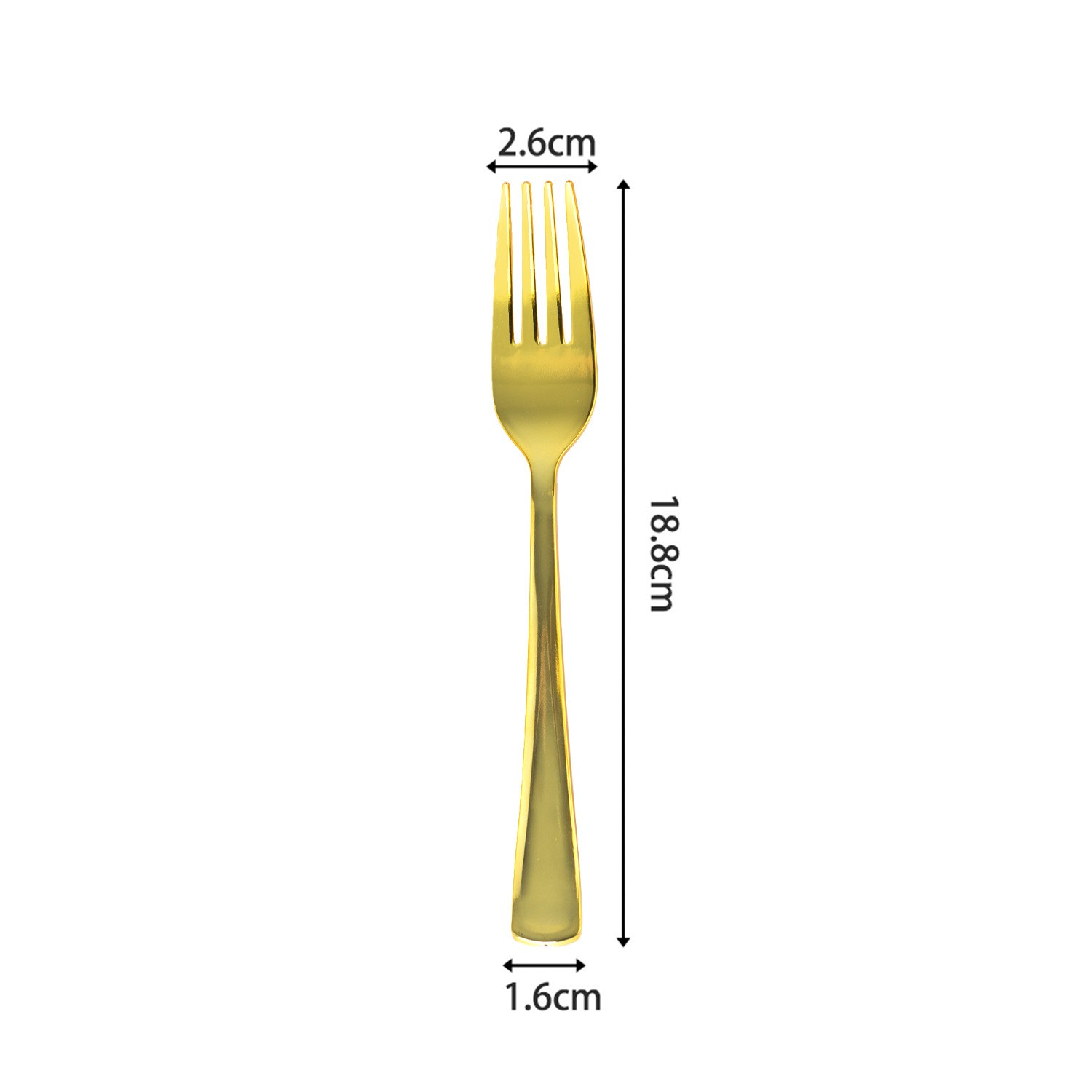
Cutlery at a banquet is a handling question before a design question. Loose bulk cutlery is cheapest per piece but has to be washed, counted and re-set; a wrapped kit costs more per cover and removes a handling step. Hotels with a high labour rate usually take the kit. Our plastic cutlery range covers both formats.
Breakfast, buffet and pool
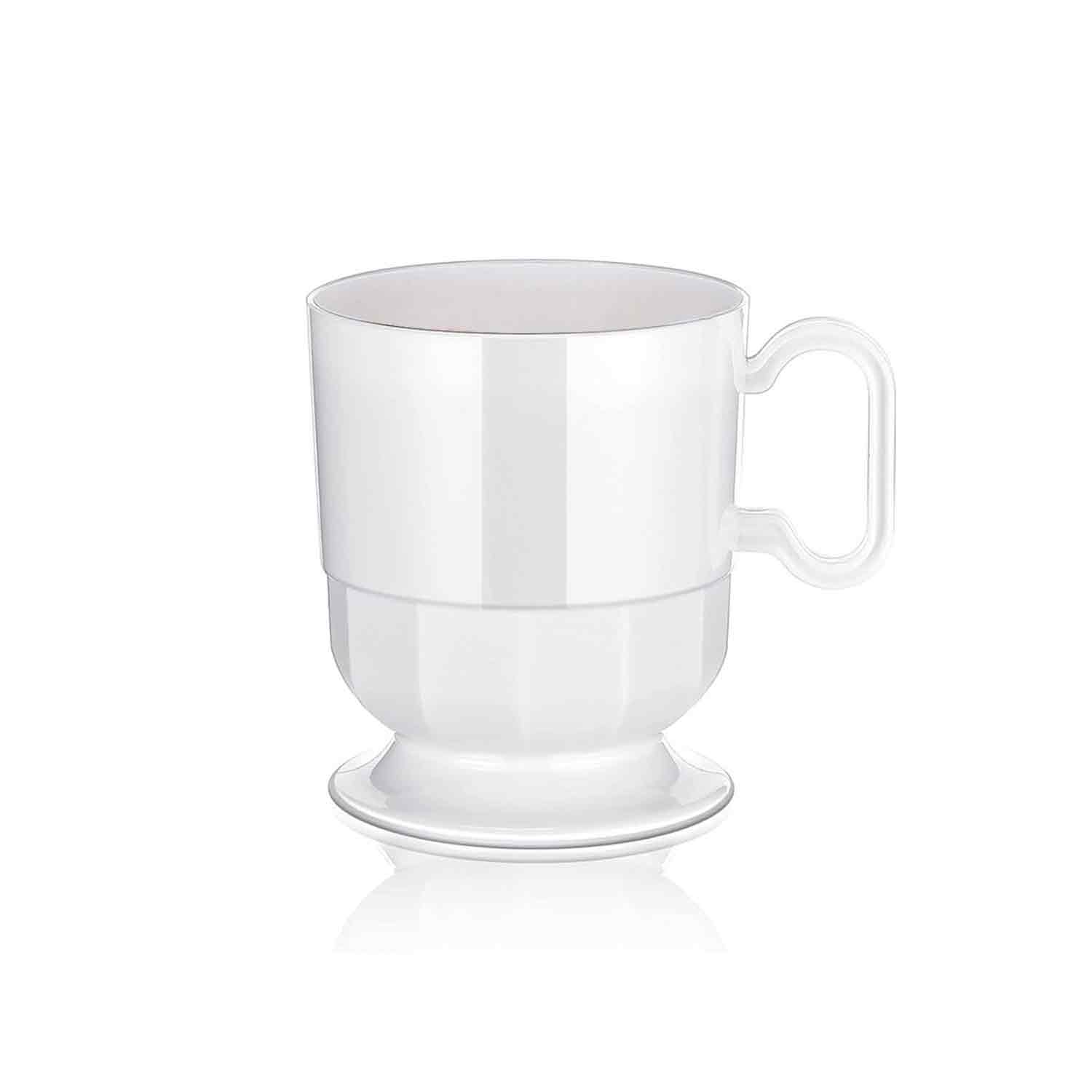
Breakfast is volume without ceremony: a 7-inch plate for pastry, fruit and a hot item, an 8 oz bowl for yoghurt and cereal, an 8–10 oz cup for coffee. What breaks here is not the plate but the lid. Cup and lid fitment is decided by rim diameter, not ounce size, and our cold cup family steps up as capacity grows — roughly 7.1 cm at 7 oz to 8.5 cm at 16 oz. A property stocking two cup sizes needs two lid sizes, and a distributor who quotes one lid for both will be shipping replacements within a month. The measurement method is in our cups and lids rim diameter guide.
Napkins follow the same logic: a cocktail napkin around 5 × 5 inches belongs at the bar, a luncheon napkin at 6.5 × 6.5 inches on the breakfast table, and ply and fold decide how it behaves in a dispenser. Ply, size and colour matching are covered in the bulk napkins buying guide, and stock colours sit in the napkin range.
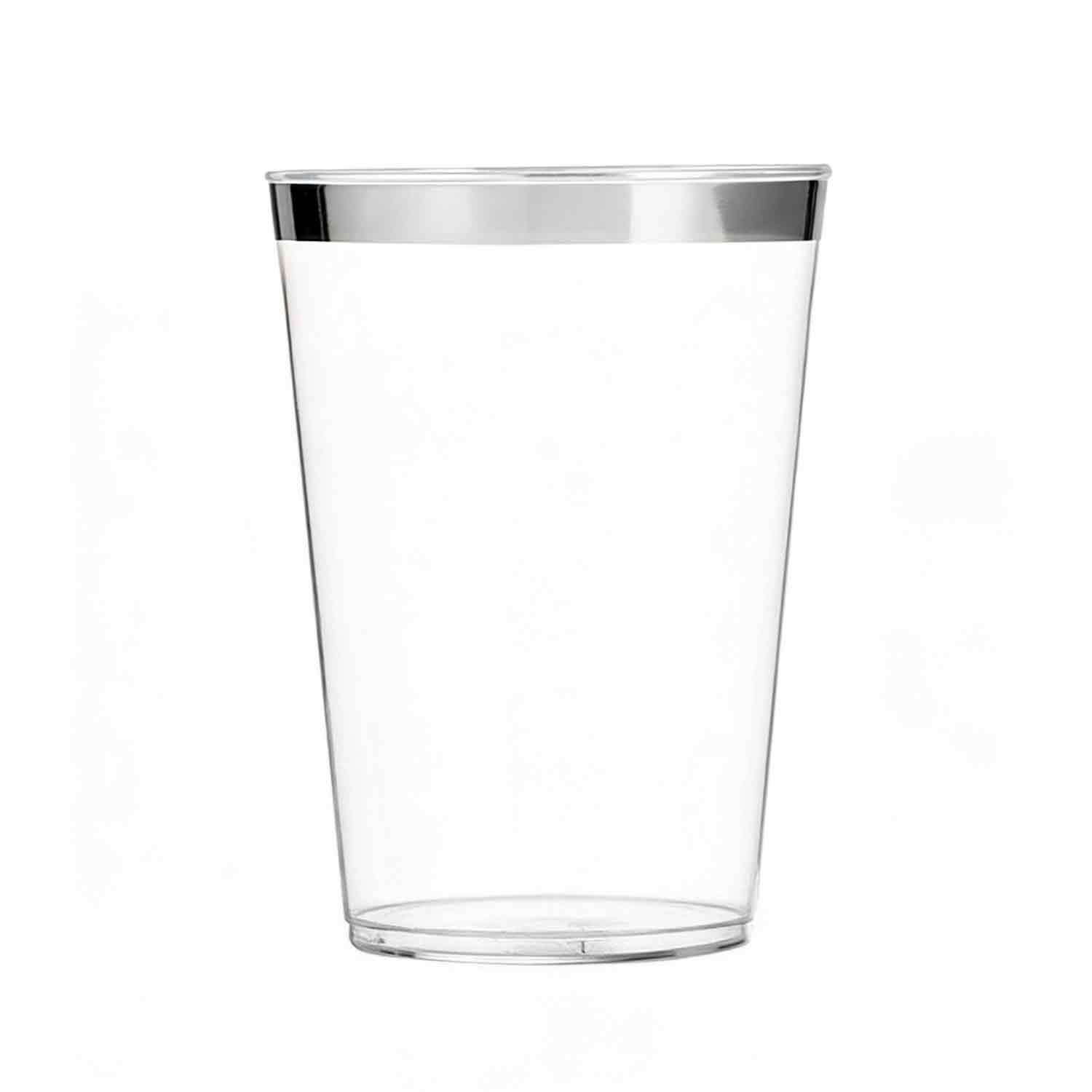
Pool and patio is the one place where clarity beats rigidity. A clear 10–16 oz cup reads as a poolside drink and keeps a tray of twelve manageable.
Linens: round cloths and skirts
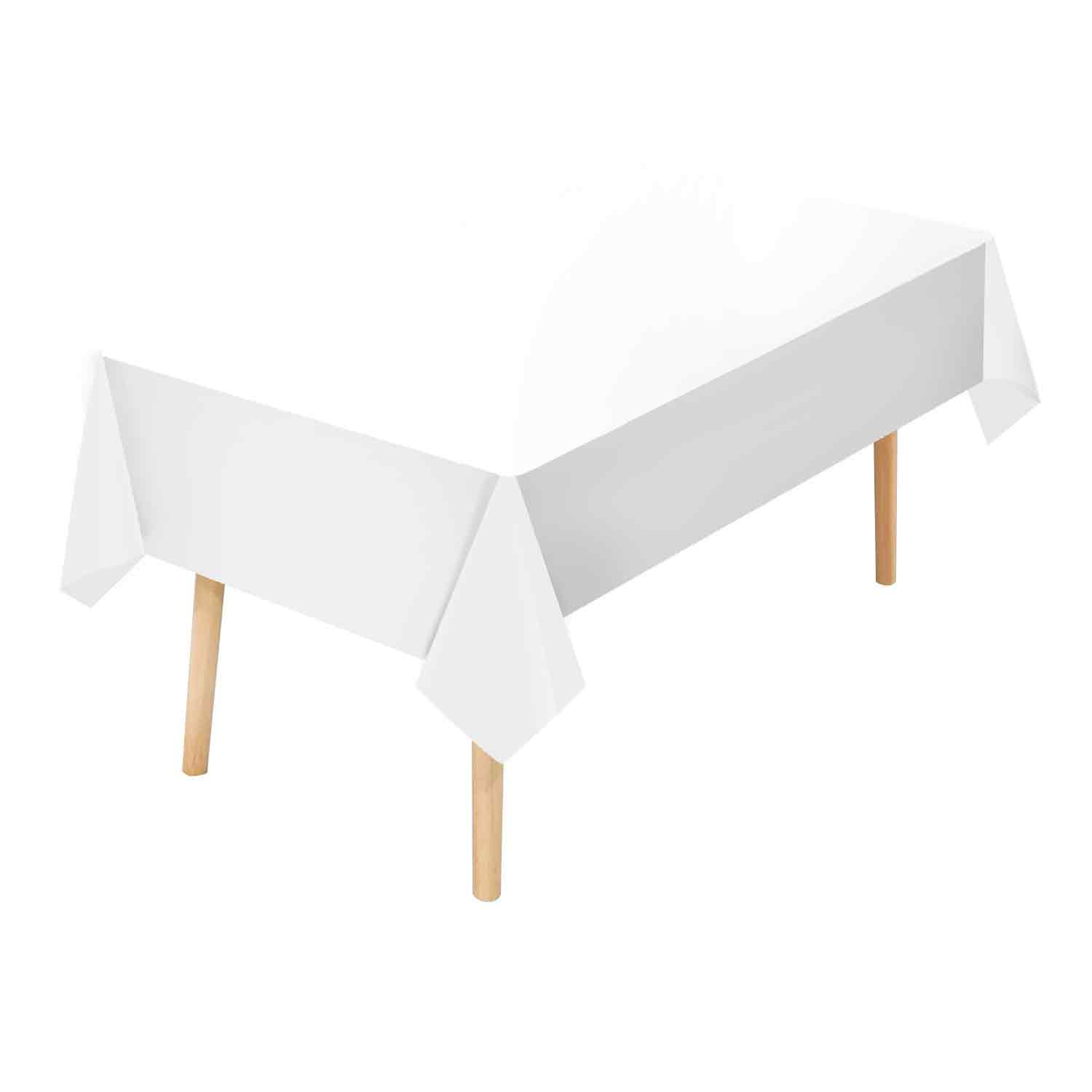
Banquet tables are round and mostly 60 or 72 inches across, and the cloth is calculated rather than guessed: table diameter plus twice the drop gives the cover diameter. A 60-inch table with a 30-inch drop to the floor needs a 120-inch cover, and that cover is a cut-and-sewn piece — it cannot come off a 54-inch roll, which is why roll pricing does not translate into round pricing. The arithmetic is in our round tablecloth diameter and drop guide, and ready covers sit in the plastic tablecloth range.
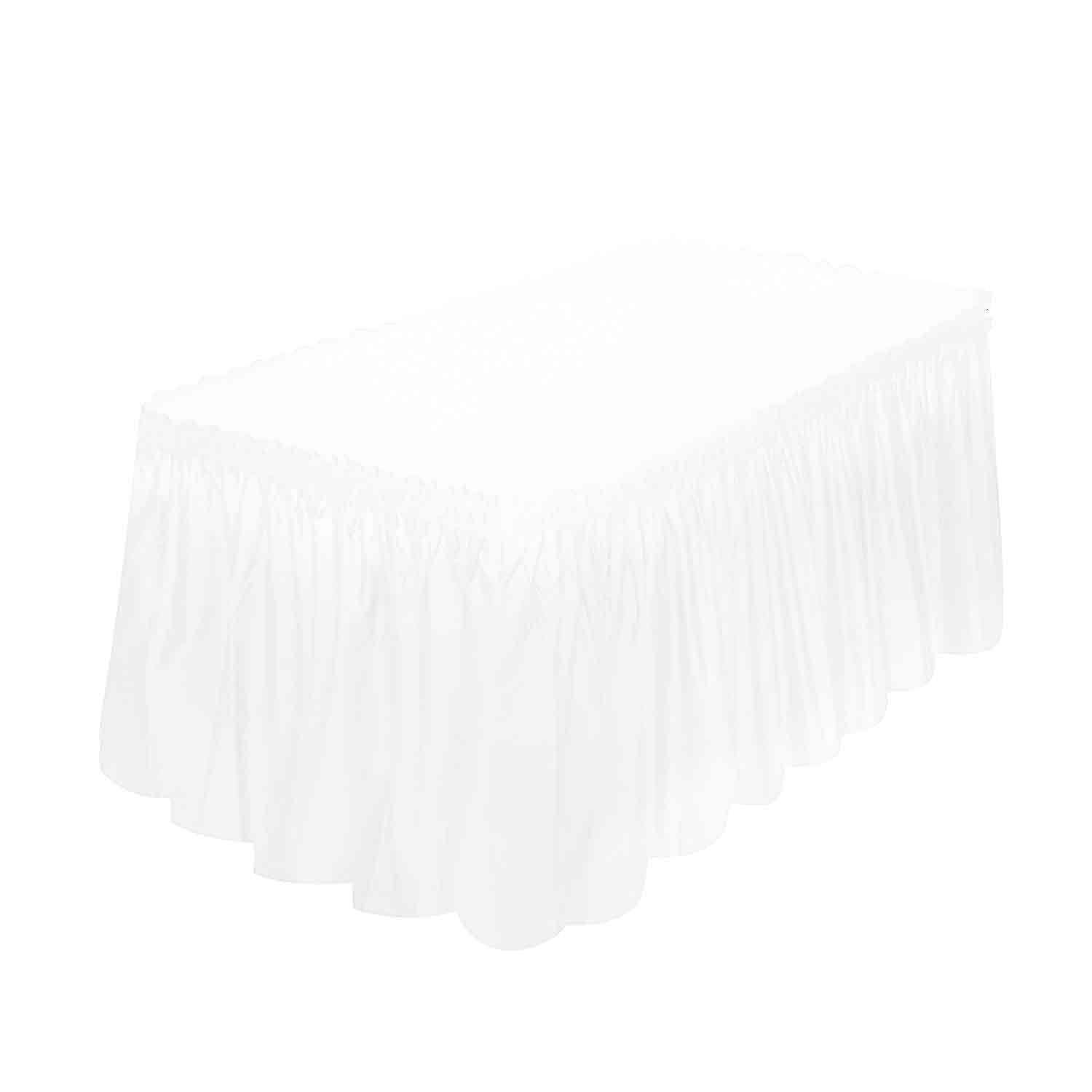
Skirts are where a tender usually under-counts. A 54 × 108 inch panel covers a fixed run of table edge, table heights run 30, 36 and 42 inches, and a 15–17 inch short drop reads as a skirt rather than a curtain. Panels per table come from the perimeter, not the table size alone; the counts are in our table skirt panel and drop guide.
Disposable versus laundered cloth is a cost-per-cover question. Laundry carries a fixed cost per cover that does not fall with volume; a disposable cover’s replacement cost does. The break-even logic is in disposable versus reusable plastic tablecloths.
Bathrooms and housekeeping
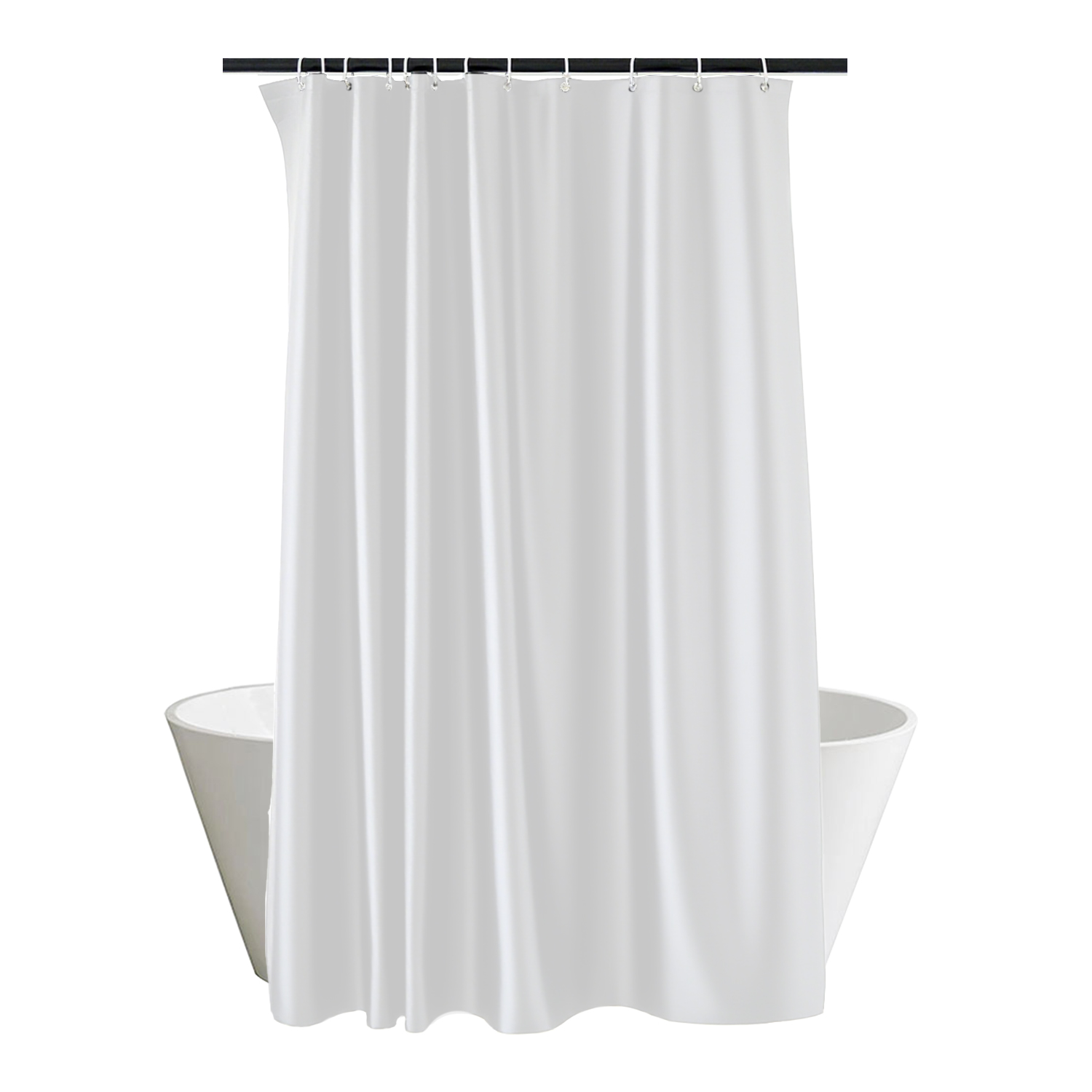
The shower liner is the only adjacent item a hotel replaces on a calendar rather than on demand, Hotels typically run PEVA at 6 to 10 gauge in 72 × 72 inches, with 12 ring holes and often magnets or weighted corners at the hem, and replace on a three-to-six-month cycle depending on occupancy and water hardness. Heavier gauge hangs straighter and resists tearing at the holes; lighter gauge is cheaper to replace and easier to launder. The trade-off is in our hotel shower curtain liner guide; stock liners are in the shower curtain range.
Par levels and pack format
A hotel orders to a par level rather than a forecast, and the par level is arithmetic on the property’s own numbers: daily usage multiplied by the days between deliveries, plus a buffer for peak weekends. For disposables, daily usage is covers times items per cover; for liners, rooms times replacement rate.
Two things break that arithmetic. Cartons of plates and cups are bulky, and the store is often a converted back-of-house room with a low ceiling, so case dimensions and stack strength matter as much as piece count. The second is outlet labelling — one pallet for four outlets needs cartons marked by outlet, or the saving from a consolidated order is eaten by internal redistribution.
Pack format therefore becomes a selling point. A master carton with a defined inner pack lets a hotel issue a partial carton to a small outlet without opening a full case; a single bulk carton is cheaper per piece but forces the property to break it down. Quoting both, with carton dimensions written down, is usually more persuasive than quoting the lower piece price alone. Colour and finish also have to match across outlets: a 9-inch plate in two different whites reads as two suppliers, so settle it with a physical master sample rather than a photograph.
The ten-line hotel spec sheet
Hotel tenders reward a quote that answers the specification before the price. Ten lines cover almost every item:
- Item and the outlet it serves
- Size — diameter and depth for plates and bowls, ounces and rim diameter for cups
- Resin — PP, PS or PET, with the matching food-contact declaration
- Weight per piece in grams, stated for the finished item
- Colour and finish — gloss, matte, gold or silver rim, matched to a sample
- Print — stock design or custom, with the artwork route confirmed
- Inner pack and master carton, with carton dimensions
- Carton marking, by outlet where the property needs it
- Compliance documents — resin-level declarations under 21 CFR 177.1520 for polypropylene and 177.1640 for polystyrene
- Sample reference and the date the sample was approved
Two references are worth keeping: the American Hotel & Lodging Association for the operating context US properties buy against, and the vocabulary of banquet service and buffet service when a specification has to be written for a procurement team that is not on property.
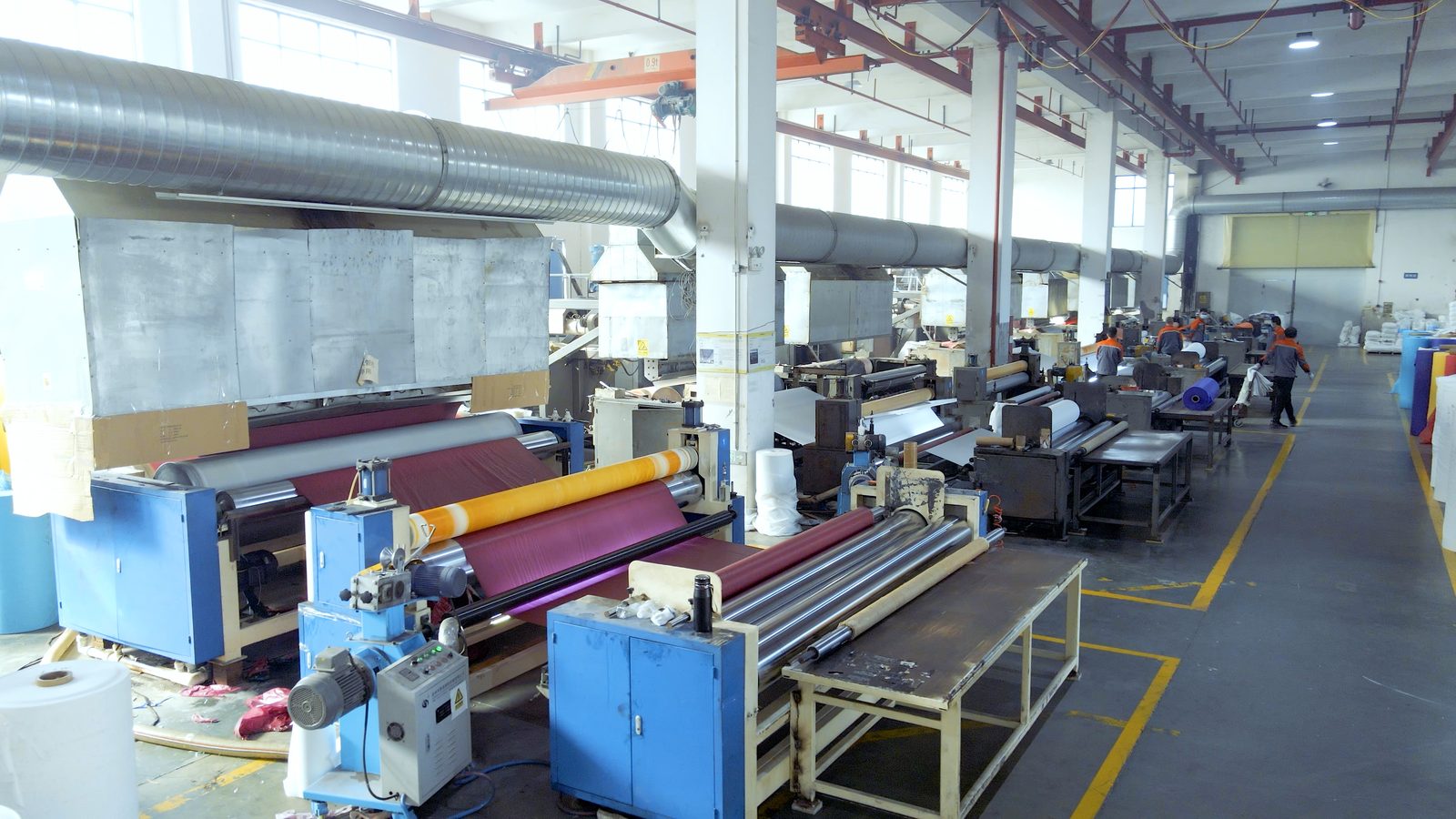
Runxiang has moulded and printed disposable tableware for more than twenty years, and we quote hotel programmes as one specification: plates, bowls, cups and lids, cutlery, napkins, tablecloths, skirts and shower liners from a single factory. Send the outlet list and the sizes you need and we will return a spec sheet for the tender.