










A leaking lid costs far more than the cup underneath it. A delivery bag that arrives wet, a coffee that pops its top in a customer’s hand, a bubble tea lid that shears off in transit: each one turns a few cents of packaging into a refund, a one-star review and, eventually, a lost account. Importers usually meet the problem months after the container is paid for, and by then the argument is always the same. The cup supplier blames the lid, the lid supplier blames the cup, and neither part is actually at fault. The fit between them is.
The market keeps making that fit harder to get right. Future Market Insights values the global paper cups market at USD 12.8 billion in 2026, rising to USD 19.9 billion by 2036 at a 4.5% CAGR, as cold-drink and recycled-material formats take a larger share of foodservice volume. Every menu size a chain adds becomes another rim diameter, another lid and another mixed-pallet risk. Fortunately the specification behind a leak-free cup is short: one diameter, one tolerance, one material pairing and one leak test.
Rim Diameter, Not Ounce Volume, Is the Spec That Pairs Cups and Lids
The number that decides whether a lid seals is the cup’s top (rim) diameter in millimetres. Two 16 oz cups from different suppliers can sit one or two millimetres apart at the rim and share no lid at all. The calibers repeat across the industry: roughly 73–76 mm for sample and dessert cups, 90 mm for the bulk of 12–16 oz paper and ripple-wall cups, and 95–98 mm for bubble tea and smoothie formats. A buyer ordering “16 oz lids” is ordering a guess.
Ask your factory for the rim diameter with its tolerance — typically ±0.5 mm — the lid’s inner skirt diameter, and confirmation that both come from matched tooling.
One Caliber, Several Volumes: Cut SKUs Without Cutting the Menu
Over-SKU is the quiet cost here: when every volume gets its own lid, dead stock collects in the slow sellers and reorders split into small runs. The fix is a matrix rather than a catalogue. Fix three calibers, then let volume flex inside each one. A single 90 mm lid family typically fits the 12 oz, 14 oz and 16 oz paper cups made on the same tooling — the principle behind interchangeable lids across single, double and ripple wall cups. Moulded cold cups behave differently: in our own range the rim steps from 7.1 cm at 7 oz to 8.5 cm at 16 oz, so a 12 oz lid will not seat on a 16 oz cup. Both cases prove the same point — the lid belongs to the rim diameter, and the real buying decision is which diameters to carry.
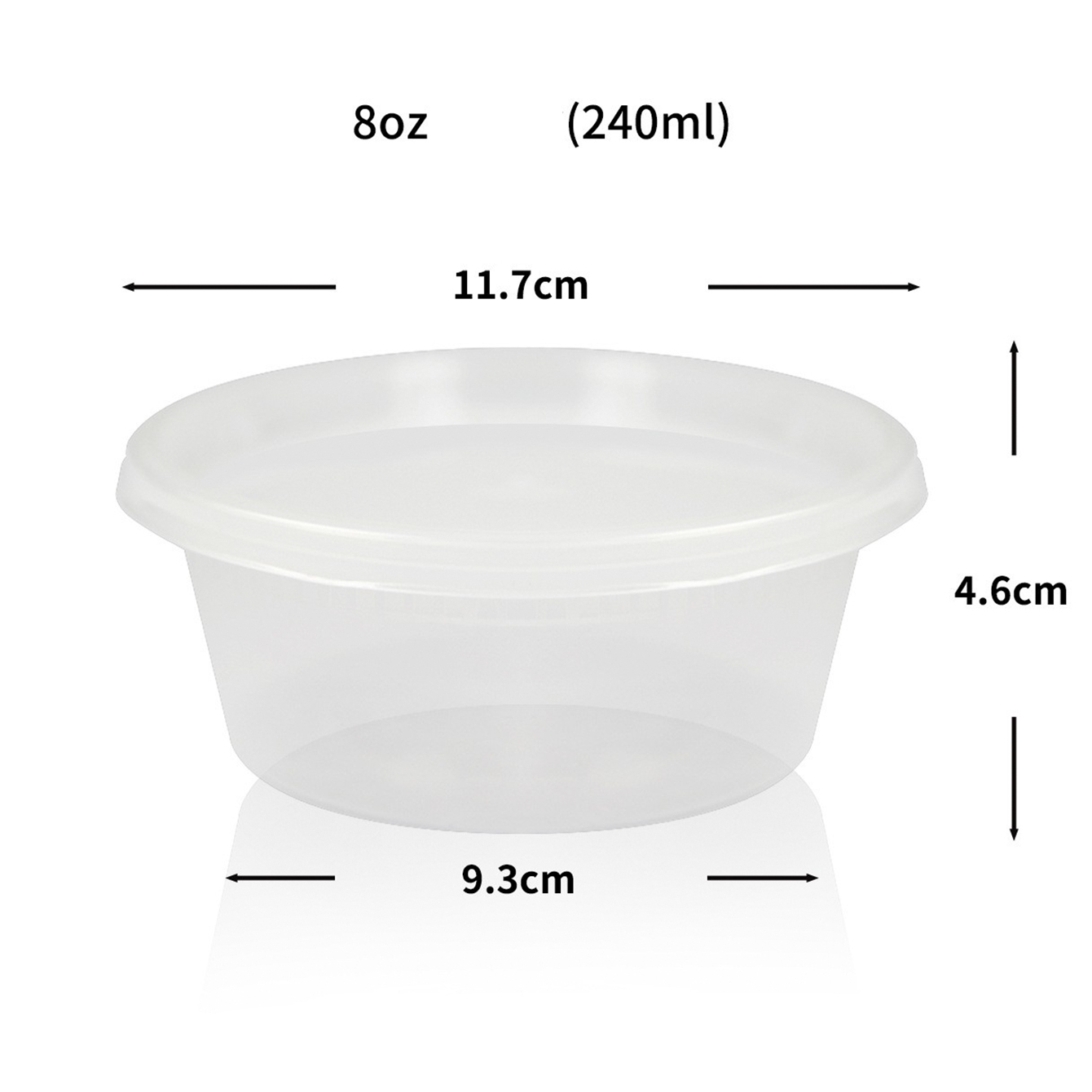
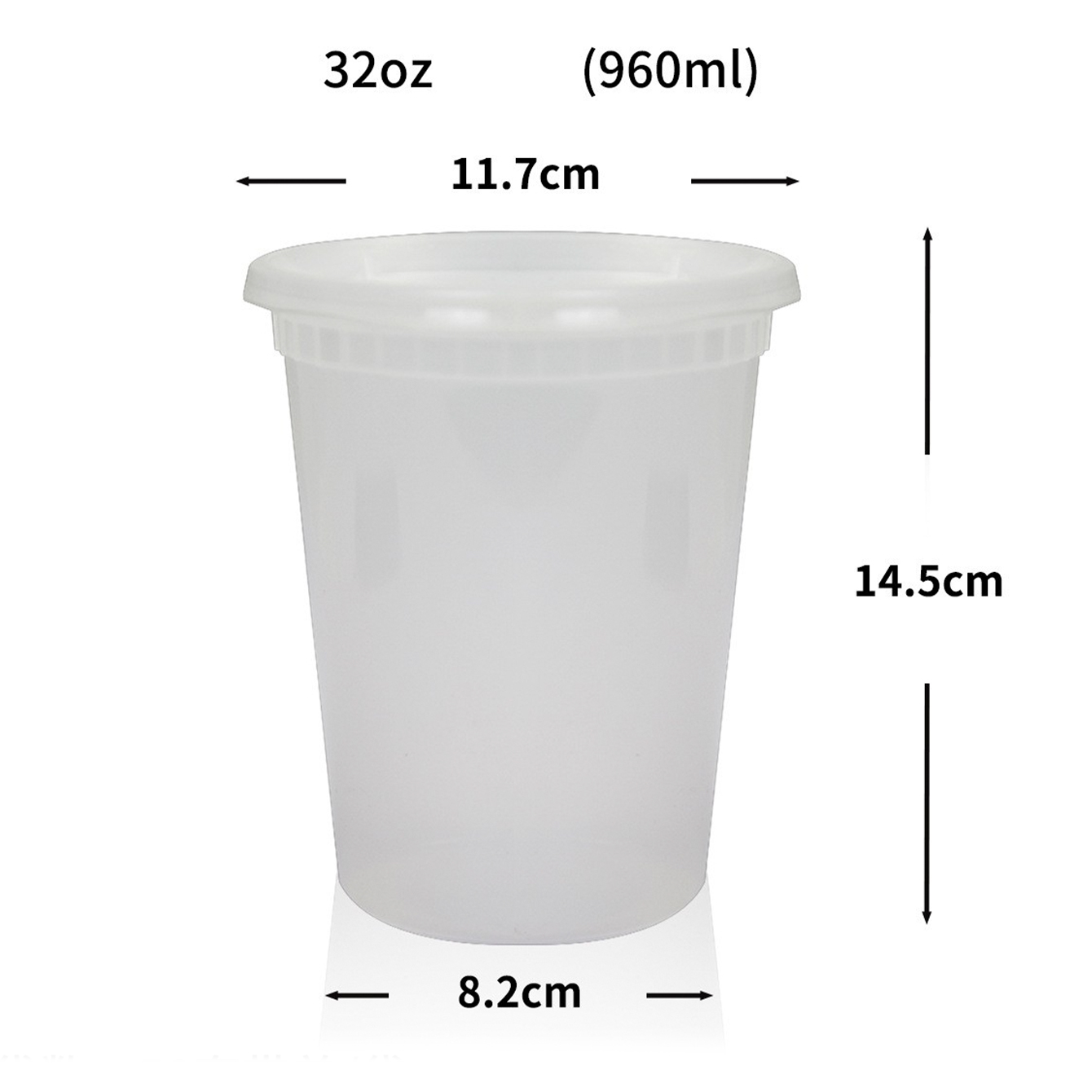
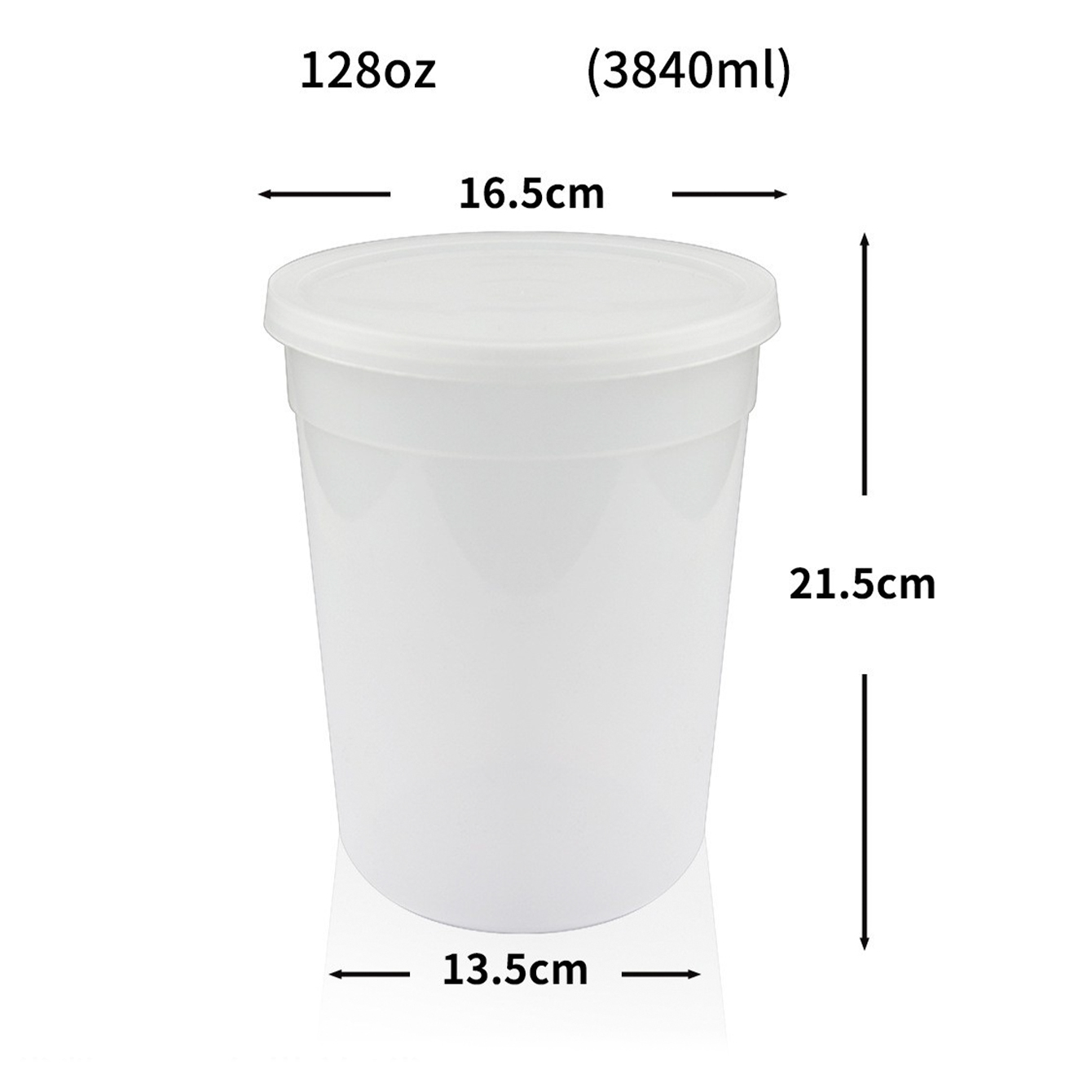
Lid type follows the drink, not the brand. Flat and sip lids suit hot coffee and tea; straw-slot lids suit iced drinks served with a straw; dome lids carry whipped drinks and cold foam; strawless domes serve iced coffee menus; sealed film suits delivery, vending and tamper-evident use. Takeaway and portion containers with lids, from 8 oz to 128 oz, obey the same rule: diameter, gasket, stackability.
Match the Material to the Drink Before You Approve Print
Material decides what a cup can carry before the lid ever matters. Clear PET delivers the glass-like clarity cold drinks need but loses shape with hot fill, so it belongs on iced drinks only. PP takes hot-drink service comfortably and is the standard choice for hot cups, hot lids and soup bowls, as our PP vs PS vs PET material guide sets out. PS and foam buy insulation for short-life hot service, while recycled PET and mono-polymer PP lines are where grocery and chain programmes are moving, because a cup and lid of the same polymer stay in one recycling stream.
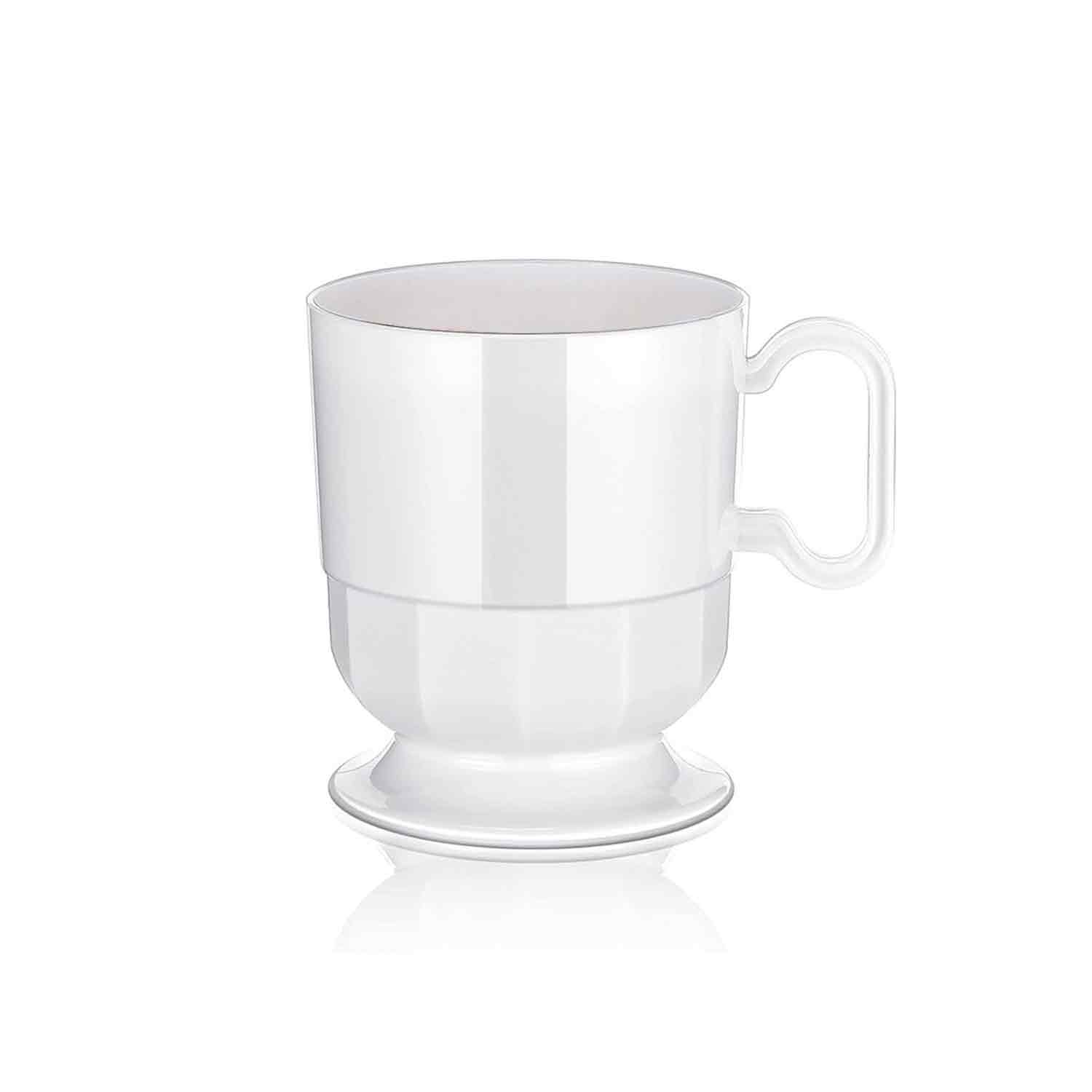
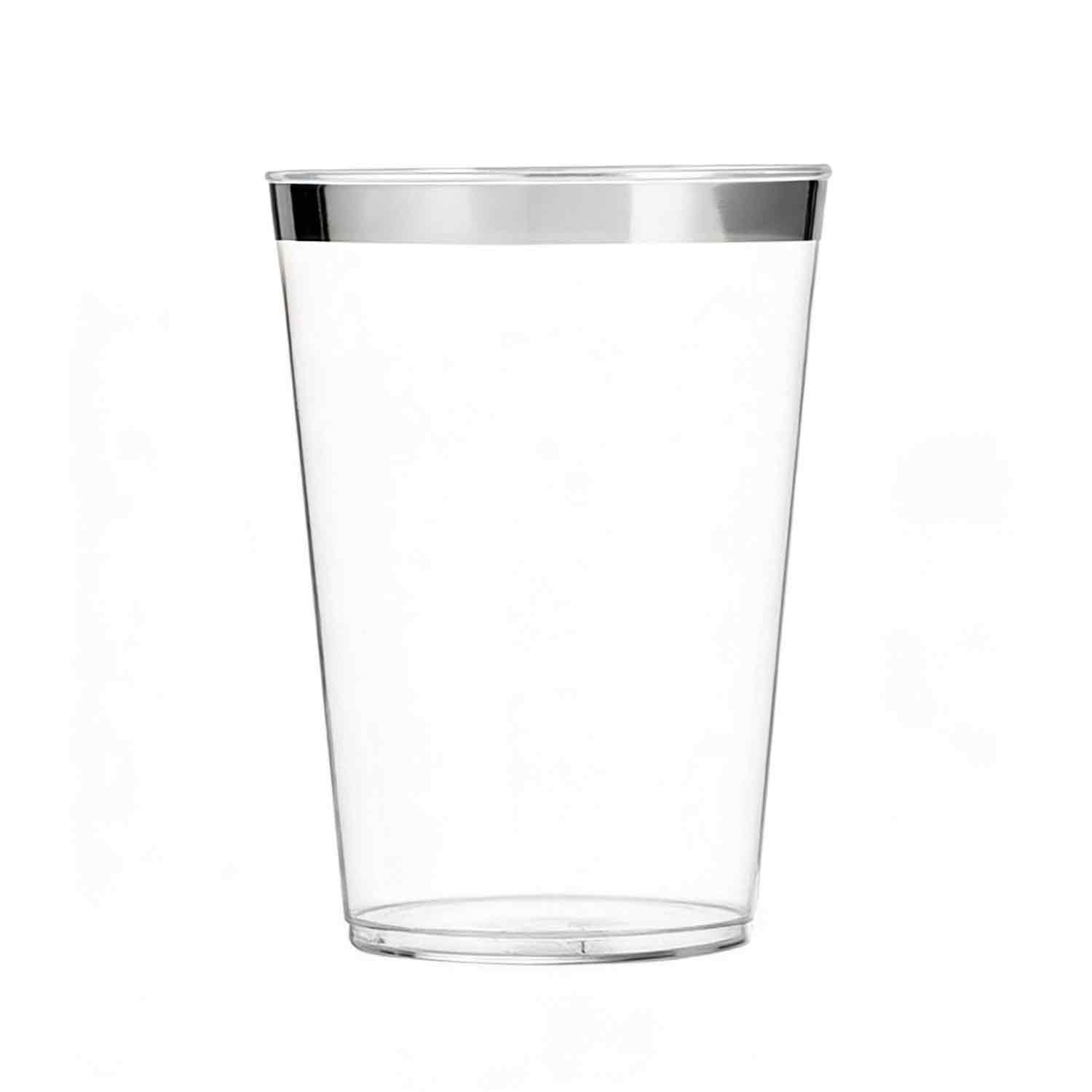
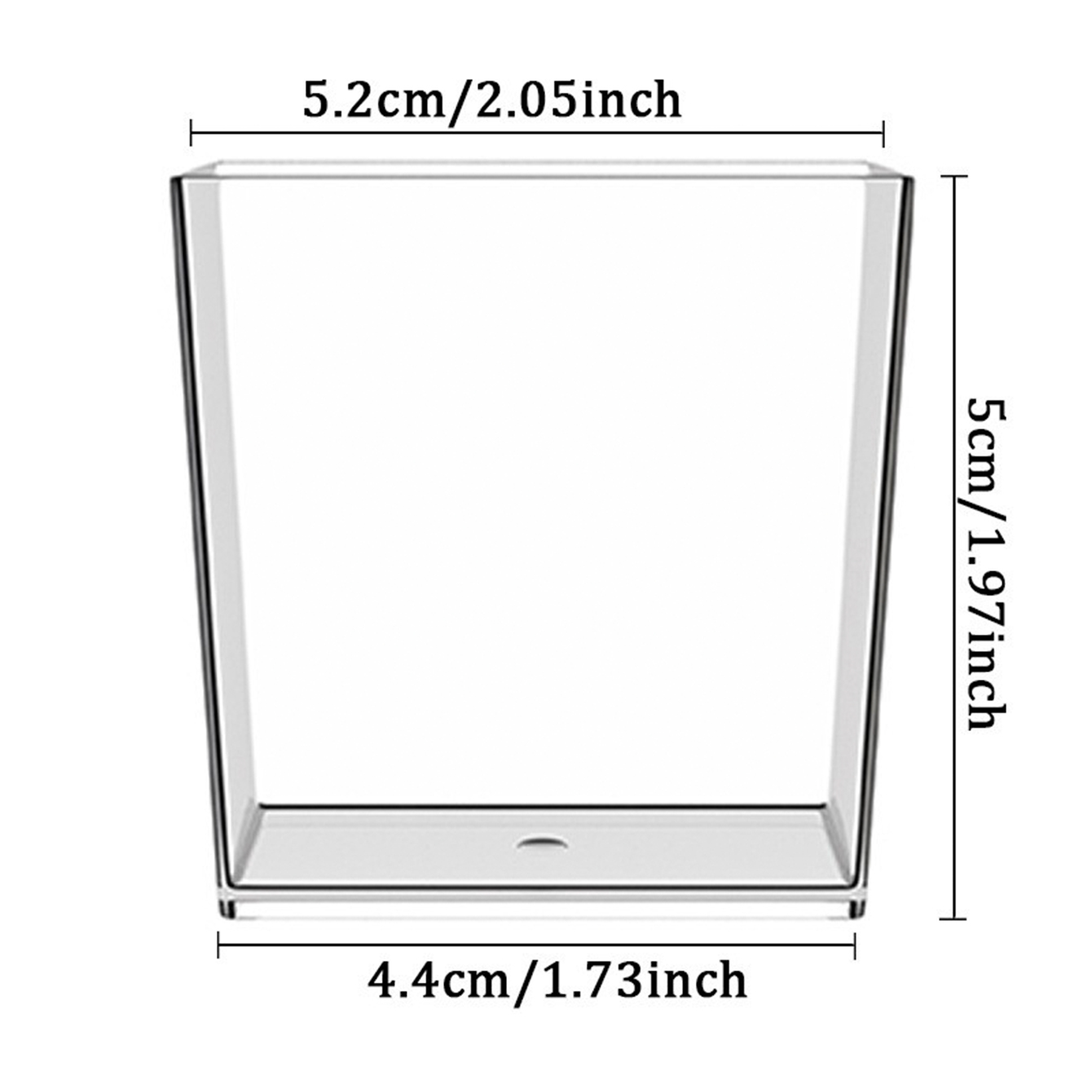
Insulation is a separate decision: double-wall PP, a corrugated sleeve and a foam-lined cup all trade cube space for hand comfort. Note that changing polymer after artwork approval usually means new tooling, new samples and a new approval cycle. Choose material first, with the lid.
Freight, Storage and the Five-Minute Leak Test
Cups are mostly air, so nesting ratio and carton cube matter as much as unit price. A thicker wall gives stiffness and a better hot-drink feel but nests less tightly; a lighter rim design can add several percent to container utilisation. Ask for nested stack height and carton dimensions, not only carton counts. Then treat storage as part of the specification: heat and humidity deform rims and cloud clear PET, so keep cartons sealed, off concrete and out of direct sun, and rotate first-in-first-out. In autumn the cold-drink and hot-drink seasons overlap, which is when split reorders and mixed containers are worth planning a quarter ahead.
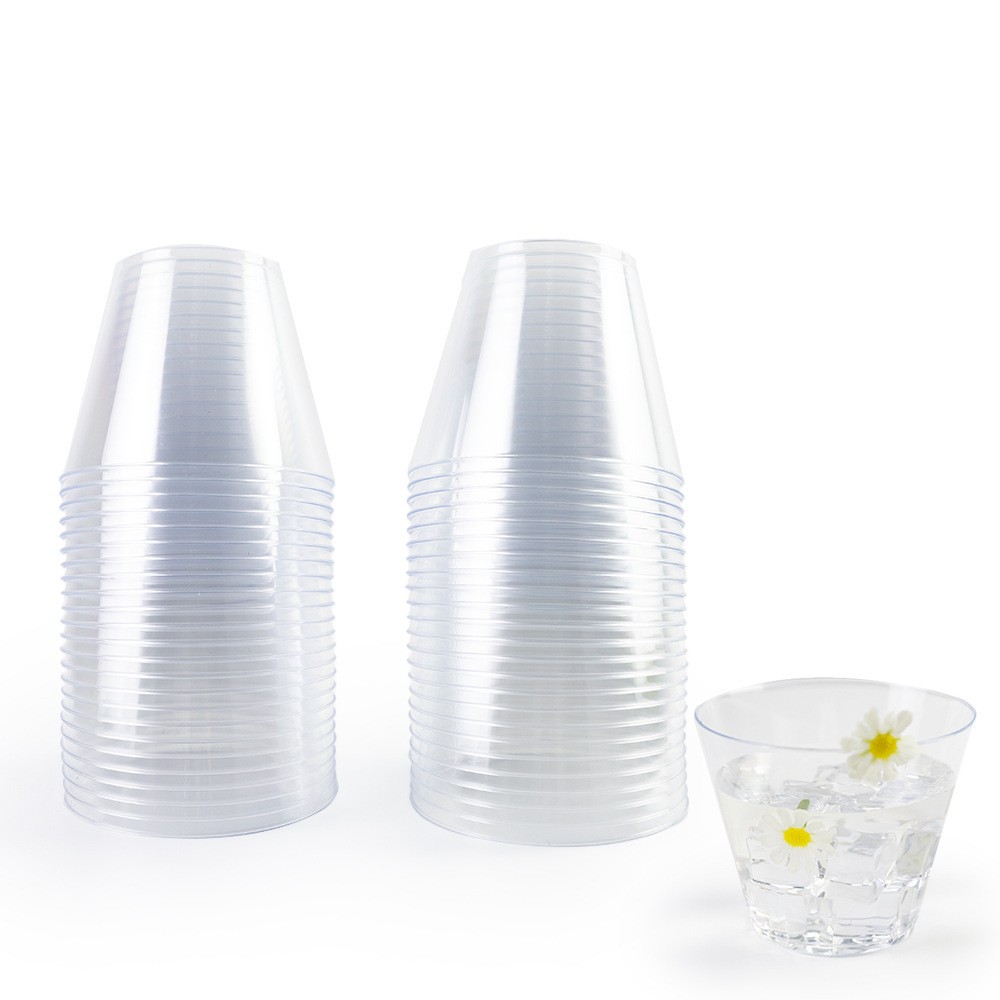
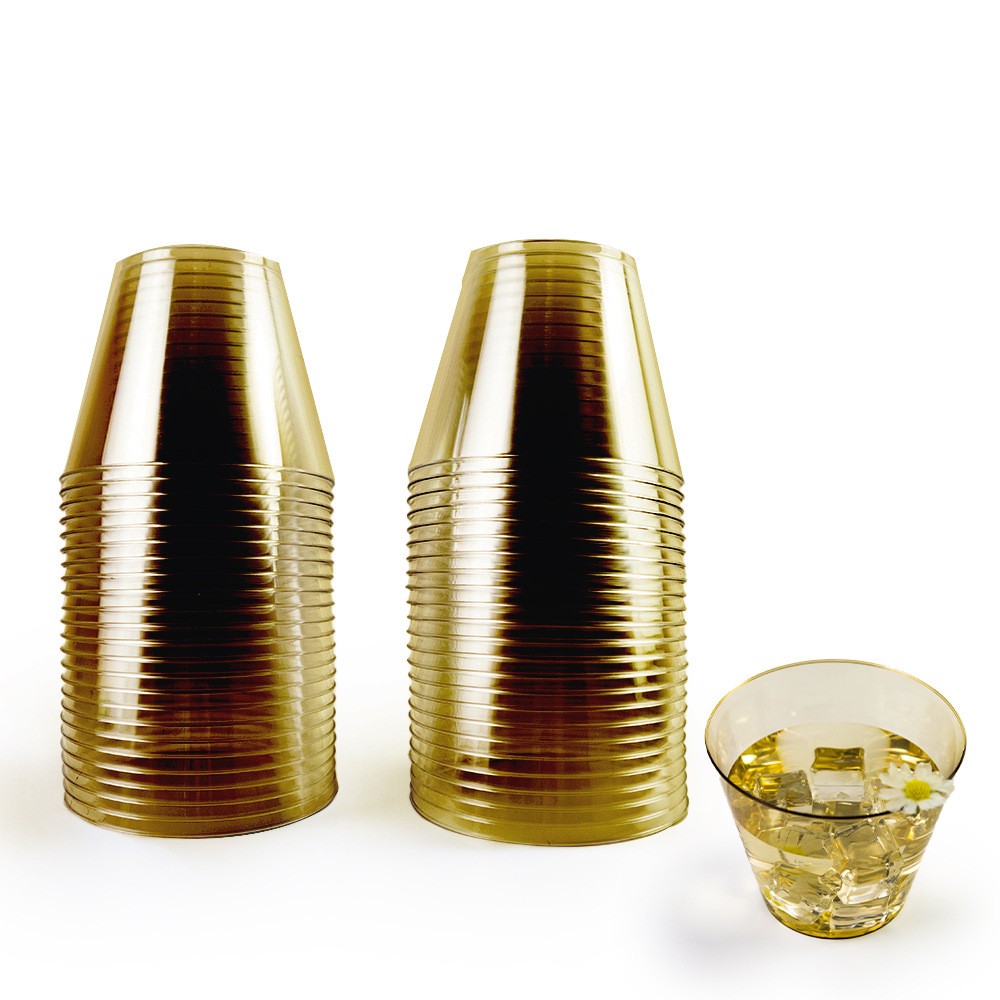
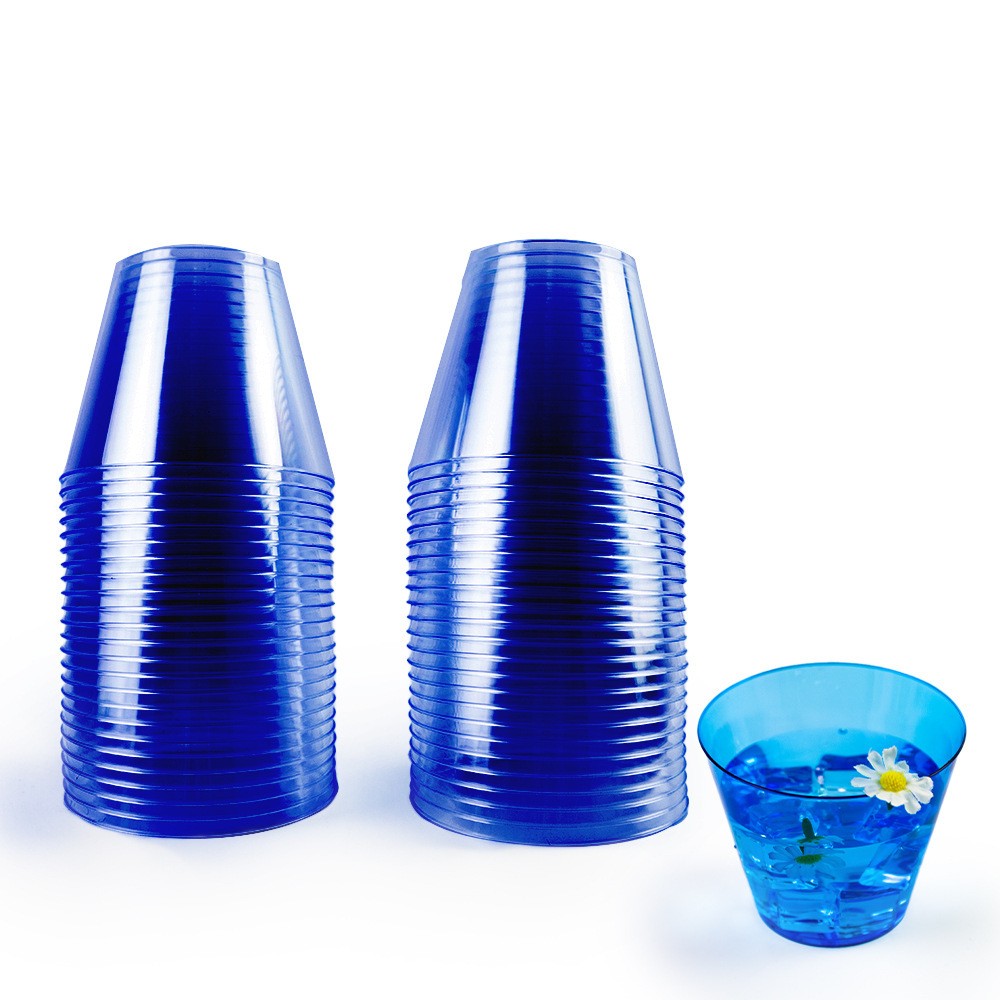
Finally, test the way the drink is served. Cap the cup, tilt it, shake it and lay it on its side for five minutes at service temperature — hot fill softens the PP rim and reduces grip, while condensation lets a lid that held dry slip in service. One filled test on a matched sample pair prevents a whole container of returns.
Why Importers Work With Runxiang
Runxiang has manufactured disposable tableware for 20 years from Changzhou, China, running 30+ machines and 160,000 pieces a day across tablecloths, dinnerware, cups, containers, cutlery and party sets. Our drinkware range runs from 1.5 oz shot glasses to 128 oz containers, with lids drawn from matched tooling, in-house film extrusion and printing, and in-line QC on the cup line. OEM and ODM programmes cover colour matching, wall thickness, print and packaging, with samples approved before bulk.
Building a cup programme for 2027? Send us your menu list and service temperatures; we will come back with a suggested caliber matrix, the lid types that fit, and samples to test. Email simon@runxiangplastic.com or call +86 18617181658.
Related reading: Bulk Disposable Plastic Drinkware Cups for Bars & Cafés | Plastic Cups and Lids | Disposable Tableware Range
Shop the range: plastic drinkware · serving ware