A school fair, a church harvest supper and a village fundraiser have more in common than the food: the same committee buys the same tableware out of the same budget, once or twice a year, then finds out on the morning that the covers are 6 inches short at the ends of the 8 ft tables and nobody ordered serving spoons. This is the order sheet those committees wish they had, written from the factory side.
Start with the tables, not the headcount
Headcount tells you how much food to cook. The tables tell you what to buy. Most halls run a mixture: 6 ft folding tables (30 × 72 in), 8 ft folding tables (30 × 96 in), and a few 60 in rounds for cake, registration or the raffle. Measure each type once, count them, and keep the list with the event file.
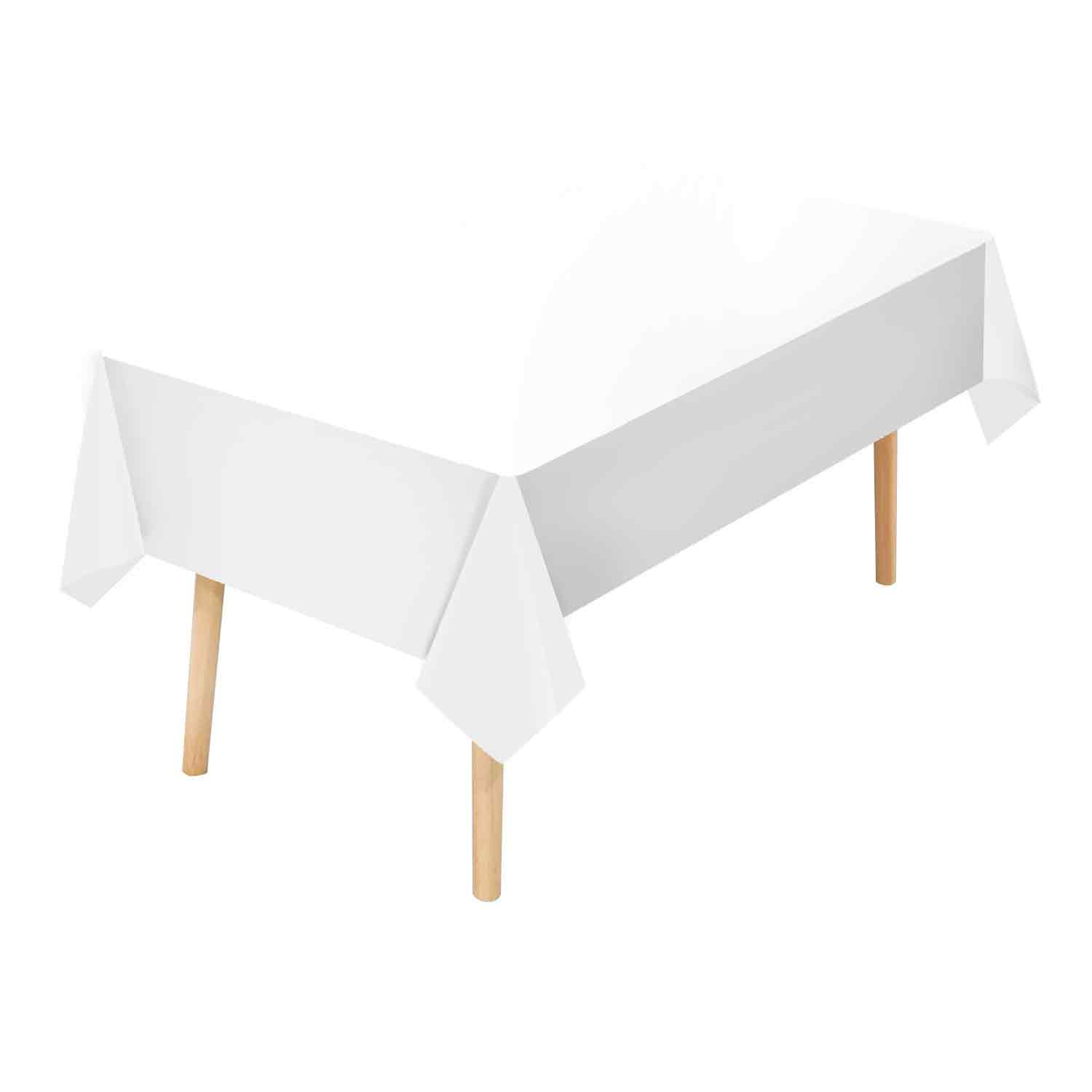
Our standard plastic tablecloth is 54 × 108 in. On a 6 ft table it hangs 18 in at each end and 12 in at each side, which clears the floor and still hides the legs. On an 8 ft table the same cover leaves only 6 in at the ends, and that is where the trouble starts: people lean on the table, the film rides up, and by dessert the bare tabletop is showing at both ends.
| Table top | Cover | Drop at ends | Drop at sides |
|---|---|---|---|
| 6 ft × 30 in (72 × 30 in) | 54 × 108 in | 18 in | 12 in |
| 8 ft × 30 in (96 × 30 in) | 54 × 108 in | 6 in | 12 in |
| 60 in round | 84 in round | 12 in all round | 12 in all round |
Two fixes for the 8 ft problem: order a longer cover for those tables, or use the 54 × 108 and add a plastic table skirt so the short ends read as a design choice. If you are still building your size list, the tablecloth size chart covers rectangular, round and oval tables in one page.
Two films, two jobs
Committees usually buy one gauge for everything, then wonder why half the covers are in shreds by clean-up. Put the heavier 0.05 mm film on the tables people eat at and the lighter 0.03 mm film on registration, the cake table, the raffle and overflow seating. The light film is cheaper per table and fine where nobody rests a forearm on it for two hours.
Film fails in a predictable order: a nick at the table edge, a tear along the fold, then splits where plates are slid. Heavier film buys time at the edge, the only place that matters during service, and survives being wiped and folded for the next event — plan reuse only on the heavy gauge, stored flat. The film is polyethylene and a PEVA cloth is an ethylene-vinyl acetate copolymer, so the food-contact declaration cites 21 CFR 177.1520 or 21 CFR 177.1350, not a tablecloth standard.
A colour plan that survives a year of events
White is the default answer and the worst one at a potluck: gravy, beetroot and black coffee leave marks the next event inherits. Black hides stains but shows every crumb, scuff and crease under hall lighting. Mid-tones — sage, silver grey, wine red, sand — hide both and look deliberate rather than improvised.
The workable formula is one neutral plus one accent that matches the school colours, the church banner or the charity logo, available in every size you use, including the rounds. Printed film earns its place only when the event has a theme people paid for — a harvest supper, a holiday bazaar, a fundraiser with a printed backdrop. Otherwise the print dates the stock and halves what you can reuse next year.
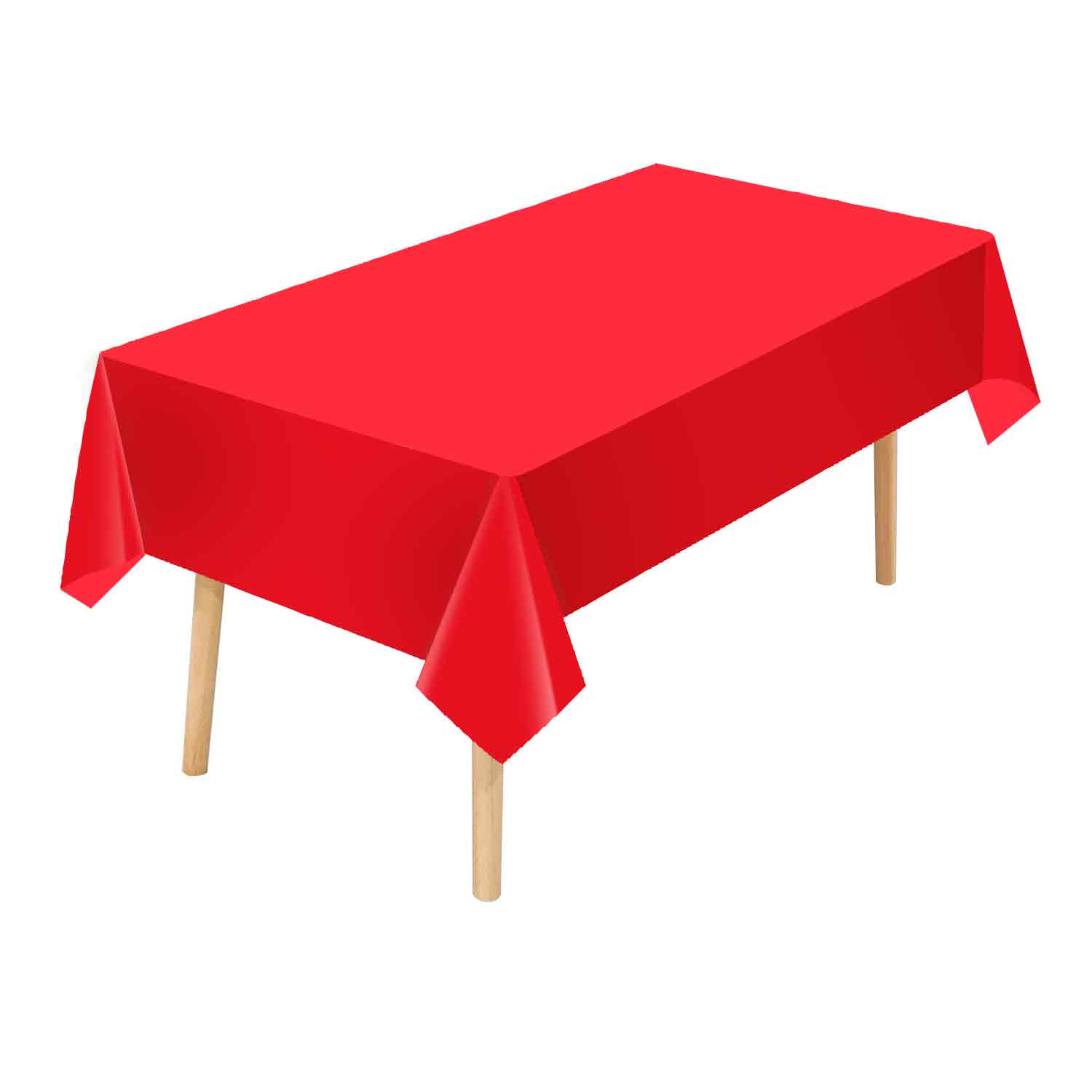
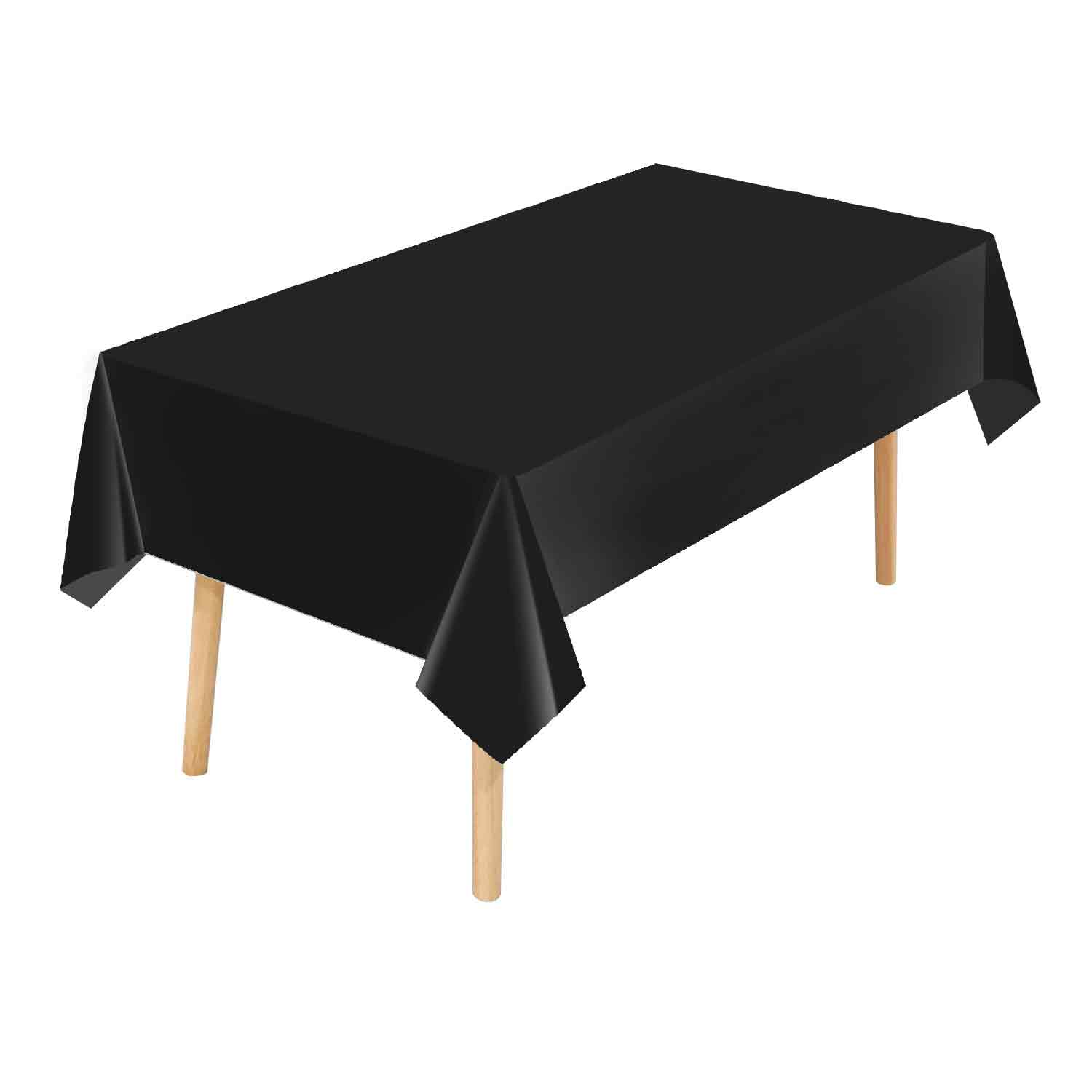
Colour has a compliance side too: every shade in a food-service range has to come from colorants cleared for food-contact use — in the US, pigments listed under 21 CFR 178.3297 on a resin meeting 21 CFR 177.1520. Ask for the declaration once and keep it with the file. Our tablecloth colour guide explains how to hold a shade across batches with a master sample, which matters more than the shade you pick.
Cut the cutlery list before you cut the specification
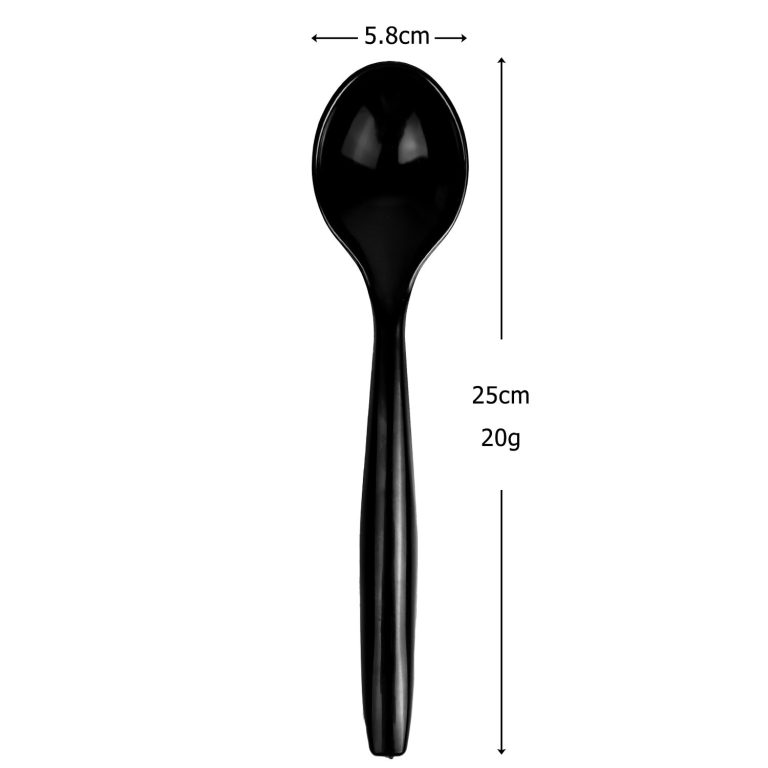
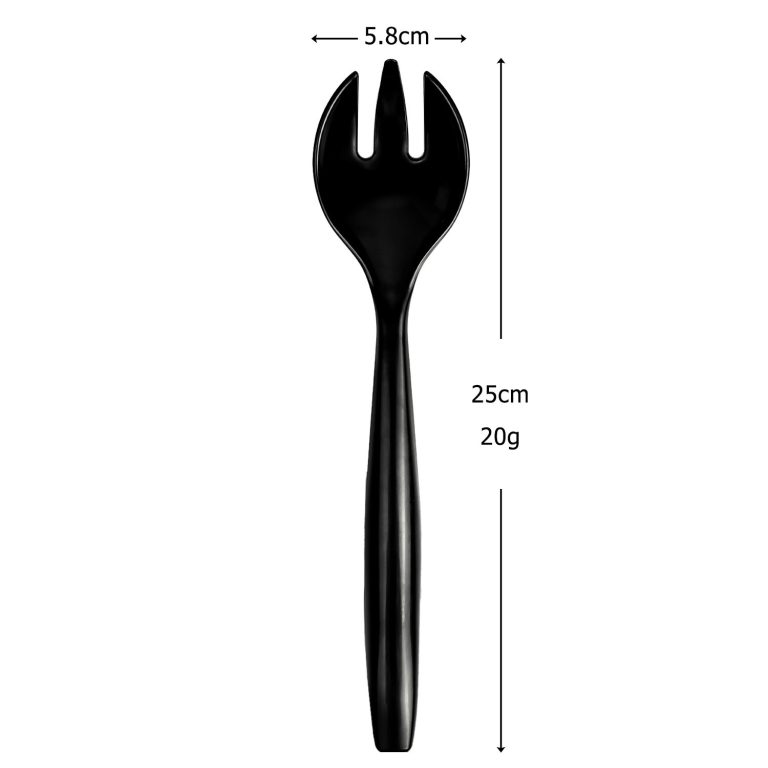
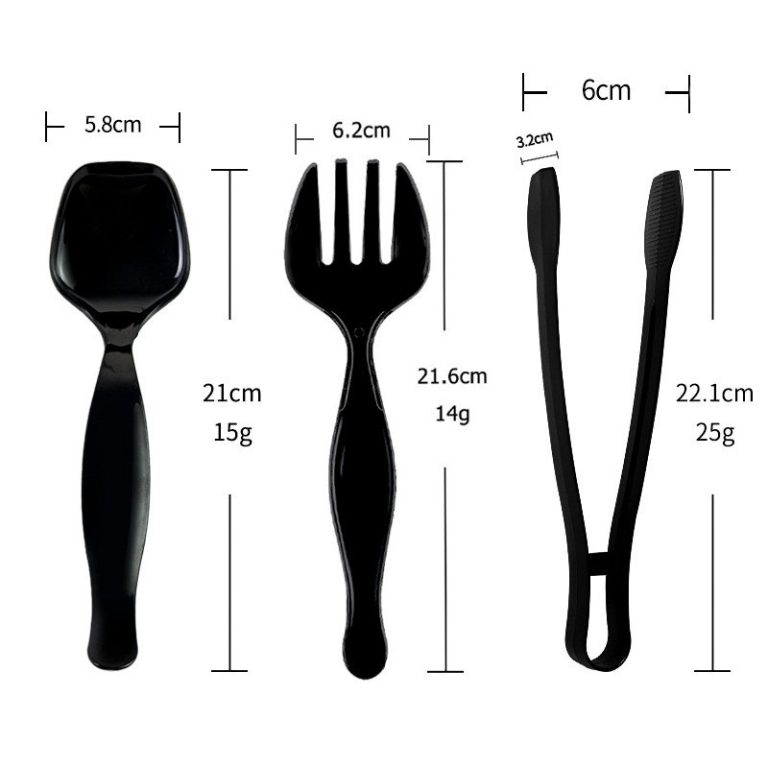
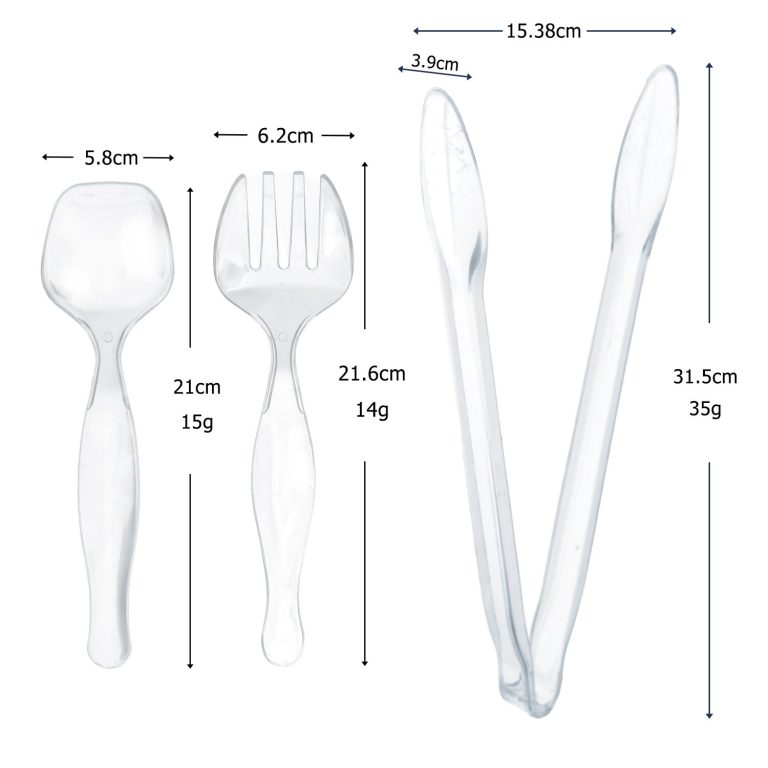
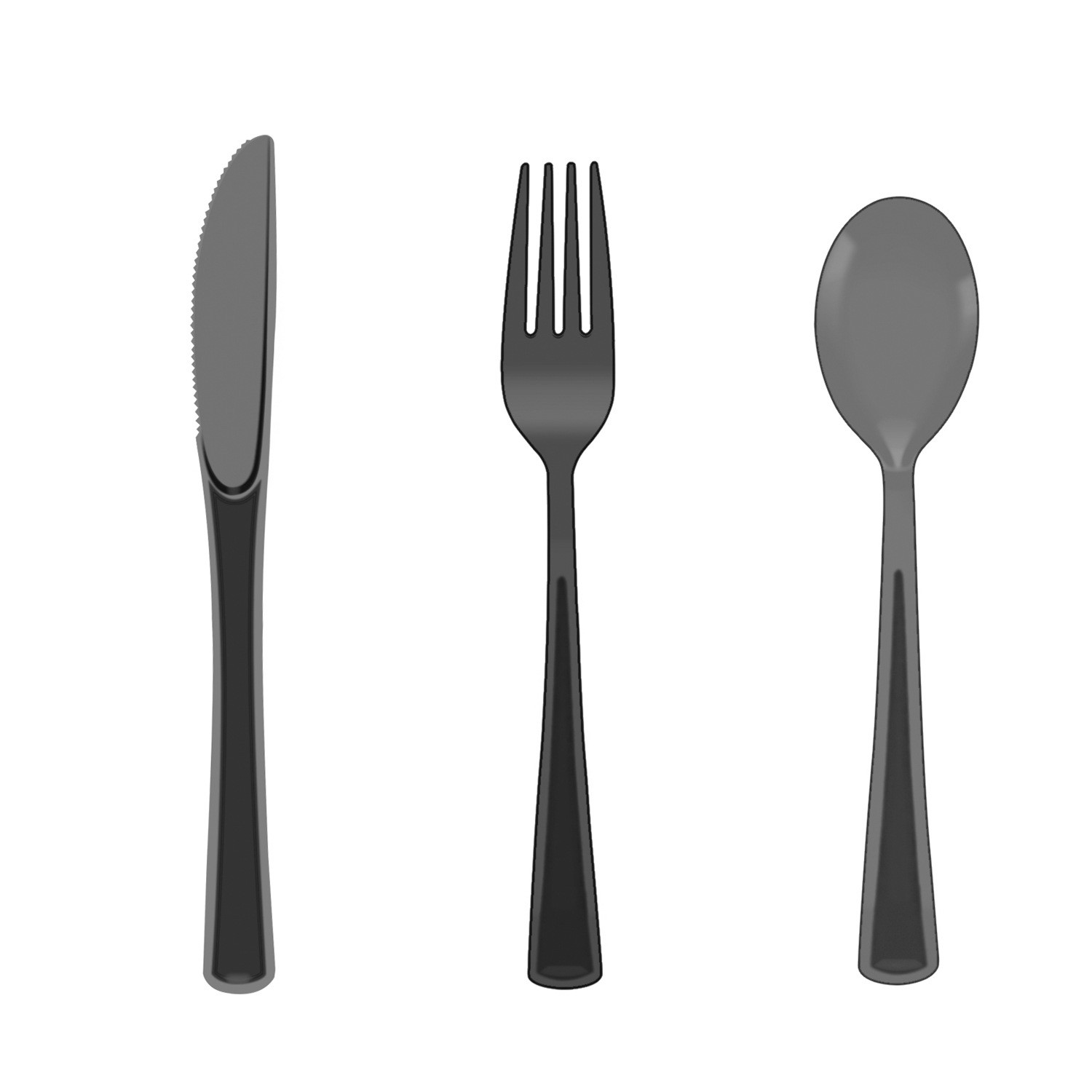
Most committees order a knife, fork and spoon per guest, then watch half the knives go in the bin unused. For a potluck a fork and a spoon cover the meal; knives are only needed when meat is carved at the table or rolls have to be cut. Put the money into a heavier fork instead — the tines bend first on cold food, and a bent fork is the complaint people remember.
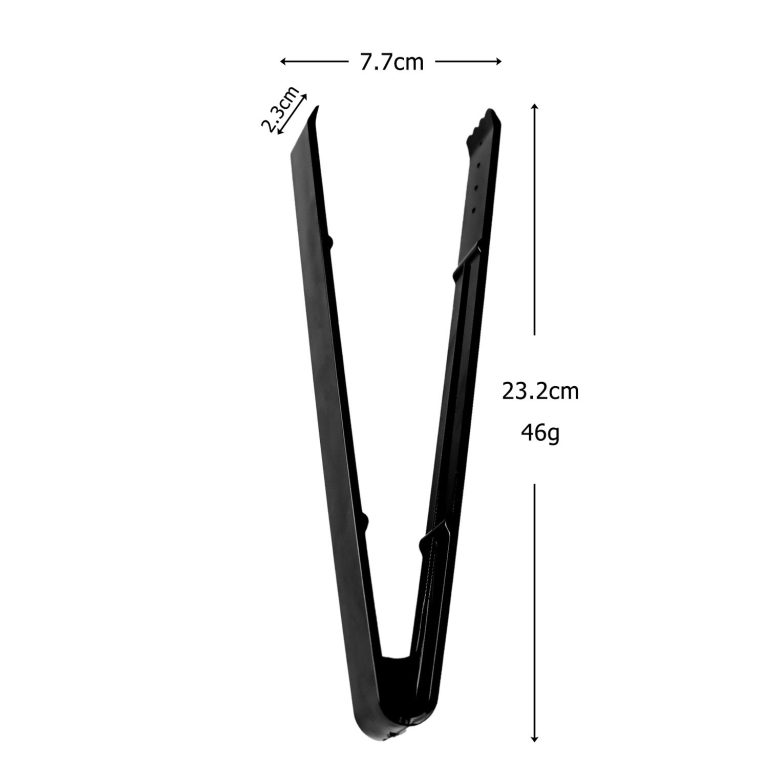
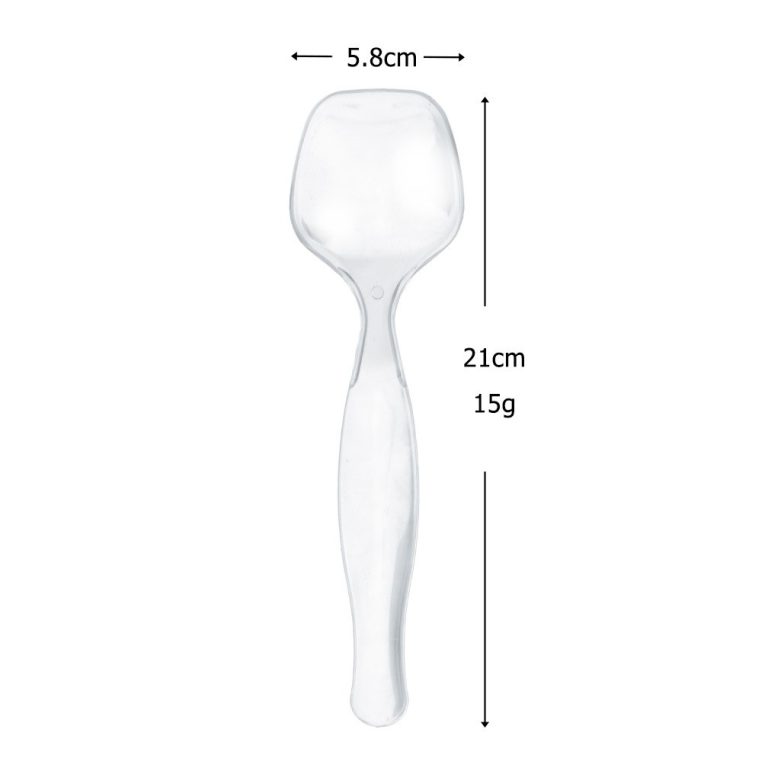
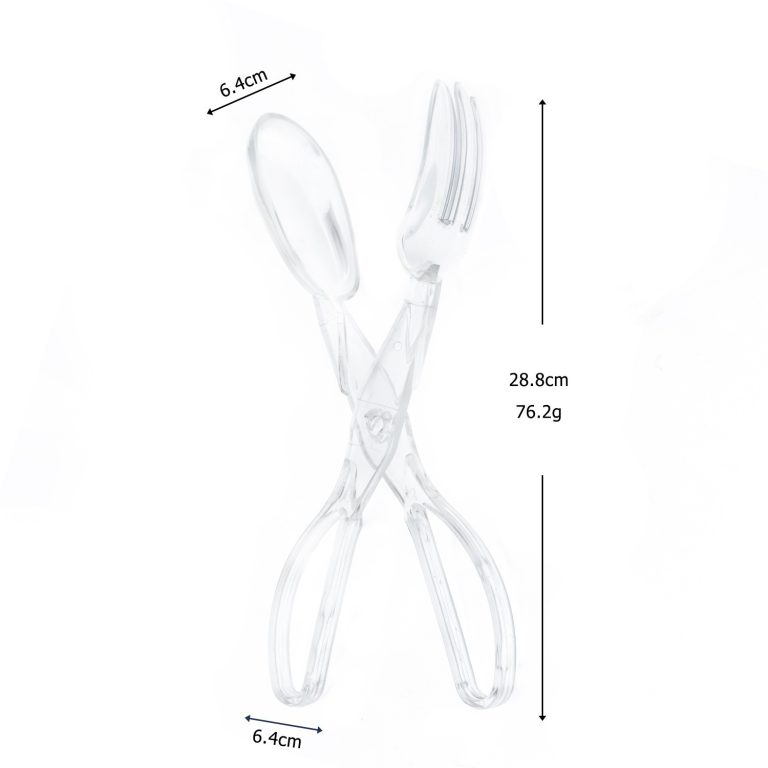
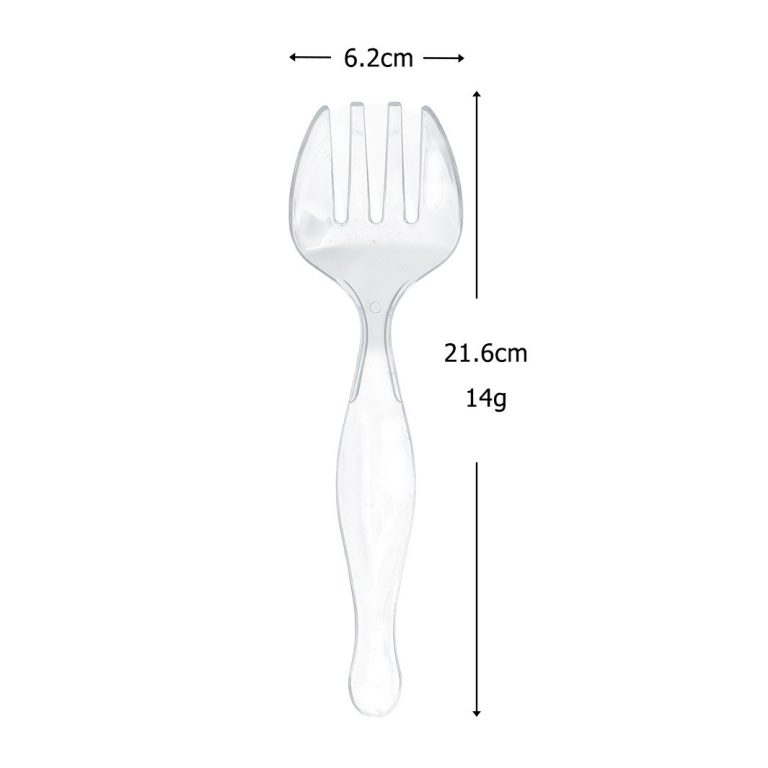
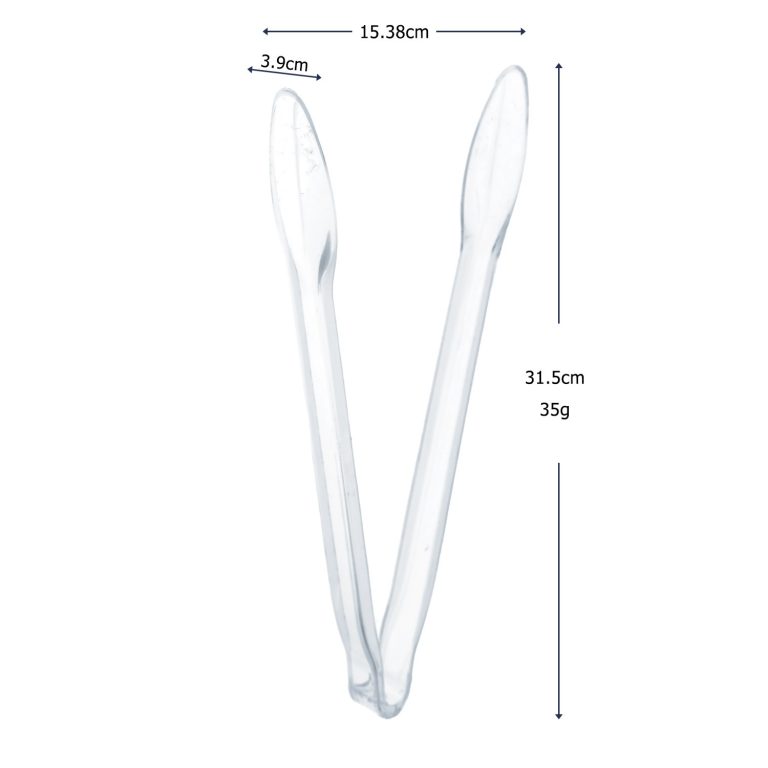
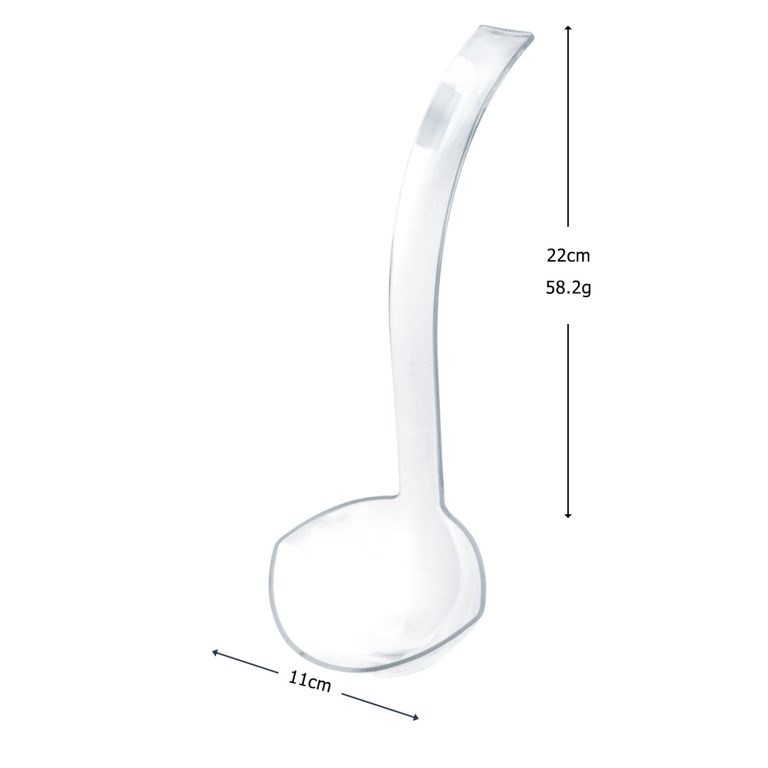
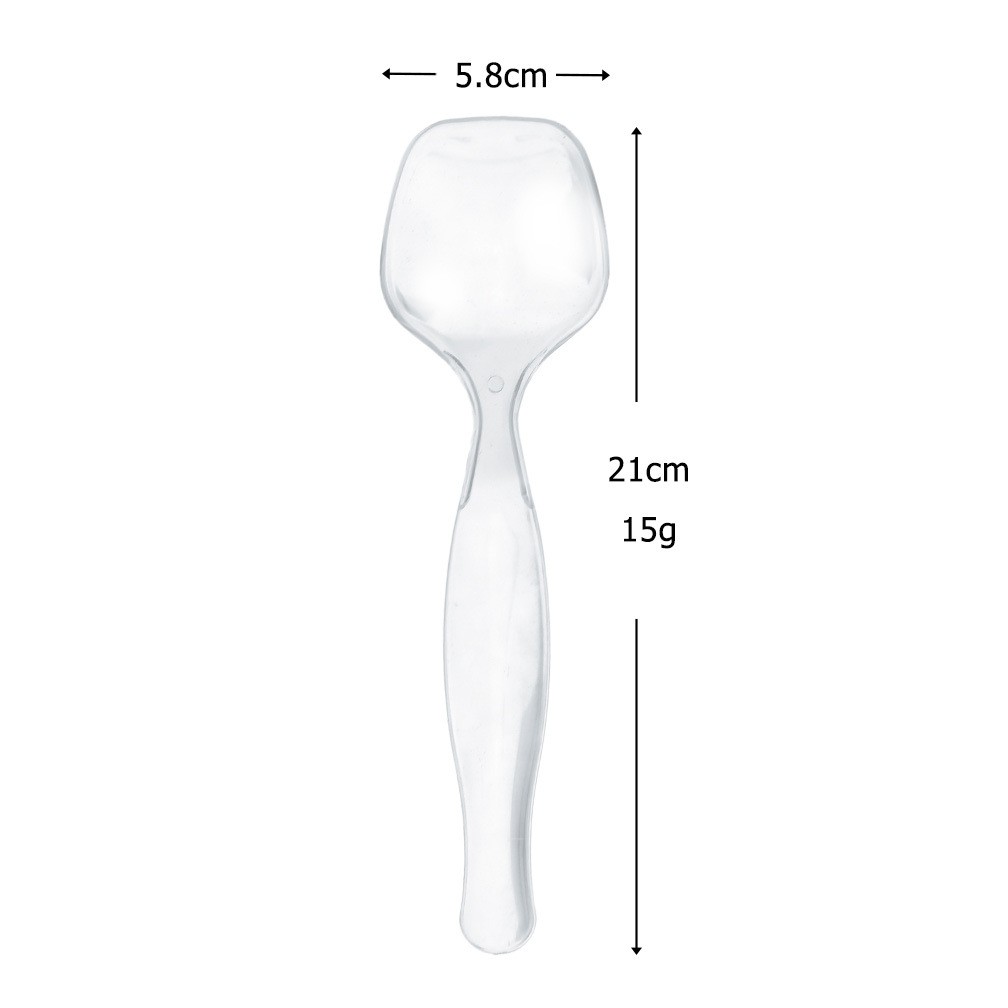
Serving pieces are the forgotten line item: every hot dish on the buffet needs its own spoon or fork, so a fifteen-dish potluck needs fifteen pairs. Order them separately, in the same colour family as the guest cutlery, and keep them in a labelled box so they come back. The cutlery buying guide covers weights, tine counts and pack formats; the plastic cutlery range shows the colour options.
Cups: two streams, two cups
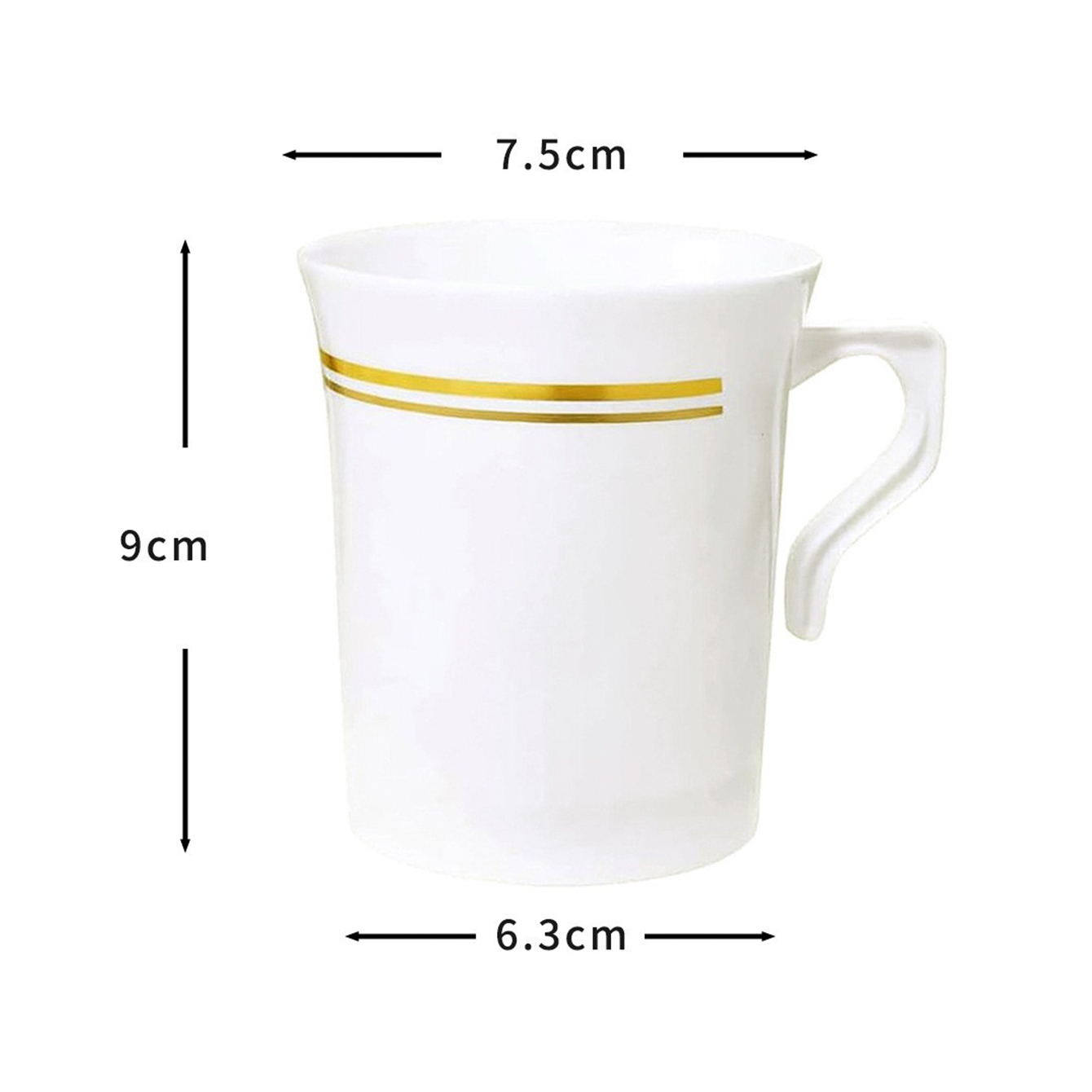
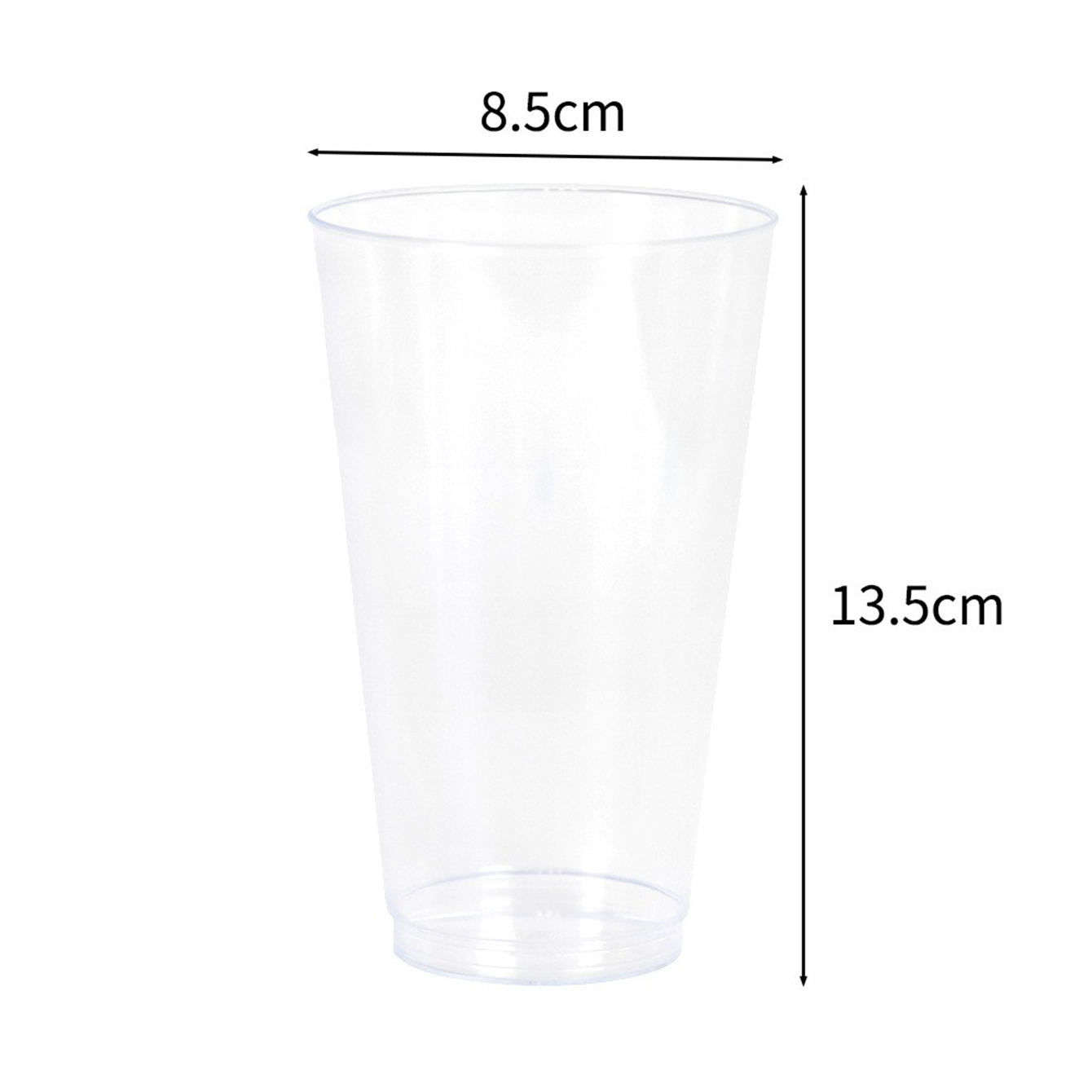
Almost every community event runs two drinks at once: an urn of coffee or tea and a jug of squash, lemonade or water. A 9 oz hot cup suits an urn pour; a 16 oz cold cup covers a long afternoon and doubles as the volunteers’ water cup. One size for both means coffee in a bucket or squash in a thimble.
Lids are a separate decision. Indoors, with people sitting down, lids cost money and create waste nobody notices; buy them when drinks leave the building — sports days, a walking route, a stall serving from a hatch. If you do buy lids, order them with the cups: a lid only seats on the rim family it was moulded for, and one from another supplier will not seal however close the diameter looks. The cup and lid fitment guide shows how to check rim diameters; the drinkware range lists the sizes we run.
Napkins and plates: match the menu, not the table
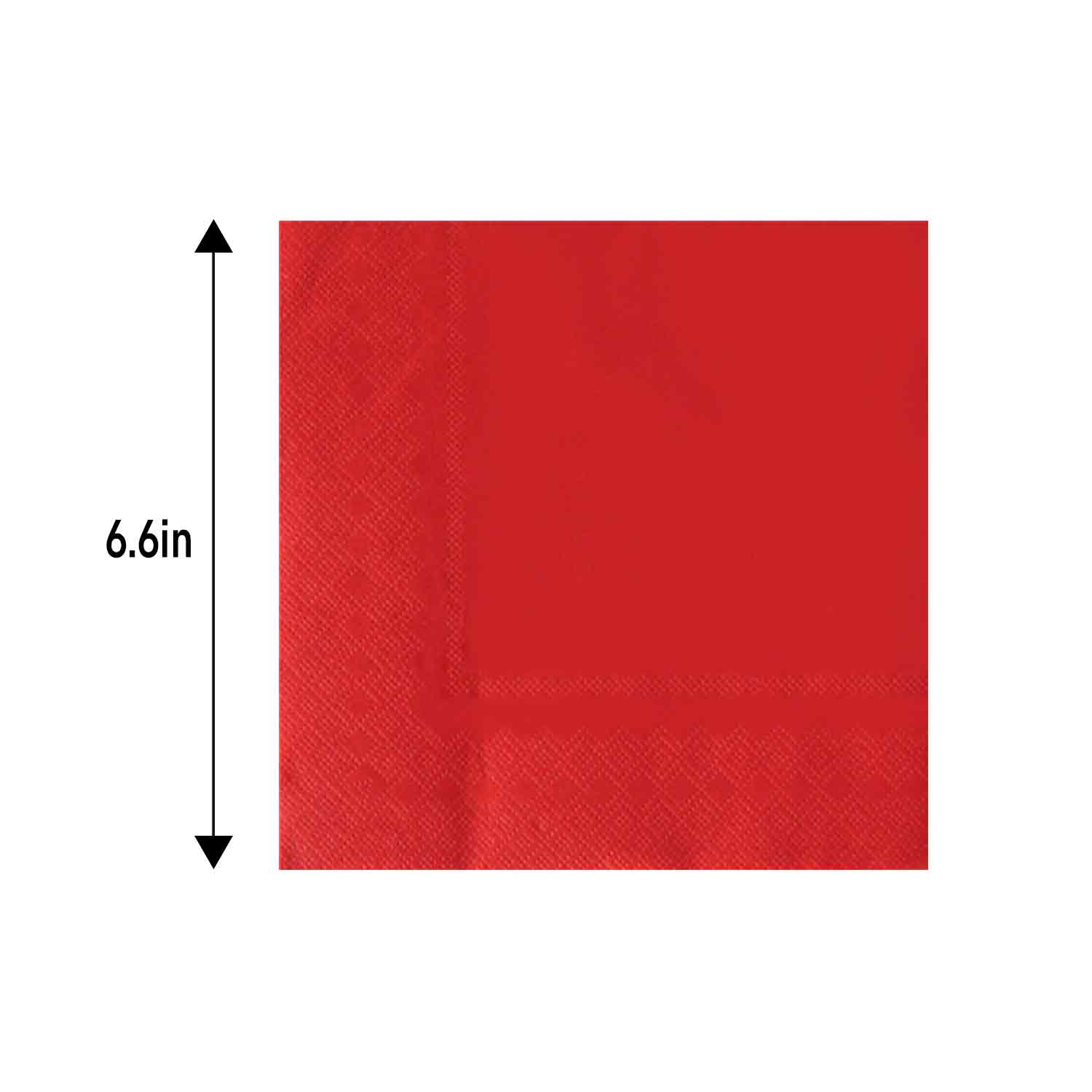
Napkin ply should follow the food. A one-ply beverage napkin is enough for cake and coffee at a coffee morning; anything with sauce, butter or grease needs two-ply, and a barbecue or chilli supper needs it at dinner size. Suppliers quote three classes — beverage, luncheon and dinner, roughly 5 × 5, 6.5 × 6.5 and 13 × 13 in. Colour should follow the tablecloth rather than the plates, because plate rims are usually metallic and match nothing.
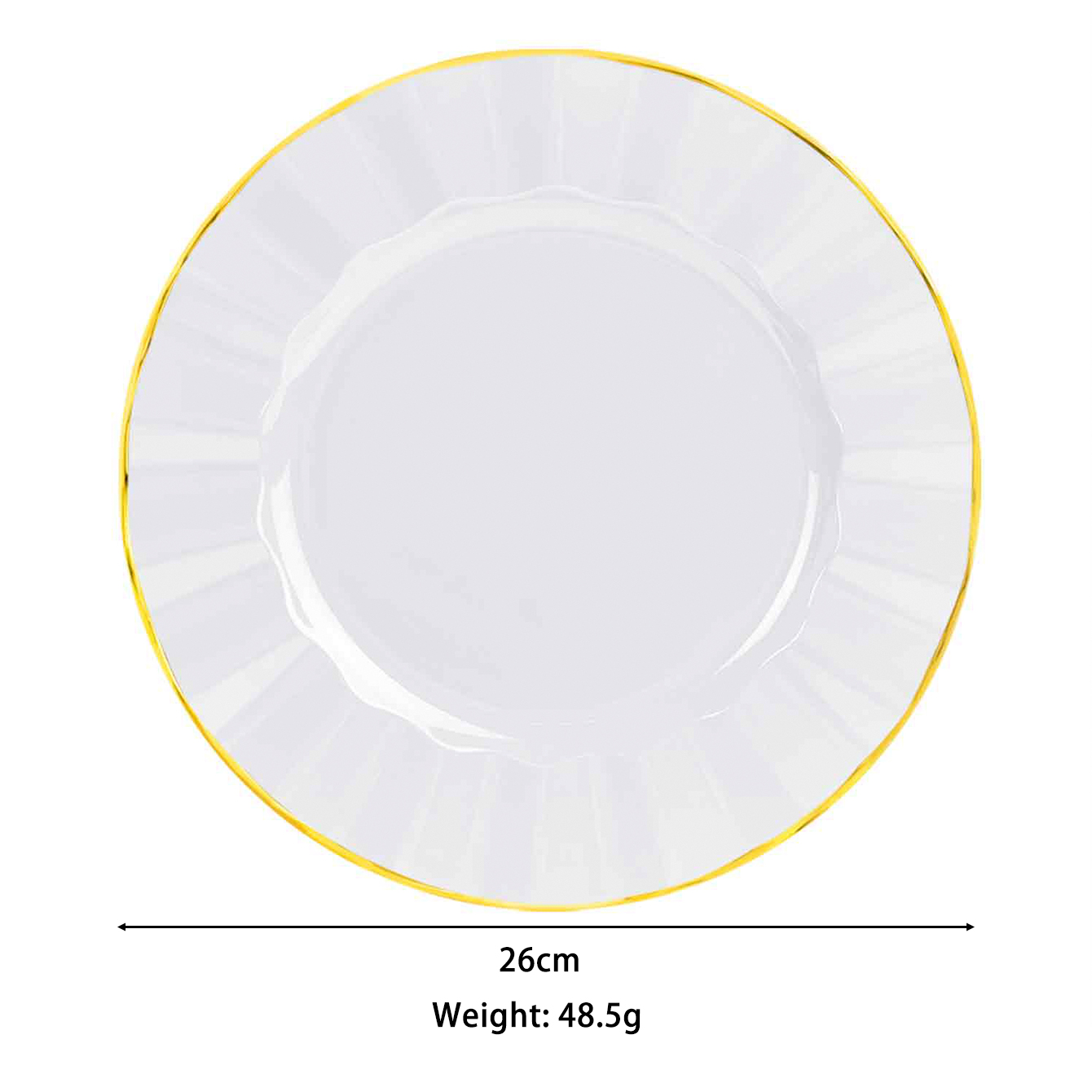
On plates, two sizes do almost all the work: 9 in for the main and 7 in for dessert or seconds. A 10 in plate only earns its place when it doubles as the tray people carry around a hall. Add bowls when the menu includes chilli, soup, stew or ice cream, and go by capacity — 24 oz holds a generous serving of stew, 8 oz is a dessert or side. The plates and bowls size guide walks through the combinations; polystyrene plates sit under 21 CFR 177.1640 if the committee asks for the citation.
Leftovers, storage and the reorder point
Community events generate leftovers in two directions: food that goes home with guests and food that goes back in the church fridge. Lidded containers from 8 oz to 128 oz solve both, and are worth ordering with the tableware rather than the night before. Store film flat, dry and off the floor, away from radiators and direct sun — creases pressed into a folded cover become tear starters next time.
Label each carton with gauge, size, colour and arrival date, because the next committee inherits the box and not your memory of it. Set the reorder point at half a carton rather than at empty. Single-service articles are meant to be used once and handled so they stay clean until then, which is why the FDA Food Code treats their storage as food safety rather than housekeeping.
One order sheet for the committee
Put the purchase on a single page and the planning meeting gets shorter. The fields that matter: table inventory by size and count; cover size, gauge and colour per table type; headcount; plate mix (9 in, 7 in, bowls); guest cutlery plus a separate serving-piece count; hot and cold cup quantities with or without lids; napkin class, ply and colour; containers; and packing by table type or by event zone.
Runxiang has been making PEVA tablecloths, plates, bowls, cups, cutlery and napkins in Changzhou for more than twenty years, supplying schools, churches, caterers and the distributors who serve them. Send us your table inventory and menu and we will come back with a table-by-table specification, OEM or ODM packing for your own label, and a quotation for the committee. Start with the solid colour tablecloth range or the disposable plate range and build the rest of the order around it.