

Most first orders do not fail because the factory lied. They fail because nobody asked for the one thing that would have exposed the gap: the process, on camera, with a number on it. A buyer spends two days on a factory trip, sees a polished showroom and a running line, signs — then finds in week six that the film marked 0.05 mm measures 0.042 mm, or that the print line belongs to the unit two gates down the road.
A remote audit does not replace a factory visit or an inspection during production. What it replaces is guesswork. Here is the checklist we would want a buyer to run on us, in order.
What a remote audit can and cannot tell you
A video walk-through answers a narrow but valuable set of questions. Does the process exist in the building you are buying from? Is gauge controlled by a readout or judged by eye? Is printing in-line, or subcontracted to a third party who may print for your competitor next week? Is there a QC station with a written record, or does the packing team glance at the film as it comes off? And is the paperwork consistent — does the same resin grade appear in the declaration, the test report and the invoice?
It cannot tell you capacity utilisation, labour conditions, who supplies the resin, or whether the company will still be trading in eighteen months. Video can be staged, but staging takes effort, and a factory willing to stage a ten-minute walk has usually thought about the details you are about to ask about.
So treat it as a filter for who gets your sample order, and put the money into a third-party inspection on the first production run, where the numbers cannot be prepared in advance.
Ask for the line, not the showroom
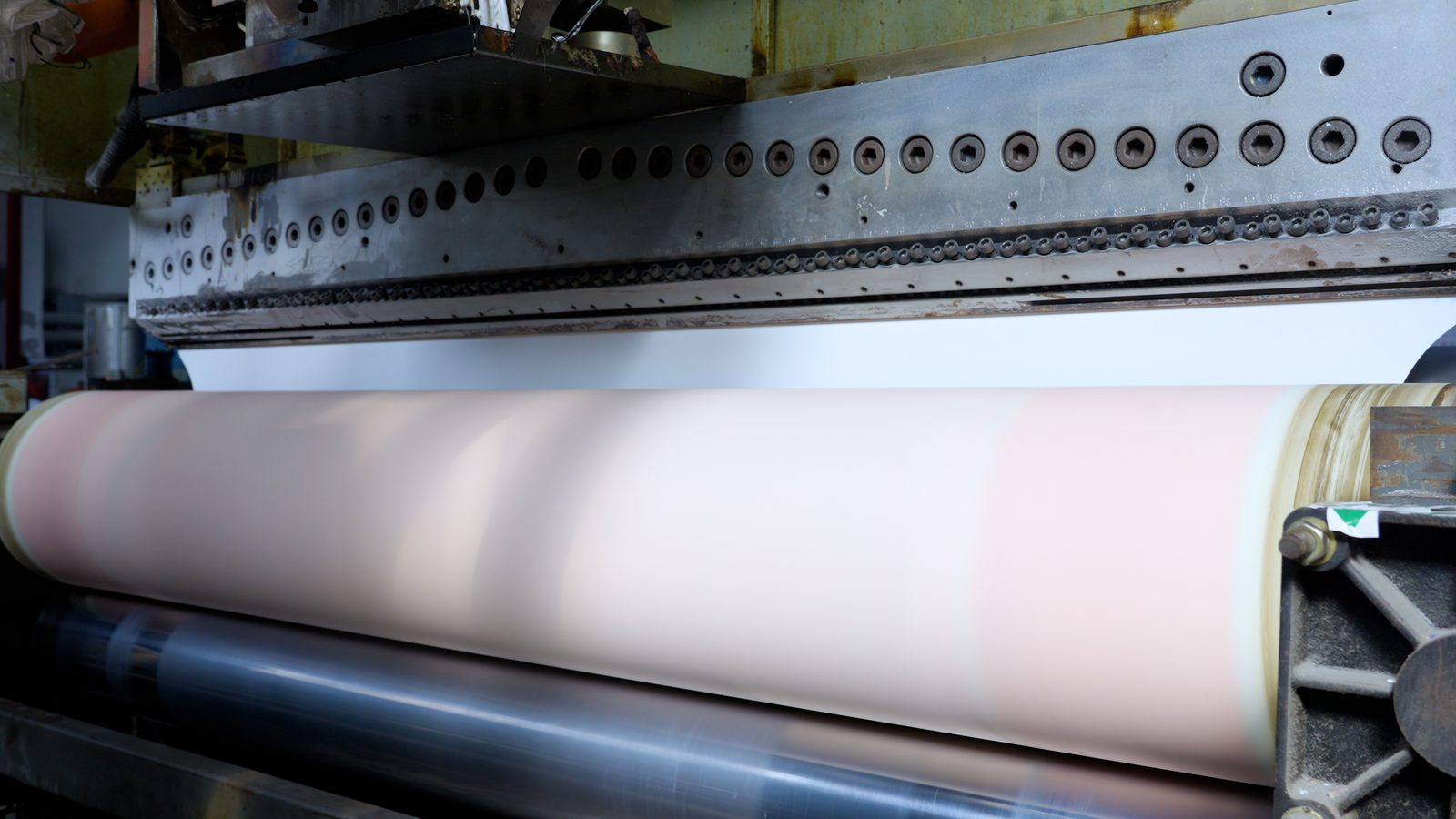
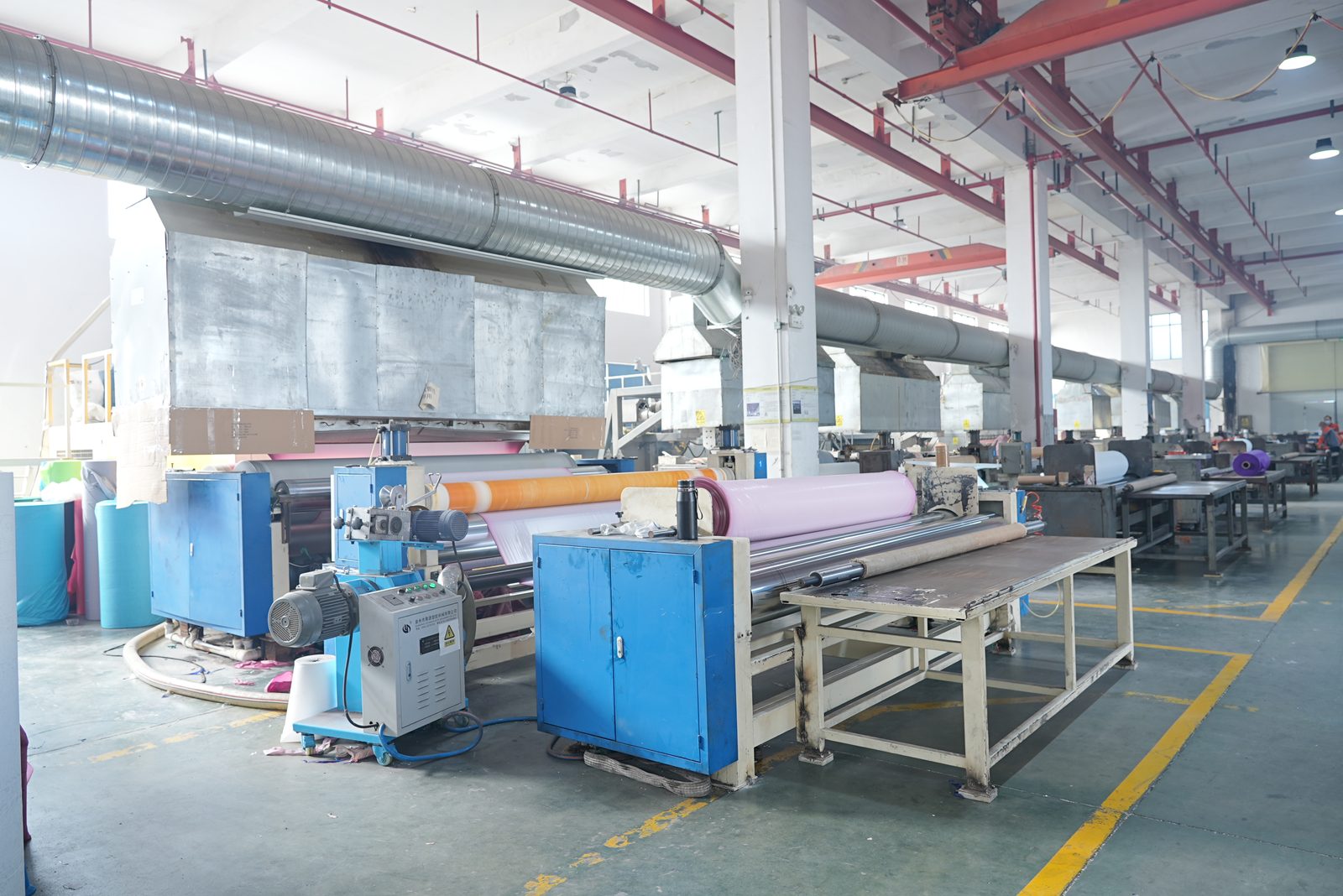
Every factory has a showroom. Ask instead for one continuous take, with sound, from resin intake to the finished-goods bay. Cuts are where the inconvenient parts live. Five checkpoints matter:
1. Resin intake. Bag or silo labels with the grade visible. A factory that cannot name the grade it runs cannot hold a colour or a stiffness target across orders.
2. Film line. The HMI screen with the gauge readout, and the roll running. Ask them to put a micrometer on the film on camera at three points across the width. On a wide roll the edges and the centre are not identical, and the number on screen should sit inside the tolerance printed on your spec sheet.
3. Corona treater. It is a small unit that decides whether ink stays on the film at all. Ask what dyne level they hold and how often they check it. If the answer is a shrug, print adhesion is being managed by luck. Our own film-to-print production walk-through explains where the treater sits in the sequence.
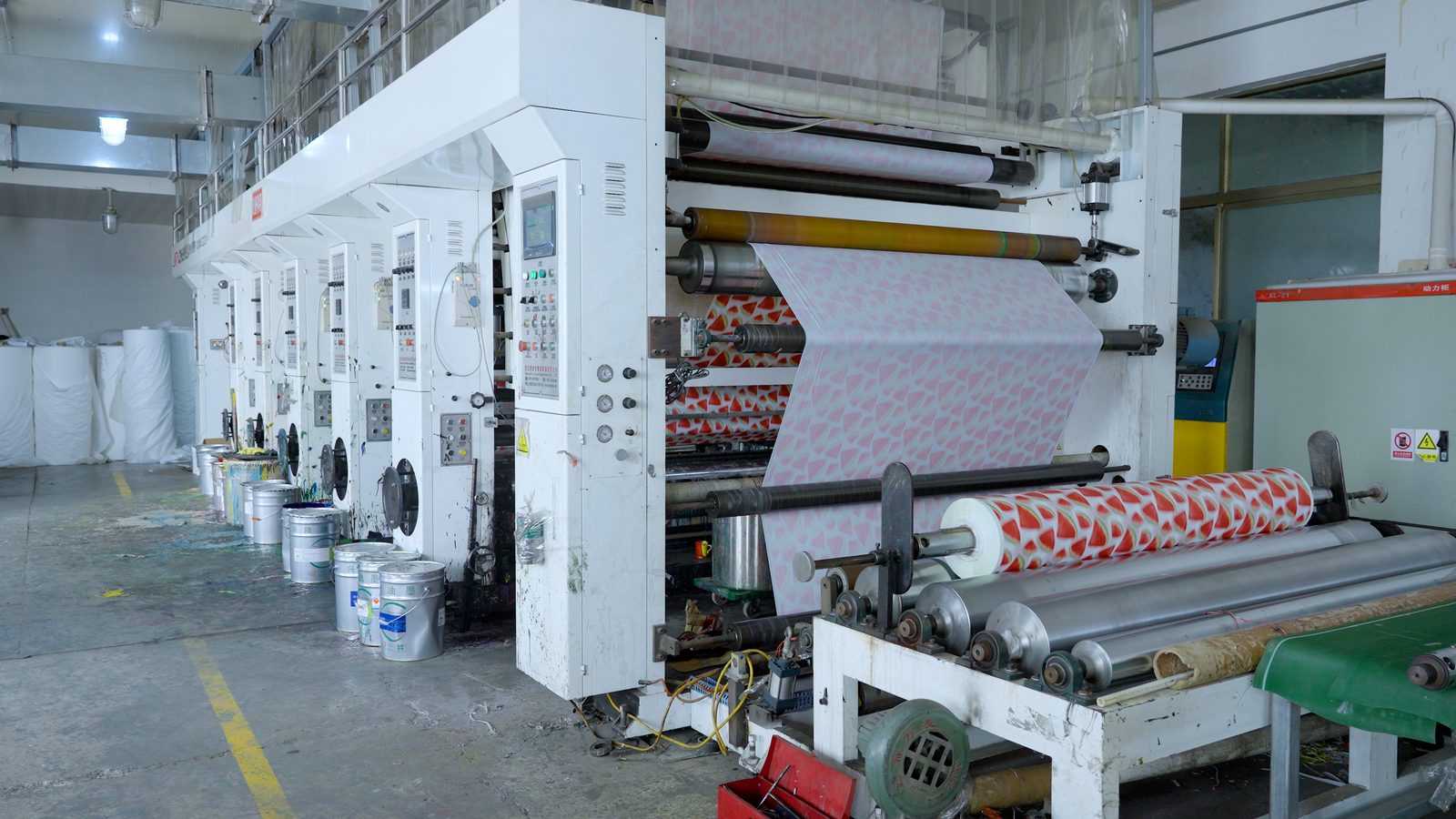
4. Print station. Ink pans, plate or anilox cylinders, and the registration eye mark. Ask for repeat length and colour count. Off-line printing is not automatically worse, but know which one you are buying.
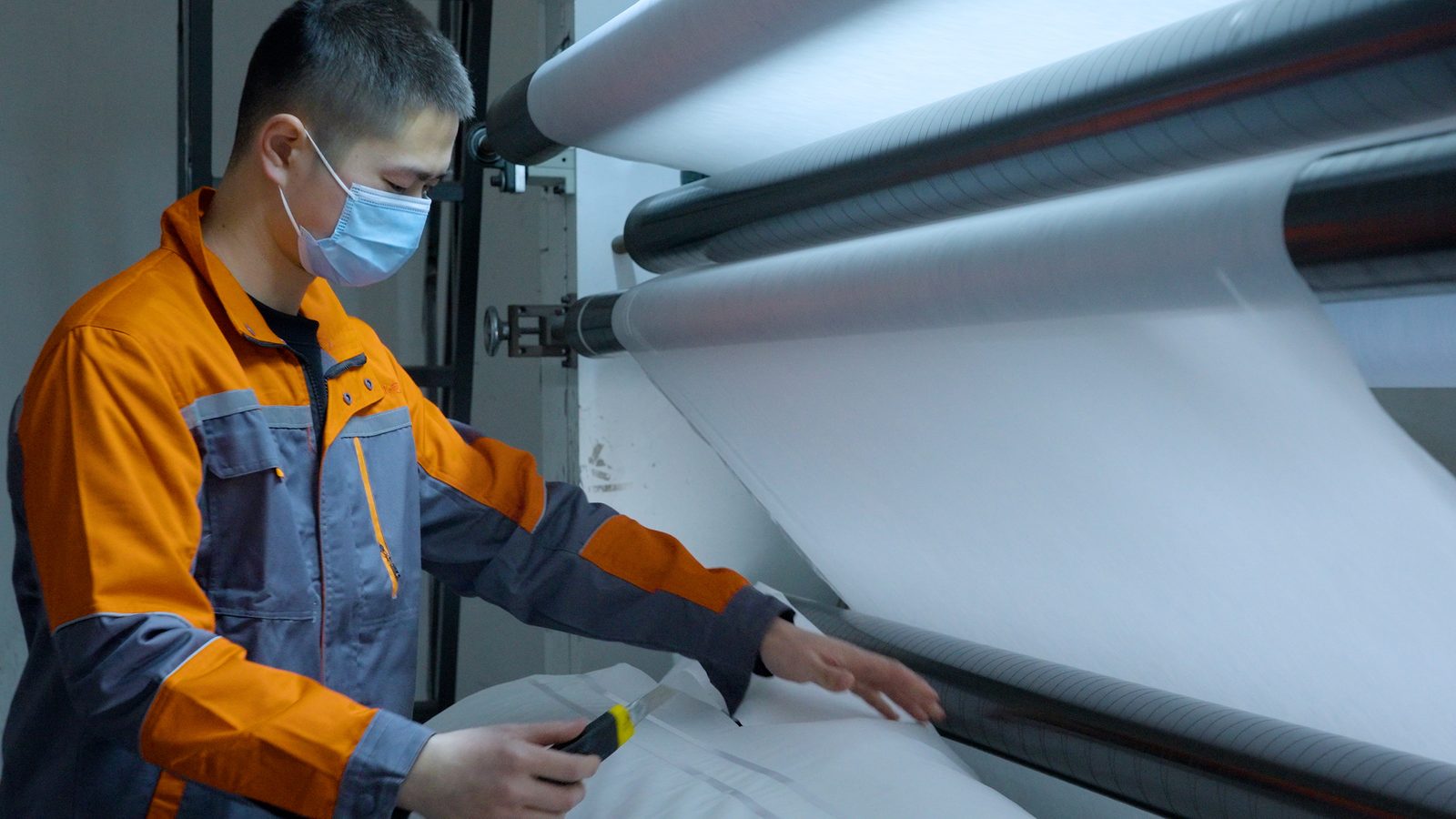
5. QC and packing. A separate station with a light box and a record sheet, then the packing bench with your inner bag and master carton. If QC happens at the end of the packing line, the record does not exist.

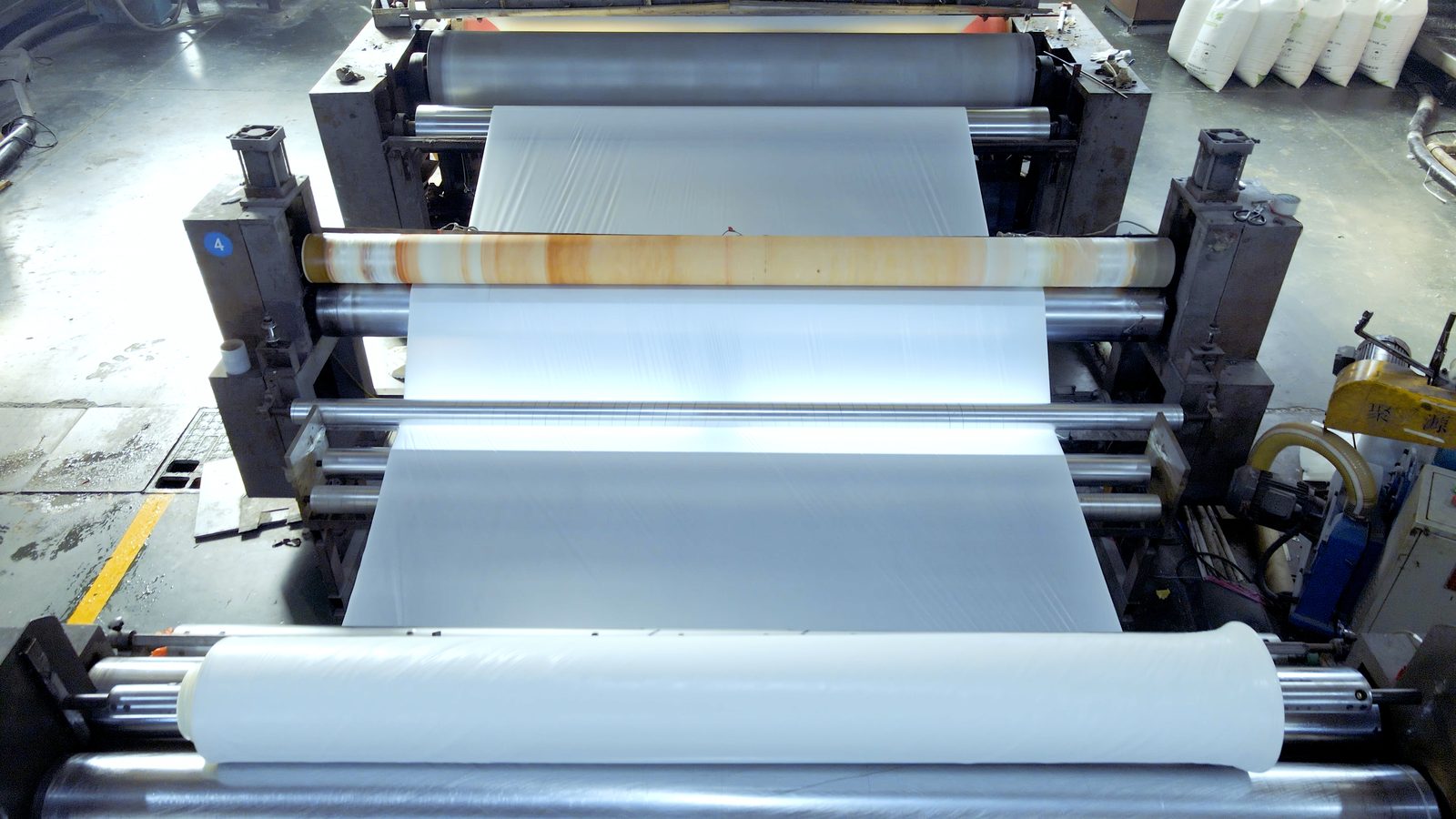
Ask for gauge in both units: microns and grams per square metre are how the line is set, mils are how the market talks. A reply that only ever comes back in mils was copied from a catalogue. Our mil, micron and GSM conversion chart is the reference we send buyers so both sides are measuring the same thing.
Documents that cost nothing and say a lot
Five documents, all free, read in this order:
Business licence with the scope of business. “Manufacture of plastic products” and “sale of plastic products” are different lines on one certificate. Traders are legitimate, but the price, the QC and the lead time belong to someone else.
A food-contact declaration that names the resin and the regulation. For polyolefins in the US that means 21 CFR 177.1520; for polystyrene, 21 CFR 177.1640; for the EU, Regulation (EU) No 10/2011. A declaration that names nothing is a letterhead, not a document. The full set sits on our food-contact materials page so buyers can see what a complete pack looks like.
Test reports. Check the standard, the laboratory, the date and the sample description. A report on “polyethylene film” does not cover a printed cover using a different ink system, and a report older than the last formulation change proves nothing about today’s resin.
ISO 9001 certificate. Read the scope wording and the expiry date, not the logo (what ISO 9001 covers). A certificate scoped to “trading of plastic products” is a quality system for a desk, not for a line.
HS code consistency. The invoice code should match the packing list and the declaration. Tablecloths cut to shape, film rolls and moulded plates do not share a subheading, and a supplier using one code for all three has not looked. Our HS code guide shows the split.
The three-sample protocol
Colour arguments are settled with physical samples, not photographs. Ask for three, and label them:
Master sample. One approved piece, signed and dated by both sides, one copy held by each. This is the reference for every future order, not the last shipment.
Pre-production sample. Made from the resin lot that will run your order, before the run starts. This is where a lot-to-lot colour shift gets caught while fixing it is still cheap.
Production sample. Pulled from the running line, ideally by the inspector, not selected by the factory.
Compare all three under one light — a D65 viewing box, not the office window or a phone torch. Measure gauge at five points across the width, in both directions. Check register at the eye mark, not the middle of the design, where a shift is invisible. For a brand colour, read it on a spectrophotometer and agree a Delta E tolerance in writing; the eye is not a calibrated instrument.
Keep a photo log with the sample IDs and dates. When a complaint lands six weeks after arrival, the difference between a claim you can settle and one you cannot is usually a photograph with a number in it — the logic behind our eight common tablecloth complaints and the specs that prevent them.
Red flags in the answers
None proves a factory is bad; all are reasons to ask a second question:
- Gauge is only ever quoted in mils, never in microns or GSM.
- A price arrives before you have finished the specification.
- “Same as last time” is offered with no physical master sample to compare against.
- QC is described as something the packing team does, with no record sheet.
- The resin grade and the ink system cannot be named.
- MOQ is quoted per colour while the case pack is still unknown.
The one-page RFQ that separates factories from traders
Send one page and ask for tolerances, not nominal values. Ten fields are enough: item and intended use (food contact, hot or cold); resin and grade; gauge in microns and GSM; width and roll length, or cut size; print method, colour count, repeat length; colour reference; case pack by pieces per inner and inners per master; pallet TI by HI; documents required; sample and production lead time. Add the HS code and Incoterm.
A trading company answers six of the ten and forwards the rest “from the factory”. A factory answers all ten and adds the tolerance it can hold — the only part of the reply that matters when the film arrives. The same discipline applies at quoting; our guide to reading a tablecloth quotation lists the line items that are usually missing.
Score it, do not vibe it
Put thirty points on paper the same day: process evidence 10, documents 8, sample match 7, answers 5. Two factories within three points are the same factory in practice — pick the one that answered the gauge question with a number and a tolerance, in your spec’s vocabulary. That predicts the next three orders better than any brochure.


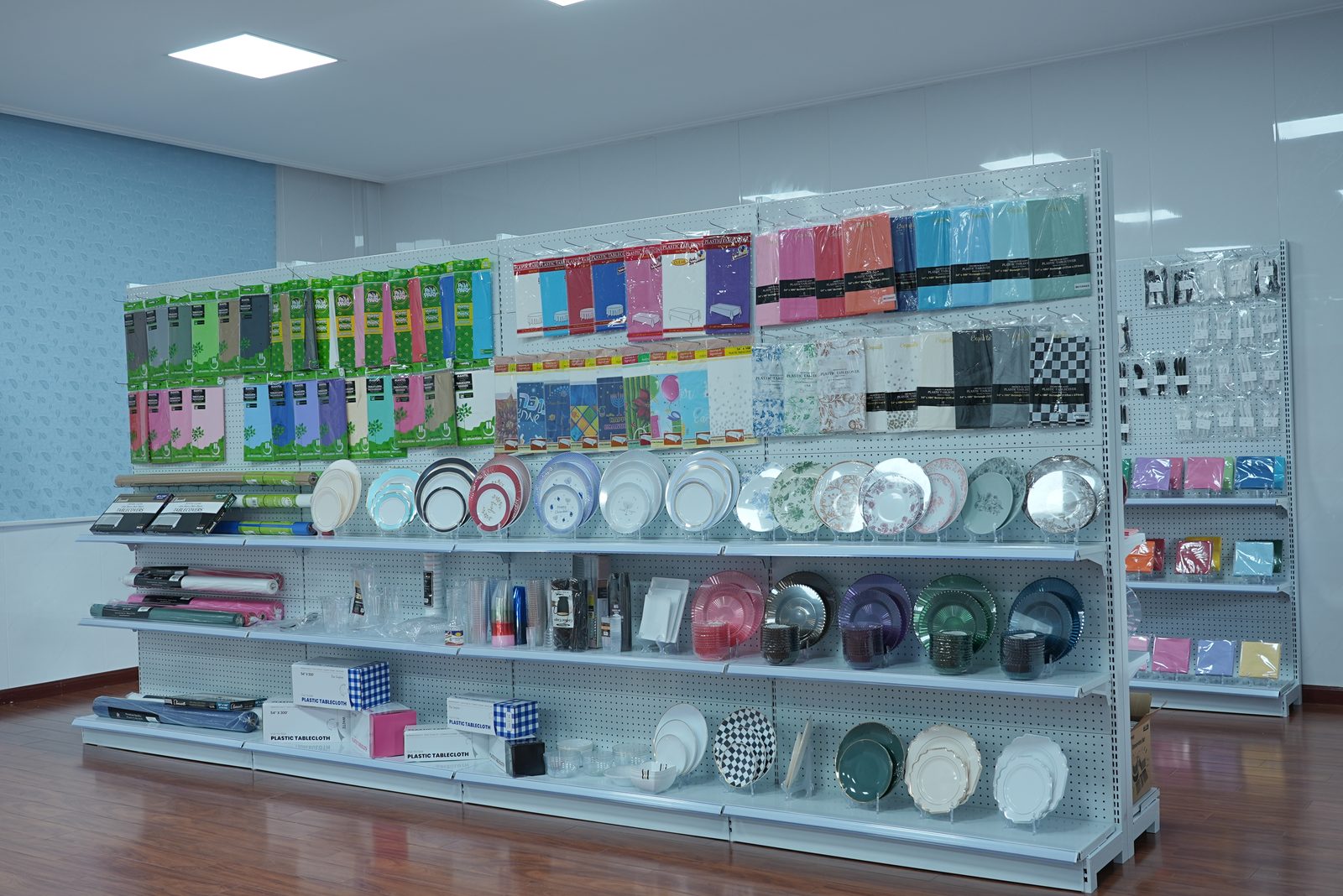
Runxiang has made plastic tablecloths and disposable tableware in Changzhou for more than twenty years, across table covers, dinnerware, cutlery, napkins and party sets. We will run the video walk from resin to pallet and send the document pack before a buyer asks, and our factory page is the short version of the same tour. If you are re-specifying a range or moving a programme, our OEM and ODM process sets out how samples, tooling and approvals are sequenced.
Related reading: what a tablecloth plant actually costs to run · PP vs PS vs PET for disposable dinnerware · buying disposable tableware wholesale in seven steps
Shop the range: wholesale plastic tablecloths · disposable plastic dinnerware · plastic cutlery in bulk