










If your last container of plastic tablecloths landed with a duty bill higher than your landed-cost sheet, the product was probably not the problem — the HS code was. The pattern is familiar: the factory wrote a code on the invoice, the forwarder repeated it, and nobody checked whether “plastic tablecloth” means tableware, sheeting or household furnishing. In the United States the importer of record — not the supplier — is legally responsible for reasonable care on classification. Here is how the codes work for what we make: plates, cups, cutlery, napkins, covers and curtains.
Heading 3924: where almost every plastic table item starts
Nearly everything falls under heading 3924: tableware, kitchenware and other household articles of plastics. The split inside it decides most duty questions.
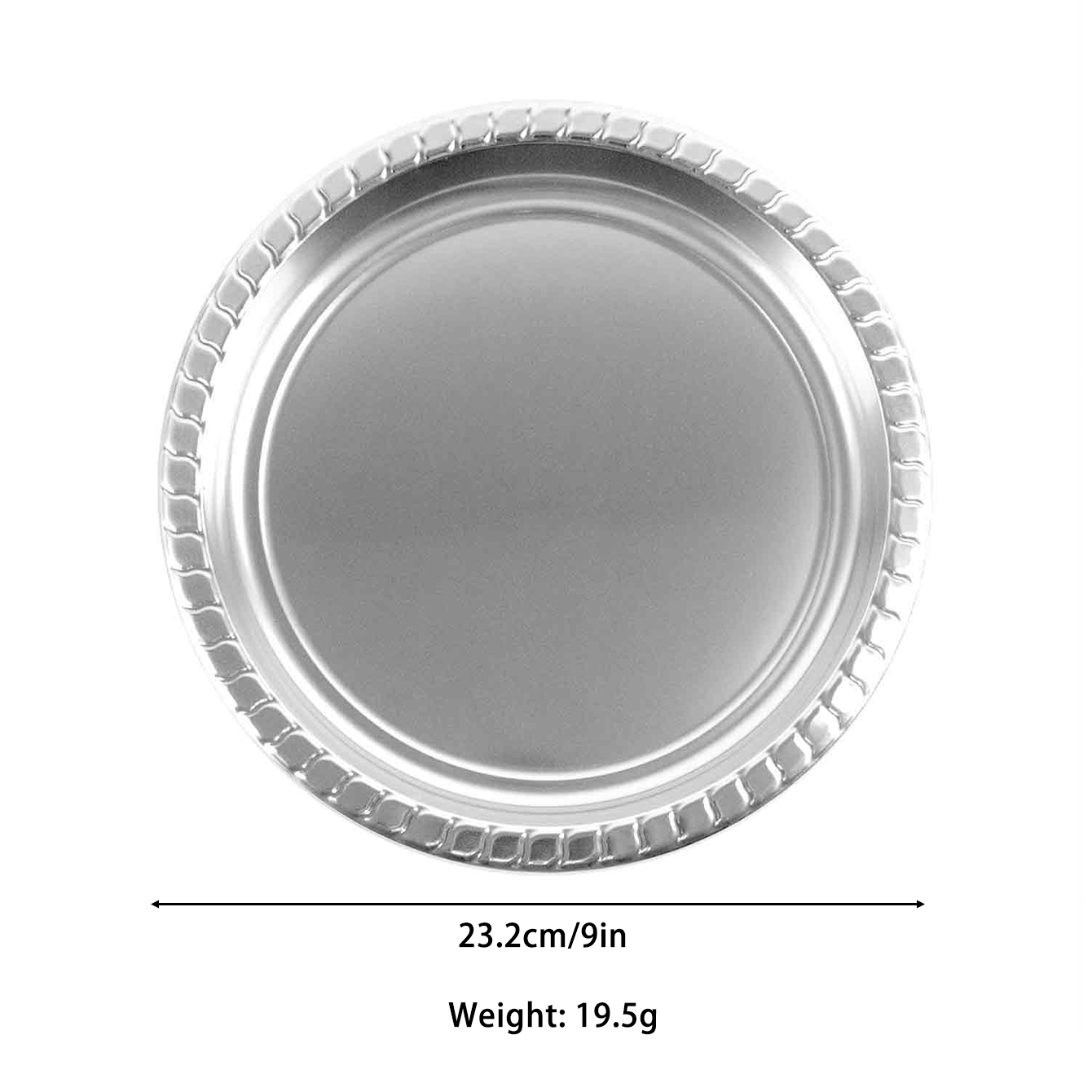
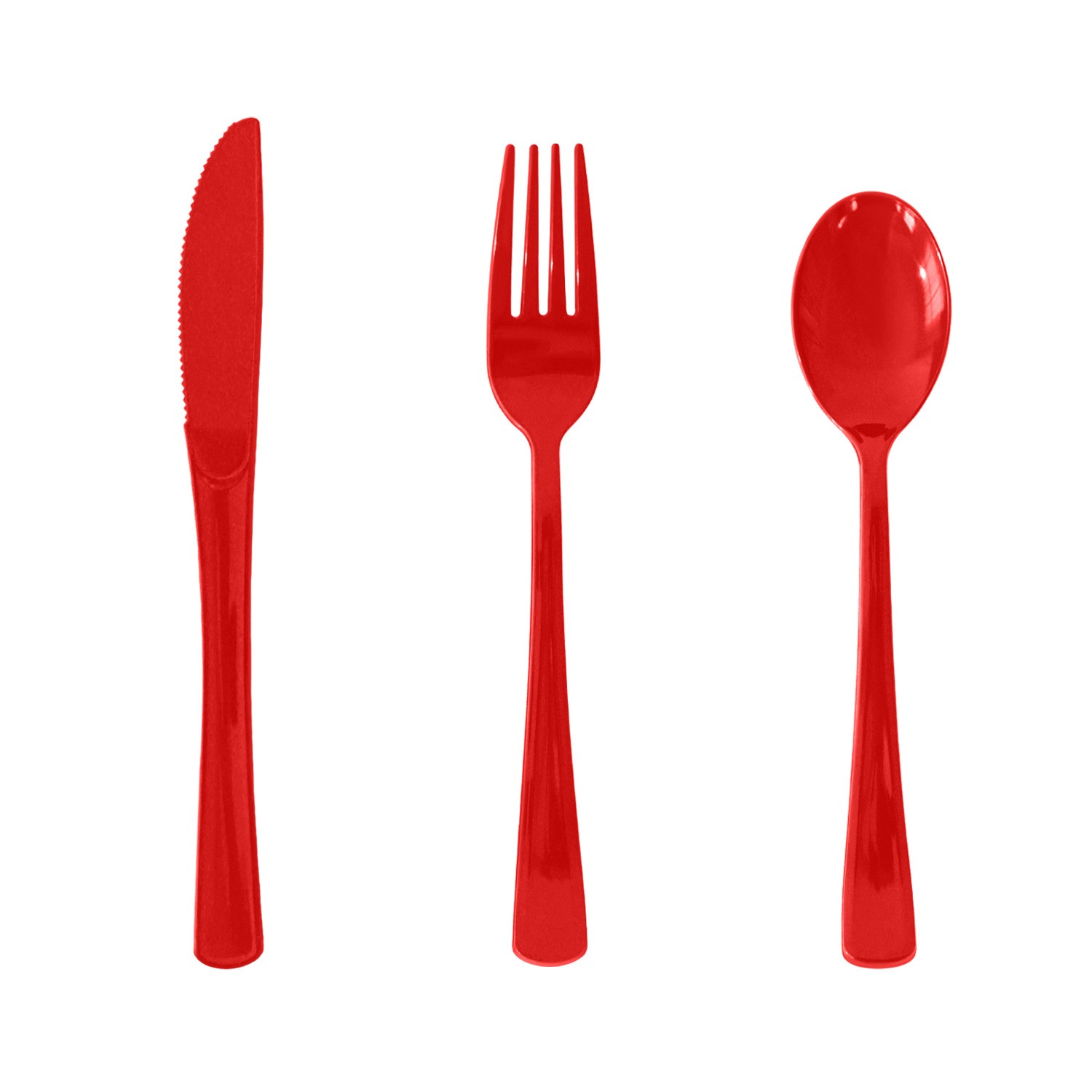
3924.10 covers tableware and kitchenware — plates, bowls, cups, tumblers and cutlery. In the U.S. schedule 3924.10.10 takes insulated ware, 3924.10.40 the general line. CBP has classified plastic bowls from China at 3924.10.4000 (ruling N018482) and a biodegradable fork-spoon-knife kit at the same code (NY N072261).
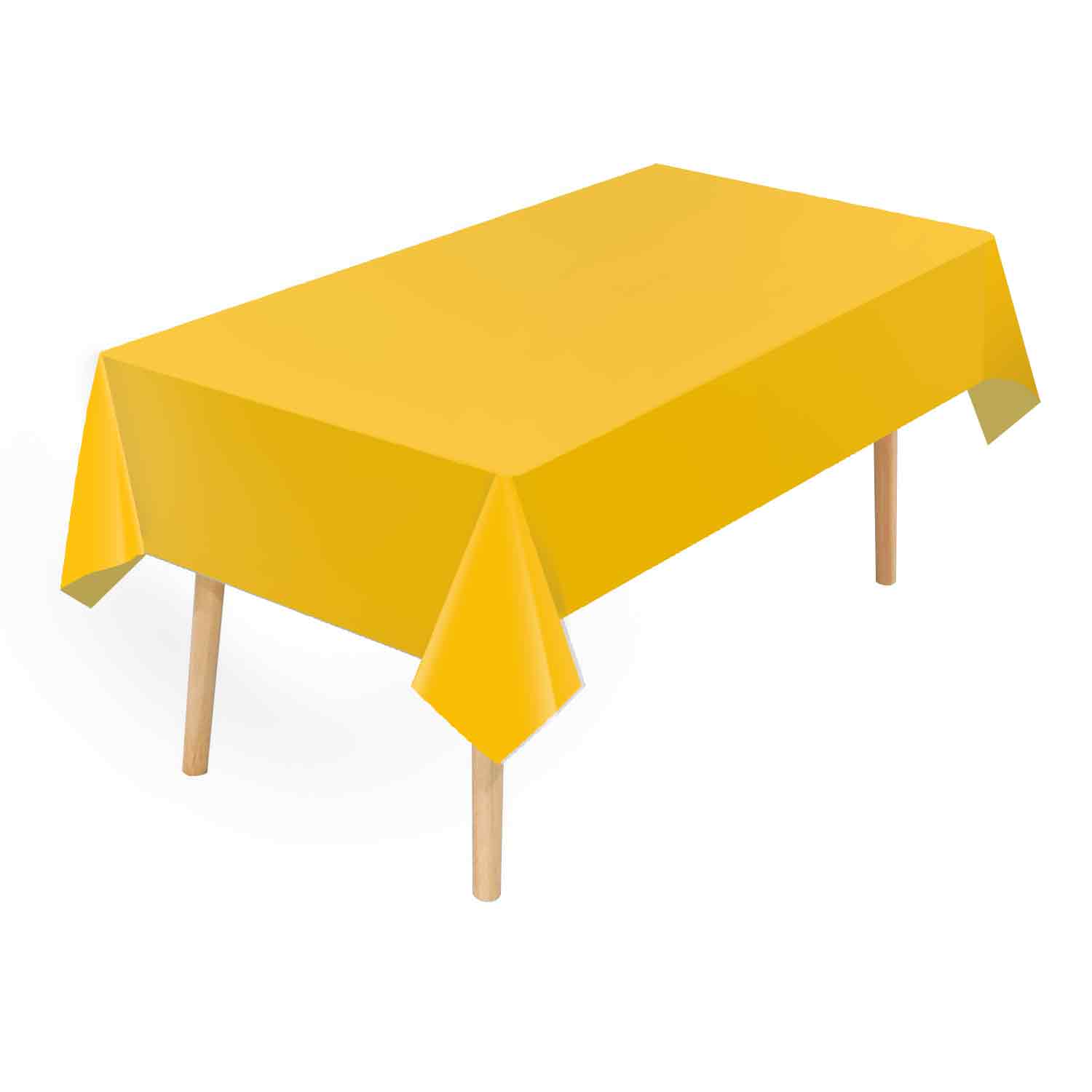
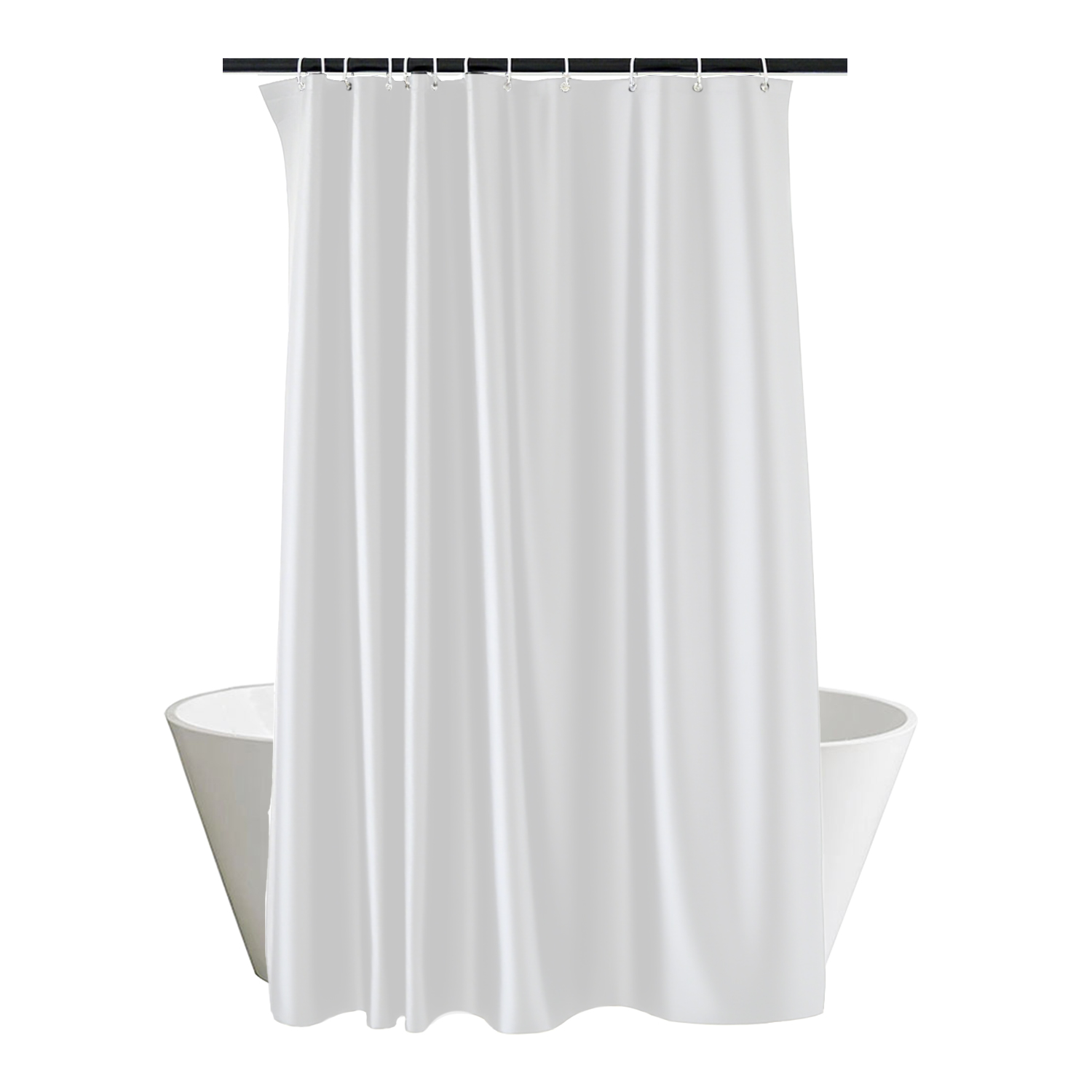
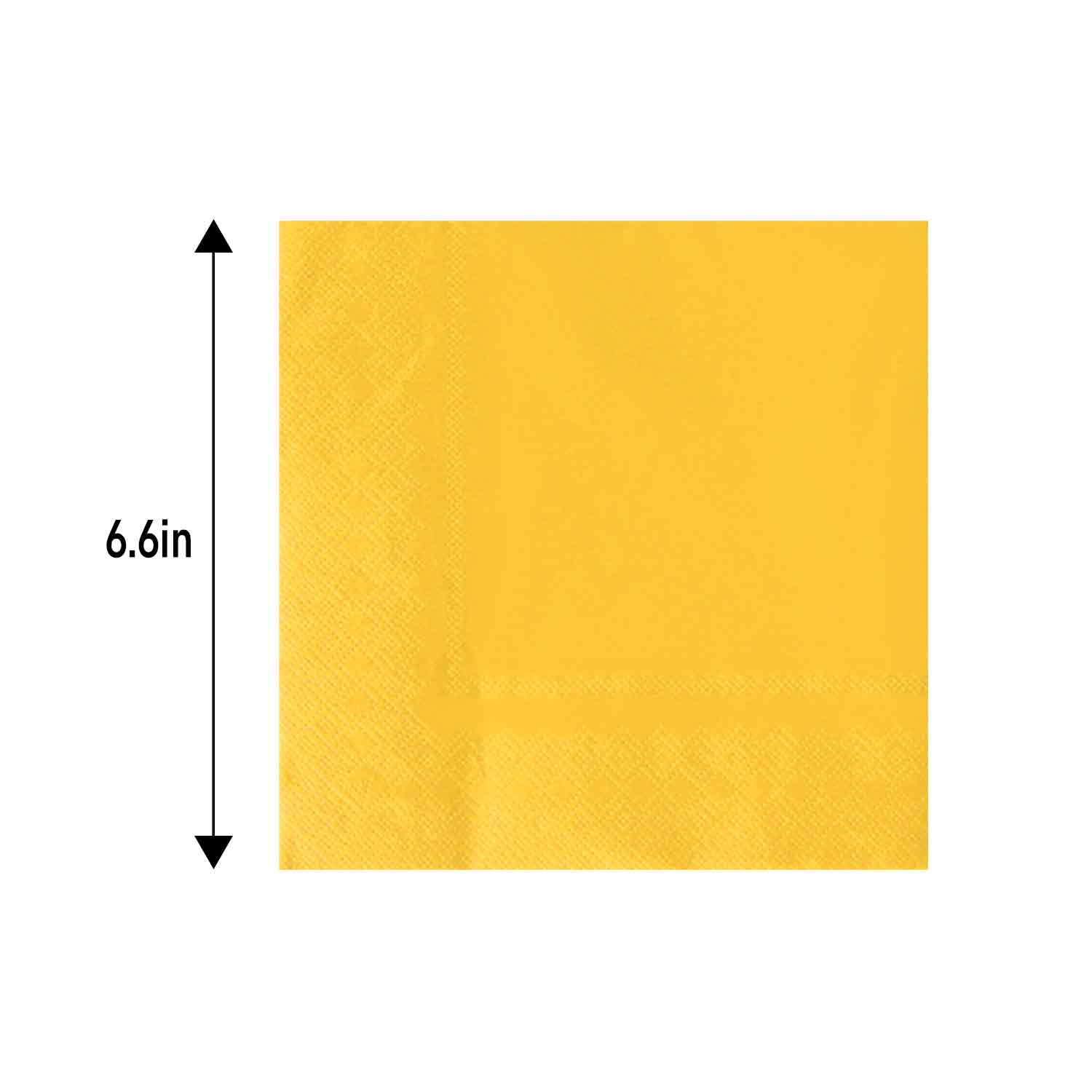
3924.90 covers everything else. Inside it, 3924.90.10 is written specifically for curtains and drapes, including panels and valances; napkins, table covers, mats, scarves, runners, doilies, centerpieces (USITC HTS heading 3924). That line covers both our table covers and shower curtains, and CBP has classified a cut-to-shape plastic table cover from China in 3924.90.1050 rather than the residual “other household articles” line 3924.90.56 (ruling NY N317035).
Three traps that change the code without changing the product
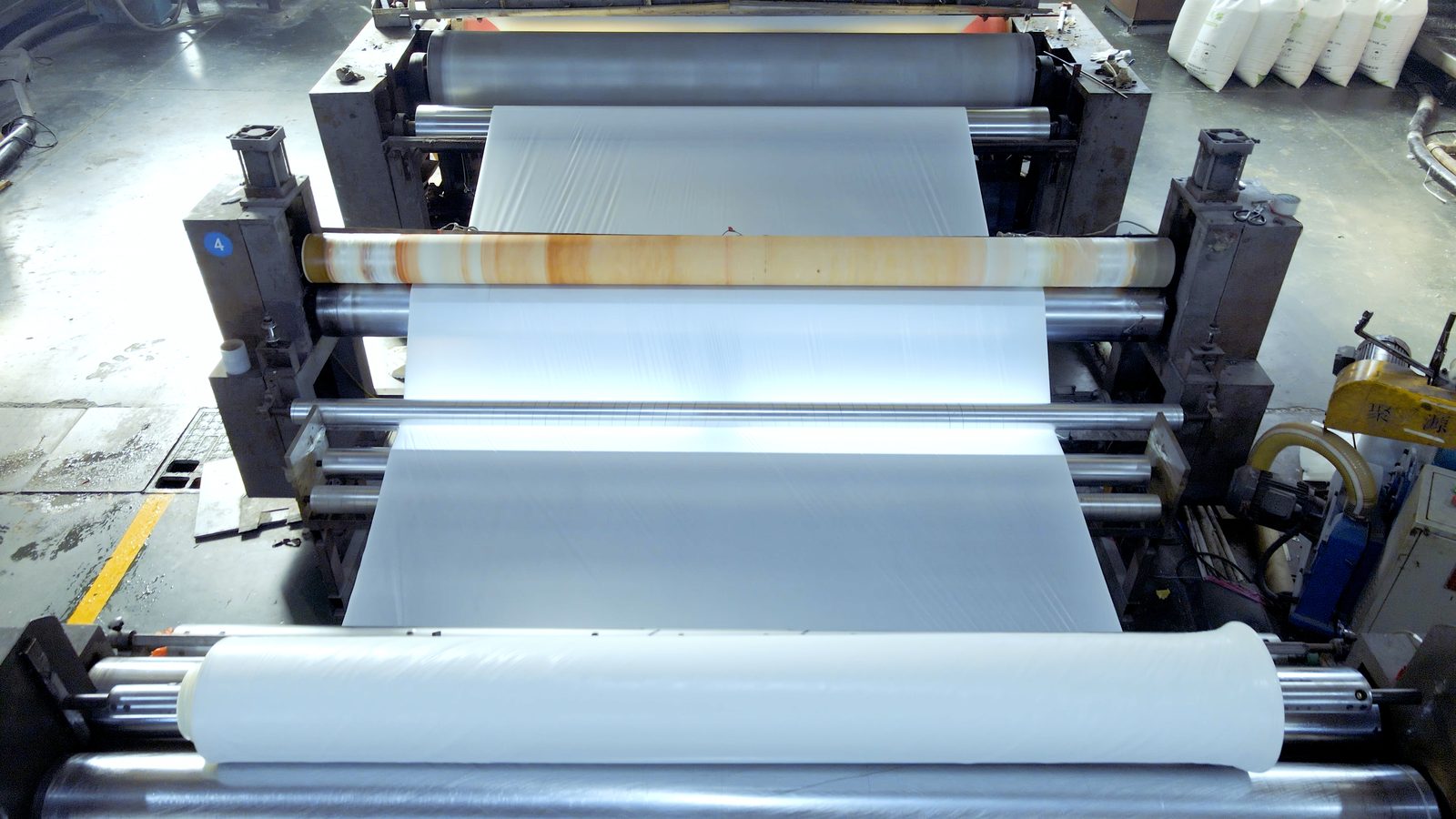
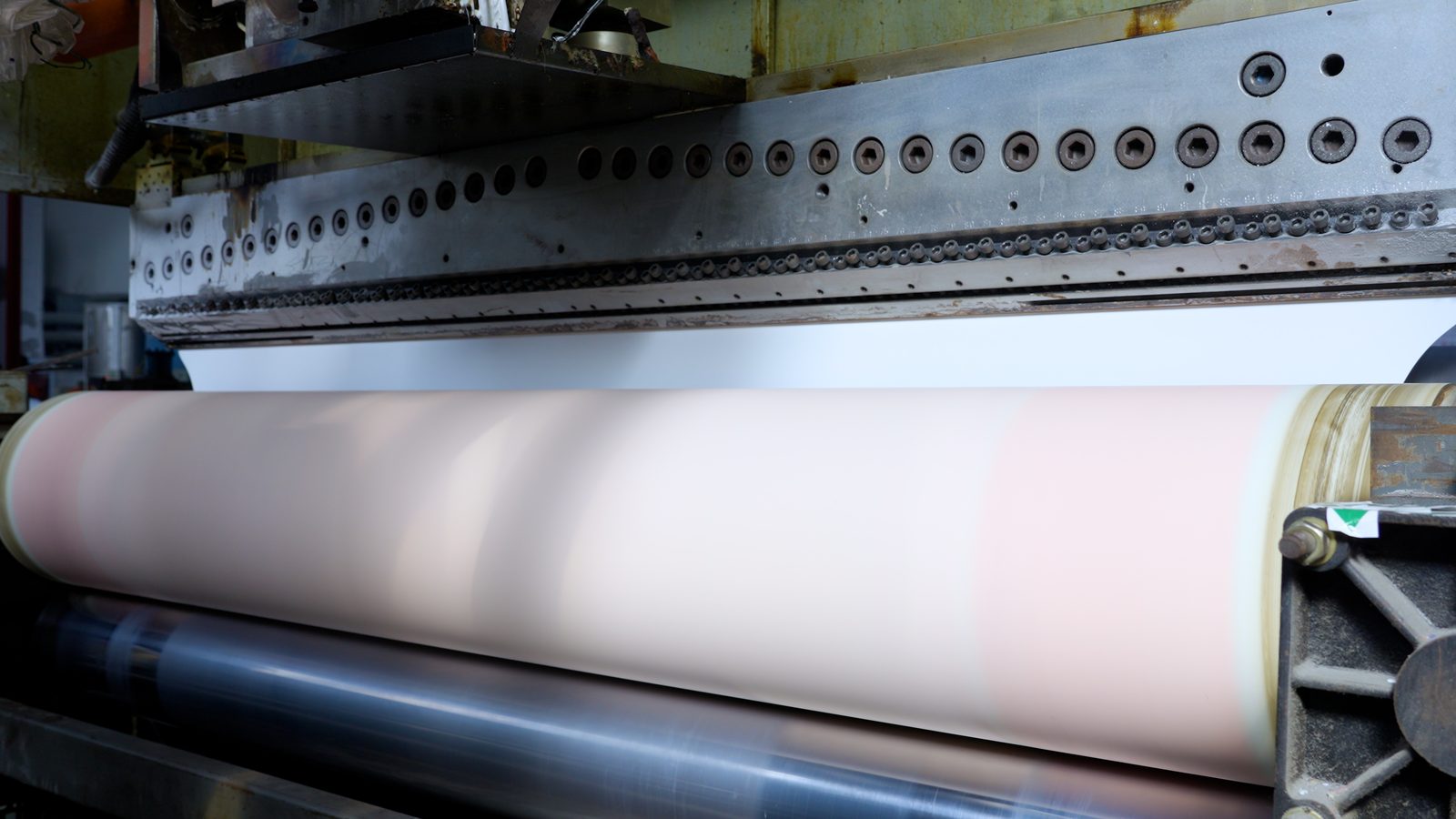
1. A roll is not a cover. Printed PEVA leaves a factory in two shapes. Film on a roll — the way our tablecloth roll stock is shipped — is normally classified as plastic sheeting in Chapter 39; the same film cut to shape and packed as a finished cover is a table cover under 3924.90.10. Two “tablecloth” containers from one line can carry different heading, duty and labelling.
2. Sets are judged as a whole. A party set with 7-inch and 9-inch plates, napkins and cutlery in one printed bag is a composite good. General Rule of Interpretation 3(b) sends it to the component giving it its essential character, and 2026 rulings have put some plastic kit-and-case combinations under 3926.90 as articles of plastics rather than 3924. If your set includes a reusable tray, cup carrier or printed case, classify it before cartons are printed.
3. The material sub-line is not decoration. The EU splits the tableware subheading into 3924 10 00 11 for kitchenware containing polyamide or melamine consigned from China or Hong Kong, and 3924 10 00 90 for other tableware and kitchenware: identical bowl, different declaration line, depending on resin and origin. Trade-defence follows those lines — in February 2026 the EU imposed a 79 percent anti-dumping duty on ceramic tableware and kitchenware from China (Regulation (EU) 2026/274); buyers who moved from ceramic to melamine found the plastic side has its own sub-lines.

What the code costs: base rate versus stacked rate
Column 1 general rates in heading 3924 sit in the 3 to 6.5 percent band (duty table), but that is rarely what a buyer pays. Once Chapter 99 measures are stacked, China-origin entries have been published at 15.80 percent all-in for 3924.90.10 (covers, curtains and napery) and roughly 23 percent for the residual 3924.90.56, as of September 2026.
2026 added more variables: USTR opened 60 Section 301 investigations in March 2026 (USTR) and in July 2026 proposed an additional 12.5 percent on economies without effective forced-labour import prohibitions (Federal Register notice). Any such layer applies on top of the rates above. Two containers of the same cover can differ by more than ten duty points on code and origin alone, and filing a cheaper code deliberately is not planning: 19 U.S.C. 1592 penalties are calculated on the duty lost.
A five-step classification check before you place the order
1. Send the specification, not the product name. Your broker needs the resin (PP, PS, PET, PEVA or PVC), gram weight, dimensions, cut-to-shape or roll, printed or plain, food contact or not.
2. Ask for a written classification note. A supplier note should name the rule relied on and any prior ruling. Treat it as input to your filing, never the final word — liability stays with the importer of record.
3. Ask for the all-in duty, not the general rate. Request the full ten-digit code and the total payable at entry, with invoice, packing list and entry line describing the goods alike. Most surprises come from three documents describing one product three ways.
4. Get a binding ruling for volume SKUs: CBP’s eRulings portal takes requests free of charge, and a ruling binds CBP for that merchandise.
5. Keep the file and keep a sample. Entry records must be kept and produced for five years under 19 CFR 163; seal one retail unit per SKU to show what was imported and re-test the code when format, resin or origin changes.
Why buyers classify with us
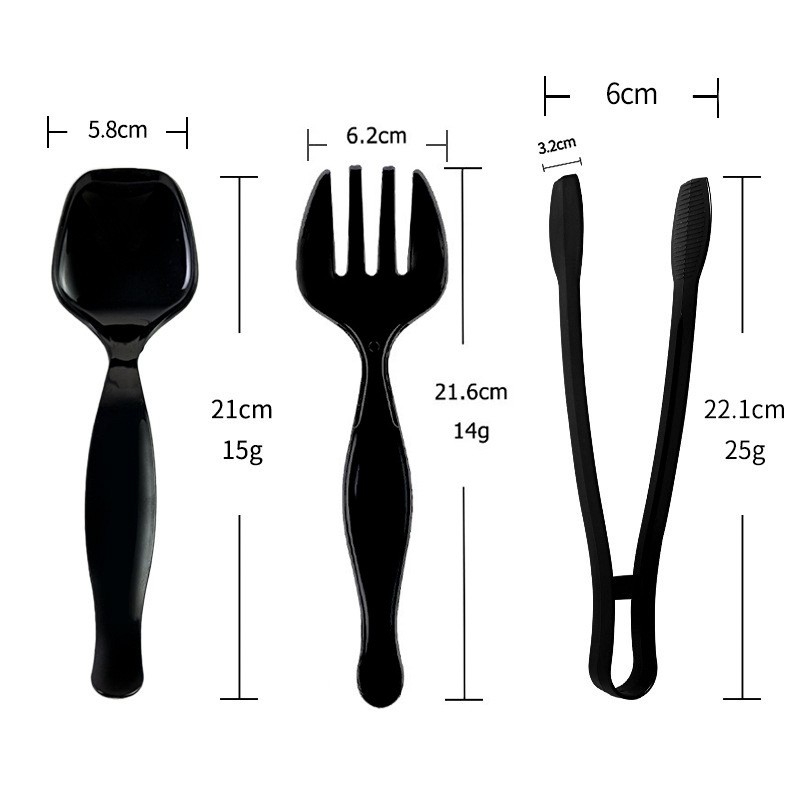
Twenty years of making tablecloths, cups, plates, cutlery and curtains means we already know the questions your broker will ask. Across 30-plus machines and 160,000 pieces a day, every line ships with an English spec sheet, a material declaration and carton data, and we state plainly whether it leaves as cut-to-shape goods or roll stock — the one distinction that changes the heading. OEM and ODM projects are quoted with plate, carton and container data in the same pack. We are a manufacturer, not a customs broker: our notes support your filing rather than replace professional advice.
Related reading
Plates, bowls, cups and cutlery: disposable tableware
Table covers and roll stock: plastic tablecloths
Cups and matching lids: plastic cups and lids
Send us your SKU list and we will return a specification pack you can forward to your broker. Email simon@runxiangplastic.com or call/WhatsApp +86 18617181658 with your target sizes, resin and monthly volume for a quotation.
Shop the range: plastic dinnerware · disposable plastic plates · plastic cups and drinkware · disposable cutlery · plastic tablecloths