










Every October the same scene repeats at the Canton Fair: a tableware buyer leaves Pazhou with forty catalogues, four kilos of samples and no clear answer about which supplier can actually run the order. Phase 2 of the 140th Canton Fair — 23–27 October 2026 — is the session that matters for housewares and tableware buyers, and five days disappear quickly when you are comparing plastic tablecloths, disposable dinnerware and party sets booth by booth. Here is what to do before the show, how to read a supplier in fifteen minutes, and what to do the week after.
When to Be in Guangzhou
The 140th China Import and Export Fair runs in three five-day phases at the China Import and Export Fair Complex, 382 Yuejiang Zhong Road, Haizhu District, Guangzhou. Phase 1 runs 15–19 October (electronics, machinery, hardware), Phase 2 runs 23–27 October (housewares, kitchenware, tableware, glassware, festival items, gifts) and Phase 3 runs 31 October–4 November (textiles, food, personal care). Opening hours are 9:30 am to 6:00 pm daily. Overseas buyers should pre-register online before travelling and carry a passport and business cards for badge collection.
Two things are easy to miss. The changeover gaps — 20–22 October and 28–30 October — are not show days, and they are the best factory-visit window on the calendar. And the fair shows you ranges, not capacity: two booths can display the same tablecloth where one is a printer with its own film lines and the other is a reseller. Our advice to first-time buyers: book Phase 2 plus one factory-visit week, not all three phases.
Three Documents to Prepare Before You Fly
1. A spec sheet, not a shopping list. For every product you want quoted, write down item, size, thickness in micron or GSM, weight per piece, pieces per pack, carton dimensions, target FOB, and the market you sell into with its food-contact and labelling rules. Suppliers price against numbers — hand over a photo and a vague target and you will get a vague quote you cannot compare with anyone else’s.
2. A raw-material baseline. Tablecloths, cups, plates and cutlery all track resin, and resin has been moving: Chinese polypropylene assessments sat in the mid-8,000 CNY per tonne range in late September 2026, roughly 7% above the previous month according to BusinessAnalytiq’s PP index, with Trading Economics printing similar levels. You do not need to forecast the market; you need to know that a Q4 quote sits on a different feedstock base than a June quote, so price pressure has to be aimed at the right line items. The wider mechanic is explained in how oil prices affect the cost of plastic tableware and tablecloths.
3. A sample and tooling plan. Decide how many sample rounds you will accept, who pays courier, whether artwork and plate fees are quoted separately for printed tablecloths, and whether moulds are owned or loaned. Carry the line-by-line quotation checklist so every booth answers in the same format.
Fifteen Minutes per Booth
Ask for the machine list before the catalogue. How many film extrusion lines, how many printing stations on the rotary press, how many packing lines? A supplier who names their own equipment controls film thickness and print registration. One who reaches for a catalogue is a trader.
Then ask for the numbers that decide landed cost: micron or GSM, grams per piece, pieces per carton, carton CBM and net weight, minimum order quantity per print design, plate fee, and production lead time for a 40HQ. Get carton dimensions in writing. Freight is quoted on volume, and a cover that is 10 grams lighter per piece but packs 15% looser can cost more in the container than it saves at the factory gate.
Finally, ask who makes what. Film blown in-house, printing in-house and packing in-house means one party accountable for the whole chain; where either is subcontracted, quality problems surface as an argument rather than a fix. Red flags: a quote with no thickness figure, cartons described only as “standard export packing”, “any size available” with no tooling explanation, and samples carrying a different factory’s sticker.
The Week After: From Booth to Factory
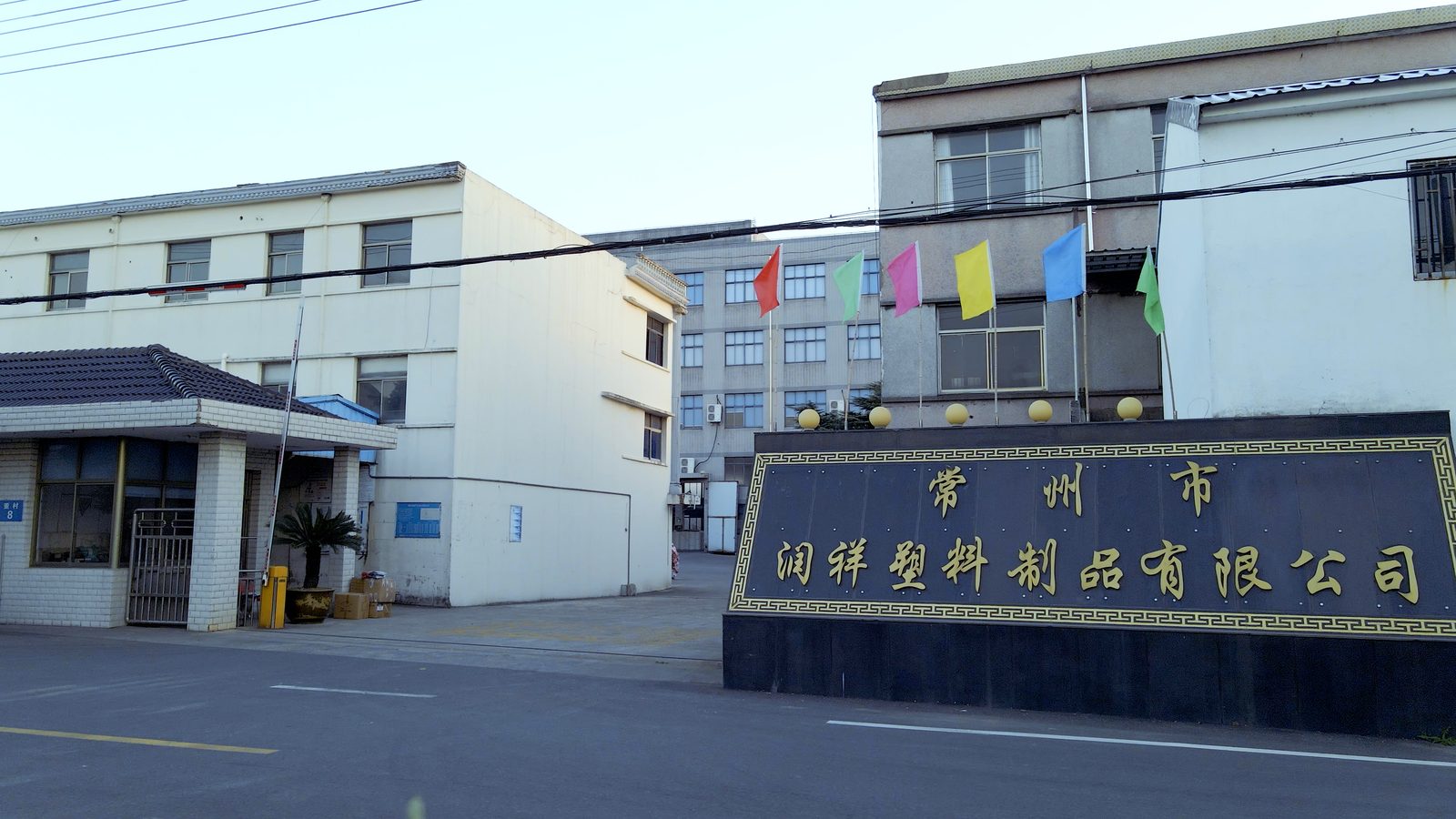
A fair badge proves a supplier exists; it does not prove they can hold 38 micron across a million covers. Use the 28–30 October gap or the first week of November to visit the two factories you actually shortlisted. Changzhou sits in the Yangtze River Delta, about an hour by high-speed rail from Shanghai and a short direct flight from Guangzhou, so a two-day add-on is realistic rather than heroic.
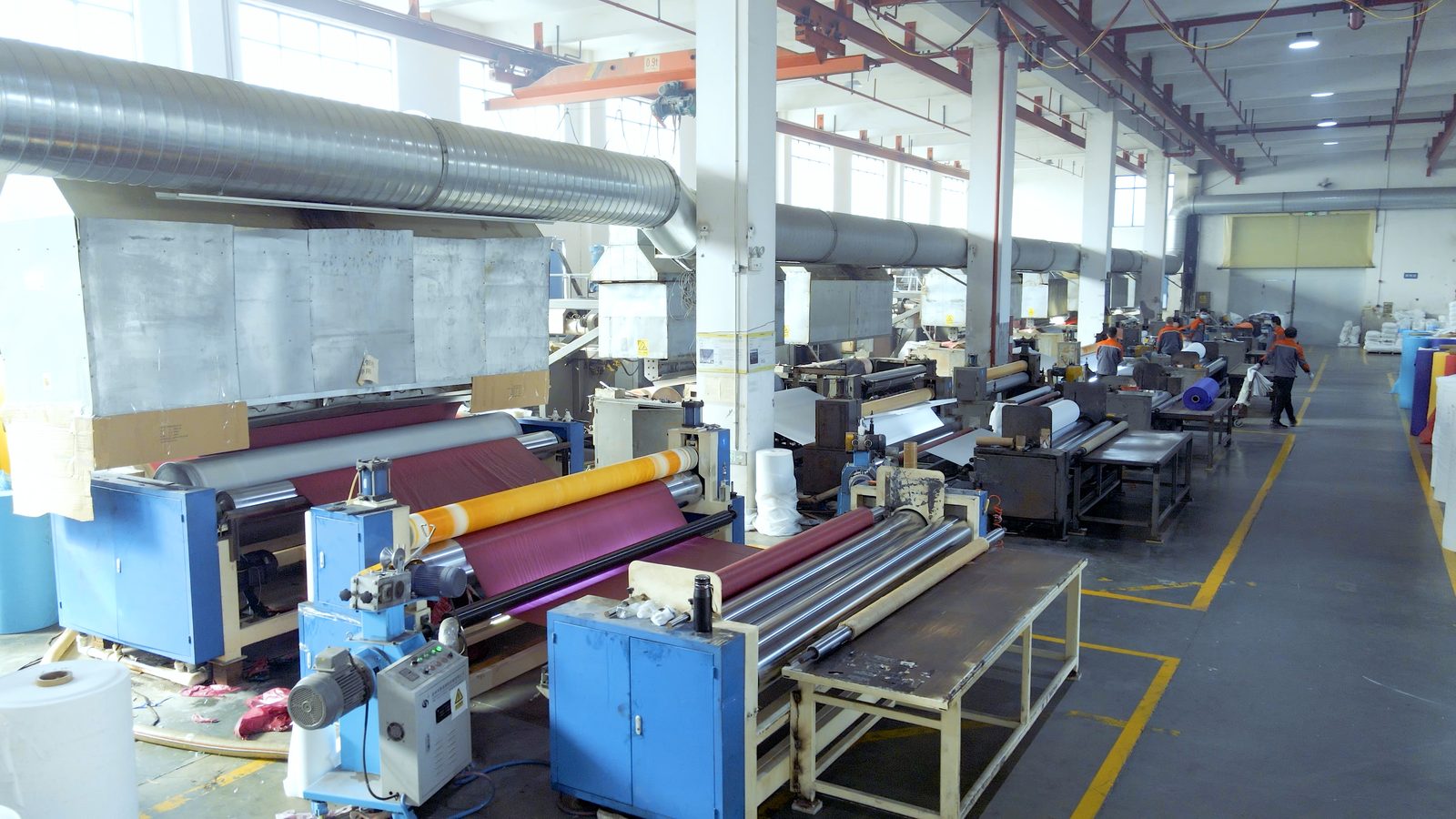
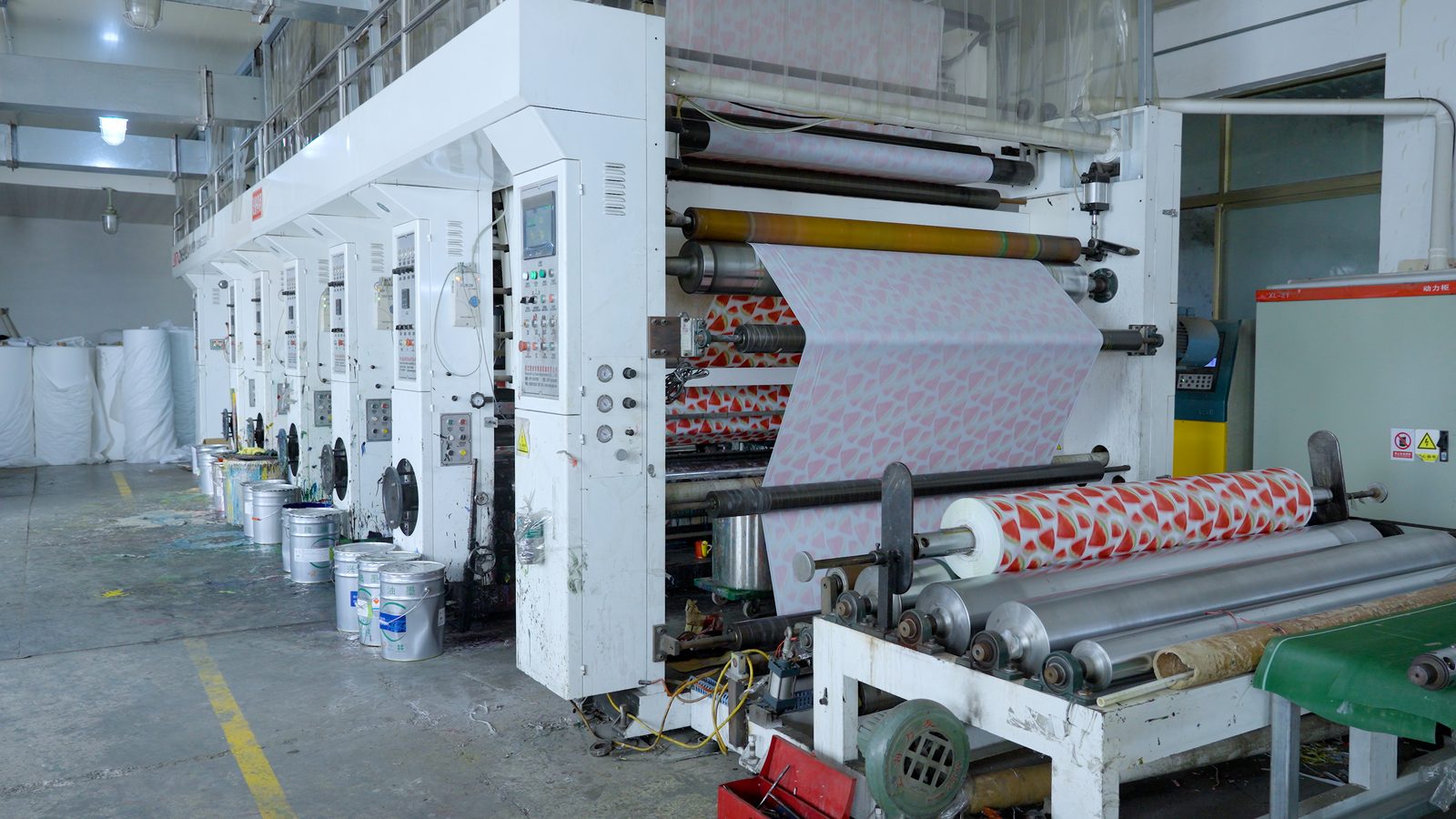
On the floor, verify five things: incoming resin grade and handling, film extrusion running while you watch, print registration and colour against the approved artwork, in-line inspection (thickness gauge, weight checks, seal and leak tests where relevant), and packing plus carton marking. Then ask for last month’s QC records, the pre-shipment inspection terms in the contract, and a signed sample standard both sides keep. If a supplier will not show you the line running, that is your answer.
If You Are Not Going to Guangzhou This Year
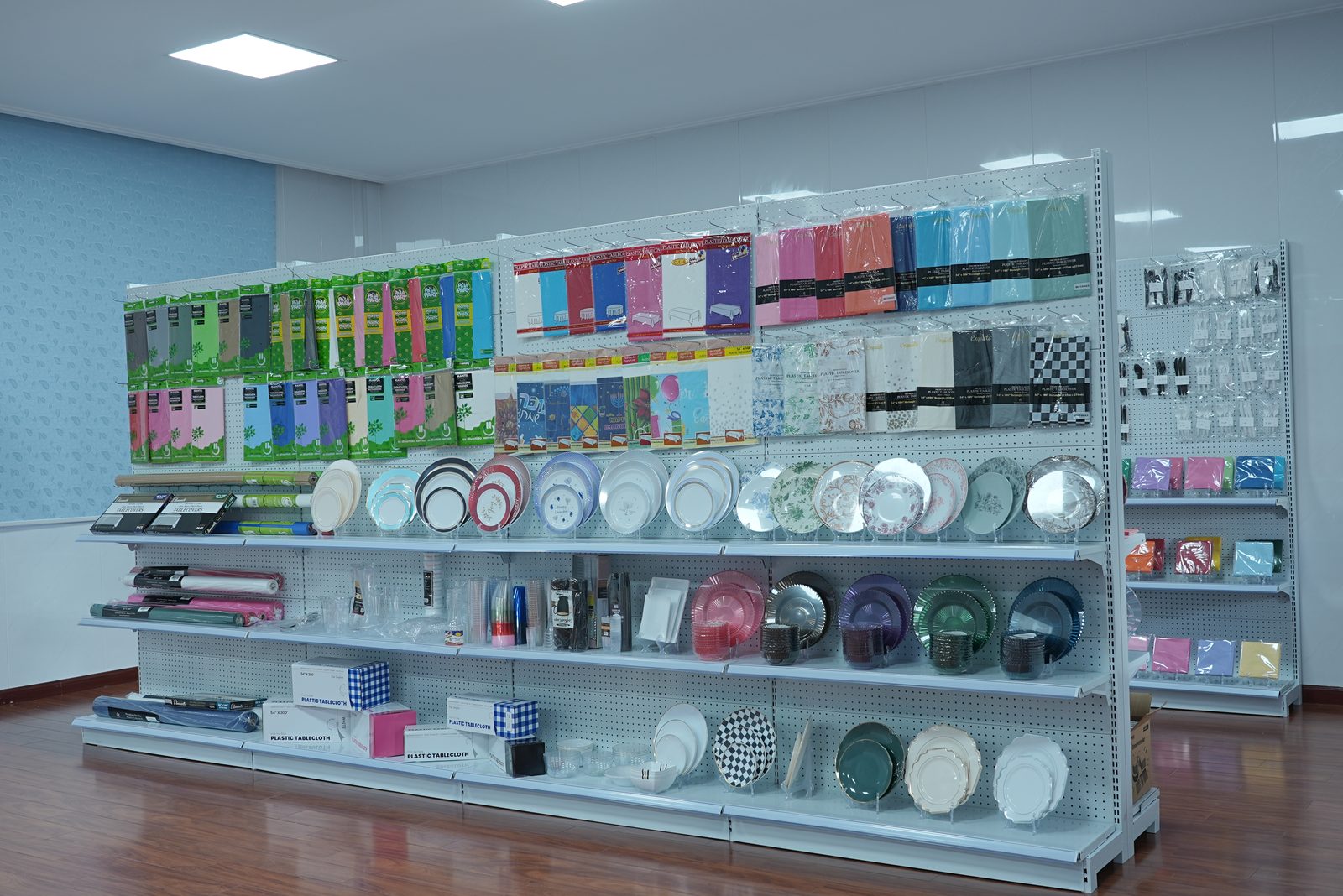
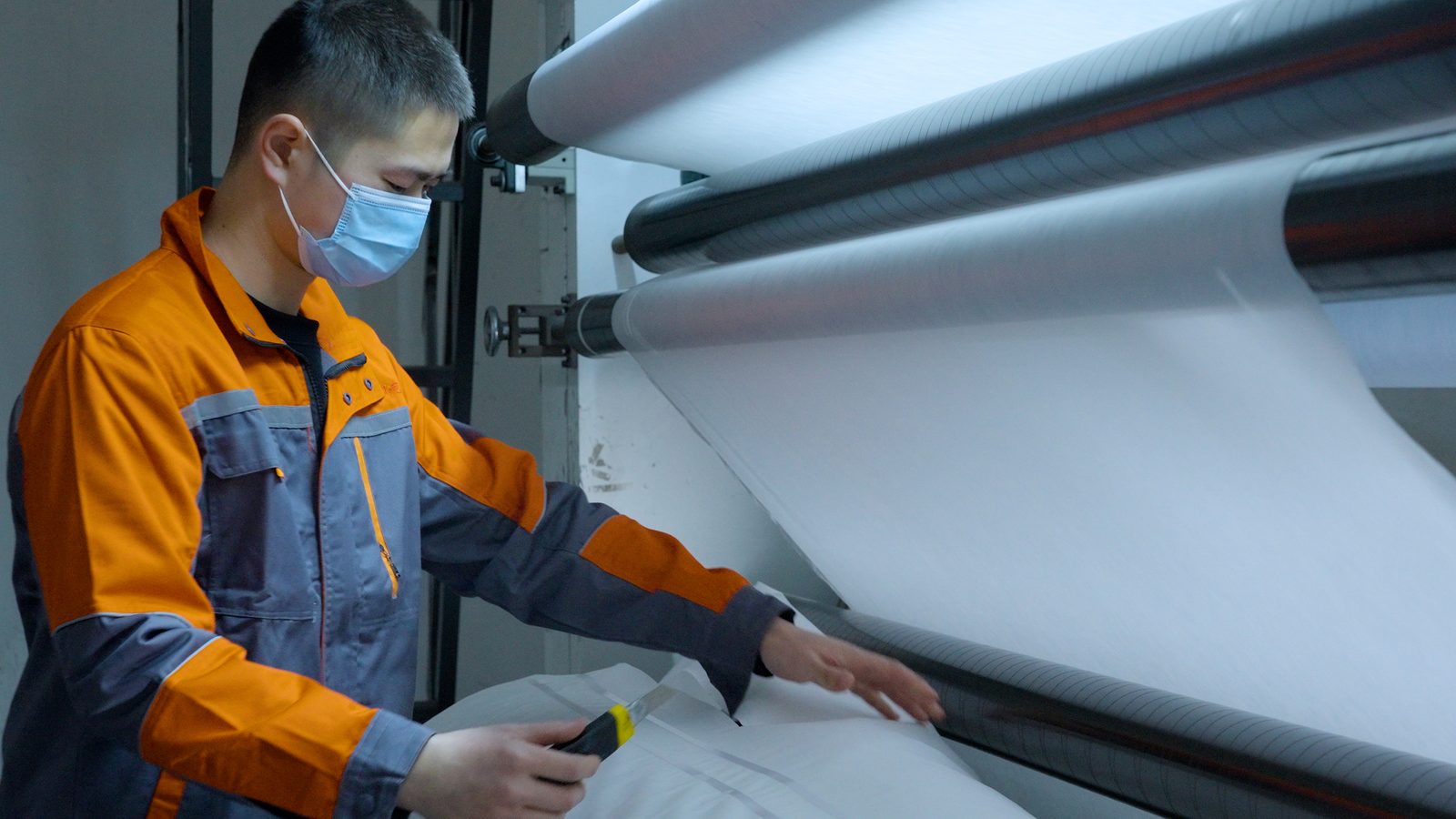
Not every buyer can fly in October, and a show floor is not the only way to vet a factory. Runxiang has manufactured in Changzhou for over twenty years, runs more than thirty machines across film extrusion, rotary printing and packing, and ships around 160,000 pieces a day for wholesale, restaurant and hospitality buyers. OEM and ODM programmes — custom prints and plate work, retail-ready packaging, private-label artwork — sit under one roof, which is what makes both the tolerance and the timeline defensible. If the fair dates do not work, ask for a live video walkthrough of the lines and a sample kit.
Plan the Next Container
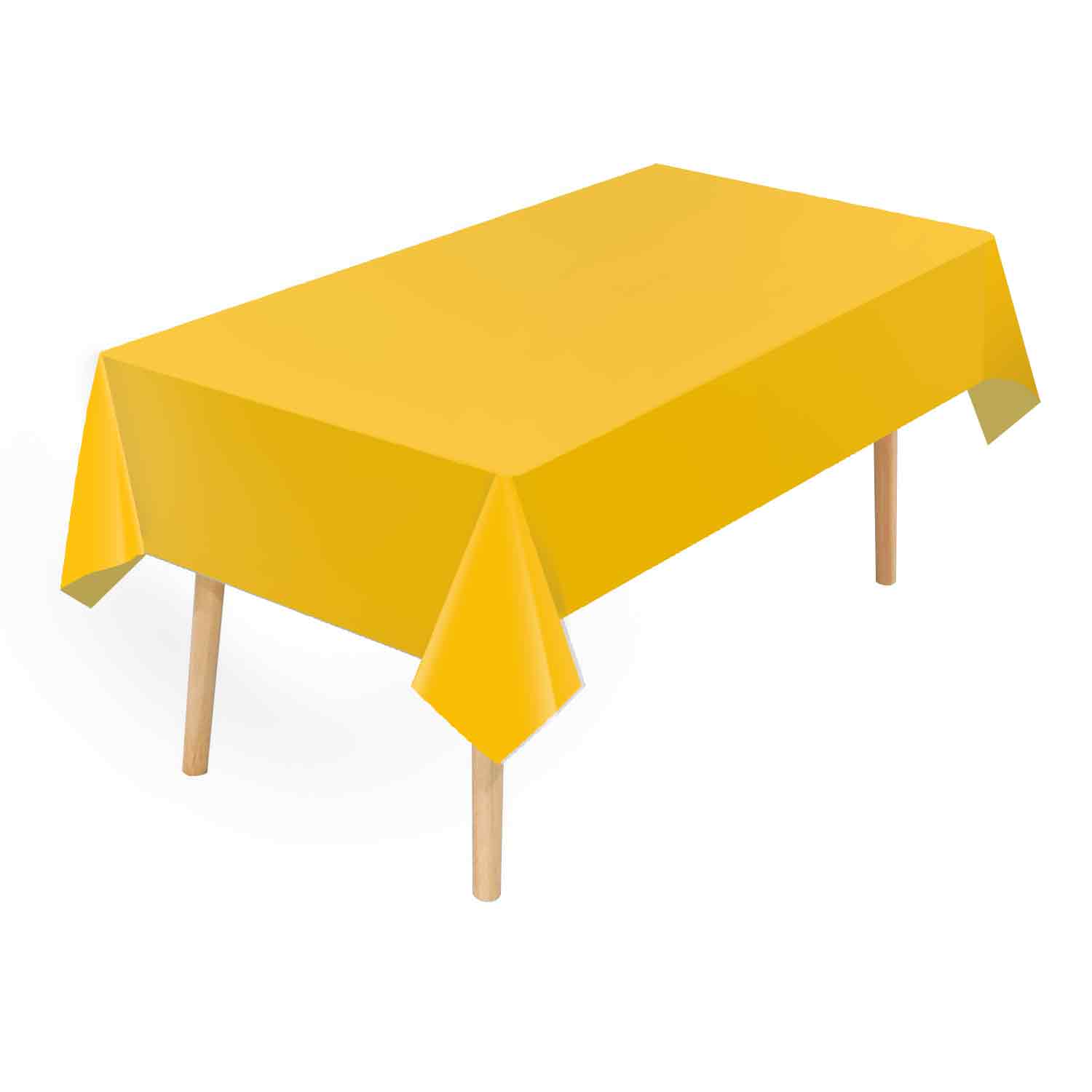
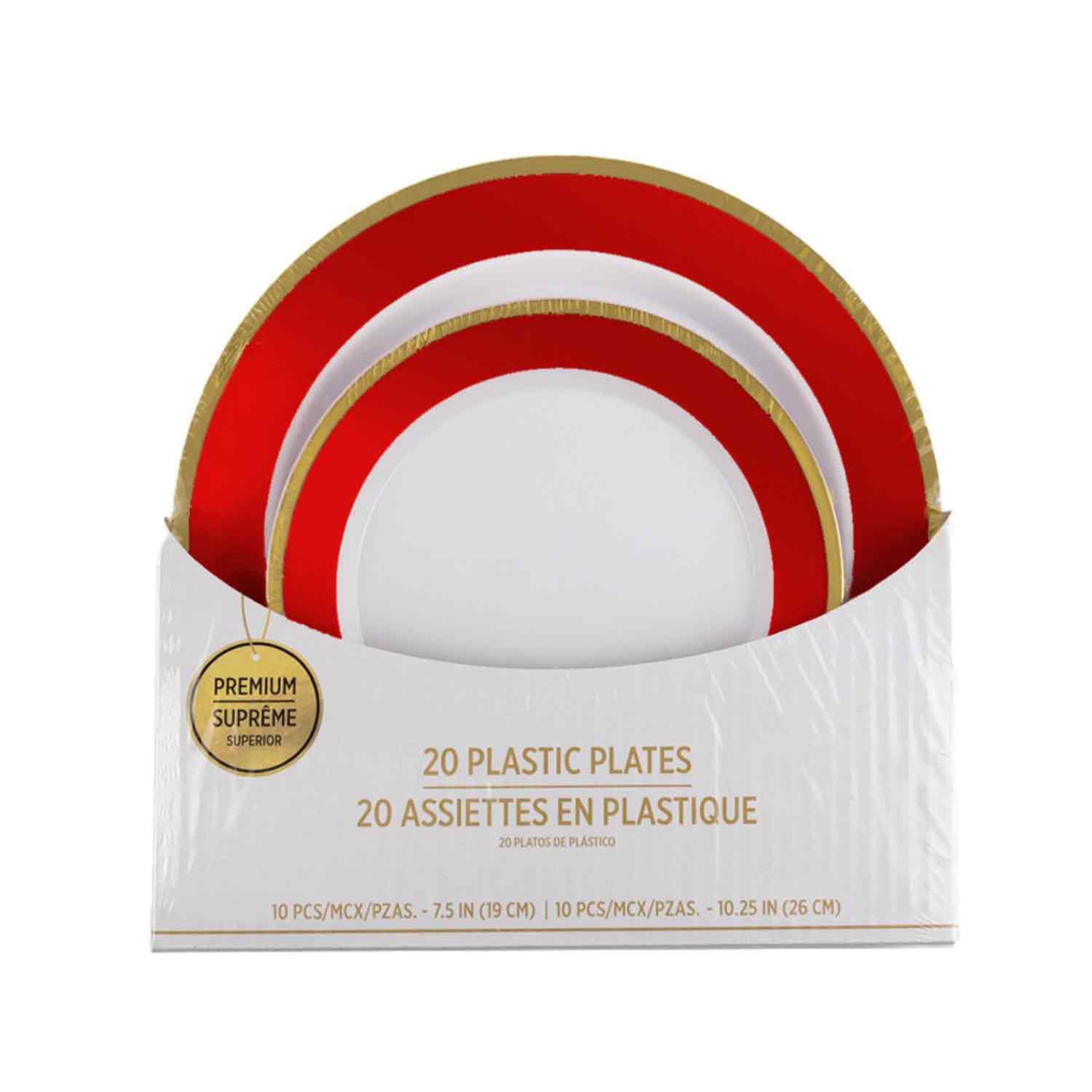
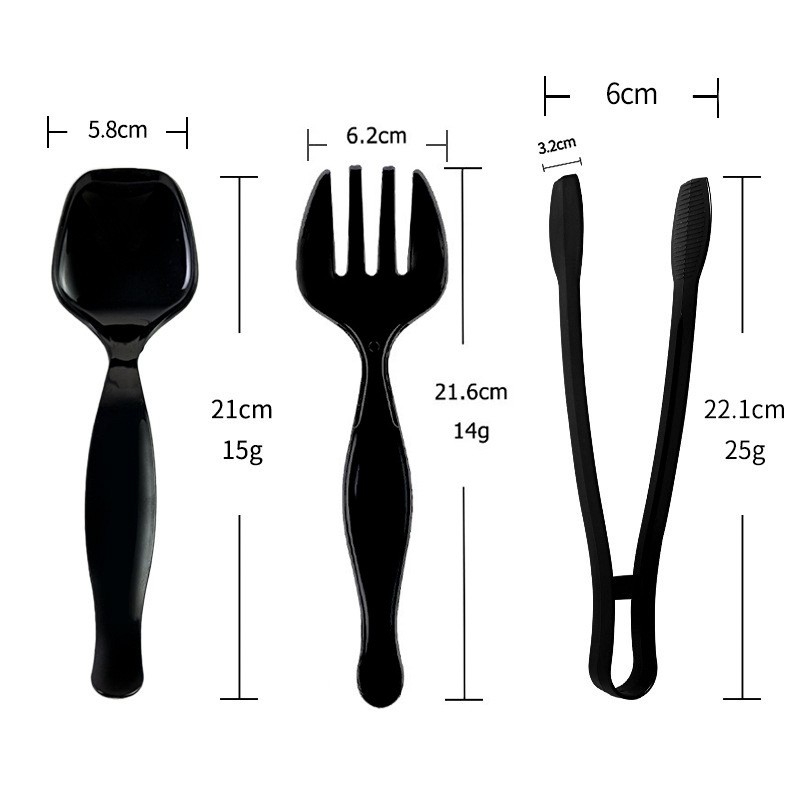
Whether you meet us in Guangzhou or start with a sample kit, the fastest way forward is to send your target specifications: item, size, thickness, pack quantity, carton size and order quantity. Start with the ranges buyers are re-ordering for Q4 and spring: plastic tablecloths, plastic dinnerware, party sets and napkins. Send your brief to simon@runxiangplastic.com, call or WhatsApp +86 186 1718 1658, or use the contact form — we reply with a quotation and a sampling plan within one working day.