










Every wholesale buyer of plastic tableware and plastic tablecloths has noticed the same puzzle: why do prices from suppliers shift even when the product does not change? The answer usually traces back to crude oil. Plastics such as polypropylene (PP), polyethylene (PE) and PET are made from petroleum derivatives, so when oil prices move, resin prices follow, and eventually the cost lands on finished goods like plates, cups, cutlery and tablecloths.
Please note: Runxiang manufactures PEVA tablecloths only. We do not produce PVC or vinyl tablecloths.
Understanding this chain helps buyers plan purchases, negotiate fairly and avoid being caught by surprise when a quote comes in higher than last season.
The chain from oil to your tablecloth
The production chain has three main stages. First, crude oil is refined into petrochemical feedstocks such as naphtha. Second, those feedstocks are polymerized into plastic resin pellets, the raw material for almost every plastic product. Third, factories melt the resin and convert it into finished goods through injection molding, film blowing or other processes.
Resin is the largest single material cost in most plastic tableware and tablecloth production, often accounting for more than half of the product’s material cost. Because of this, resin prices track crude oil closely, though with a lag. When oil rises sharply, resin prices usually follow within weeks; when oil falls, resin prices ease more slowly, because suppliers hold inventory bought at earlier prices.
Geopolitics adds another layer. Recent tensions in the Middle East, a major oil-producing region, have pushed up both crude and resin prices at times during 2025 and 2026. Freight costs, energy prices at the factory and currency movements can add further pressure. For buyers, the practical point is that plastic product prices reflect not just today’s oil price but the whole supply situation.
What this means for tableware and tablecloth pricing
Plastic tableware such as plates, cups and cutlery is typically made from PP or PS, while plastic tablecloths are usually made from PE, PVC or PEVA films. All of these start from the same petrochemical base, so cost movements tend to be synchronized across categories. When resin costs rise, manufacturers face a choice: absorb the increase and cut margins, or pass part of it on to buyers.
In practice, most suppliers raise prices when resin increases are sustained for several weeks. Temporary spikes are often absorbed, but a lasting rise in raw material costs eventually shows up in quotes. Buyers who understand this can time their orders better, locking in prices before an expected increase, or negotiating multi-quarter agreements that smooth out short-term swings.
How buyers can protect their margins
First, watch the resin market, not just oil headlines. PP and PE prices are reported weekly by chemical market publications and are a better predictor of future product pricing than oil news alone. A sustained rise in PP resin, for example, is a reliable early signal that cutlery and dinnerware prices will follow.
Second, plan seasonal orders early. Resin demand typically strengthens ahead of major buying seasons, which pushes prices up. Ordering tablecloths and party sets three to four months before peak demand helps you secure current resin-based pricing and production slots.
Third, ask suppliers about their pricing mechanism. Reliable manufacturers quote based on current resin cost and will usually explain how they adjust prices when resin moves. Some offer price validity periods or contract pricing for repeat volume. A supplier who communicates raw material changes honestly is easier to plan with than one who quietly changes quotes.
Fourth, consider ordering during softer demand periods when resin prices are typically lower, and consolidate orders to reduce freight cost per unit. Freight can amplify the effect of oil prices, since fuel is a major shipping cost.
Why supplier capability still matters most
Even when resin prices are high, the best defense is a dependable supplier. A manufacturer with strong purchasing power buys resin in larger volumes and often gets better prices than smaller competitors. In-house production also matters: a factory that casts its own film, molds its own parts and prints in-house controls more of the cost chain and can manage material swings more flexibly than one that outsources every step.
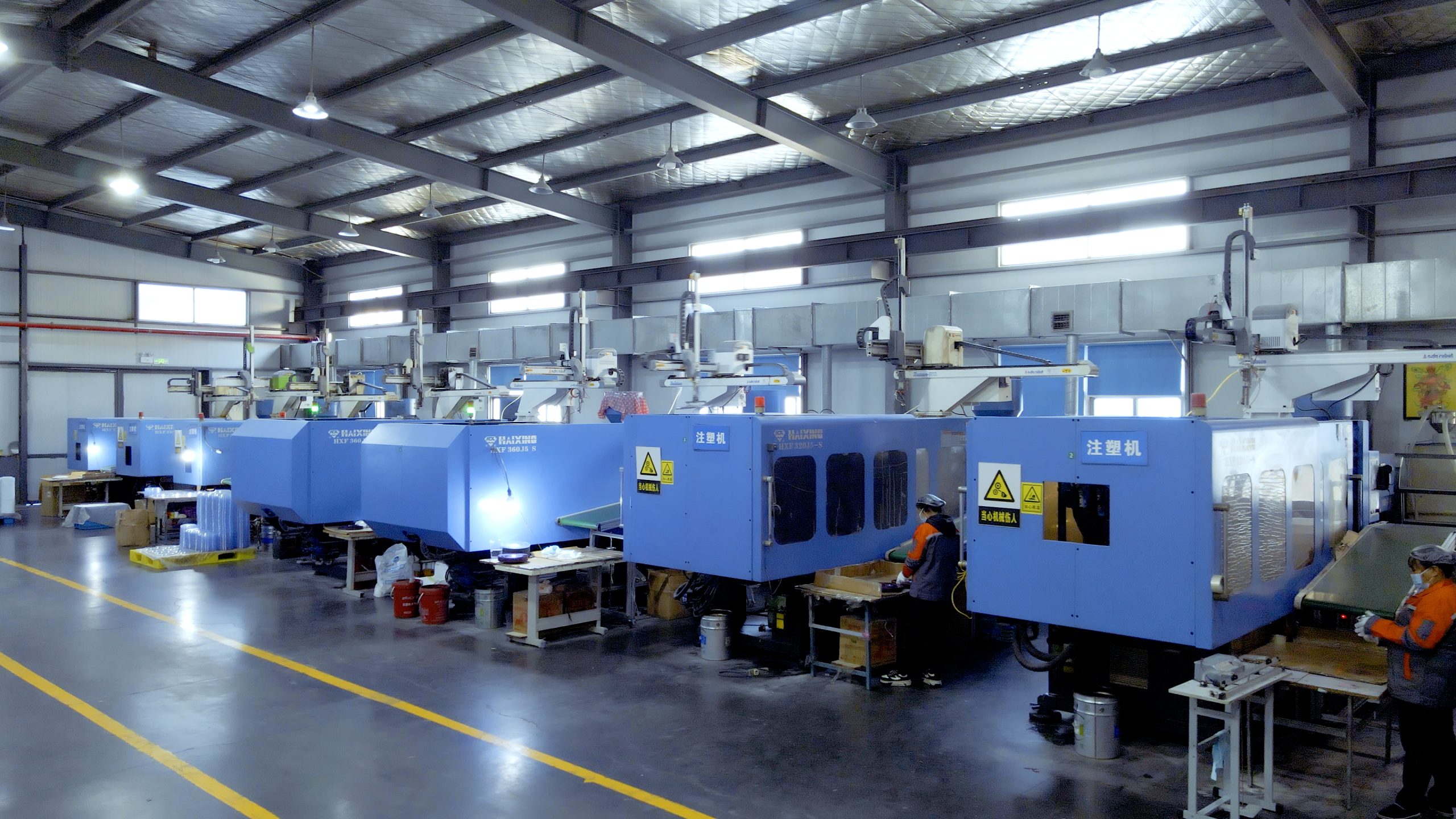
Changzhou Runxiang Plastic Products has manufactured disposable plastic tablecloths and tableware for over 20 years. The company operates 30-plus machines with in-house injection molding, film casting, printing, hot-foil stamping and folding, and produces roughly 160,000 units per day. Because most production steps stay under one roof, Runxiang can respond to resin price movements with tighter cost control and more stable pricing for wholesale customers.
New to importing plastic tableware? Our disposable tableware wholesale buyer’s guide covers order volumes, price breaks and how to verify a supplier before you commit.
If you are planning a new order and want current pricing, request a quote with today’s resin situation in mind. Browse our wholesale ranges: Plastic Tablecloths, Dinnerware and Drinkware, Napkins and Party Sets. Contact us at simon@runxiangplastic.com or +86 18617181658 for pricing and samples.
Oil prices will keep moving, and plastic product prices will keep responding. Buyers who understand the link, watch resin trends and work with transparent, capable suppliers will consistently get fair prices and dependable supply, whatever the market does next.