










Party City closed its remaining stores in 2024, but the party business did not shrink — it moved online. E-commerce is now the fastest-growing channel in party supplies, expanding at roughly 10.55% a year, with about 52% of sales happening on digital platforms. That shift moves the buying decision further upstream than most new sellers expect: reviews, returns and listing photos are decided months earlier, in the product spec, the inner pack and the master carton your factory actually ships.
Buying party tableware for an online channel is a different job from buying for a wholesale counter. Here is the playbook that keeps a listing profitable.
The channel shift, in numbers
The global party supplies market is estimated at USD 20.07 billion in 2026 and projected to reach USD 41.52 billion by 2034, a 9.51% CAGR, with North America holding about 33.35% of demand. The broader disposable tableware market is larger but slower: roughly USD 35.5 billion in 2026, growing 3.04% a year to 2031. Read the two figures together and the strategy is clear — everyday demand pays the bills, while themed, bundled and seasonally merchandised products are where the growth sits.
Online sellers capture that growth with bundles rather than singles. A themed set of plates, cups, napkins and a matching printed tablecloth sells as one listing, photographs well and lifts average order value. That changes what you source: fewer designs, deeper depth per design, and packaging built to be picked, packed and shipped thousands of times.
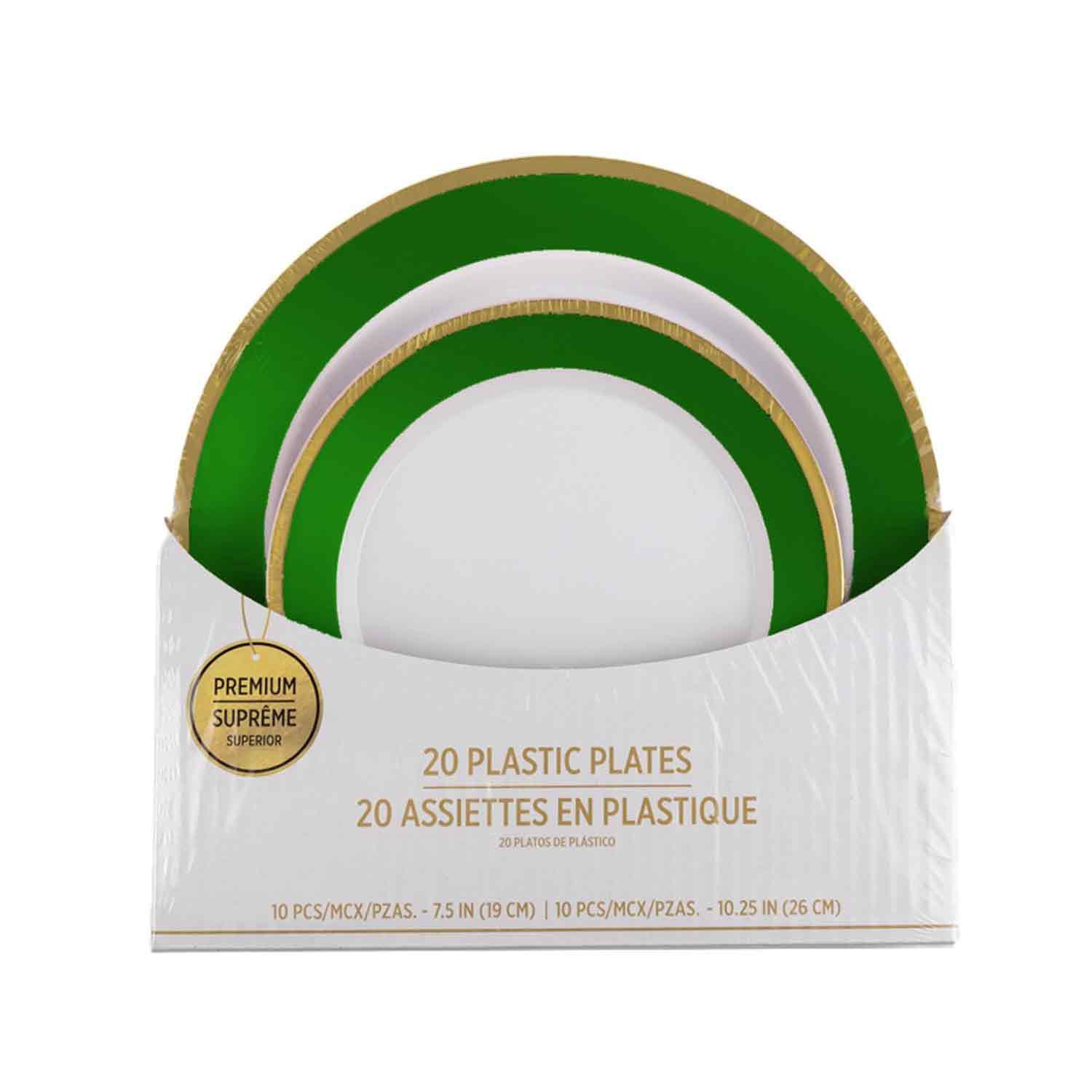
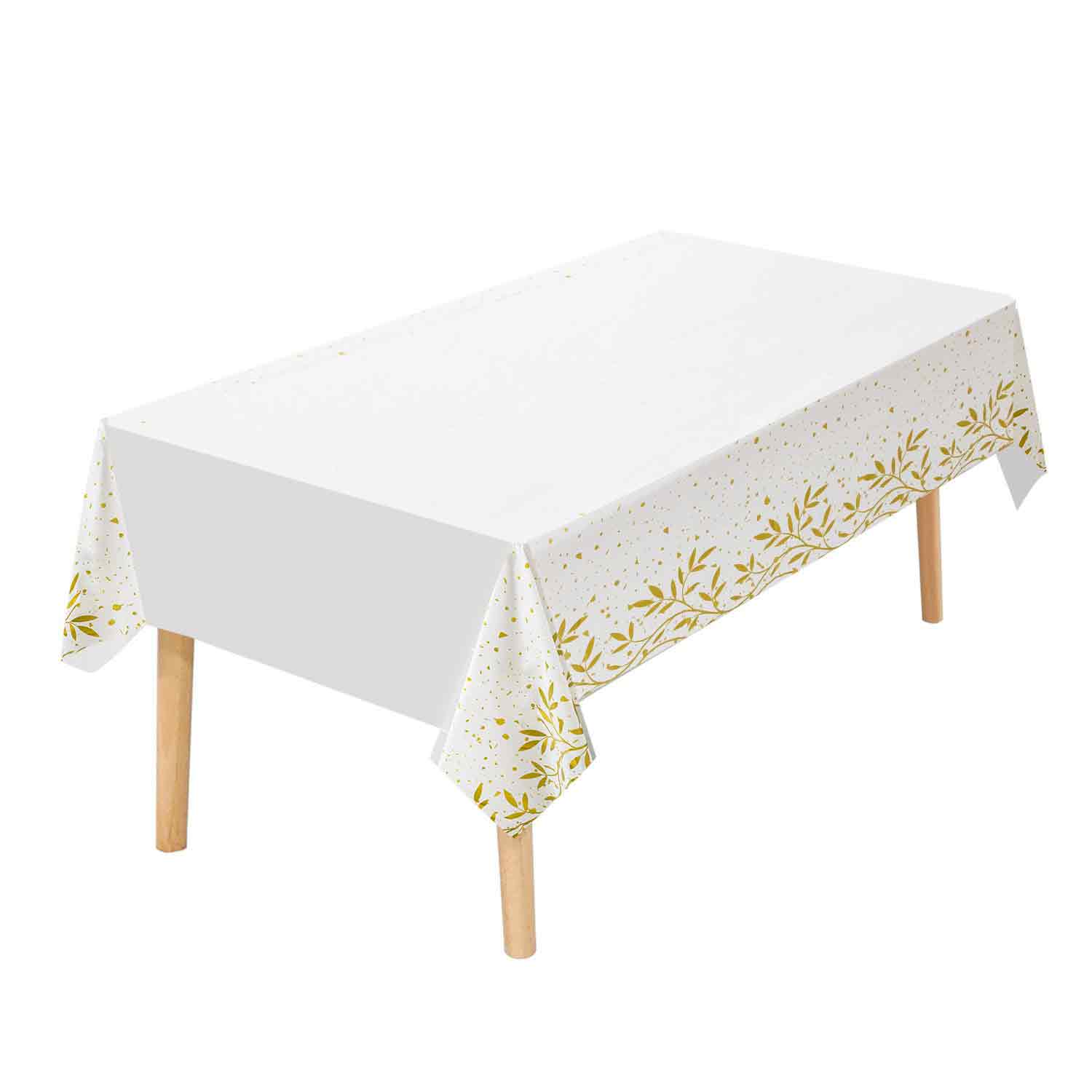
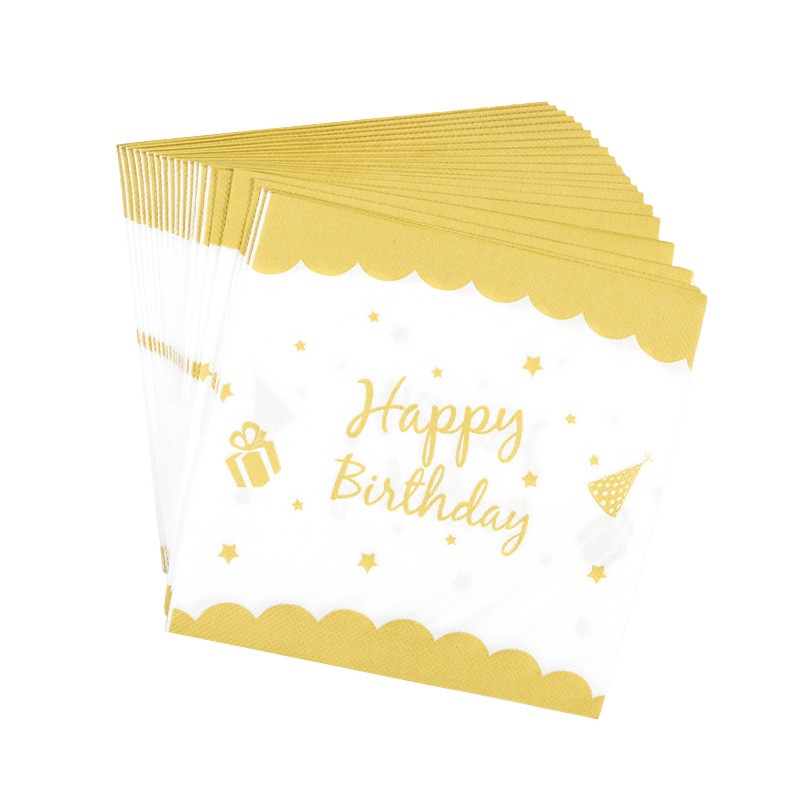
Retail-ready packs, printed tablecloths and bundled napkins carry most online party tableware listings.
Five specs that decide your online margin
1. Retail-ready inner packaging. What the customer or retail buyer receives must be pickup-ready: a printed sleeve or poly bag, a hang tag where the channel needs one, and a suffocation warning where child-adjacent packaging is involved. Ask whether your own brand can be printed on the inner pack, and whether the factory can supply the open-box photo your listing needs.
2. Carton dimensions and weight, before you quote. Freight and fulfilment are priced on carton cube, gross weight and dimensional weight, not on unit price. Get the packed carton length, width, height and gross weight per case, plus cases per pallet. A supplier who “will confirm later” on carton data will cost you money at the pallet stage.
3. Counts that match the listing. If the listing says 20 plates, every pack must contain 20 plates of the stated sizes. Short counts and mixed sizes are the fastest route to one-star reviews, and they usually trace back to a supplier buying finished goods from a third party instead of controlling the count in-house.
4. Thickness locked in writing. Micron, gram weight and rigidity belong in the purchase order and must be verified on the pre-shipment sample. Two tablecloths can look identical in a photo and behave very differently on a table; the lighter one comes back as a return.
5. Barcode and labelling responsibility. Decide in advance whether the factory prints your GTIN on the pack or you apply a fulfilment barcode at your own warehouse — and who carries the cost of relabelling. A five-minute conversation that saves a container.
Low MOQ without losing factory pricing
Factory pricing does not require filling a 40HQ with one item. Factories price on production runs, not on your single SKU, so the practical route is to combine. Stock designs are held to a minimum per design; a custom printed design carries a plate or cylinder fee per colour, and that fee is what limits small runs. The way around it is to place several designs in one run, accept digital or single-colour printing for the first order, and buy carton-level quantities rather than pallet-level. Once sell-through data is in, the winners get deeper stock and the losers are dropped.
Mixing categories in one shipment is the other lever: a first order can reasonably contain a themed tablecloth, a plate set, napkins and a party set, provided carton counts are specified per item. Approve sizing, colour and pattern on a physical sample before bulk, and reference that approval in the purchase order. Our breakdown of print plate fees and colour approval for printed plastic tablecloths walks through that chain step by step.
Buy on the party calendar, not the shipping calendar
Party tableware demand is seasonal in a predictable order: spring graduations and communions, summer birthdays and outdoor events, then the Halloween-to-New-Year run — the heaviest stretch of the year for tablecloths, napkins and party sets. Online listings need reviews early, so peak stock should land six to eight weeks before the peak, not during it.
Production timing matters just as much. Chinese factories slow for National Day in early October and stop for Chinese New Year, which in 2027 falls in the first quarter. Plan backwards from the launch date: peak, minus six to eight weeks of selling time, minus five weeks of production, minus four to five weeks of ocean freight.
Why online sellers build ranges with Runxiang
Changzhou Runxiang Plastic Products has manufactured disposable plastic tableware for more than 20 years, with injection molding, printing and packaging in-house. The factory runs 30-plus machines and produces around 160,000 units per day, supplying party tableware sets, printed and solid-colour plastic tablecloths, napkins, cups and cutlery to wholesale buyers, distributors and online sellers in North America, Europe, Australia and the Middle East. Retail-ready packaging, private label, custom colours and cartons sized for fulfilment centres are part of the standard OEM/ODM service.
Building a party tableware range for 2027? Send your target retail price, marketplace and pack specification to simon@runxiangplastic.com or +86 18617181658 and we will return the specification, packaging option and carton data that make the listing work.
Start from the categories you will need most: party tableware sets, printed and solid plastic tablecloths, and bulk paper napkins.