










Every autumn the same question lands in our inbox: is disposable tableware still growing, or is volume simply moving between materials? The forecast data answers it, but only if you read the segments instead of the headline. The United States disposable tableware market is put at USD 7.58 billion in 2026, rising to USD 9.14 billion by 2031 at a 3.82% CAGR, according to Mordor Intelligence. Globally, disposable plates alone were valued at USD 6.3 billion in 2025 and are forecast to reach USD 10.3 billion by 2035, a 5.1% CAGR, per Research and Markets. Plates are outgrowing the wider category, and that gap is exactly where buyer planning tends to go wrong.
What follows is a working summary of the 2026 to 2031 numbers and the changes they suggest for the orders you place this quarter and next.
The numbers worth planning against
Three figures matter more than the total. Plates took 34.23% of US disposable tableware value in 2025, while trays and containers are the fastest-moving product group at a 4.94% CAGR through 2031, which is the takeout and delivery side of the business rather than the party table. By material, plastic still accounts for 47.92% of US demand, with bioplastics the fastest-growing material line at a 5.13% CAGR. By end user, quick-service restaurants hold 40.63% of value and catering is the fastest-growing channel at 4.61% CAGR.
Geography carries the same lesson. The South accounts for 34.32% of US demand and the West is growing fastest at a 4.17% CAGR. For a national footprint that is not a marketing detail. It decides which stock-keeping units you carry deep, because state-level rules on single-use materials are not applied evenly across the country.
A fifth number explains why we spend so much time on packaging: offline foodservice distributors still control 54.91% of US value, but e-commerce is the faster-growing route to market at 4.78% CAGR. Cartons, inner packs and barcodes have become part of the product specification rather than a warehouse problem.
Where the growth is actually concentrated
Formats. Growth sits in lidded containers, bowls and trays that survive delivery, alongside the plates, cups, cutlery and napkins that fill high-volume counters. Orders that once asked for one plate size now ask for two plates, a bowl size and a lid to match, because the operator is buying a system rather than a single item. Our plastic dinnerware range is built for that pattern.
Materials. Plastic is not going away inside this forecast period, but the compliant lines inside each range are widening. The sensible response is a dual-material shelf: keep the exact plastic specification that sells today, and qualify one paper, moulded fibre or compostable alternative for the markets that demand it, so a rule change does not force a rushed substitution.
Channels. Catering, events and hospitality are growing faster than household demand, and those buyers purchase on service criteria as much as price: consistent thickness, matching colours across formats, and reorder certainty. That is a supplier-relationship issue before it is a cost issue.
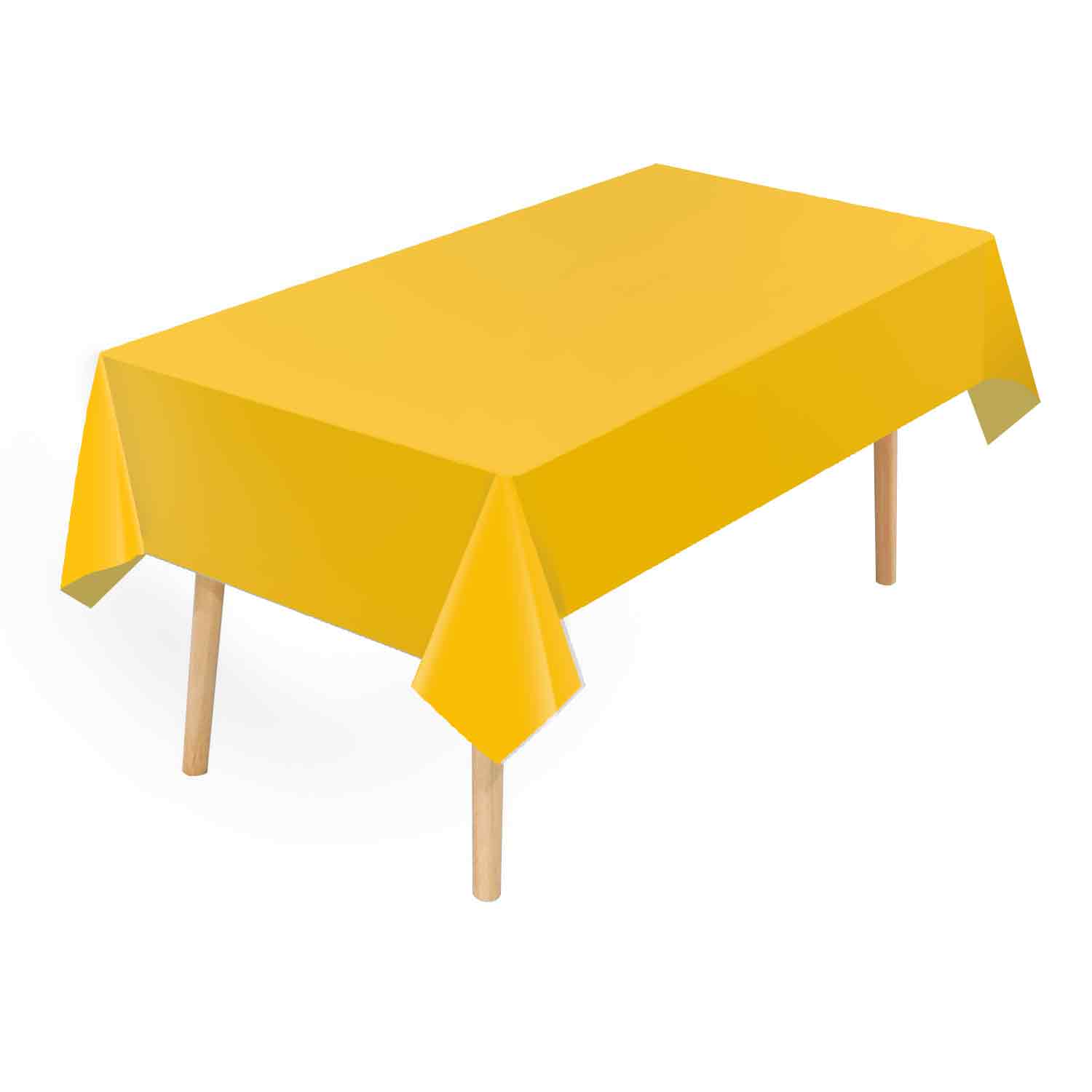
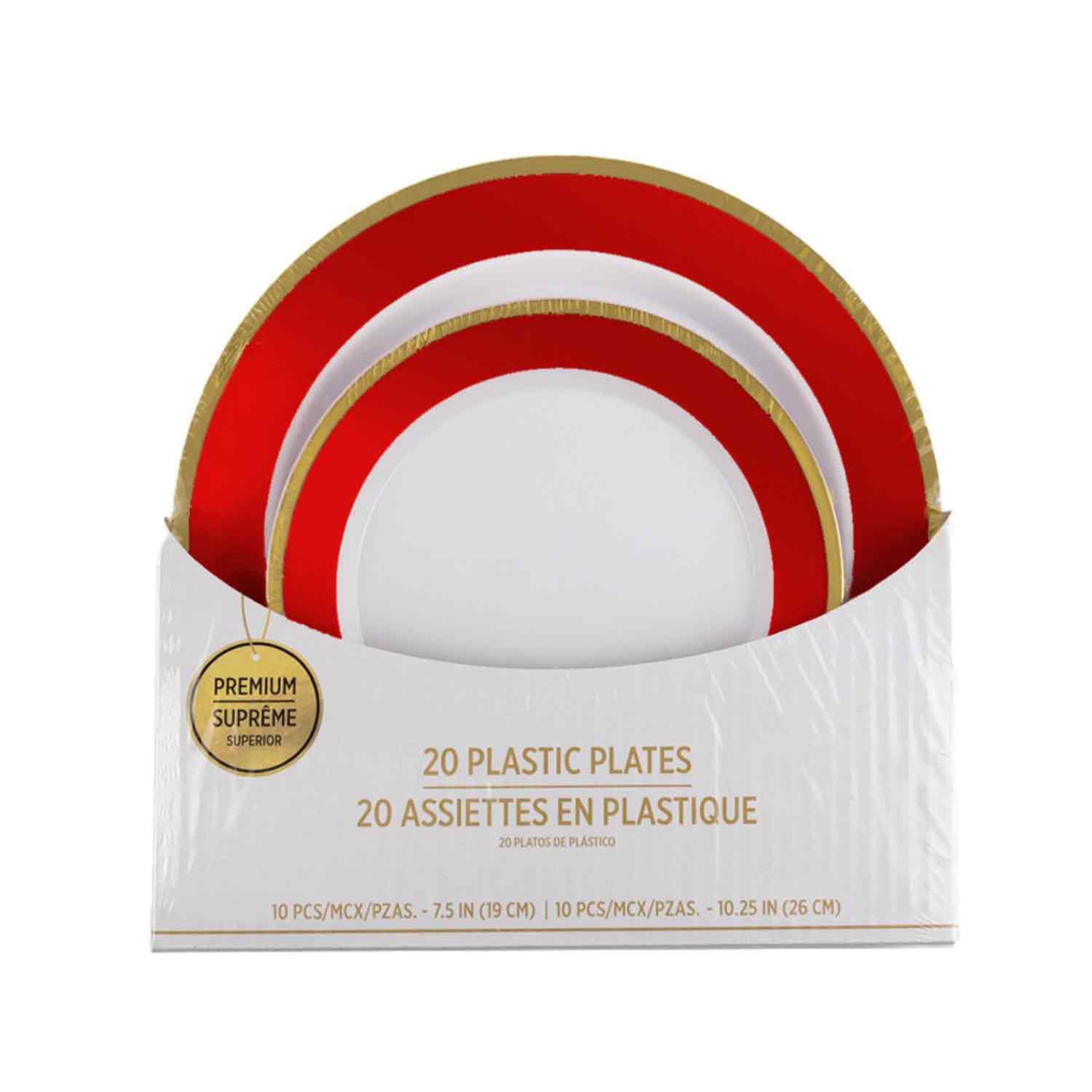
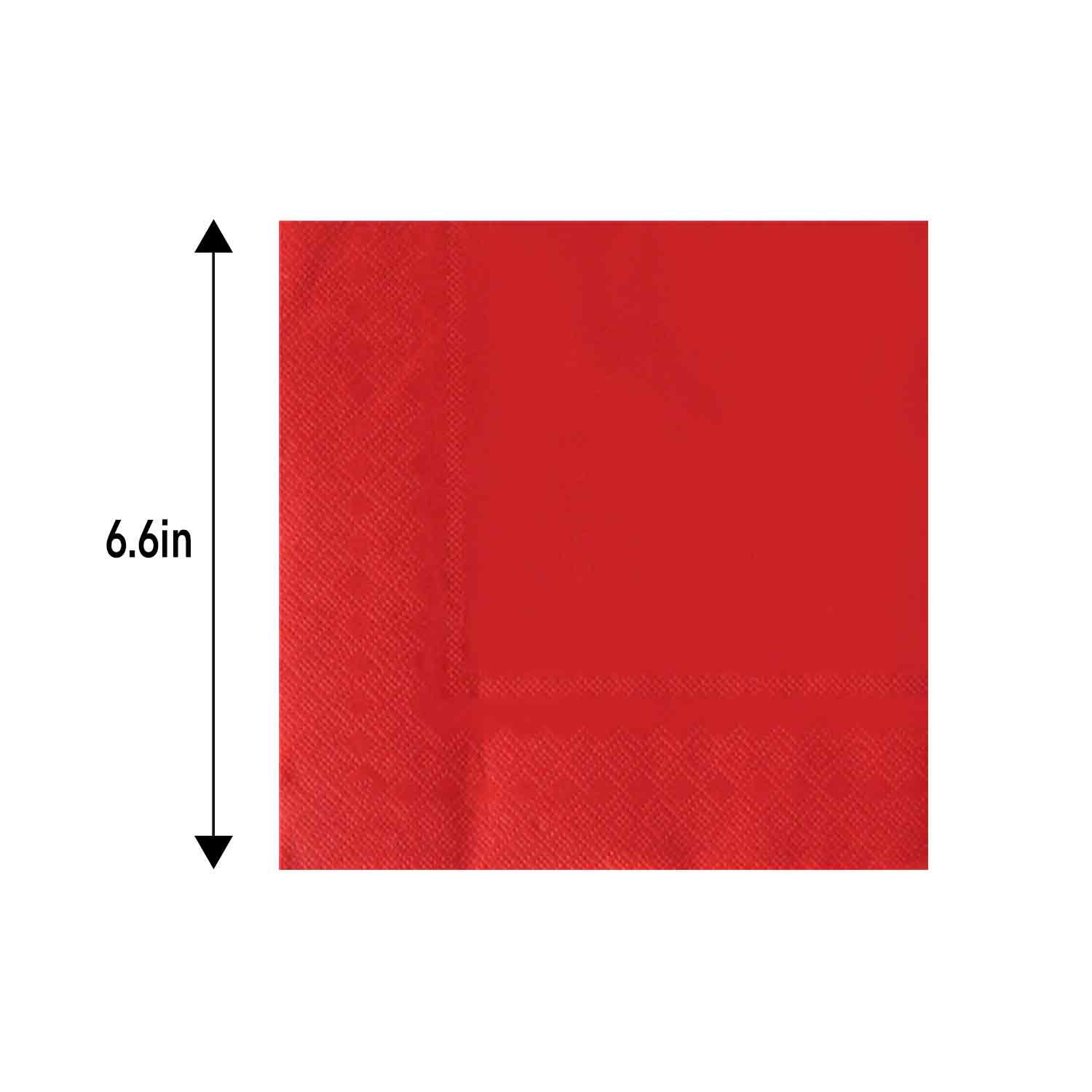
Tablecloths, plates and napkins: the everyday volume that funds the seasonal range around it.
Two wildcards for 2027: resin cost and state rules
Resin is the largest single input in moulded tableware and in film-based tablecloths, so the cost line moves before anything else does. After a volatile spring driven by Middle East supply disruption, Plastics Technology’s September 2026 tracker shows commodity resin prices generally trending flat to down. That is welcome news for 2027 costing, but it is a window rather than a guarantee, which is why we quote film-based products with a defined validity period instead of an annual locked price.
Compliance runs the other way. State-level restrictions on expanded polystyrene and on non-essential single-use items keep pushing substitution toward paper, moulded fibre and certified-compostable products, and that pressure is a structural driver rather than a seasonal one. The practical defence is redundancy per stock-keeping unit: one compliant alternative qualified for every high-volume item, kept in your product file with the certificates on hand.
Turning the forecast into a purchase plan
Split the range into base and test. Roughly 80% of your budget belongs in formats you already sell through: standard plate sizes, cups, cutlery, solid-colour tablecloths, napkins. The remaining 20% funds the experiment, one or two seasonal or printed designs per cycle, judged on sell-through before it is scaled.
Buy to the channel, not to a price list. The same plate leaves the factory as a bulk carton or as a printed twenty-piece retail pack. Specifying the end channel first usually saves more money than a second round of price negotiation.
Put resin movement in writing. Agree in the purchase order how a resin move over an agreed threshold is shared, and how long the quoted price holds. This matters far more than the unit price on the first order, because it protects the fourth order.
Plan backwards from the peak. Production, printing and ocean freight do not compress in the fourth quarter. Work back from your launch date through production and transit lead times, and treat the Chinese New Year factory slowdown as a fixed constraint in any Q1 requirement.
Why buyers build ranges with Runxiang
Changzhou Runxiang Plastic Products has manufactured disposable plastic tableware for more than 20 years, with injection moulding, printing and packaging handled in house. The factory operates 30-plus machines and produces around 160,000 units a day, supplying plastic tablecloths, plates, bowls, cups, cutlery, napkins and party sets to wholesalers, distributors and online sellers in North America, Europe, Australia and the Middle East. Colour matching, private label, retail-ready packing and cartons sized for fulfilment centres are part of the standard OEM and ODM service.
Planning a 2027 range against these numbers? Send your target specification, channel and annual volume to simon@runxiangplastic.com or +86 18617181658 and we will return the format, packing and carton data you need to price it properly.
Start with the categories that carry the volume: plastic tablecloths, plastic dinnerware, and paper napkins.