










OEM/ODM Plastic Tableware Manufacturing: Customize Your Products in China
Private label and custom-branded plastic tableware can dramatically increase your margins and build a recognizable brand. China is the world’s largest manufacturing base for plastic tableware, and working with the right factory on OEM/ODM projects is the key to success. Here is everything you need to know.
OEM vs ODM: What’s the Difference?
- OEM (Original Equipment Manufacturing): You provide the design or existing product specification; the factory produces it under your brand.
- ODM (Original Design Manufacturing): The factory designs and manufactures the product for you, and you put your brand on it. This is ideal if you are new to product development.
Most buyers start with ODM on proven designs (like plastic tablecloths or disposable dinnerware) and move to OEM as volumes grow.
What Can You Customize?
- Size and shape: Custom molds for unique cup, plate or tablecloth dimensions
- Color: Pantone-matched brand colors
- Printing: Logo printing, pattern printing, foil stamping
- Material: PP, PS, PET, PEVA or recycled blends
- Packaging: Custom boxes, shrink wrap, poly bags with your branding
Understanding MOQ (Minimum Order Quantity)
MOQ depends on the customization level:
| Customization | Typical MOQ |
|---|---|
| Branding/packaging only | 3,000–10,000 units |
| Custom color (existing mold) | 10,000–30,000 units |
| New mold | 30,000–100,000+ units |
Mold costs are typically amortized into the unit price, so larger orders lower the effective cost.
How to Work with a Factory
- Send clear specs: Product dimensions, material, color codes, packaging requirements.
- Request samples: Always order pre-production samples before full production.
- Agree on QC: Define inspection points — raw material, mid-production and pre-shipment.
- Confirm compliance: Request food-grade certifications (FDA, LFGB) relevant to your market.
- Plan lead time: Allow 30–45 days for first production, longer for new molds.
Timeline and Cost Drivers of a Custom Order
A first custom order runs on two clocks: tooling and production. A new mould usually needs several weeks to cut and trial before the first sample is shot, while an existing mould skips that stage entirely. Once a pre-production sample is signed off, allow 30–45 days for the first full run, and a little less for repeats.
Four lines move the unit price more than anything else on the drawing: mould cost and how many pieces it is amortised over, resin grade and density, number of print colours, and packing efficiency. Ask for the quotation broken into those four lines and you can compare factories on facts rather than one lump number.
Five Mistakes That Delay a First Custom Order
- Specifying by adjective: “heavy duty” and “premium” cannot be inspected. State size with tolerance, unit weight and material grade.
- Skipping the physical sample: Approving artwork on screen instead of a pre-production sample is the most common cause of a rejected first shipment.
- Ignoring packing maths: Pieces per carton and cartons per container decide landed cost as much as the unit price does.
- No compliance brief: Tell the factory which market the goods ship to (FDA, LFGB or EU food-contact rules) before sampling, not after.
- One MOQ for a whole range: Mixing proven ODM designs with new OEM items keeps a first order inside a workable budget.
Why Work with Changzhou Runxiang?
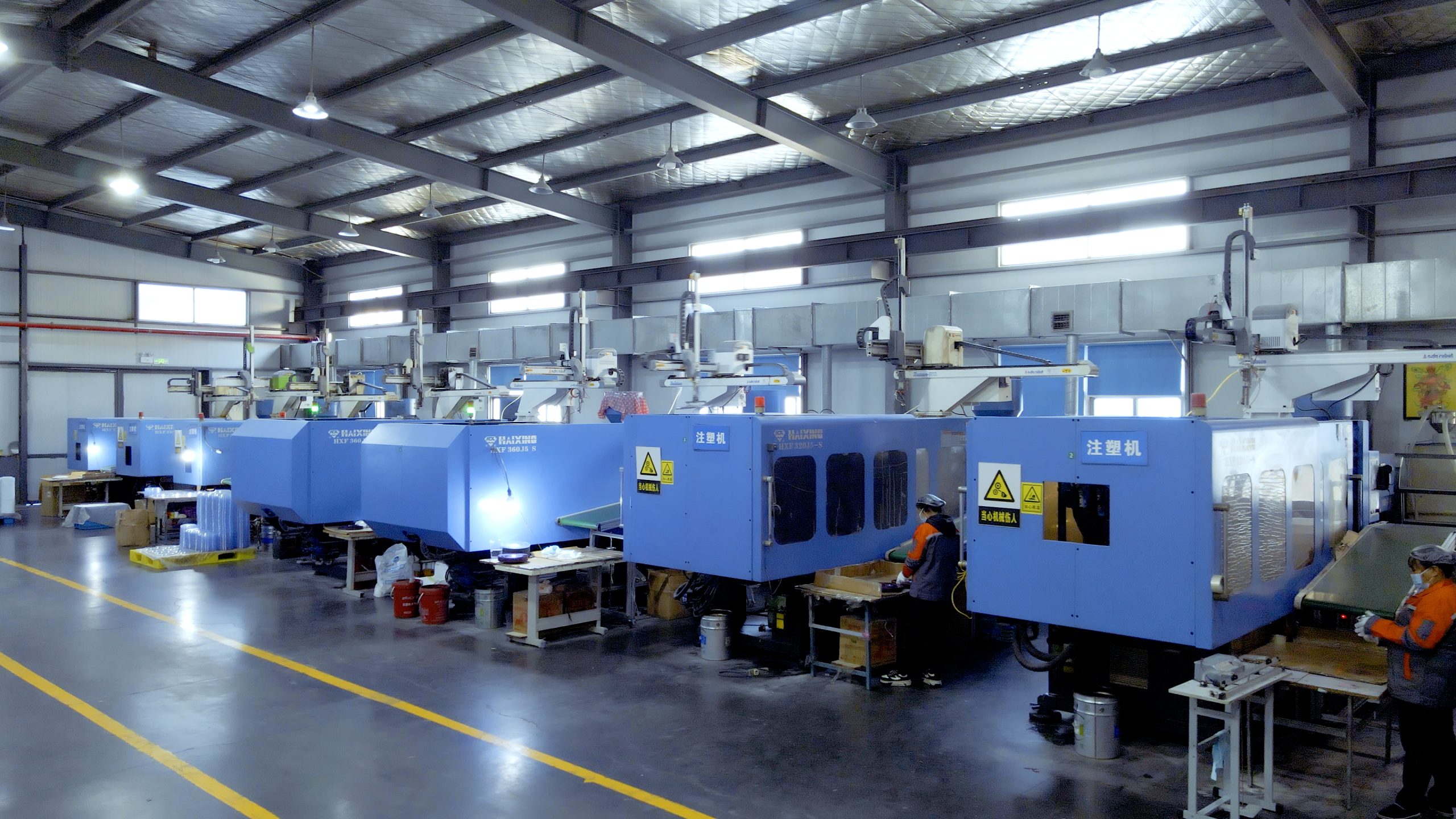
As an experienced plastic tableware manufacturer in China, we support both OEM and ODM projects with in-house mold, printing and packaging capabilities. Read our B2B sourcing guide and wholesale and OEM guide to learn more about working with us. Before you lock a specification, our guide to mil, micron and GSM thickness and our PP vs PS vs PET material comparison show how to write those numbers down. Buying ready-made ranges instead of customising? Start from the disposable tableware wholesale guide.
Conclusion
Custom plastic tableware through OEM/ODM manufacturing in China is a proven way to differentiate your brand. Understand the difference between OEM and ODM, plan your customization level, and work closely with your factory on samples and quality control. Managing your supply chain well ensures consistent quality at scale.
Related reading: the sourcing playbook for online sellers.