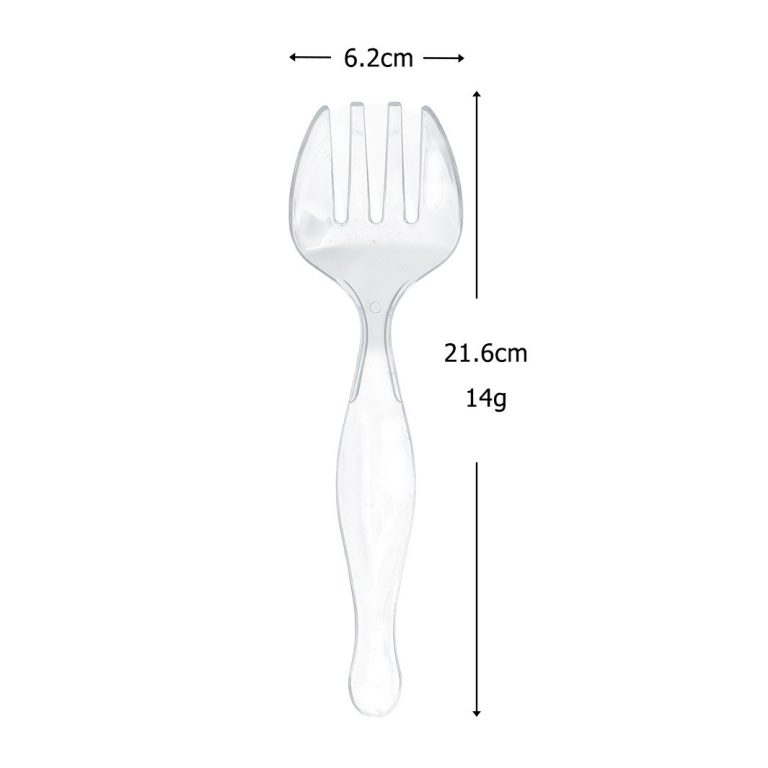
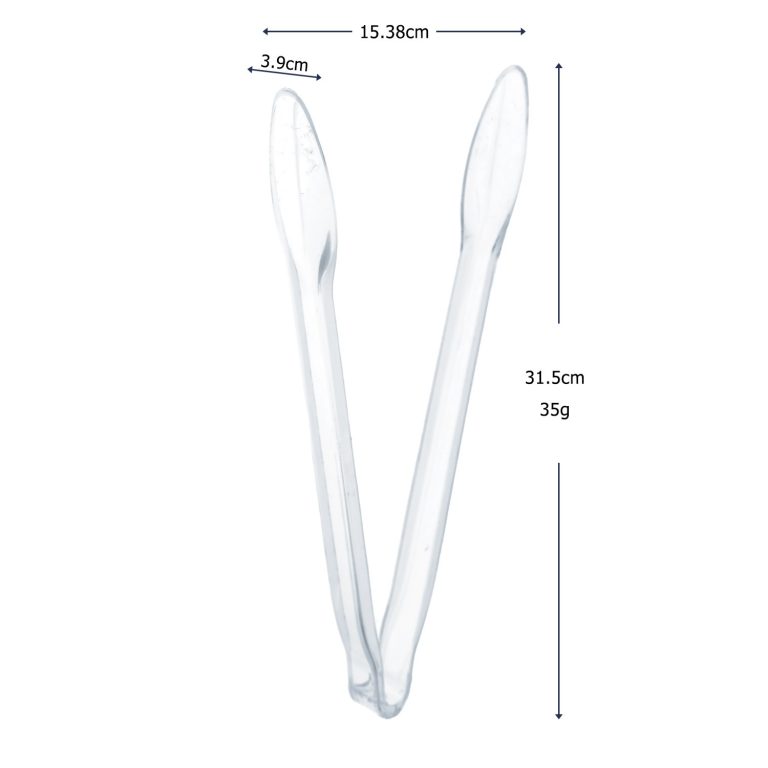
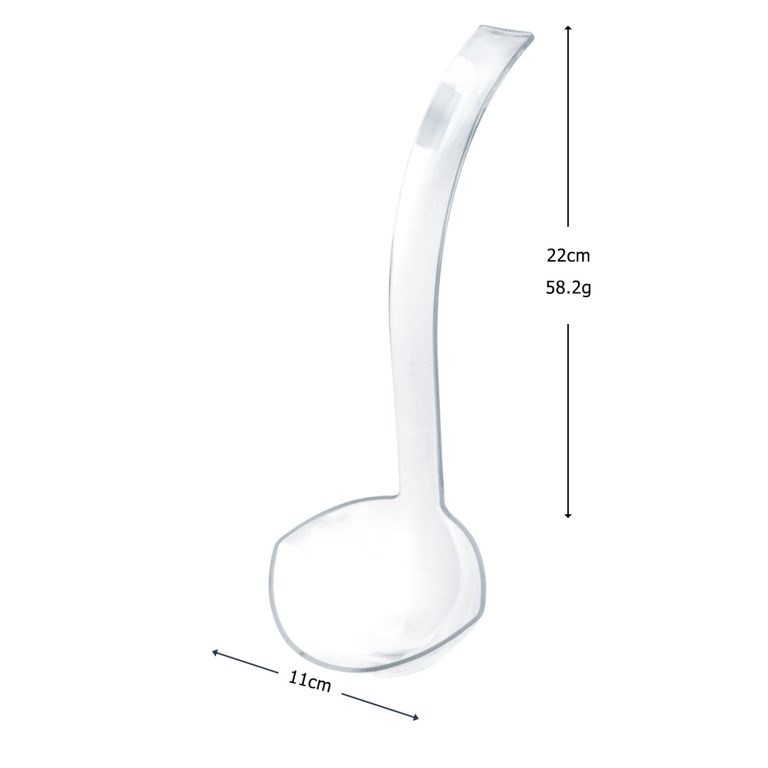
Two quotations land in the same inbox: one from a converter in Jiangsu, one from a factory outside Ho Chi Minh City. The Vietnam quote looks lower on cutlery and higher on printed tablecloths, and neither sheet says which film gauge it assumes. That is where most sourcing decisions go wrong — in the lines the two documents do not share, not in the headline unit price.
What follows is the comparison we walk buyers through when China and Vietnam are both on the shortlist. It is written from inside a plant that extrudes PEVA film, prints it, slits it and packs it in Changzhou.
Why the comparison keeps coming up
Buyers rarely move a whole programme. What usually happens is a range review: freight has been volatile, a customer asks where the goods are made, or a retail group wants a second origin on file. Vietnam enters the conversation because it has a mature plastics processing sector and a short ocean leg to the US west coast.
The mistake is to treat “China” and “Vietnam” as two interchangeable quotes for the same object. Plastic tableware is not one product. A tablecloth is an extruded film that gets printed; a plate is an injection-moulded part; cutlery is a different mould again, usually run on faster cycles with tighter weight tolerances. Each has its own cost driver, and each country has a different depth in each.
Five capabilities, not one
Before comparing price, work out which of these five steps actually happen inside each supplier’s own building:
- Polymer supply and film extrusion — who makes the film, to what gauge and width.
- Printing — rotary or flexo, how many colours, who owns the plates.
- Tooling and injection — who owns the moulds, how fast a new size can be cut.
- Converting and packing — slitting, folding, poly bags, hang cards, cartons.
- Documentation — food-contact declarations, test reports, origin statements, labelling.
A supplier that buys finished film and prints it is a converter. A supplier that only injects is an injection shop. Neither is worse — but a converter’s quote and an integrated plant’s quote are not measuring the same thing, and the gap only shows up at the sample or the third shipment.
Resin and film: where the supply chains diverge most
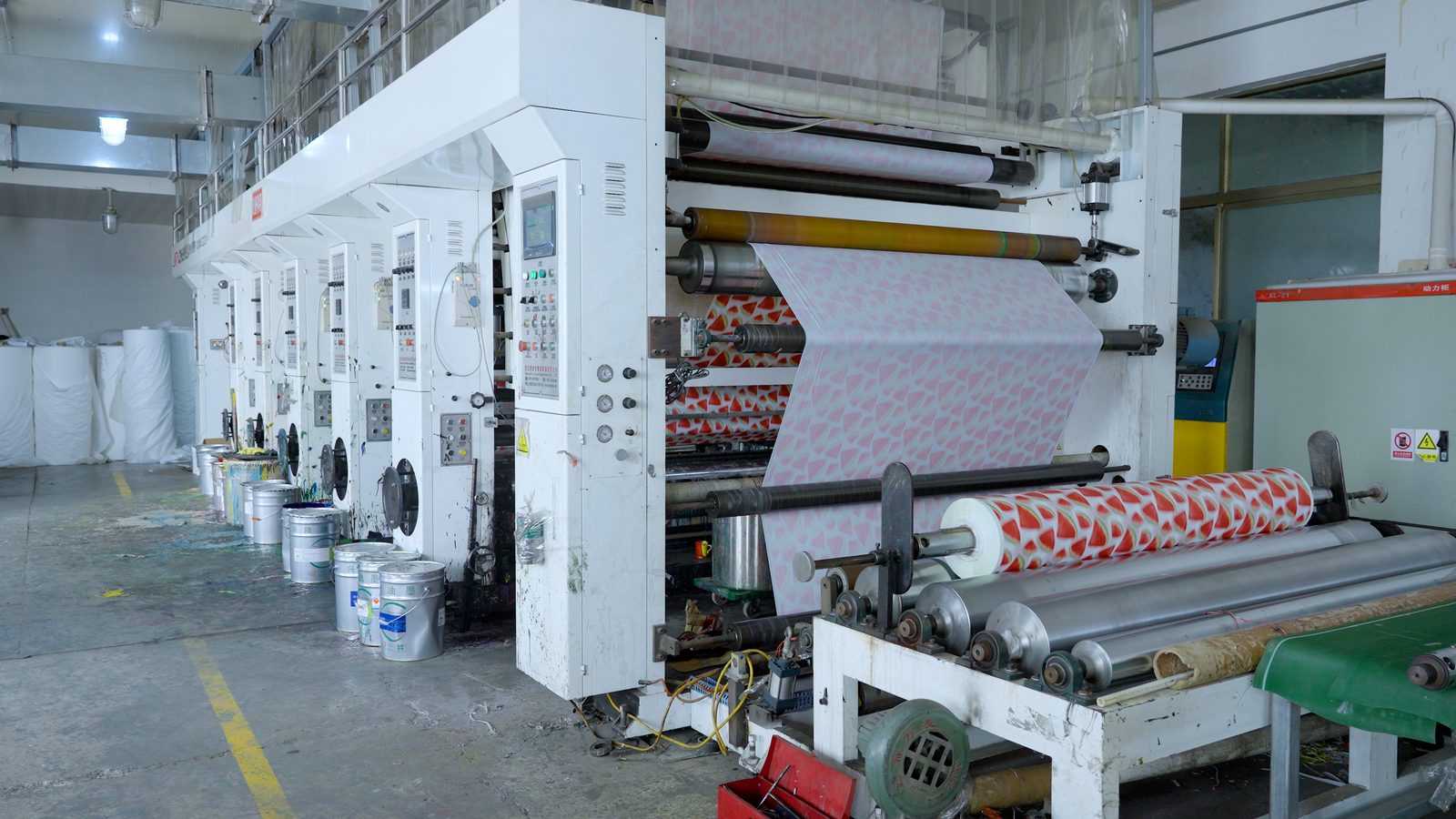
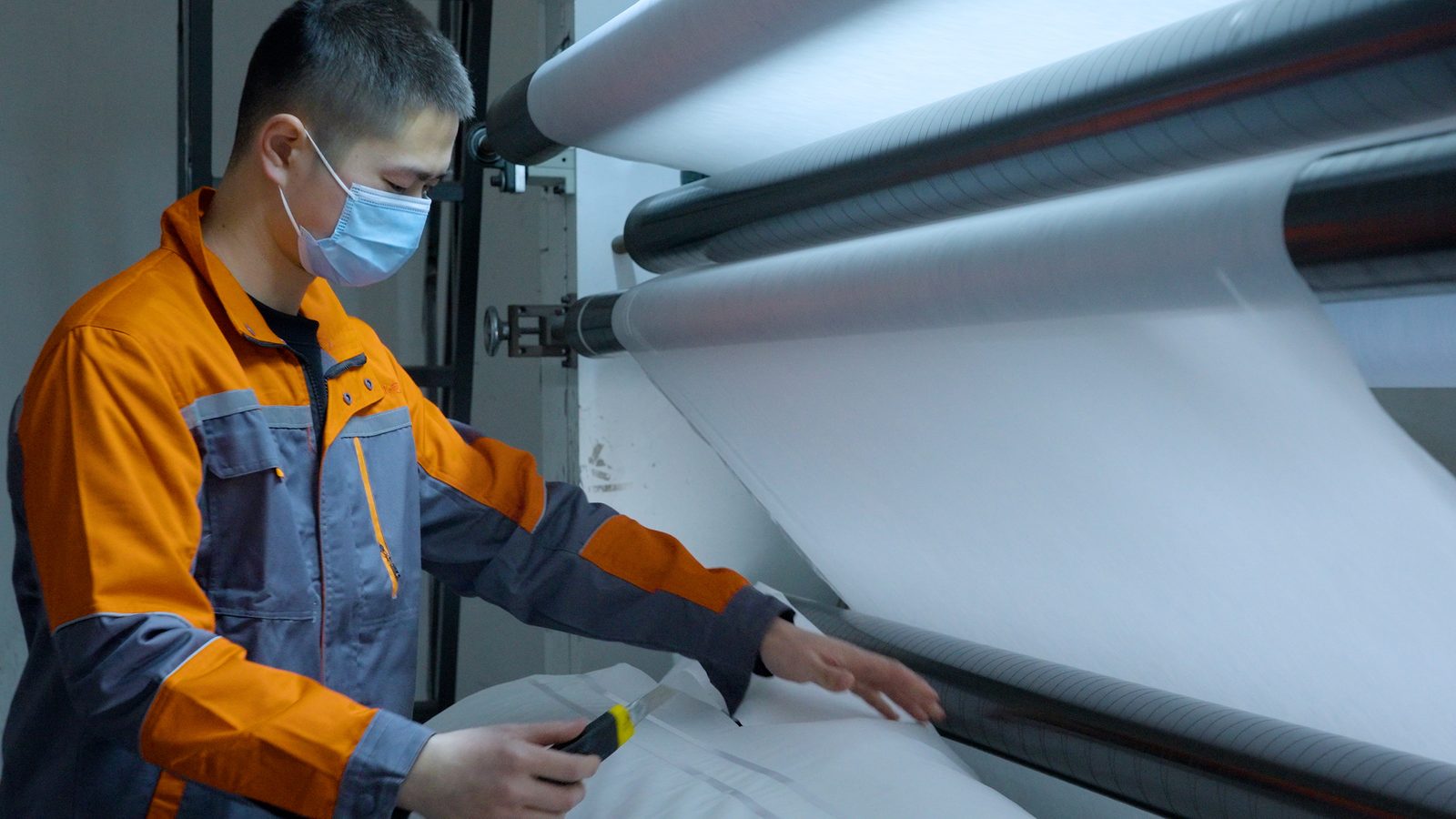
This is the biggest difference, and the one buyers check last. Tablecloth film starts as polymer pellets that are dried, melted, blown or cast into a web, corona-treated so ink will hold, then printed and slit. If a supplier does not control extrusion, every gauge change, width change and colour change becomes a purchase order to somebody else — and the tolerance you specified becomes a tolerance somebody else interprets.
China has a deep polymer and film base, with extrusion clustered around Jiangsu, Zhejiang and Guangdong. That matters in three practical ways: you can specify 0.03 mm (roughly 87 g/m²) for lightweight party covers and 0.05 mm (roughly 150 g/m²) for heavier reusable-feel covers from the same line; roll widths such as 40 in and 54 in are routine; and a gauge problem is fixed inside the plant instead of argued with a film merchant. Our own sequence from resin to printed roll is set out in how plastic tablecloths are made.

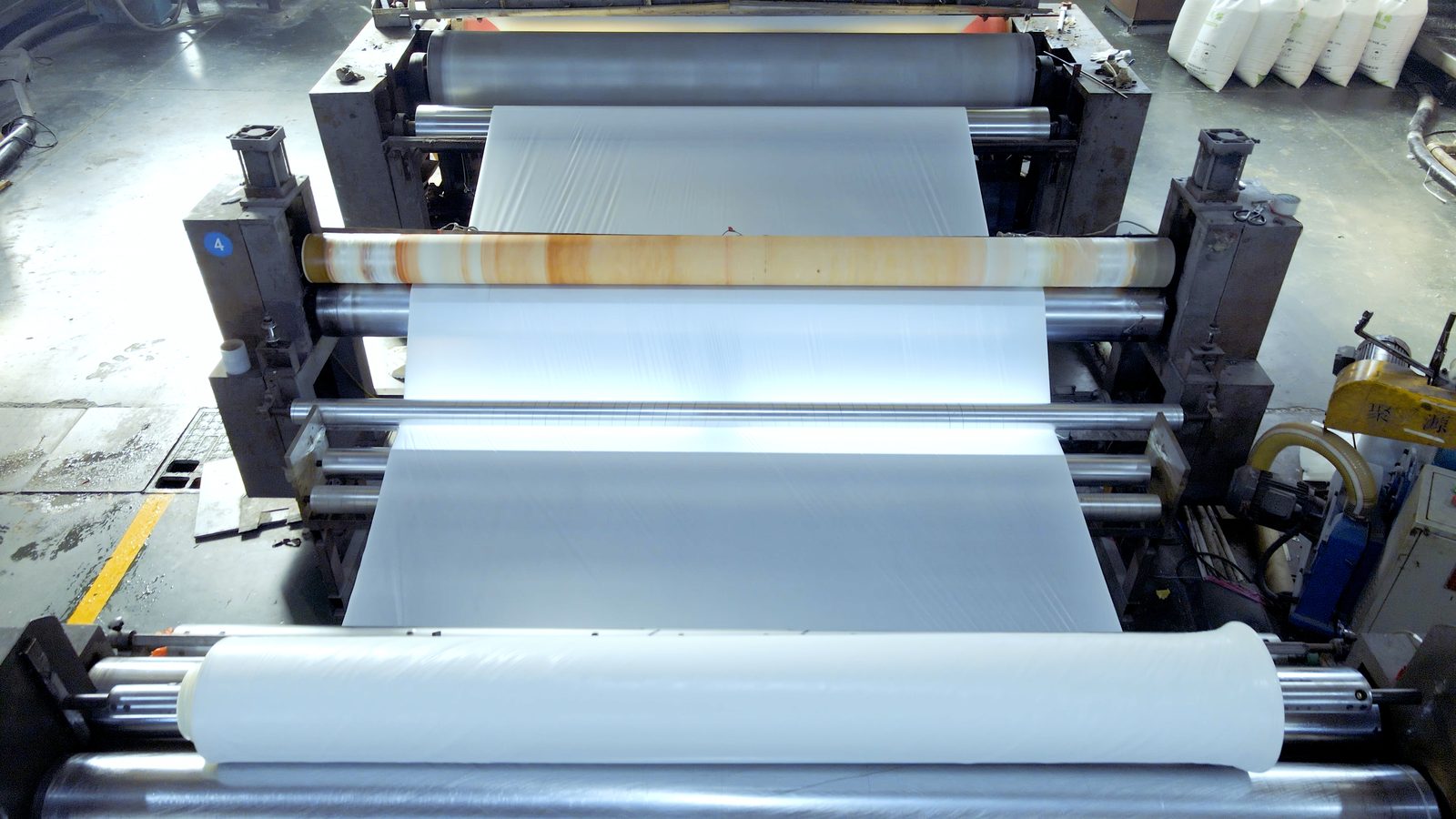
Vietnam’s processing sector is strong on converting and injection, and it imports a large share of its polymer feedstock. That is not a defect — it is a cost structure. When resin moves, the Vietnamese converter feels it sooner in the price of film and the Chinese integrated plant feels it later in its own extrusion cost. Ask both how they manage that, and you learn more than from the unit price.
Printing: plate cost, register and who owns the artwork
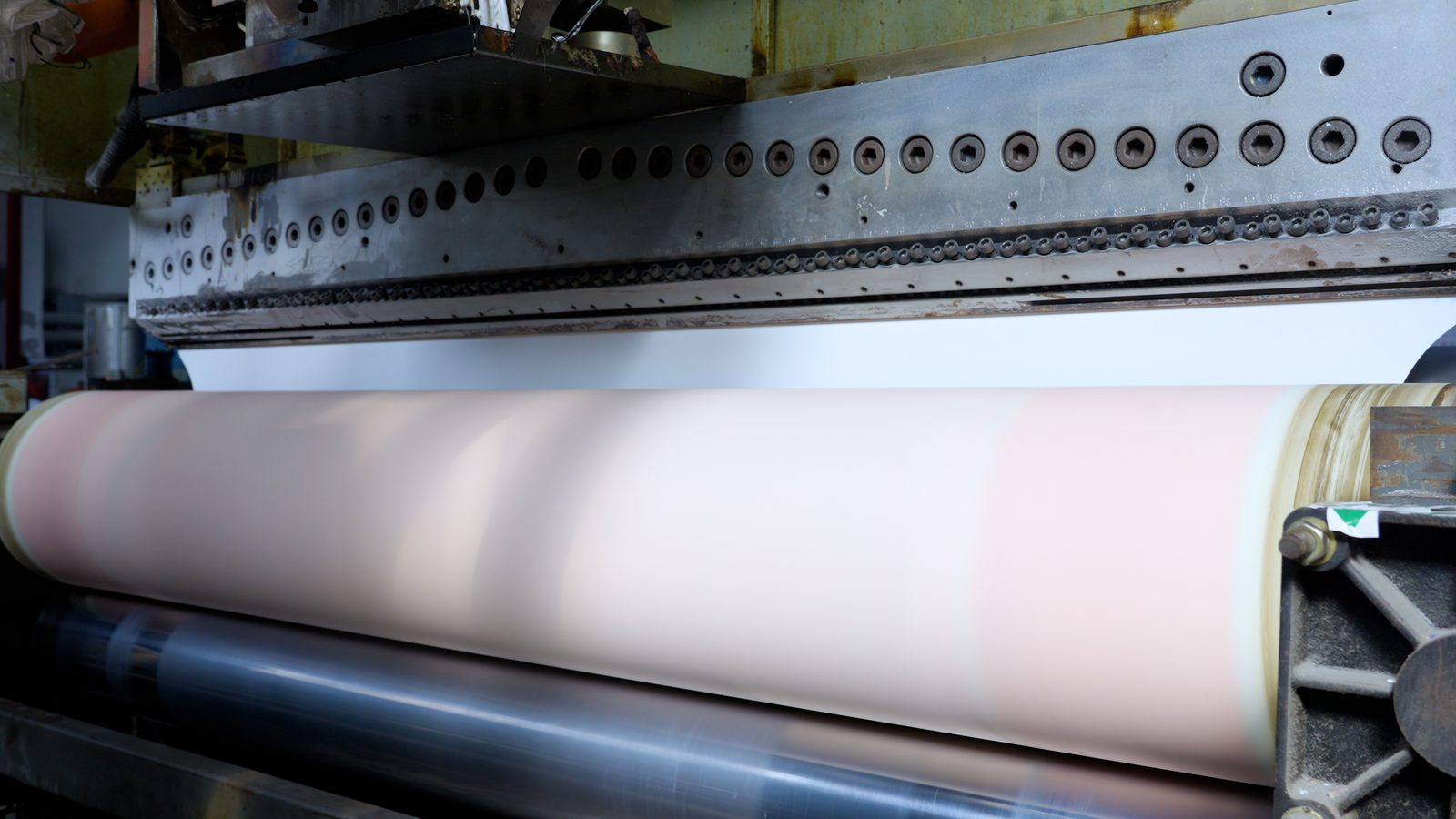
Printing decides a tablecloth programme. Three things set it: the number of colours and the repeat length (which set the plate cost), the register tolerance across a wide web, and colour control against an approved master sample under a defined light source.
In China, wide-web rotary printing for tablecloth film is a mature, competitive service, and printers quote plates per colour per repeat openly — we wrote up that arithmetic in plate fees and artwork approval. Vietnam has capable packaging printers, but wide tablecloth repeats with seasonal artwork are a narrower speciality, so a buyer with four seasonal prints and a tight window often finds plate cost and calendar, not unit price, decide the order.
Whatever the country, get three things in writing: who owns the plates after the run, what the register tolerance is, and which light source and ΔE limit the colour is judged under. A print that matches under office lighting and shifts under retail lighting is a return, not a colour.
Tariffs, origin and the landed cost line most buyers miss
Duty is where the arithmetic changes. Goods of Chinese origin can attract additional duties under the Section 301 actions maintained by the US Trade Representative. Goods of Vietnamese origin pay the normal most-favoured-nation rate unless a scheme applies — and for the EU, the EU–Vietnam trade agreement gives preferential treatment to goods meeting its rules of origin. Current rates sit in the US country commercial guide for Vietnam.
The word doing the work is origin. Origin is not where the container was loaded. It follows where the good was wholly obtained or substantially transformed, and printing, slitting and repacking are exactly the steps where a claim gets tested — the Customs rulings database shows how often the answer turns on specific facts.
Two checks. First, ask for the classification under both headings that matter — 3924.10 for tableware and kitchenware, 3924.90 for table covers — and be suspicious of a supplier who files a printed table cover as a film roll; the distinction is set out in plastic tableware HS codes. Second, ask what changes in the bill of materials if film is imported into Vietnam and printed there. If the answer is “nothing”, the landed cost you were quoted is a guess.
Range depth, MOQ and mixed containers
A party or catering range is rarely one product: a tablecloth, plates in two sizes, cutlery, napkins and a cup in the same colour story. Sourcing that from three suppliers means three minimum order quantities, three sets of documents, three inspections and three arrival dates that have to line up before one pallet can ship to a retailer.
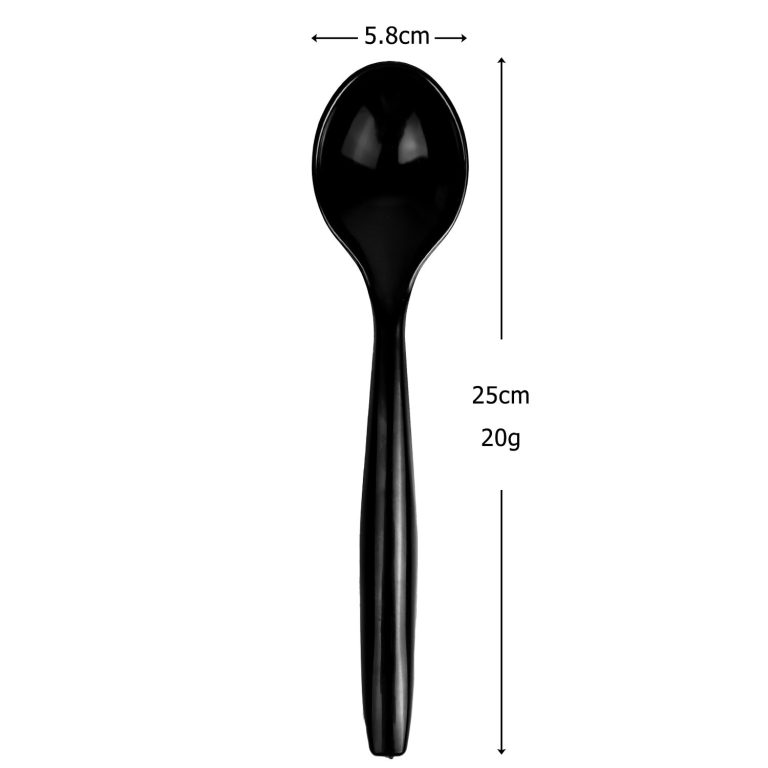
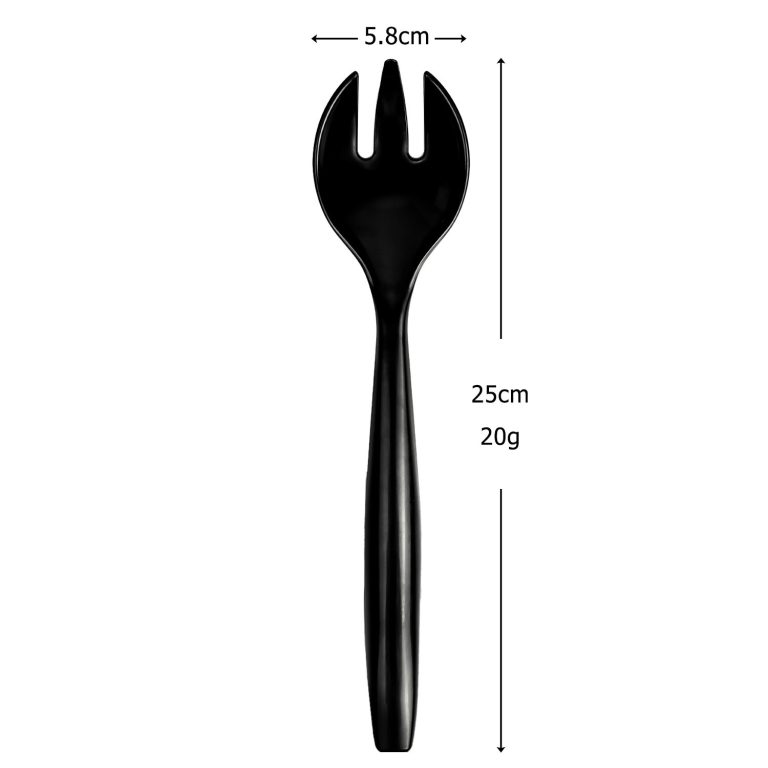
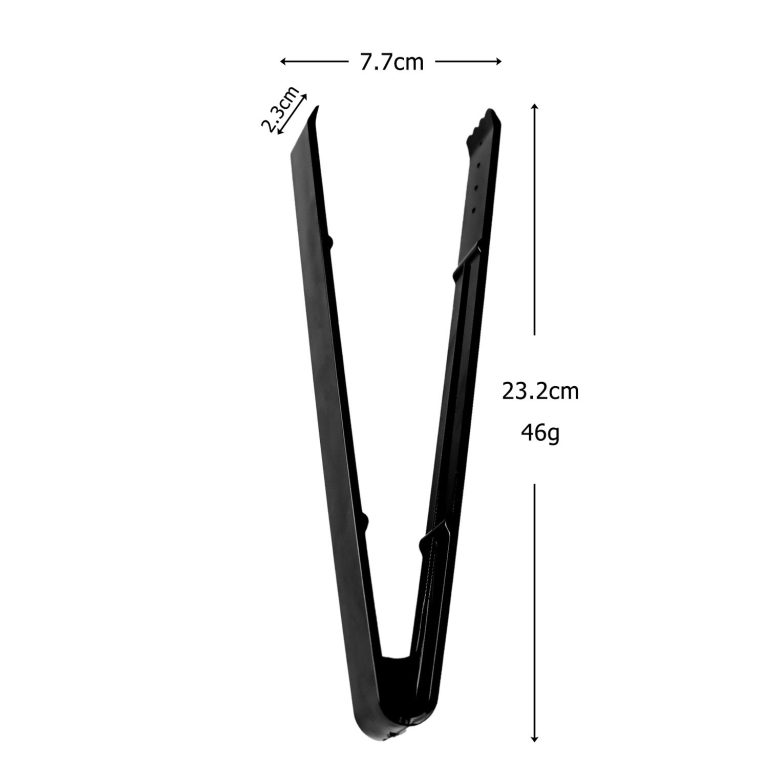
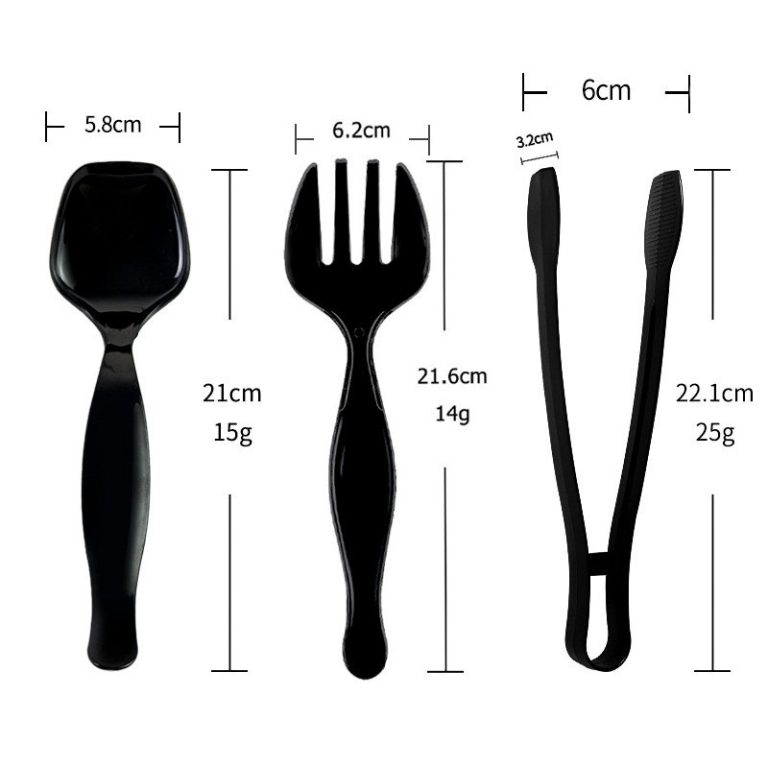
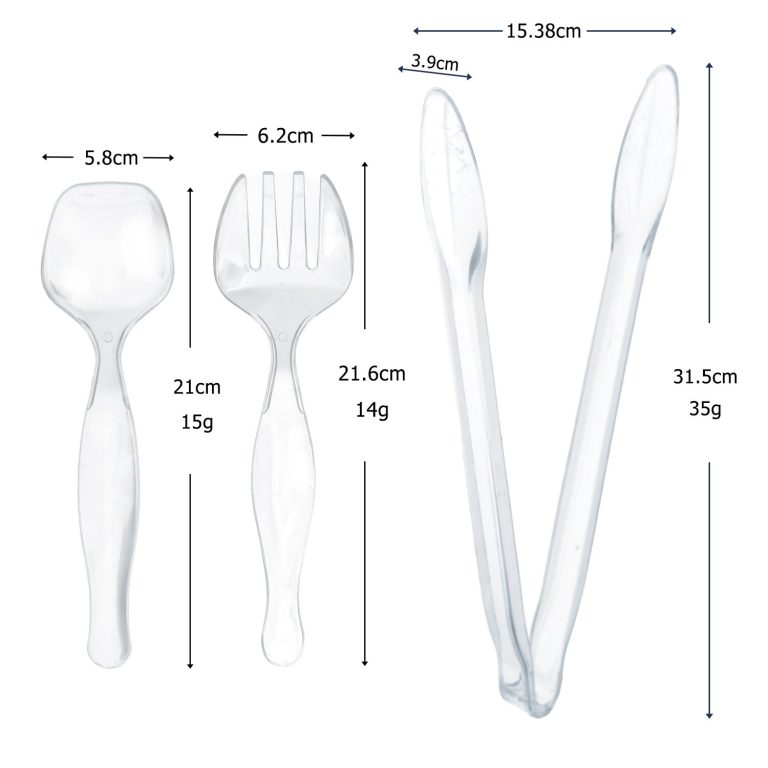
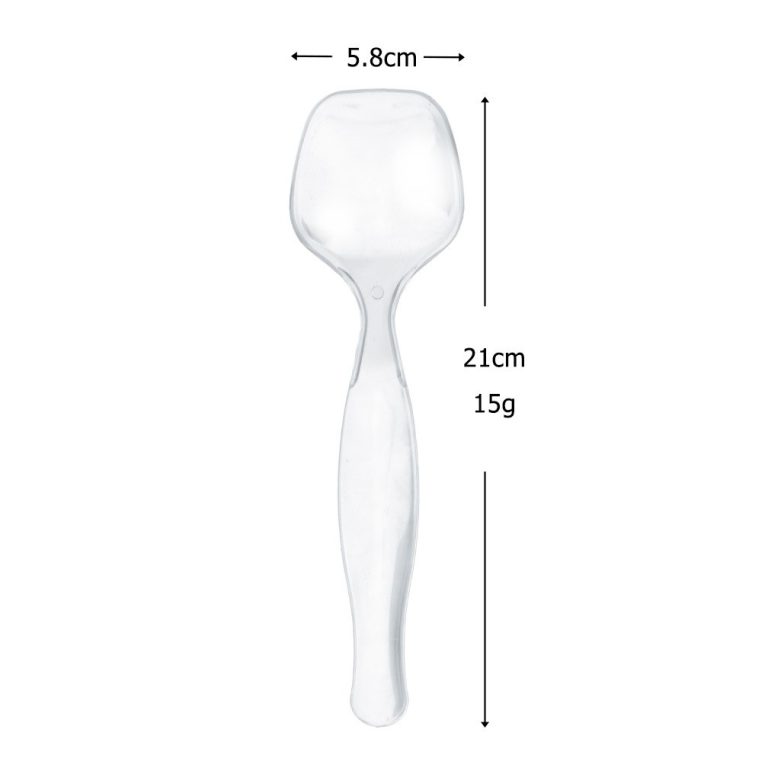
This is where an integrated plant usually wins on total cost rather than unit cost. Tablecloths are volume-bound in a container; plates and cutlery are weight-bound — mixing them fills both the cube and the payload. Vietnam’s tableware base is more single-category, so a mixed load often means consolidation in a third warehouse, and consolidation is where damage and document errors happen. See the ranges we build as mixed loads: plastic tablecloth, disposable dinnerware and plastic cutlery.
The RFQ fields that make two quotes comparable
Send the same sheet to both countries. If a field is blank, the quote is not comparable, whatever the total says.
| Field | What to write |
|---|---|
| Classification | HS/HTS code per item, agreed before quoting |
| Material and gauge | Resin, film thickness in mm and g/m², or part weight in grams |
| Format | Roll width and length, or pre-cut size; plate diameter and rim style |
| Colours, repeat length, plate ownership, master sample and light source | |
| Packing | Inner pack, carton quantity, carton dimensions, hang card or label |
| Quantity | Per SKU and per colour, plus the full range for a mixed load |
| Commercial | Incoterm and named place, payment terms, validity |
| Compliance | Food-contact declaration, test reports, origin statement |
| Quality | AQL level, inspection stage, who pays for the third-party inspection |
A quote that omits gauge or part weight is a price for an idea. The fastest way to shorten the comparison is to reject those quotes early and spend the time on the two suppliers who answered every line — the checklist in how to read a plastic tablecloth quotation is the version we send out.
Where each option fits
Vietnam fits programmes that are narrow, simple and volume-driven: plain plates or cutlery in a handful of SKUs, buyers who already have a print and QC team in the region, and companies whose main objective is a second origin on file. Unit price can be attractive.
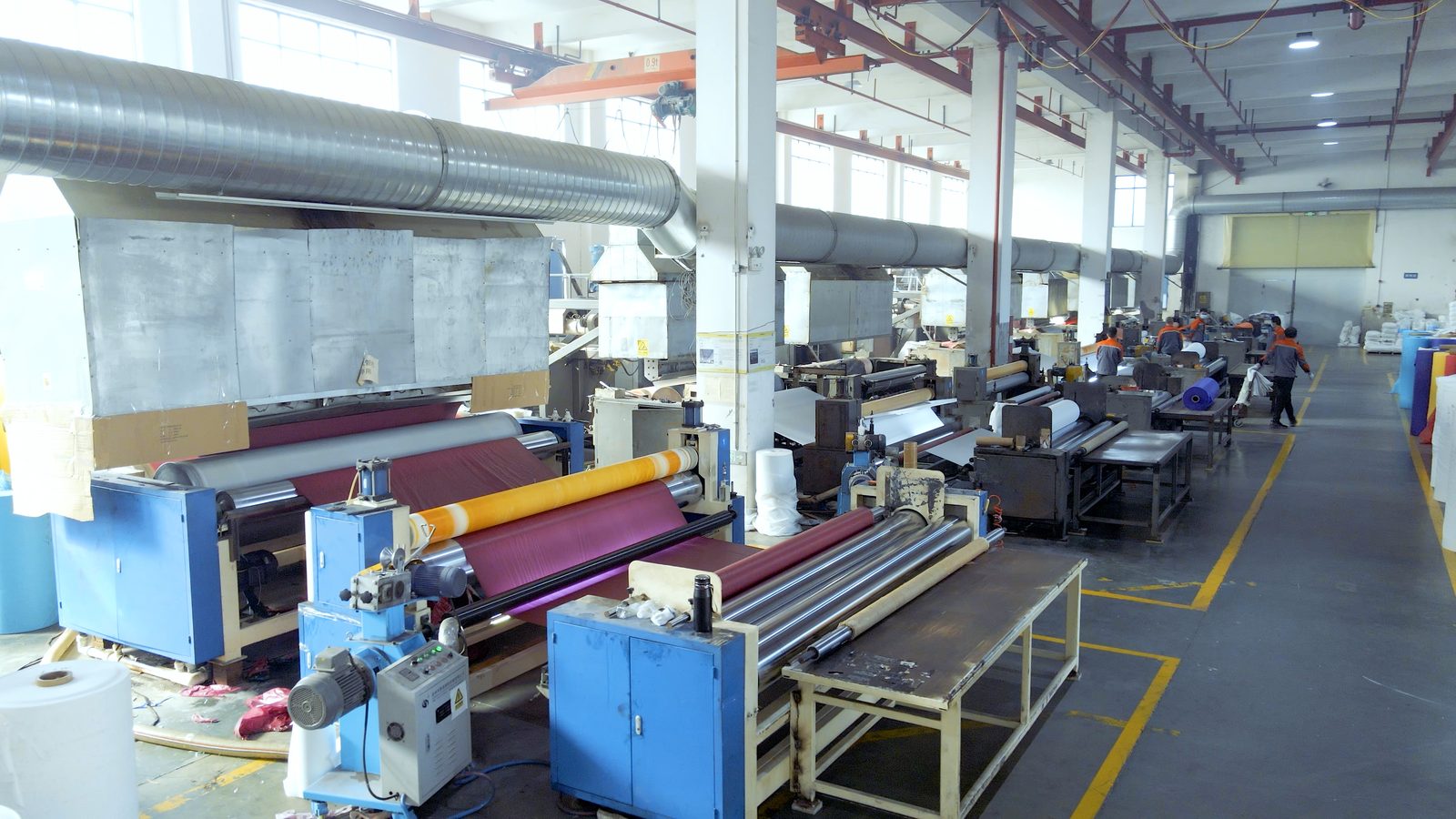
An integrated Chinese plant fits programmes where film, print and packing have to agree: printed seasonal tablecloths, custom sizes and roll widths, colour stories running across tablecloth, napkin and plate, and ranges that ship as one mixed container. That is the work we do, as a plastic tableware OEM/ODM manufacturer with film extrusion, rotary printing, slitting and packing under one roof.
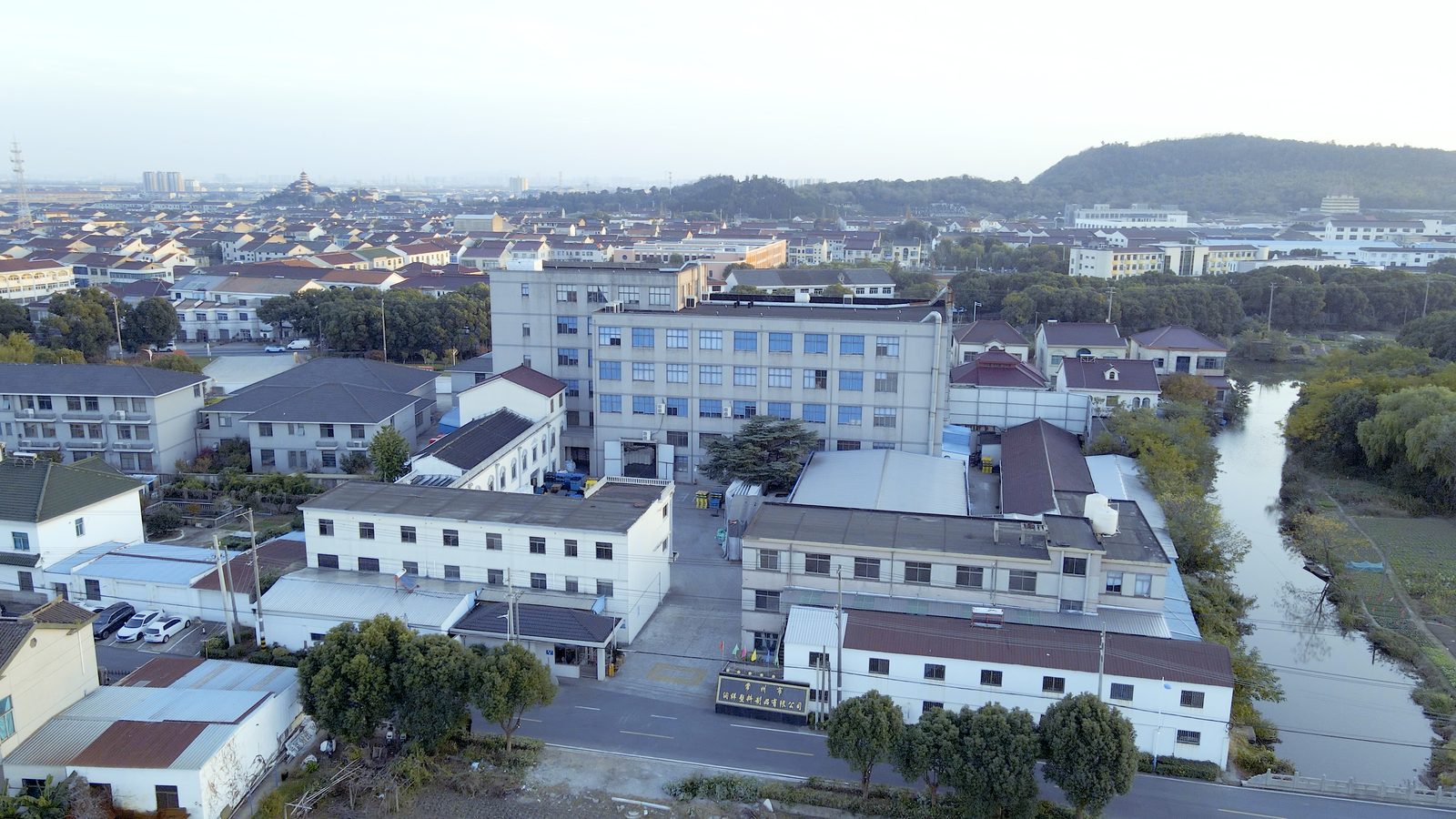
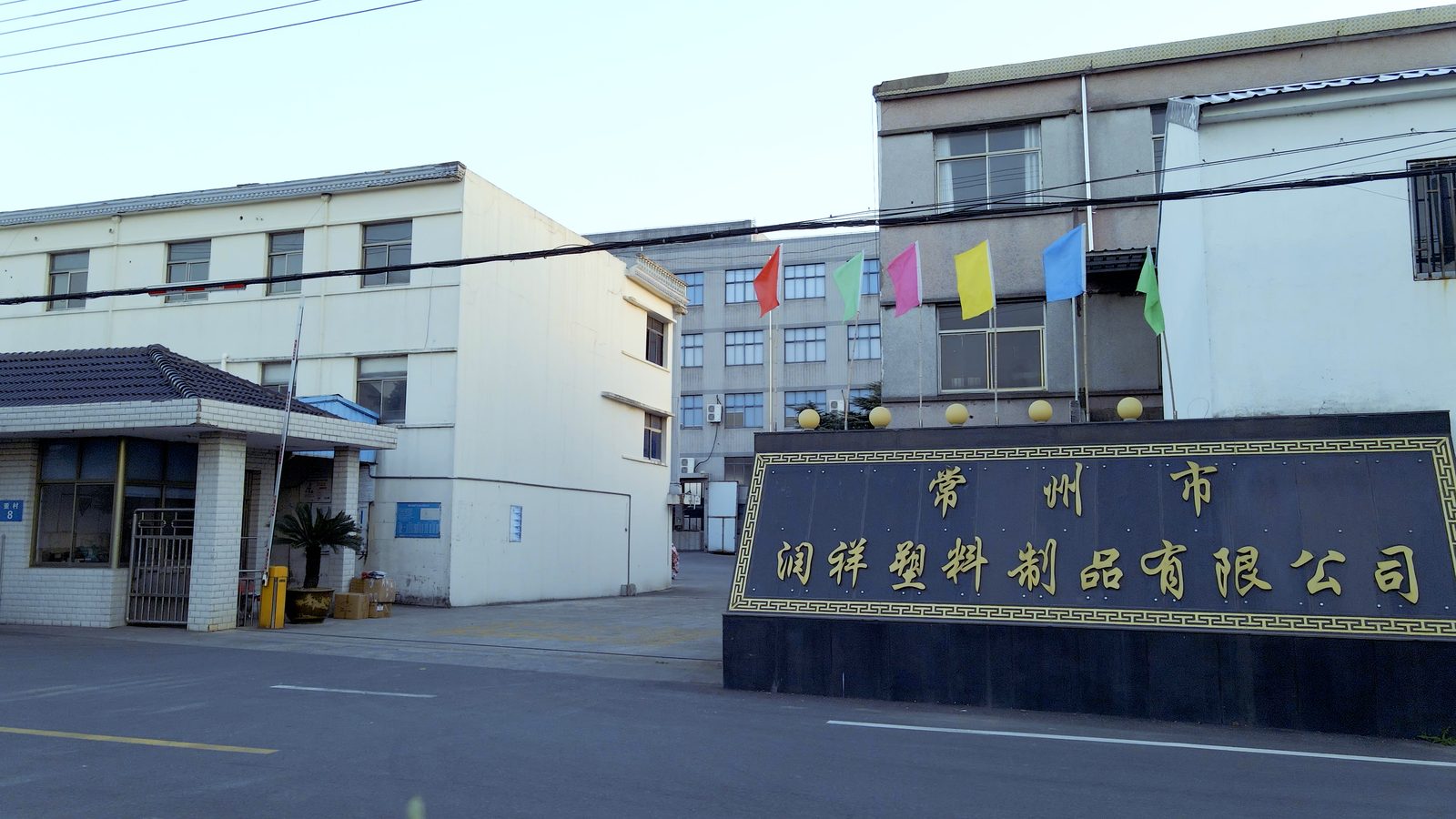
If you are running the comparison now, send us the range and the destination market. We will answer in the same fields as the table above, item by item — and if a different origin genuinely suits your order better, we will say so. Start with how we quote or look at the factory.