










A buyer orders black-and-gold dinner plates, clear cups, red napkins and a printed plastic party tablecloth in a red that turns out to be a different red. Everything arrives, the table looks assembled from four different parties, and the aisle photo never happens. That is the most common failure in party tableware: pieces are bought one line at a time and the colour story is never specified as a whole.
This guide breaks down what actually goes into a plastic party tableware set, how to build a colour theme that survives across five different materials, and how to write the order so that the reorder six months later still matches the first shipment.
What Counts as a Party Tableware Set
“Set” means three different things in a quote, and mixing them up is where carton counts and per-guest maths go wrong.
A plate set is a stack of plates in one colourway — for example a 20-piece black-and-gold plate set made up of 7 in dessert plates and 9 in dinner plates. That is one SKU, one colour.
A place-setting kit adds the table pieces a single guest touches: plate, napkin, cup and cutlery. This is what event and catering buyers order, normally quoted per set and packed in multiples.
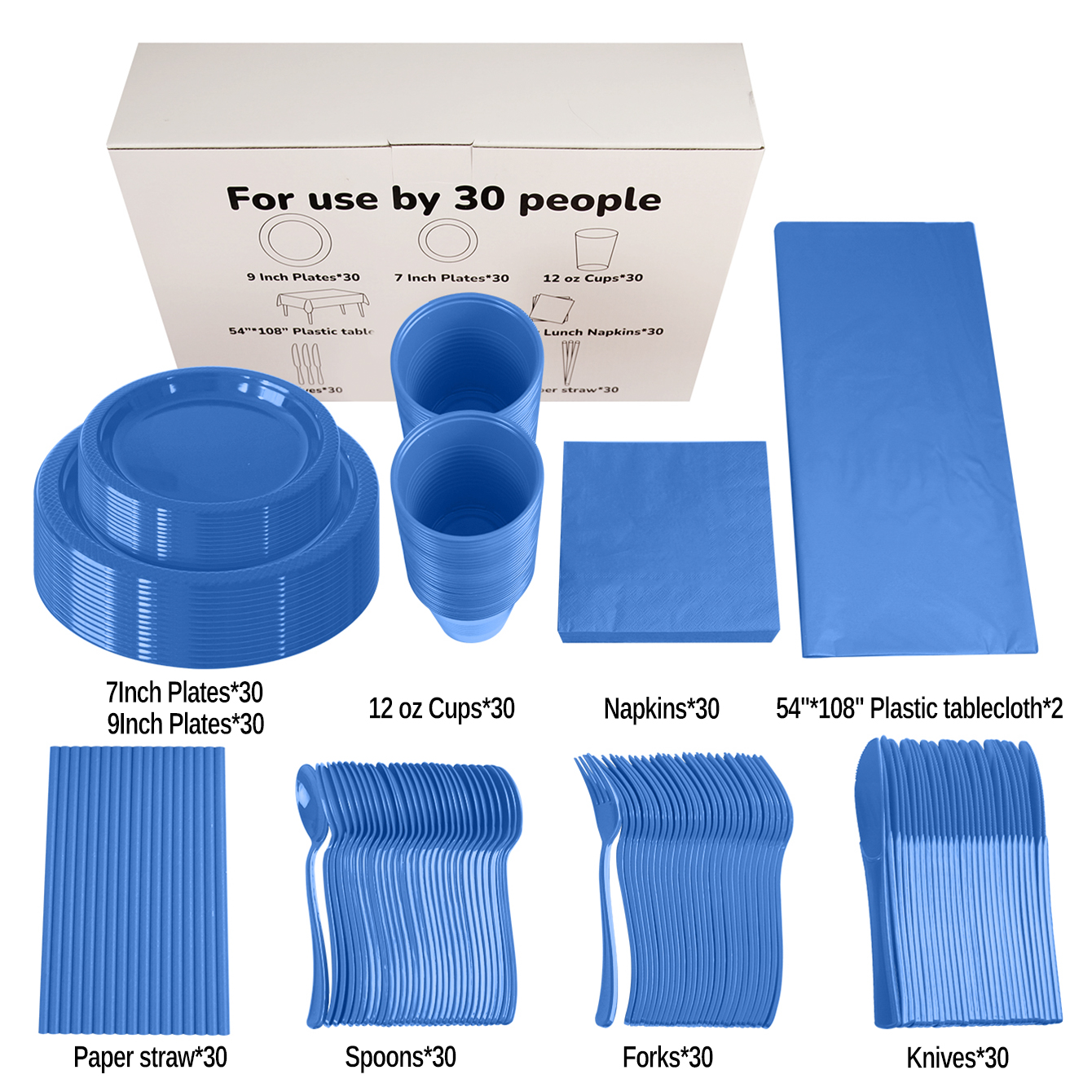
A full party kit adds the surface and the service: a disposable plastic tablecloth in a solid colour, plus serving spoons and forks if the party is buffet-style. This is the format distributors and online sellers list, because it can be sold as one shelf tag.
Decide which of the three you are buying before you ask for a quote. It changes the piece count, the packing and the reorder unit.
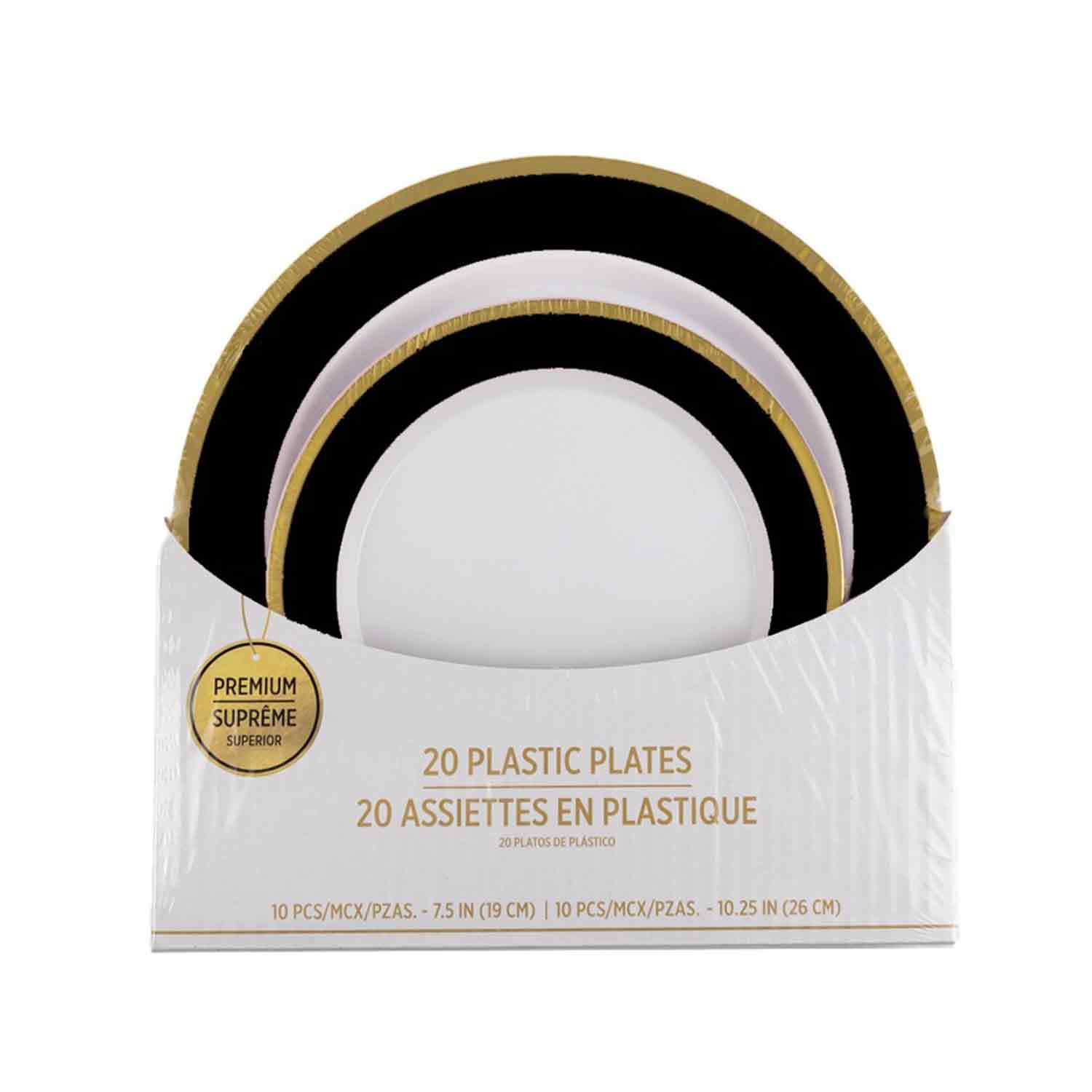
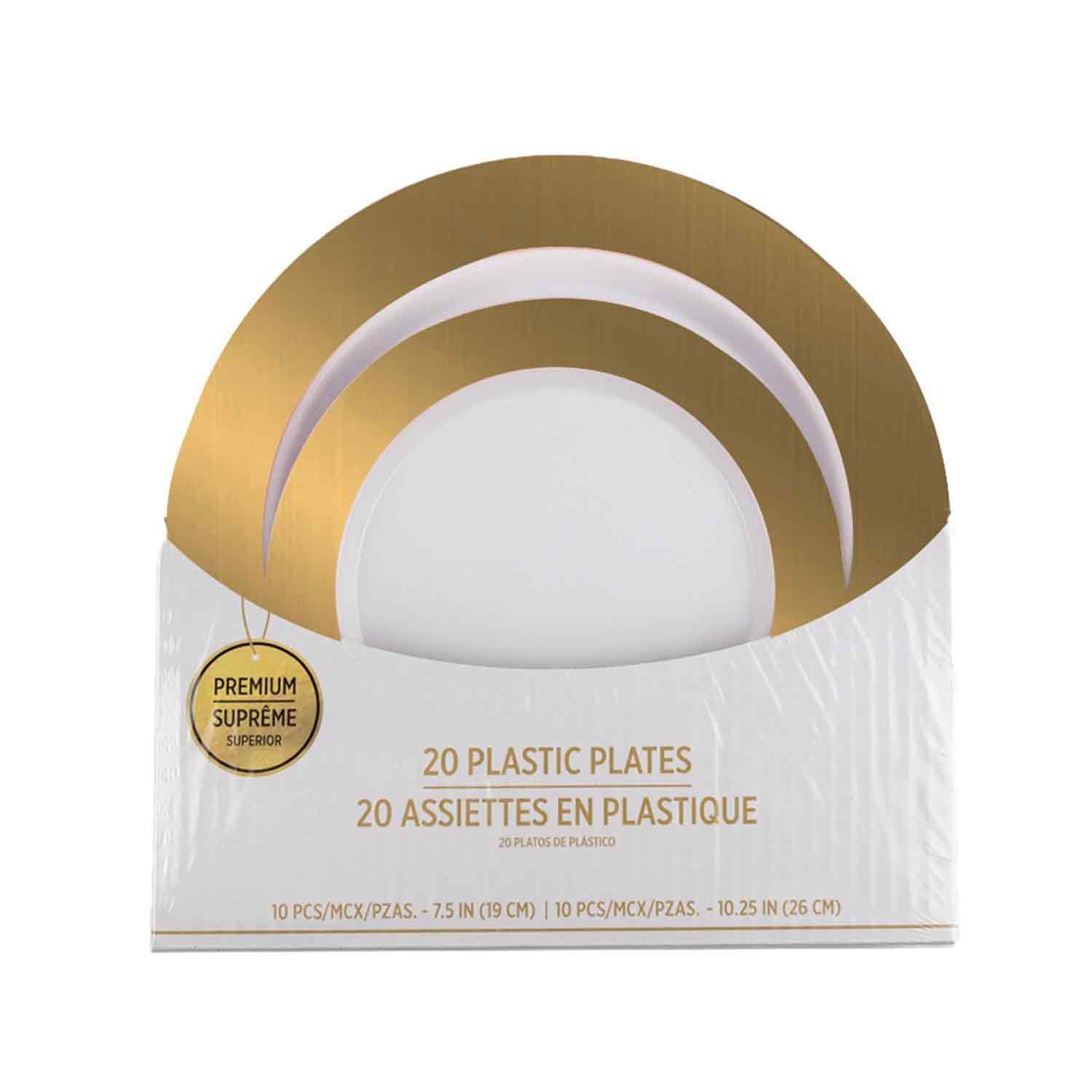
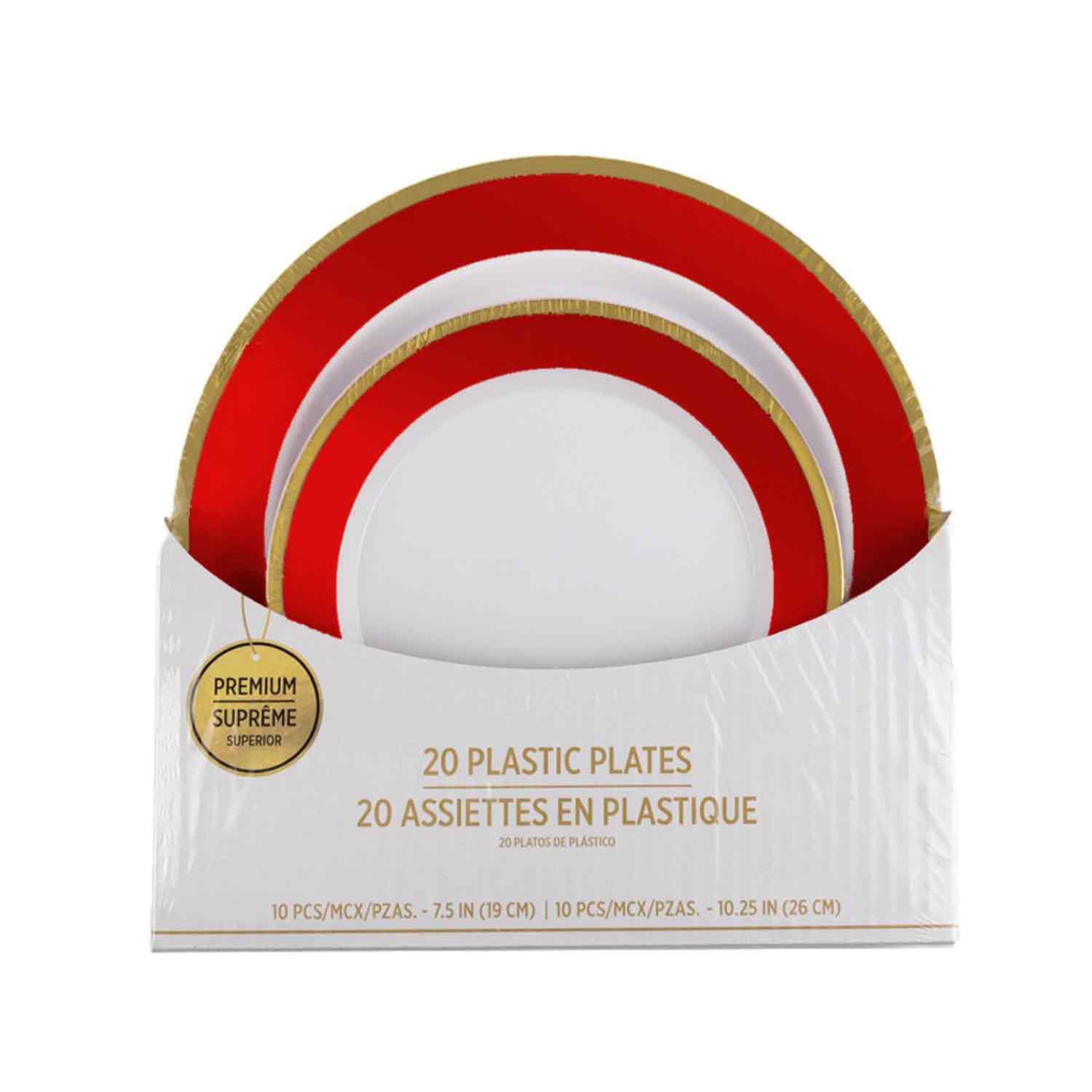
The Six Layers of a Coordinated Table
Work from the bottom up and the colours stop fighting each other. The order below is the same one a table stylist would use, and it maps cleanly onto what a factory can actually produce as matched pieces.
1. The base. The disposable plastic tablecloth covers the largest area, so it sets the colour the eye reads first. Pick it first, not last.
2. The mid-tone. A runner or centre strip in the accent colour, if the format allows one.
3. The dinner plate (9 in). The main colour carrier and the piece guests photograph most.
4. The dessert plate (7 in). Usually the same colourway, sometimes the accent.
5. The napkin. Folded on the plate or to the side; a light neutral lifts a dark base.
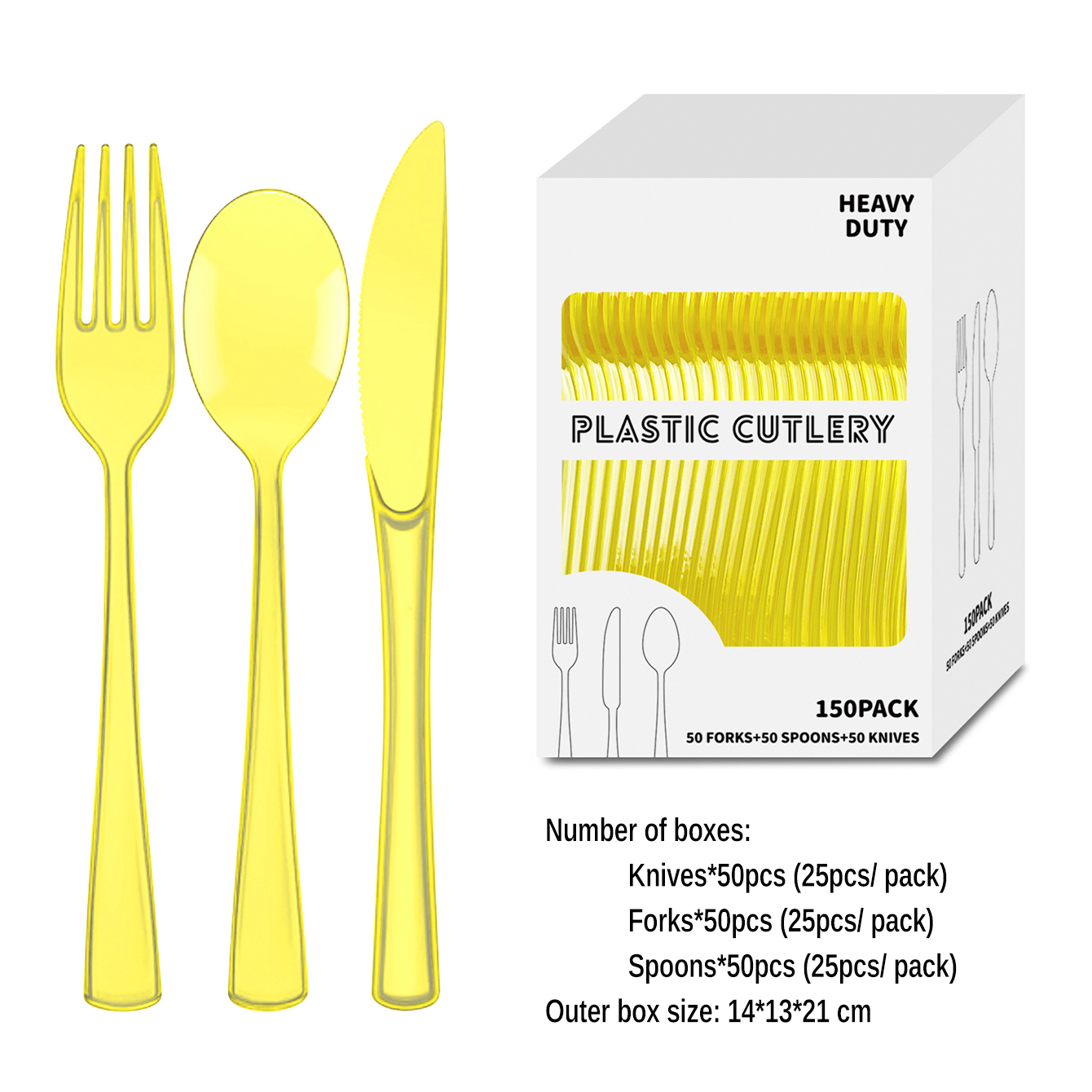
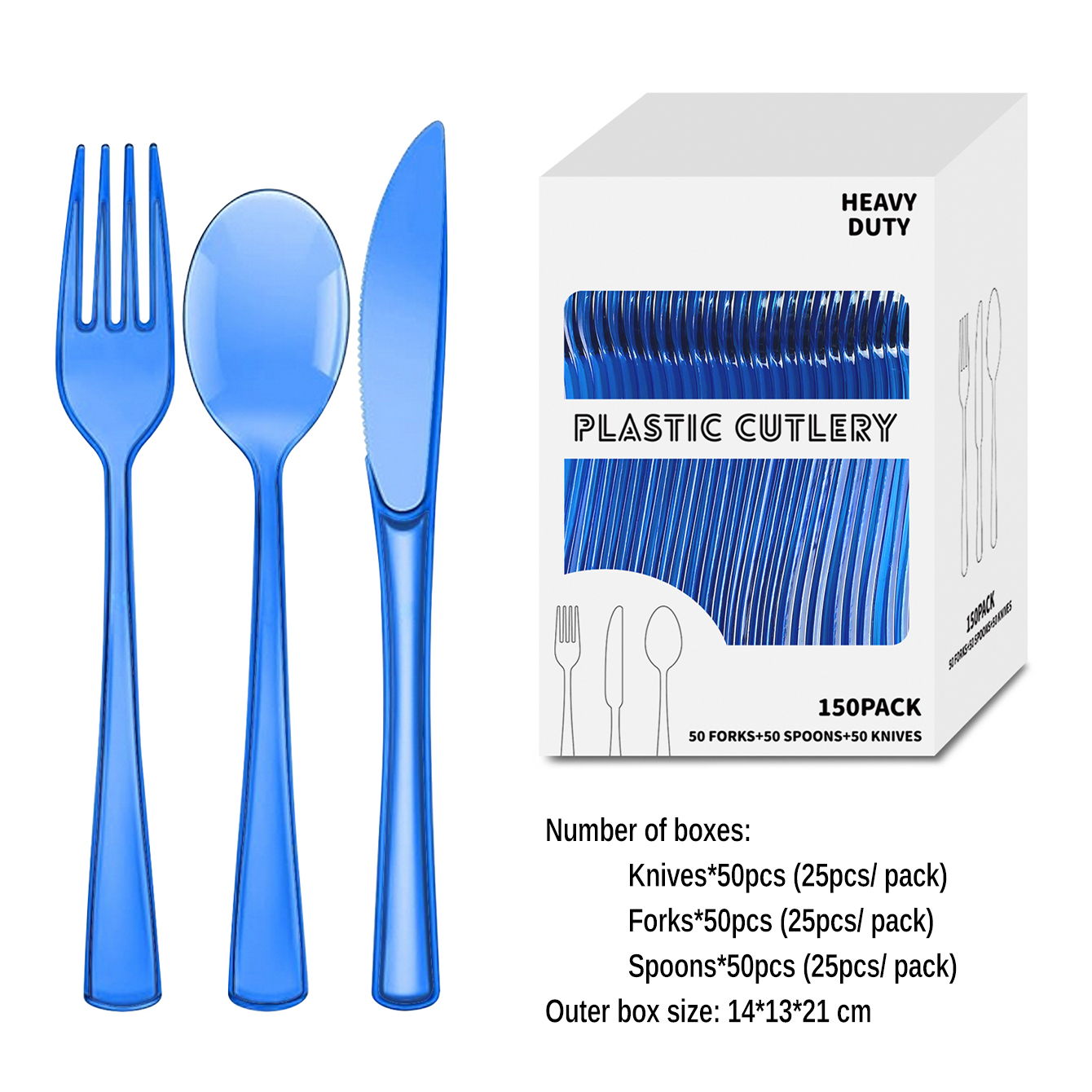
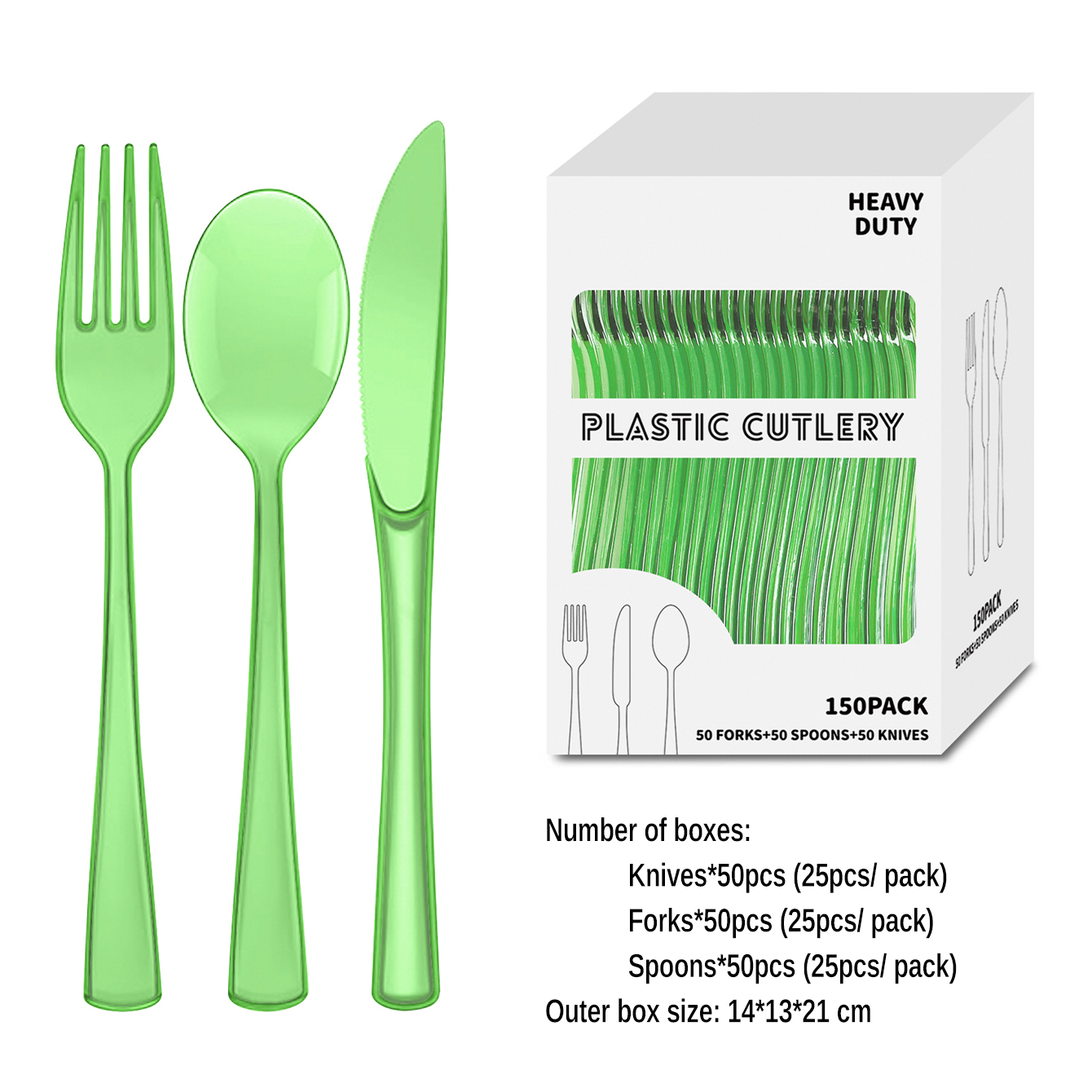
6. Cup and cutlery. Clear reads as “neutral”; a coloured plastic cutlery set is the cheapest way to carry the theme into every guest’s hand.
Add serving spoons and forks only for self-service; buffet is the one case where a full disposable dinnerware range needs pieces beyond the place setting.
Colour Themes That Reorder Well
Some colour combinations sell every month of the year and some sell once. If a buyer is building a party tableware range rather than dressing a single event, these are the combinations that keep earning.
- Black and gold — milestone birthdays, New Year, formal and corporate events. The most reorderable of all, because the pieces roll straight from one occasion into the next.
- Black and white — graduation, monochrome and modern birthday tables. The safest theme for mixed-age guest lists.
- Red and black — birthday and casino or racing-themed parties. Strong at retail, but read the room: red skews younger.
- Pink or purple with gold — sweet sixteen, bridal shower and bachelorette tables.
- Blue and white, green and gold — baby shower, spring, garden and summer events.
Keep to three colours per table: a base, an accent and one metal tone — a fourth usually reads as a mistake. For a range, black and gold plus black and white are worth carrying deepest; both stay seasonal-proof and both extend into printed pieces when a holiday comes round.
Matching Colour Across Five Materials
This is the part of a set that buyers underestimate. The same “red” is not the same red on every piece. Plates are pigmented injection-moulded PS, cutlery is pigmented PP, napkins are printed paper, cups are PET and the cover is a cast PE or PEVA film. Each reflects light differently, so matte pigment, glossy clear plastic and uncoated paper can share one colour name and still sit visibly apart.
Two things make this manageable. First, approve one master colour sample and set every material against that single reference — not against each other by eye. Second, agree how the colour will be judged, because colour difference is measured, not argued: a stated tolerance in CIELAB colour-difference terms under a fixed light source and a stated viewing geometry is what turns “make the red match” into something a factory can hold to. The standards behind that conversation are CIE colour difference and metamerism, with ASTM D2244 describing the instrumented measurement path. If the shade has to survive from the party tablecloth into napkins and plates, say so in the spec, and note that in a printed piece the “white” is usually the unprinted substrate showing through, not a white ink — a distinction we cover in more detail in the colour specification guide.
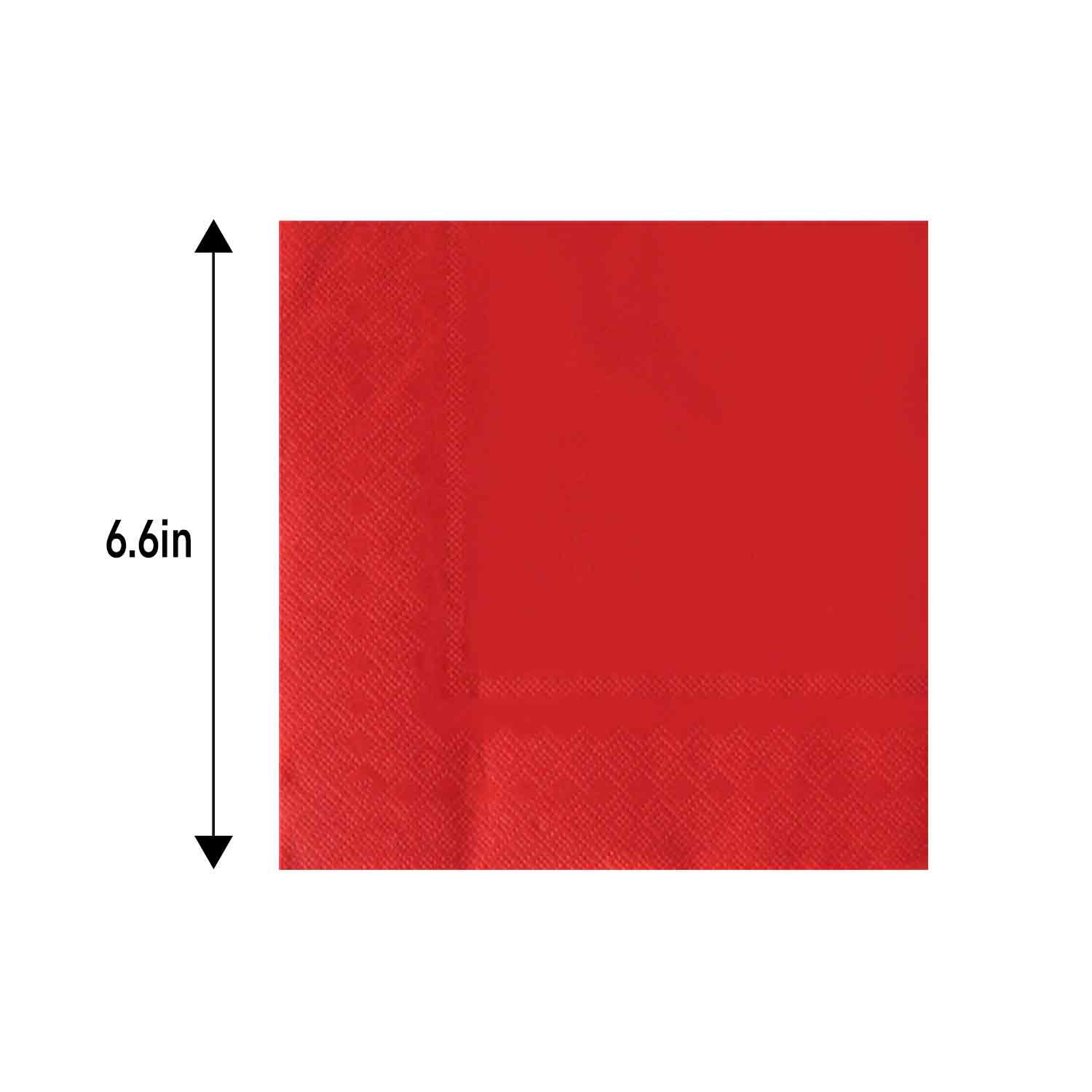
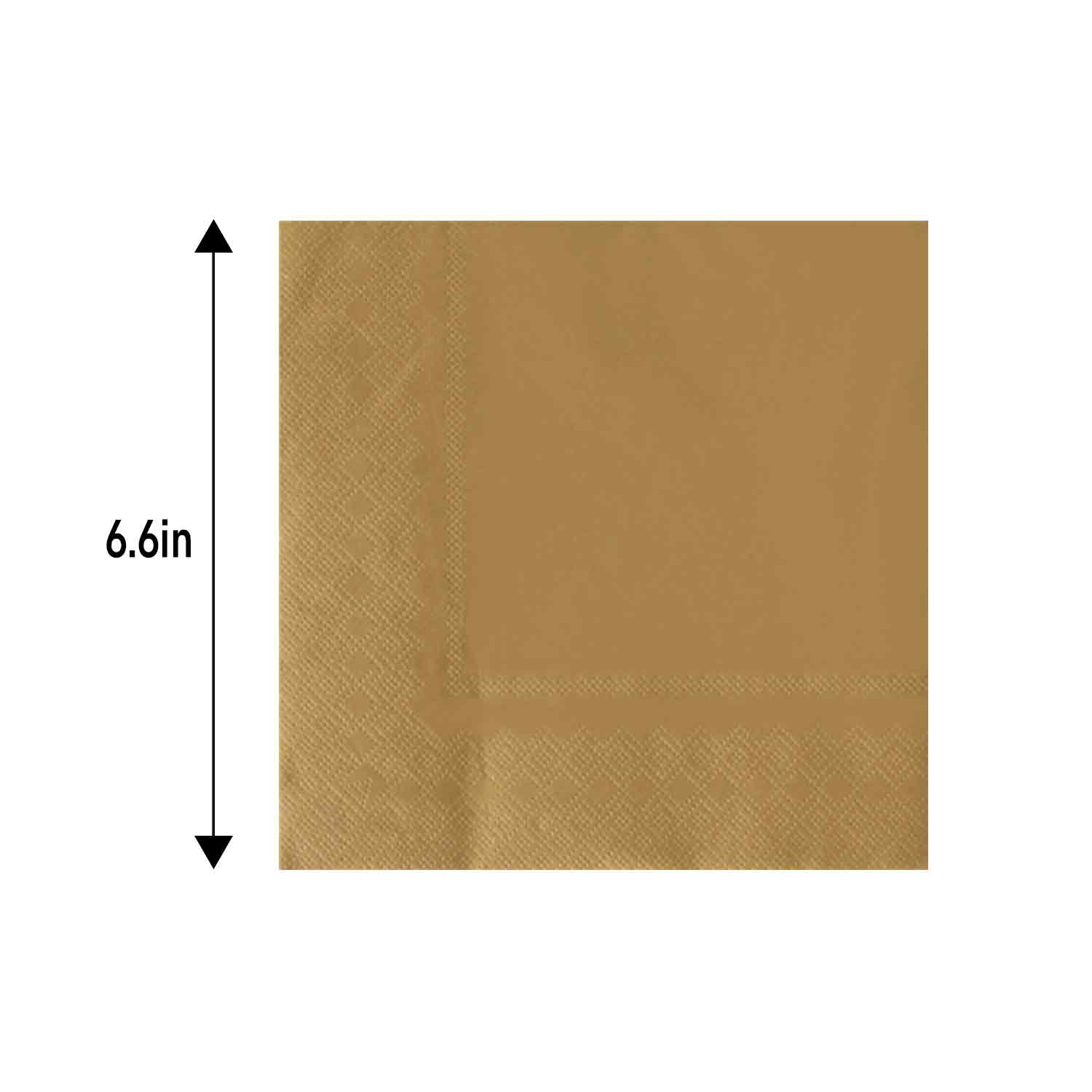
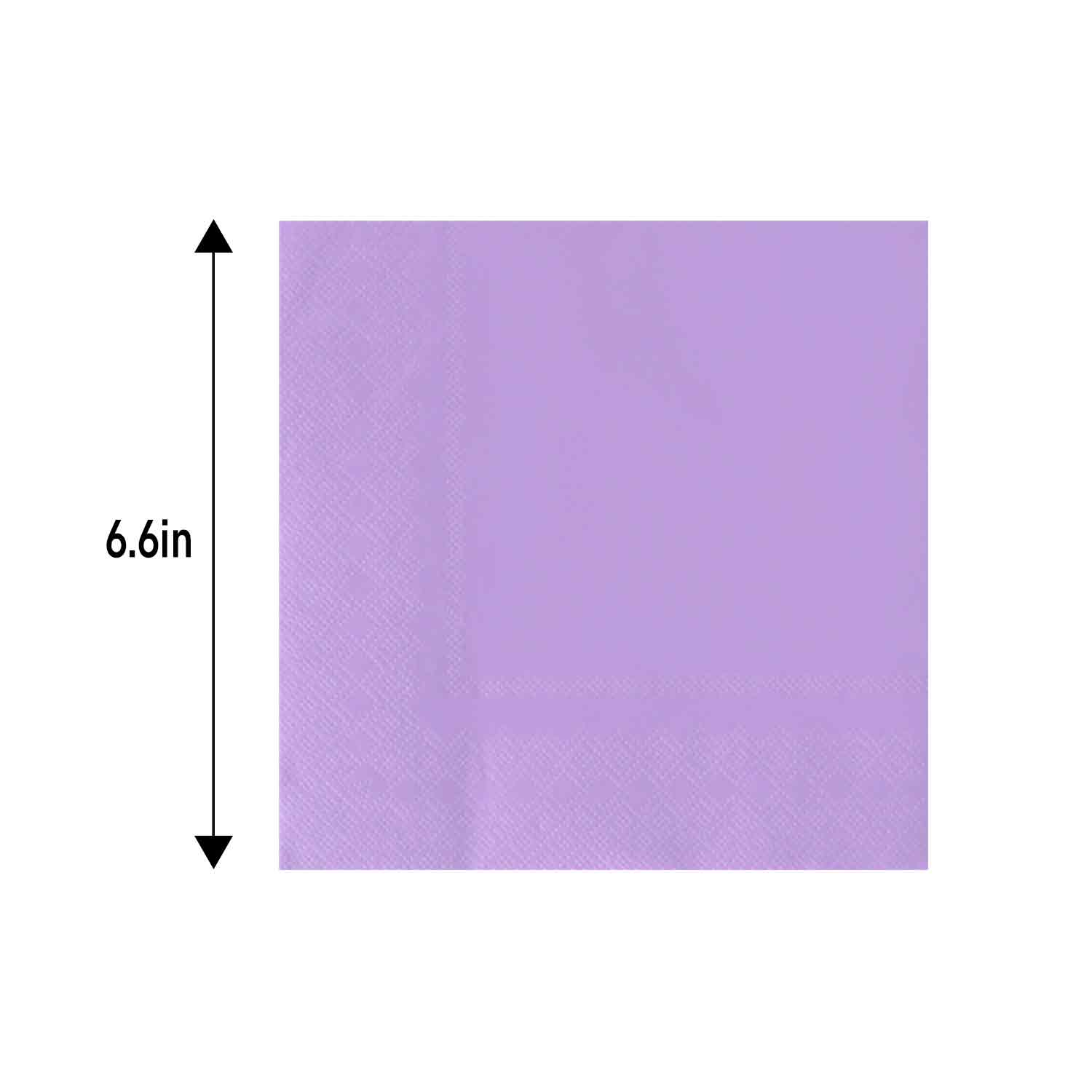
Napkin ply and folded size need their own checklist — see the bulk napkins buying guide — because a napkin with the right colour but the wrong folded size will not sit on a 7 in plate the way the sample photo showed.
How Many Pieces Per Guest
The counts below are the convention most caterers and party suppliers work to, and they are worth writing into the spec rather than assuming:
- Two plates per guest — one dinner and one dessert. Guests routinely take a second plate for a second course, so counting one plate per head is the classic shortfall.
- One napkin, one cup and one set of cutlery per guest, plus a spare allowance for dropped or re-poured items.
- One table cover per table, sized to the tabletop with enough drop to read as a cover rather than an insert. Plate diameters, bowl depths and portion sizing are set out in the plates and bowls size guide.
- One serving spoon and one serving fork per buffet dish.
Translate the guest count into pieces, then into place-setting kits, then into packs. That chain is what makes a set order repeatable: a distributor can reorder “48 place settings in black and gold” instead of re-deriving forty-eight plates, cups and napkins from scratch.
Materials and Food-Contact Basics
A party set is not exempt from food-contact rules just because it is disposable. Plates and cups that touch food are regulated by resin, and the pieces in one set can sit under different sections of the same regulation — polystyrene dinnerware under 21 CFR 177.1640 and polyolefin pieces such as PP cutlery under 21 CFR 177.1520. We compare how the three common resins behave in the PP vs PS vs PET guide, and the document pack a buyer should request for any food-contact order is described on our food-contact materials page. Ask for the declaration that matches each resin in the set, not one blanket statement for the whole kit.
Packing a Set for Resale
Two packing routes dominate. Bulk packing keeps the place-setting pieces loose in a master carton and suits caterers who break cases themselves. Retail packing puts one place setting, or one party kit, in a poly bag with a printed hangtag and barcode so it can hang on a peg. Mixed-colour cartons are cheaper to warehouse but slower to pick; single-colour cartons cost more cube. Carton cube decides which one wins on landed cost, so it belongs in the quote template from day one.
The Set Spec Sheet
Nine lines turn a colour idea into an order that can be reordered without drift:
- Colour name plus a master colour sample reference for each material.
- Piece list: plate, napkin, cup, cutlery, cover, serving pieces.
- Sizes: plate diameters, cup capacity, napkin folded and unfolded size, cover dimensions.
- Pieces per guest and guests per pack.
- Material and finish per piece (pigmented, clear, matte, gloss).
- Food-contact declaration required, per resin.
- Packing format: bulk or retail, pieces per poly bag, packs per carton.
- Master carton dimensions and weight, so cube can be compared.
- Artwork or pre-print, if any piece carries a theme or a logo.
Runxiang has made plastic tableware and tablecloths in Changzhou for more than twenty years, so plates, cups, cutlery and covers in one set can be colour-matched under one roof instead of assembled from four suppliers who have never met. Our OEM and ODM service covers custom printing, private label and set packing, and the party tableware playbook covers how sets are listed and reordered by online sellers. Send us the spec sheet above and we will come back with pieces, packing and a matching sample set.