










Three factories quote the same 54″ x 108″ printed plastic tablecloth, and the FOB prices are 18 percent apart. Same dimensions, same artwork, same packing photo. A container later, one shipment matches the approved sample and two arrive with retail complaints about torn corners and colour drift. The price line explains none of it. The difference was in the specifications nobody wrote down.
A quotation for disposable tablecloths is a specification document before it is a price list. Film weight, cut tolerance, resin choice and carton configuration decide what the goods cost and what it costs to move them. With the United States disposable tableware market valued at USD 7.58 billion in 2026 and forecast to reach USD 9.14 billion by 2031, growing at 3.82 percent a year according to Mordor Intelligence, price-per-piece pressure is not going away. Written specifications are the buyer’s main protection.
The lines that must appear on every quotation
1. Size with tolerance. “54 x 108 in” is a description, not a specification. Ask for the size plus the cut tolerance, for example 54 x 108 in with a tolerance of plus or minus 1 percent, cut square within 3 mm. Cut tolerance decides whether the cover drapes evenly at a banquet and whether a retail buyer files a return. State the tolerance in the same unit your warehouse will measure in. Our plastic tablecloth size and drop length guide covers the dimension side of the enquiry.
2. Film gauge, stated in two units. Ask for microns and mil on the same line. One mil is one thousandth of an inch, or 25.4 microns, and film traders also quote gauge in hundredths of a mil, so 80 gauge equals 0.80 mil. UPA publishes a useful film gauge conversion reference if you want to check the arithmetic yourself. Typical wholesale bands run from 0.4 to 0.6 mil for single-use event covers, 0.7 to 1.0 mil for printed holiday and birthday tablecloths, and 1.2 mil and above for banquet and reusable-look covers. For the full conversion, including GSM and grams per piece, see our article on plastic tablecloth thickness explained.
3. Resin and blend. LDPE, an HDPE blend or PEVA are different materials with different stiffness, clarity and cost. A quotation that lists the material as “plastic film” leaves the largest single cost lever in the factory’s hands, because resin is the biggest input in a disposable cover.
4. Print specification. Number of print colours, registration tolerance, ink coverage per side and the proof approval route. A fully printed cover carries more film weight and more ink than a natural one, and the print programme often sets the minimum order quantity. Ask for a physical print proof, not a description of the artwork.
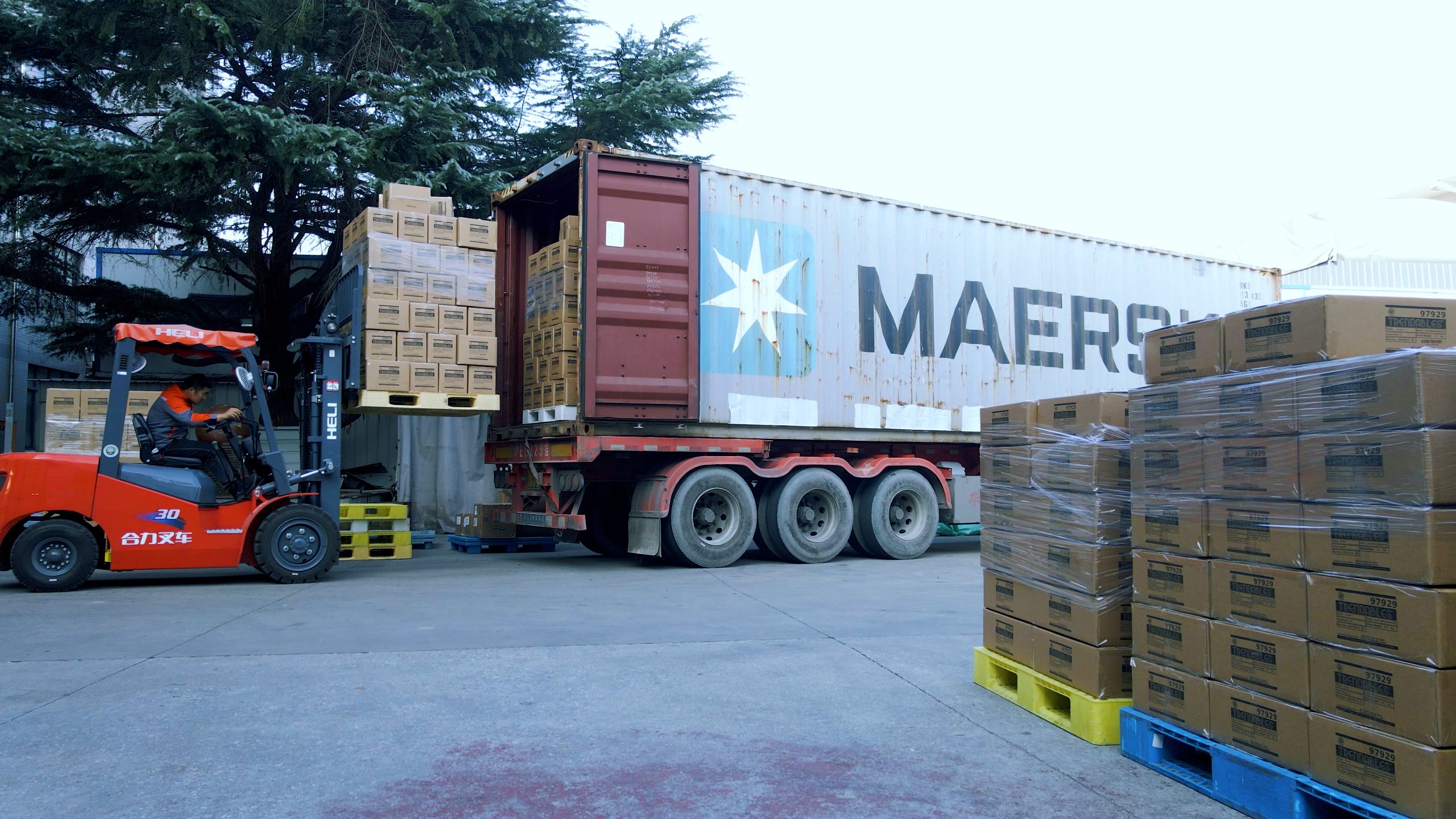
5. Packing configuration. Pieces per inner bag, pieces per carton, carton dimensions, gross weight, and whether the carton has to work as a shipper or as a retail-ready display. Packing is where container utilisation is won or lost, so it belongs in the quotation rather than in a follow-up email.
6. MOQ and lead time by stage. MOQ per SKU and per print, sample lead time, production lead time after deposit is received, and the cut-off date for a seasonal programme. A lead time expressed only in weeks is not a commitment you can plan a holiday shipment against.
7. Commercial terms. Incoterm and named port, currency, payment terms, and who pays for print cylinders or plates if the artwork is new. These lines are usually where an apparently cheap quote becomes expensive.
From FOB price to landed cost per cover
Unit price is the start of the calculation, not the end. Landed cost per piece is FOB price plus freight, insurance, duty and destination charges, divided by the pieces actually in the container, with handling costs added back in.
The two levers buyers underestimate are film weight and carton size. Doubling film gauge roughly doubles resin consumption per cover and adds cargo weight, which reduces how many cartons a container can legally carry. Carton dimensions work the other way: trimming wasted space from a carton adds cartons per container without touching the unit price at all. On a high-carton-count programme, that arithmetic can matter more than a two percent price negotiation.
Run the calculation on your own numbers rather than on a supplier’s summary, and model the freight and duty lines separately so you can see which lever moved when a price changes next quarter.
Verify at sample stage, not at receiving
Grams per piece. Weigh ten covers and divide by ten. A 54″ x 108″ cover is about 3.76 square metres of film, so 0.5 mil at roughly 12 GSM should land near 45 grams per piece, while 1.0 mil at roughly 23 GSM lands closer to 88 grams. The scale will tell you which product you were sent long before a laboratory would.
Drape and corner test. Pull the cover over a table edge the way an end user will, then check the corners. Film that tears at the corner during a normal drop was cut too thin for the channel it is being sold into.
Carton against the packing spec. Weigh and measure one shipping carton and compare it against the agreed configuration. This is the cheapest early warning that a factory has quietly changed the inner count.
Print under daylight. Compare the production print against the approved proof in daylight, not under a warehouse light. Ink coverage and registration are the two print faults that generate the most retail claims.
Red flags in a quotation
Vague quality words such as heavy duty or premium with no number behind them. Gauge quoted in microns for one SKU and mil for another, which makes comparison impossible. No carton dimensions. An MOQ that increases after sampling. A lead time in weeks with no cut-off date for the season you are buying for. And a missing cut tolerance, which is the single most common cause of banquet complaints.
Why buyers send us the specification sheet
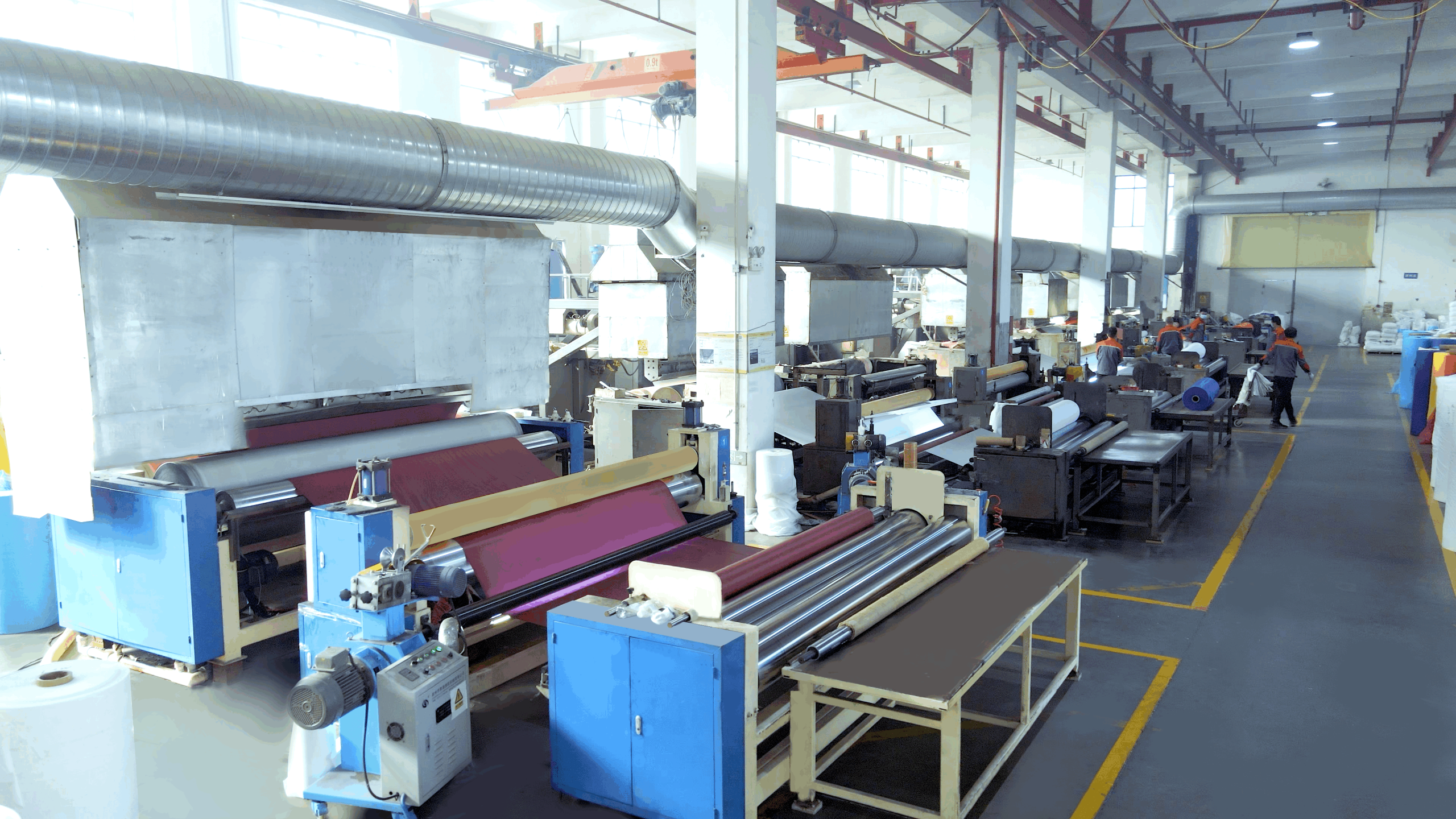
Changzhou Runxiang Plastic Products has manufactured disposable plastic tablecloths and tableware for more than 20 years, running more than 30 injection and film lines with daily capacity above 160,000 pieces. We quote in written specifications: size with tolerance, gauge in two units, resin, print, carton configuration and stage-by-stage lead time, so your landed cost model starts from facts. Send your specification to simon@runxiangplastic.com or call +86 18617181658, and we will return a quotation you can compare line by line.
Browse the ranges you can quote from: plastic tablecloth, plastic dinnerware, party sets and napkins.