










Tariffs, freight volatility and a steady drumbeat of reshoring talk have pushed more than a few importers to ask the same question in 2026: should we just make the tablecloths ourselves? The appeal is easy to see — no six-week ocean transit, direct control over quality, and a domestic production line to show retail buyers. The arithmetic is harder. Looking at 2026 machinery prices and the volumes a printing press needs explains why in-house production pays off for a handful of vertically integrated players, and why most distributors still grow faster by buying from a converter.
What a Tablecloth Production Line Actually Costs
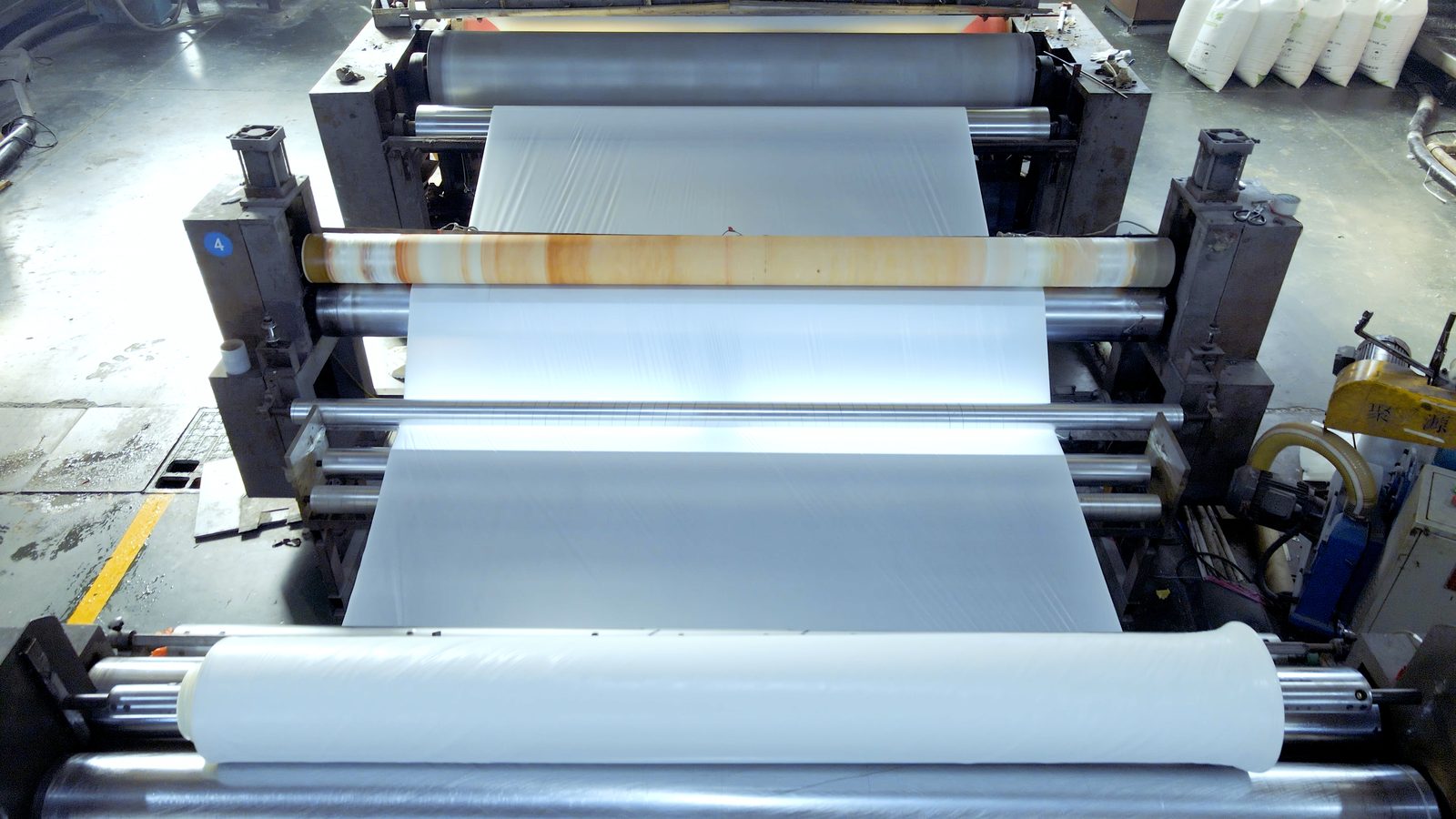
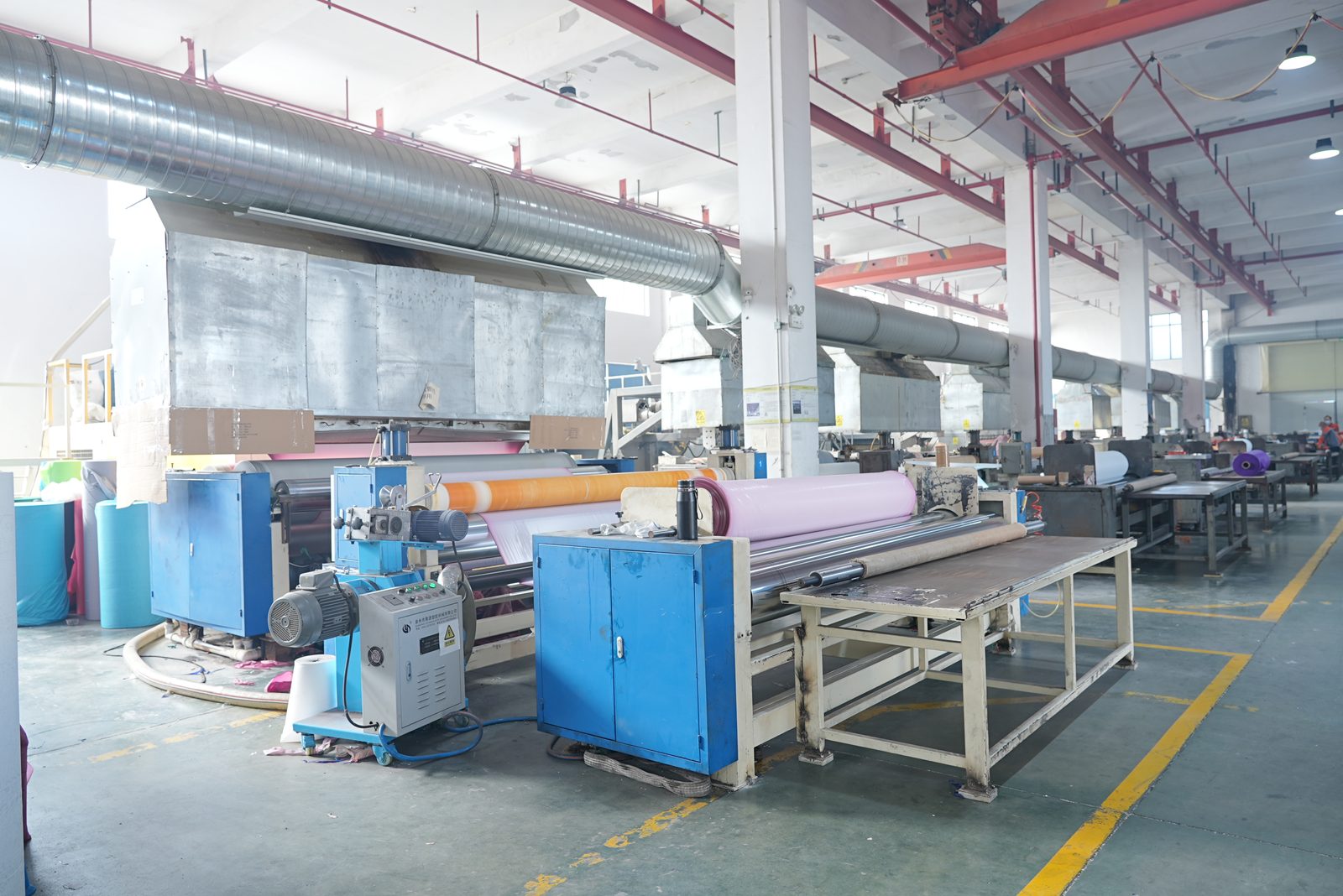
A plastic tablecloth is not one process but five: film extrusion, corona treatment, printing, slitting, and cutting or sealing into covers, rolls or fitted designs. Each stage is separate capital, and each has its own minimum run length.
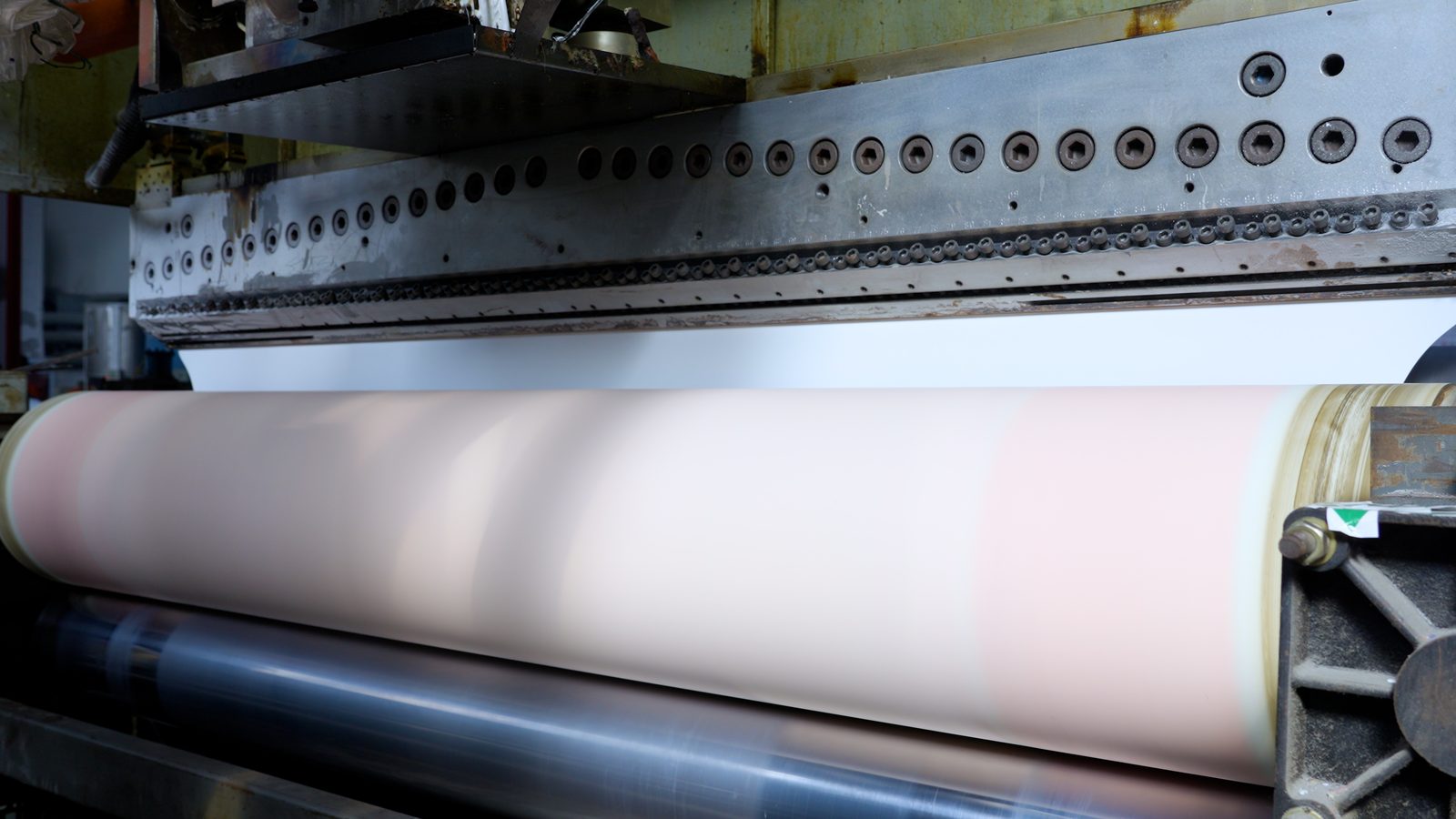
Start with the film. A basic mono-layer blown film line — 45–55 mm extruder, 400–600 mm die — costs roughly $18,000–$35,000 FOB China and outputs 40–70 kg/h. Wider or multi-layer (ABA) co-extrusion lines start near $55,000 and can pass $100,000, according to a 2026 blown film price guide. Printing is where the budget really moves: a 2–4 colour stack press starts around $15,000, a 6-colour mid-range press runs $45,000–$130,000, and a wide-web CI flexo built for high-volume film work $150,000–$550,000, per a 2026 flexo cost analysis. Rotogravure, if you want photographic print quality, starts above $1 million for a 6–8 colour line (rotogravure cost overview). Slitting, cutting and sealing equipment adds roughly $10,000–$100,000 depending on width and automation (bag and sealing machine budgets).
Total it up and a modest single-line setup lands near $150,000–$400,000 in machinery, before sea freight, import duty, installation, spares and the first months of operator training. That configuration buys one film width and one or two print formats — not the ten sizes and eight colours your customers order. Our process guide shows how the five stages fit together on one floor.
The Costs That Never Appear on a Machine Quote
Machinery is the visible third of the bill. The rest arrives monthly: a building with three-phase power, enough floor space for film, printed rolls and packing, extraction and fire compliance, and a plastics-processing insurance premium. Rent on 1,500–3,000 m² typically dwarfs the machine payment in most Western markets.
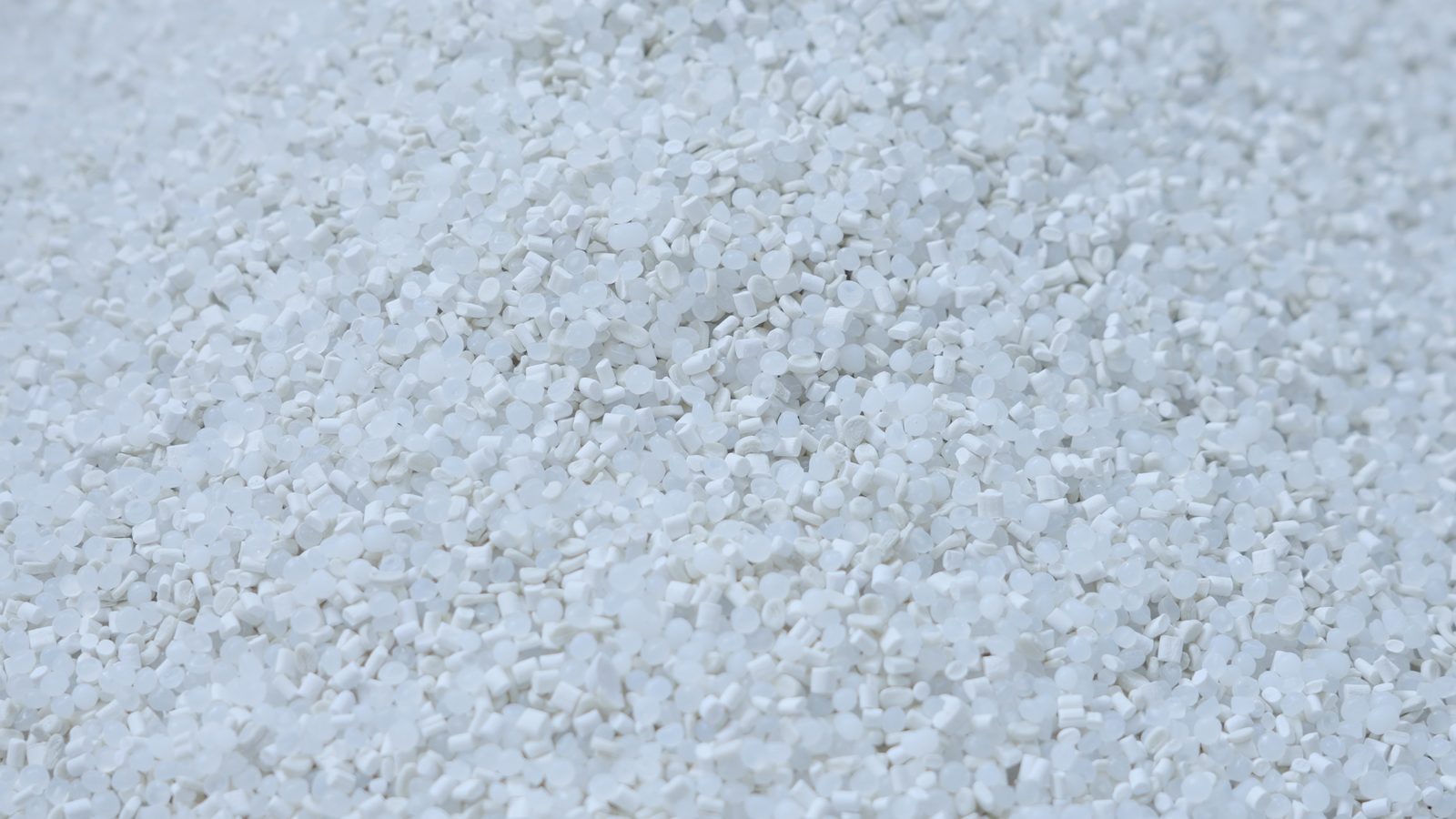
Then comes the raw material. Converters buy resin by the truckload, often 20–25 tonnes at a time and on contracts linked to the PP/PE index. 2026 has been a buyer-friendly resin market across PE, PP, PVC and PET, as this resin pricing outlook notes — welcome news, but it also means a converter buying 500 tonnes a year pays less per kilo than you will on your first three orders. Colour changes, startups and gauge corrections add 5–8% scrap in a normal first year, and all of it is already priced into a factory quotation.
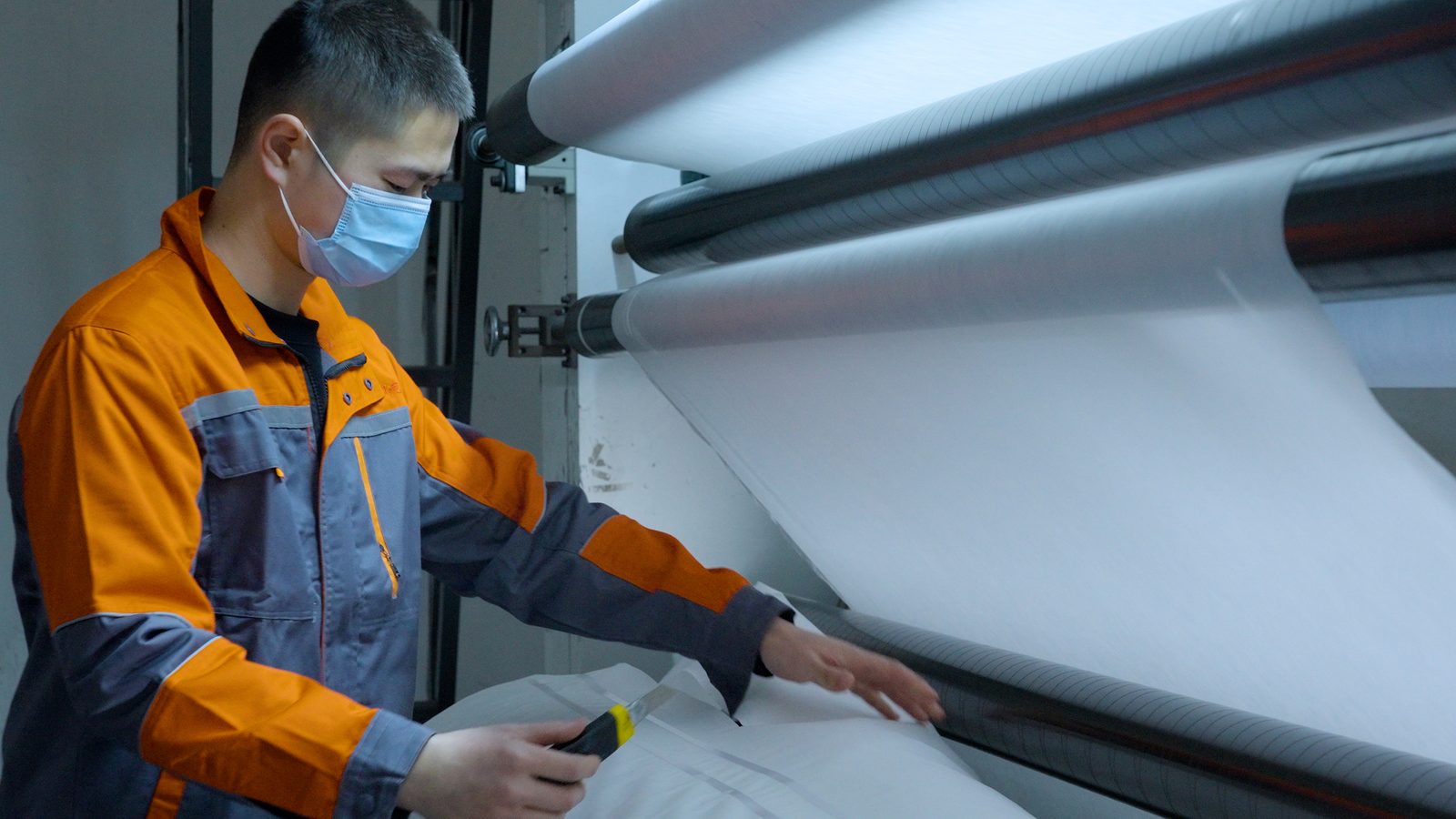
Finally, the people and the paperwork. An extruder operator and a print minder who can hold register are not entry-level hires, and one shift will not keep a 24-hour line running. You also inherit food-contact declarations, migration testing and state-level chemical rules, plus the working capital to hold resin, printed rolls and finished goods for twelve months instead of one container arriving eight weeks after deposit.
The Volume Problem: Press Runs, Seasons and Break-Even
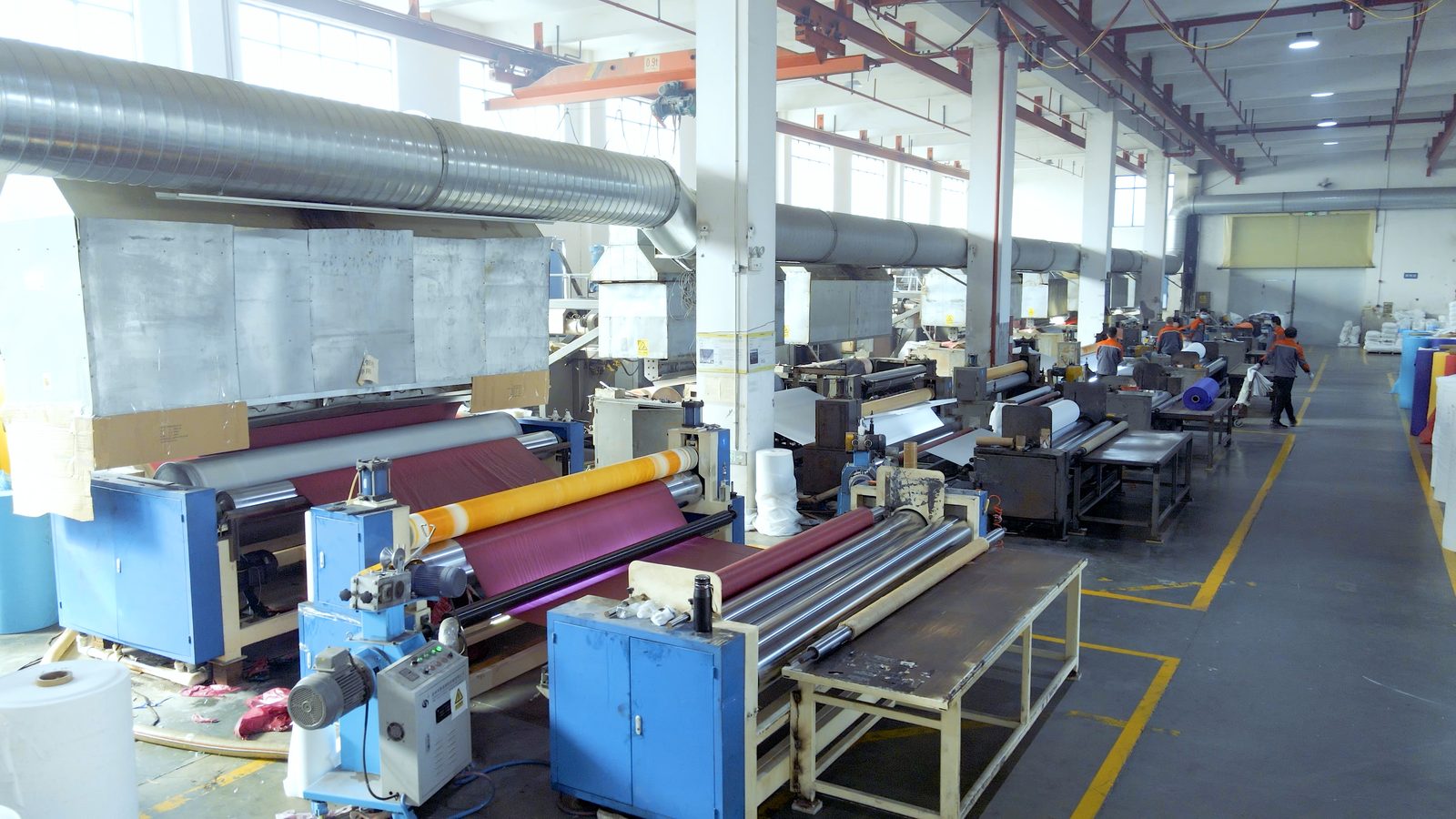
Printing is a run-length business. Plates, ink, register and wash-up between designs are fixed costs per design, and cost per cover falls only as metres printed rise. An import programme mixes twenty SKUs and six colours into one 40HQ container; a press wants runs in the tens of thousands of metres per design. Those are two different business models, and only one of them lets you test a new seasonal pattern with a single container.
Demand is also spiky. Halloween, Thanksgiving, Christmas, New Year and spring wedding season land in tight windows, and a plant has to be fed all year. That leaves two unattractive options: run at low utilisation for eight months, or warehouse next season’s stock for twelve.
Run your own numbers before committing capital. If a single-line operation carries about $200,000 a year in fixed costs — lease, power, salaries, depreciation, maintenance and insurance — and in-house production saves you three cents a piece, break-even sits near 6.7 million pieces a year. That is before a rejected print run or a month of idle capacity. And because film gauge is what really drives landed cost, any upward drift in thickness as you learn to run the line quietly cancels the saving; our mil, micron and GSM guide shows how fast that happens.
Make, Buy, or Something In Between
There is a middle path, and it is the one most successful brands take: own the artwork and the print plates, and let a converter extrude, print and cut to your specification. You can still keep local finishing — cutting imported rolls into retail packs — where a packed-locally claim matters for a listing, or split volume between two suppliers to reduce lead-time risk.
That is how we work with importers at Runxiang. With more than 20 years in plastic tablecloths and tableware, over 30 machines and capacity around 160,000 pieces a day, we run film blowing, flexo printing, cutting and QC under one roof — the capex you are modelling already exists on our floor, and you rent it per order instead of financing it. OEM and ODM projects get plate, artwork and colour-approval support, and quotations are built around your gauge, size mix and season rather than a generic price list.
Send your spec sheet, target sizes and volumes to simon@runxiangplastic.com or call +86 18617181658, and we will come back with a costed programme — including what a first order can realistically deliver before you commit to tooling or a domestic line.
Related reading: