
Outline
H1: Plastic Tablecloth
H2: Introduction
H2: What Is a Plastic Tablecloth?
H3: Common Materials (PVC, PEVA, Vinyl)
H3: Construction and Finishes (glossy, matte, embossed)
H2: Types of Plastic Tablecloths
H3: Disposable vs Reusable
H3: Fitted, Round, Rectangular, Roll
H2: Key Benefits
H3: Waterproof Protection
H3: Easy Cleaning and Maintenance
H3: Cost-Effective and Practical
H2: Typical Uses and Settings
H3: Parties and Events
H3: Outdoor Picnics and BBQs
H3: Arts, Crafts, and Workshops
H2: How to Choose the Right One
H3: Size and Shape
H3: Thickness (gauge) and Durability
H3: Pattern, Color, and Style
H3: Safety Considerations (food-safe, PVC concerns)
H2: Styling Tips and Tricks
H3: Layering with Fabric Tablecloths
H3: Creative Centerpieces and Edge Treatments
H2: Care and Cleaning Guide
H3: Routine Cleaning Methods
H3: Stain Removal and Tough Messes
H3: Storage Advice
H2: Environmental Impact and Alternatives
H3: Recycling and Disposal Options
H3: Eco-Friendly Alternatives (waxed cotton, silicone, biodegradable options)
H2: DIY Ideas and Hacks
H3: Making Placemats, Napkins, and Covers
H3: Personalizing with Paint or Stencils
H2: Buying Guide and Price Ranges
H3: Where to Shop (online vs in-store)
H3: Budget Options vs Premium Picks
H2: Pros and Cons Summary
H2: Conclusion
H2: FAQs
Plastic Tablecloth
Introduction
Got a spill? No drama—your plastic tablecloth handles it. Whether you’re hosting a backyard BBQ, corralling kids during a craft session, or dressing a buffet for a birthday, plastic tablecloths pop up as the unsung heroes of easy cleanup. Think of them as a raincoat for your table: practical, protective, and often stylish enough to stay out in the open without causing shame.
This guide walks you through what plastic tablecloths are, why people use them, how to pick the right one, caring tips, eco concerns, and a handful of creative hacks. Ready? Let’s wipe away the confusion.
What Is a Plastic Tablecloth?
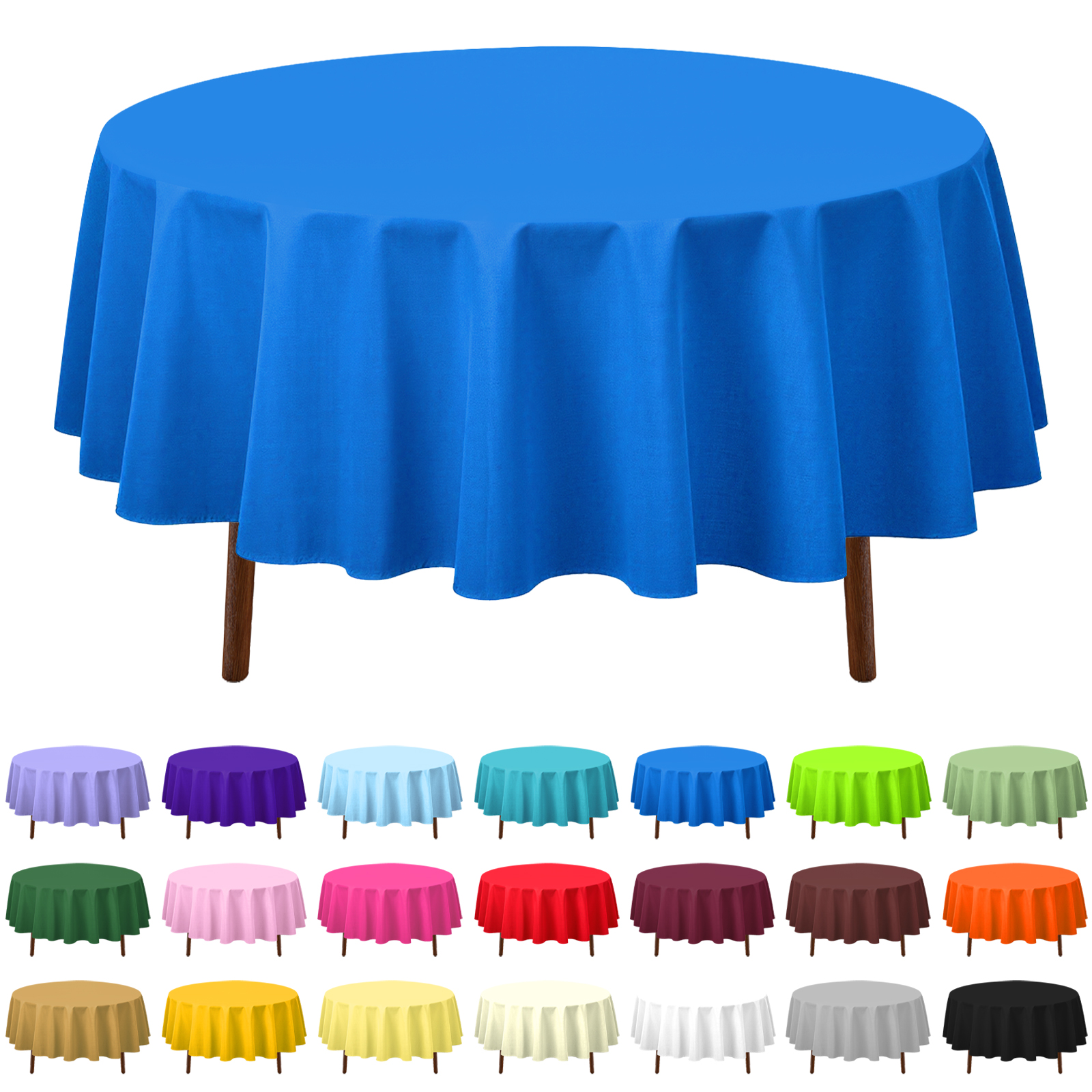
At its simplest, a plastic tablecloth is a table cover made from synthetic materials designed to protect surfaces from spills, stains, and wear. They range from single-use rolls you toss after a party to heavy-duty reusable options meant for outdoor dining and frequent use.
Common Materials (PVC, PEVA, Vinyl)
- PVC (polyvinyl chloride): durable and budget-friendly, but sometimes criticized for chemical additives and smell.
- PEVA (polyethylene vinyl acetate): a softer, chlorine-free alternative that reduces the plastic odor and is often marketed as more eco-conscious.
- Vinyl: often used interchangeably with PVC in casual talk, vinyl tablecloths vary in thickness and finish.
Construction and Finishes (glossy, matte, embossed)
You’ll find glossy finishes for a shiny, festive look; matte for understated elegance; and embossed textures that mimic linen or patterned fabrics. The right finish can elevate a cheap-looking cover into something almost chic.
Types of Plastic Tablecloths
Understanding types helps you match the tablecloth to the occasion.
Disposable vs Reusable
Disposable: great when you want no-fuss cleanup after a big mess—think kids’ parties. Reusable: sturdier, often thicker, meant for repeated washings or quick wipe-downs.
Fitted, Round, Rectangular, Roll
- Fitted: elastic edges hug the table—perfect if wind’s an enemy.
- Round/Rectangular: pre-cut to standard sizes; pay attention to drop length.
- Roll: cut to custom lengths—handy for long banquet tables or craft sessions.
Key Benefits
Why do people keep a stash of these in the closet? Let’s list the wins.
Waterproof Protection
Spills bead up and sit on the surface instead of seeping into wood or fabric. That alone can extend the life of a table.
Easy Cleaning and Maintenance
Most messes wipe away with a damp cloth, or you can soap-and-rinse. No need to run a delicate fabric through the washer.
Cost-Effective and Practical
Cheap, available in bulk, and disposable when needed—hard to beat for high-traffic scenarios.
Typical Uses and Settings
Where do plastic tablecloths shine?
Parties and Events
They save hosts time and stress: quick setup, quick clean, less laundry. Patterns can match themes easily.
Outdoor Picnics and BBQs
Waterproof and wind-resistant, especially when you choose fitted or weighted options.
Arts, Crafts, and Workshops
Paint, glue, and glitter don’t stand a chance. Cut to size for table protection during messy projects.
How to Choose the Right One
Not all tablecloths are created equal. Pick smart.
Size and Shape
Measure your table. Consider drop length—do you want the cloth to skim the floor or just cover the top? Rolls offer the most flexibility.
Thickness (gauge) and Durability
Gauge matters. Thicker tablecloths resist tearing and punctures. If kids or sharp tools will be involved, go thicker.
Pattern, Color, and Style
Solid colors are classic; prints hide stains. Seasonal patterns work great for themed events—think plaids for a rustic picnic or pastels for spring.
Safety Considerations (food-safe, PVC concerns)
Look for labels like “food-safe” or “BPA-free.” If chemical smells bother you, PEVA or coated fabric options can reduce off-gassing.
Styling Tips and Tricks
Yes, plastic can be stylish. Combine practicality with aesthetics.
Layering with Fabric Tablecloths
Use a fabric cloth underneath for texture and a plastic cover on top for spill protection. It’s like dressing a cake: pretty frosting with a protective crumb coat.
Creative Centerpieces and Edge Treatments
Add weighted napkin rings or decorative clips around edges to keep things tidy outdoors. A runner over a bold pattern can tone things down and draw the eye.
Care and Cleaning Guide
Keep that tablecloth looking fresh without fuss.
Routine Cleaning Methods
Wipe with a damp cloth and mild soap. For tougher messes, let it soak in warm soapy water, then rinse. Avoid abrasive scrubbers that can scuff the finish.
Stain Removal and Tough Messes
Grease: sprinkle baking soda or dish soap, let sit, then wash. Wine or dye: treat quickly—blot, then use mild detergent. Test any cleaner in a hidden spot first.
Storage Advice
Fold loosely or roll to avoid deep creases. Store in a cool, dry place away from direct sunlight to prevent brittleness and fading.
Environmental Impact and Alternatives
Plastic tablecloths are convenient, but they aren’t guilt-free. What are the options?
Recycling and Disposal Options
Many plastic tablecloths aren’t accepted in curbside recycling. Check material codes; some PEVA products are more recyclable than PVC. When possible, reuse before discarding.
Eco-Friendly Alternatives (waxed cotton, silicone, biodegradable options)
- Waxed cotton: breathes and repels moisture—stylish and reusable.
- Silicone mats: durable, dishwasher-safe, long-lasting.
- Biodegradable tablecloths: made from corn-based plastics or paper blends; they break down faster but vary in durability.
DIY Ideas and Hacks
Turn plain plastic into something personal.
Making Placemats, Napkins, and Covers
Cut remnants into placemats or coasters. Hem the edges with quick heat-seal tape, and you’ve got custom pieces in minutes.
Personalizing with Paint or Stencils
Use acrylic paint or permanent markers for a DIY pattern. Test on a scrap first—some plastics don’t take paint well. Stencils and spray paint (light coats) can create bold looks.
Buying Guide and Price Ranges
Where to look and what to expect to pay.
Where to Shop (online vs in-store)
Online offers variety and bulk buys; in-store lets you feel the material and see finishes. Party supply stores, home goods retailers, and big-box stores all stock options.
Budget Options vs Premium Picks
Budget: great for one-offs and large events. Premium: thicker, better looking, and often safer (low-odor, food-safe). Think of budget buys like paper plates—functional. Premium choices act like reusable dishes.
Pros and Cons Summary
Quick snapshot.
Pros:
- Affordable and widely available
- Waterproof and easy to clean
- Variety of colors, patterns, and sizes
Cons:
- Environmental concerns with disposal
- Some materials can off-gas or smell
- Can look cheap if not styled well
Conclusion
Plastic tablecloths offer a no-nonsense solution to the age-old problem of protecting surfaces while keeping cleanup simple. Whether you’re feeding a crowd, crafting with kids, or decorating for a themed party, there’s a type that fits your needs—from disposable rolls to reusable, decorative covers. By choosing the right material, caring for it properly, and considering eco-friendly or reusable alternatives when possible, you’ll get the perfect mix of convenience and style. Think of a plastic tablecloth as the practical partner to your hosting plans—unflashy, reliable, and always ready for the mess.
FAQs
1) Are plastic tablecloths safe for food contact? Look for labels that say “food-safe” or “food-grade.” PEVA and some PVC tablecloths are marketed as food-safe, but if you’re concerned about chemical exposure, select BPA-free, chlorine-free, or PEVA options.
2) How do I stop a plastic tablecloth from blowing away at an outdoor event? Use a fitted tablecloth with elastic edges, add table clips or weighted napkin rings, or place centerpieces and serving items strategically to weigh down the cloth.
3) Can I wash a reusable plastic tablecloth in a washing machine? Check the manufacturer’s instructions. Many thinner plastics may warp or crack in a washer; hand washing or a gentle wipe-down is usually safer. Some thicker, fabric-backed varieties can handle gentle machine cycles.
4) What’s the difference between PVC and PEVA tablecloths? PVC is common and durable but can release stronger odors due to additives. PEVA is chlorine-free, softer, and often marketed as a less odorous, more eco-friendly option.
5) How can I make my plastic tablecloth look less cheap? Layer it over a neutral fabric tablecloth, choose a textured or embossed finish, add a centerpiece, or use a matching runner. Small styling choices can make a big visual difference.