
Every tablecloth quotation looks reasonable in a showroom. The problems start at the first outdoor booking: covers lift off a table in an afternoon breeze, red prints go pink by the second weekend, and film that felt supple in the warehouse cracks along its folds when it is unfolded in the sun. None of that is random. It comes from ordering an indoor specification for an outdoor job.
This guide is for event suppliers, party-hire businesses and outdoor caterers who buy disposable plastic tablecloths by the carton and hand them to crews with no time to read a spec sheet. It covers the four loads an outdoor cover carries, the film and size choices that answer each one, and the fields to put on the purchase order so the next shipment behaves like the last one.
The four loads an outdoor tablecloth carries
Indoors, a cover only has to look right and stay clean. Outdoors it has to survive four separate loads, and each is answered by a different part of the specification: wind, which treats a draped film as a sail; sun, which attacks polymer and pigment at different rates; heat, from direct sun on a dark surface and from hot serving dishes; and ground, with grass, gravel and paving that abrade and puncture film. Most complaints come from buyers who compare colour and price per piece and never write down what the cover must resist.
Wind: mass, drop and anchoring
Wind load is not the weight of one cover; it is how much surface the cover presents and how well it is tied down. Two things drive it: film gauge and overhang.
Mass per square metre rises with thickness, so a 0.05 mm cover resists lift far better than a 0.03 mm cover of the same size. For exposed sites, coastal venues, rooftop terraces and marquees with open sides, the heavier gauge is the cheaper decision over a season. Our guide to mil, micron and GSM explains how to compare gauges quoted by different suppliers.
Overhang is the part buyers overlook. A 54 by 108 in cover on a 6 ft table with a 30 in top gives about 18 in of drop at each end and 12 in at the sides. Tidy indoors; outdoors every inch below the edge is a sail. On an exposed site, a shorter drop that stops just below the edge sheds wind instead of catching it.
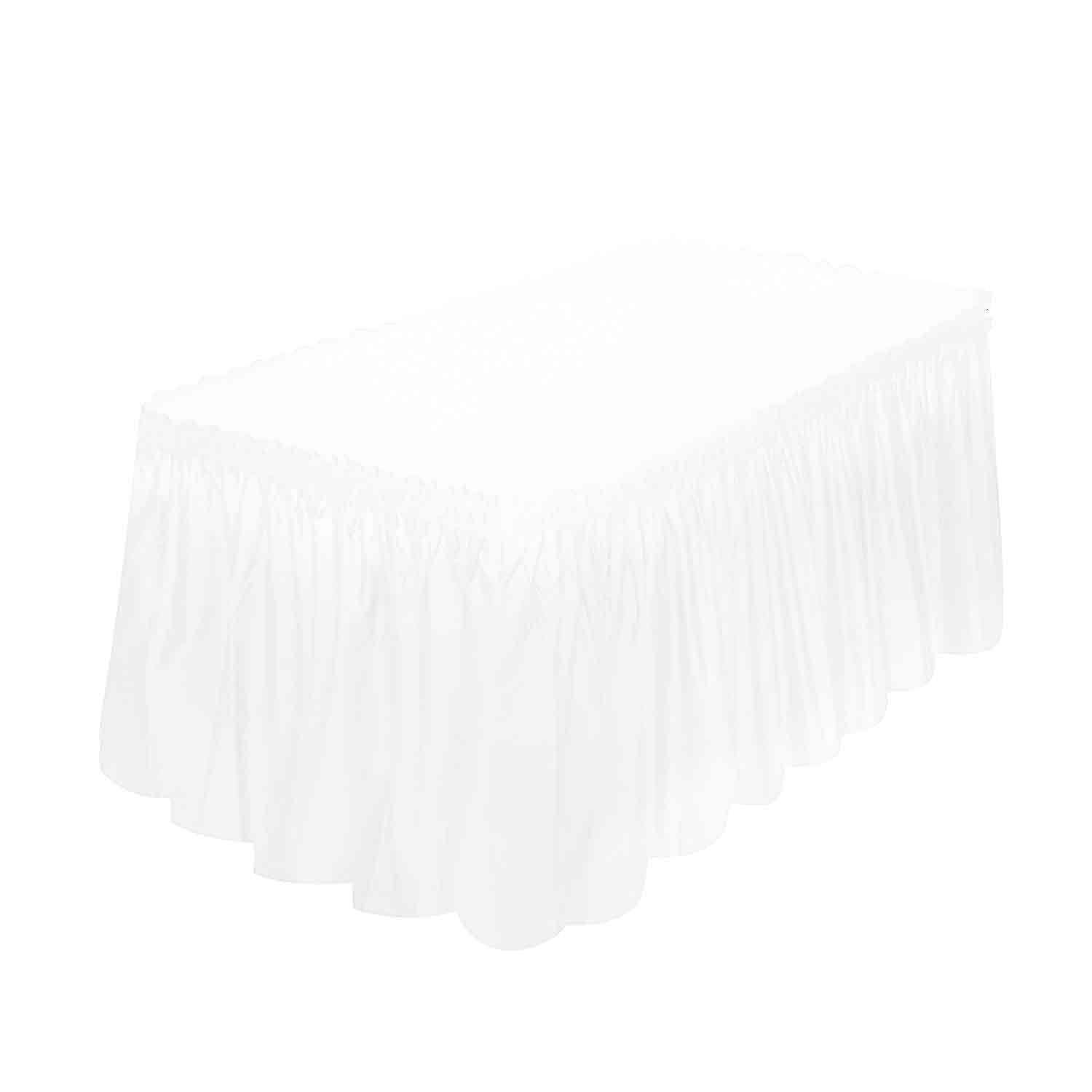
Anchoring has to match the table, not the cover. Tape sticks poorly to textured or dusty folding tables, clips need a lip to grip, and weights only work if the drop can hold them. Ask for a wind-ready pack: covers cut to the drop you want plus clips or weights in the same carton. Skirts need their own note: a vertical panel exposes more area than a cover drop and behaves like a flag, so add a fixing point at every panel joint outdoors. Our panel and drop guide for plastic table skirts covers the sizing.
Sun and UV: colour fades before the film fails
Polyethylene and PEVA are both sensitive to ultraviolet light. Exposure breaks polymer chains, and the first sign is not a change in appearance but a loss of elongation: the film stops stretching and starts splitting along the folds. A cover can look perfect on the table and tear the moment a crew pulls it off; the chemistry is documented in the references on photodegradation of polymers and on ethylene-vinyl acetate.
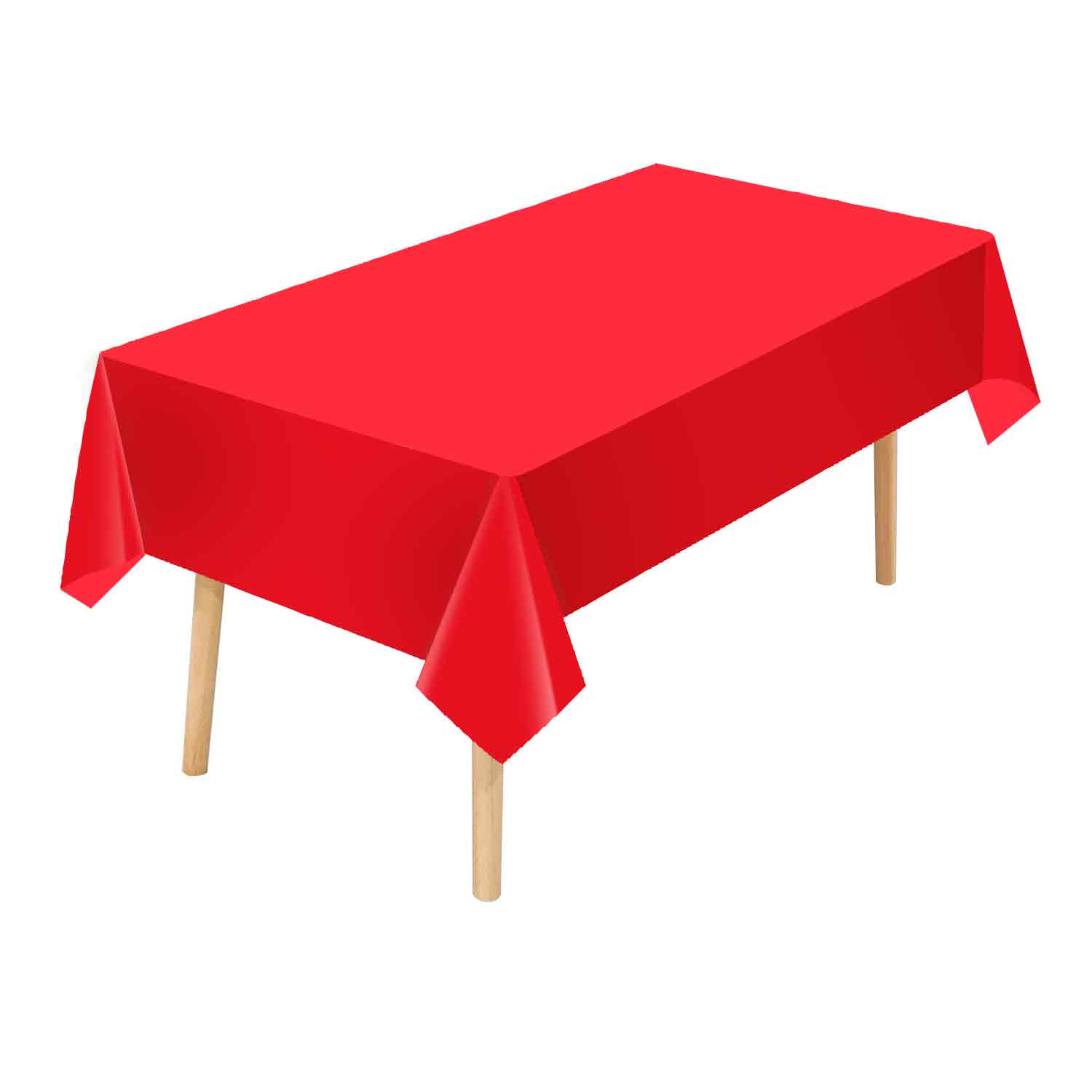
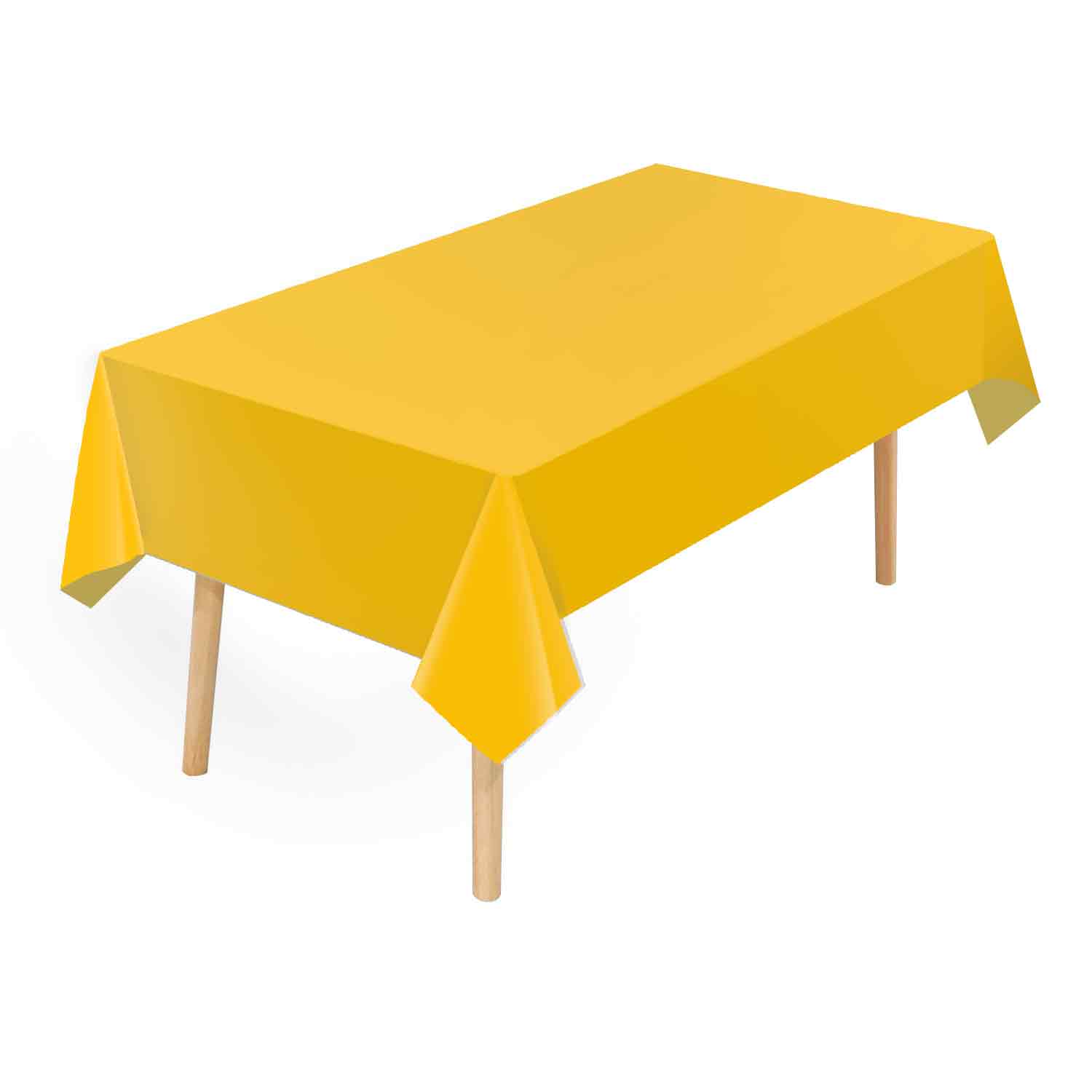
Pigment goes before the polymer does. Reds, oranges and yellows shift first; blues and blacks hold longest, which is the opposite of what most buyers expect. A venue that wants a warm colour scheme across a whole summer should plan on replacing those covers sooner, or specify a light-stable pigment from the start.
There are two practical levers. The first is a UV-stabilised masterbatch, which slows chain scission without changing how the cover handles. The second is the pigment system, chosen for light fastness rather than for how it looks on a colour card. Neither is visible on a quotation unless you ask, so ask for the weathering data behind the claim, typically a xenon-arc exposure to ISO 4892-2 or ASTM G154, and ask which gauge it was run on, because a result on 0.05 mm does not transfer to 0.03 mm.
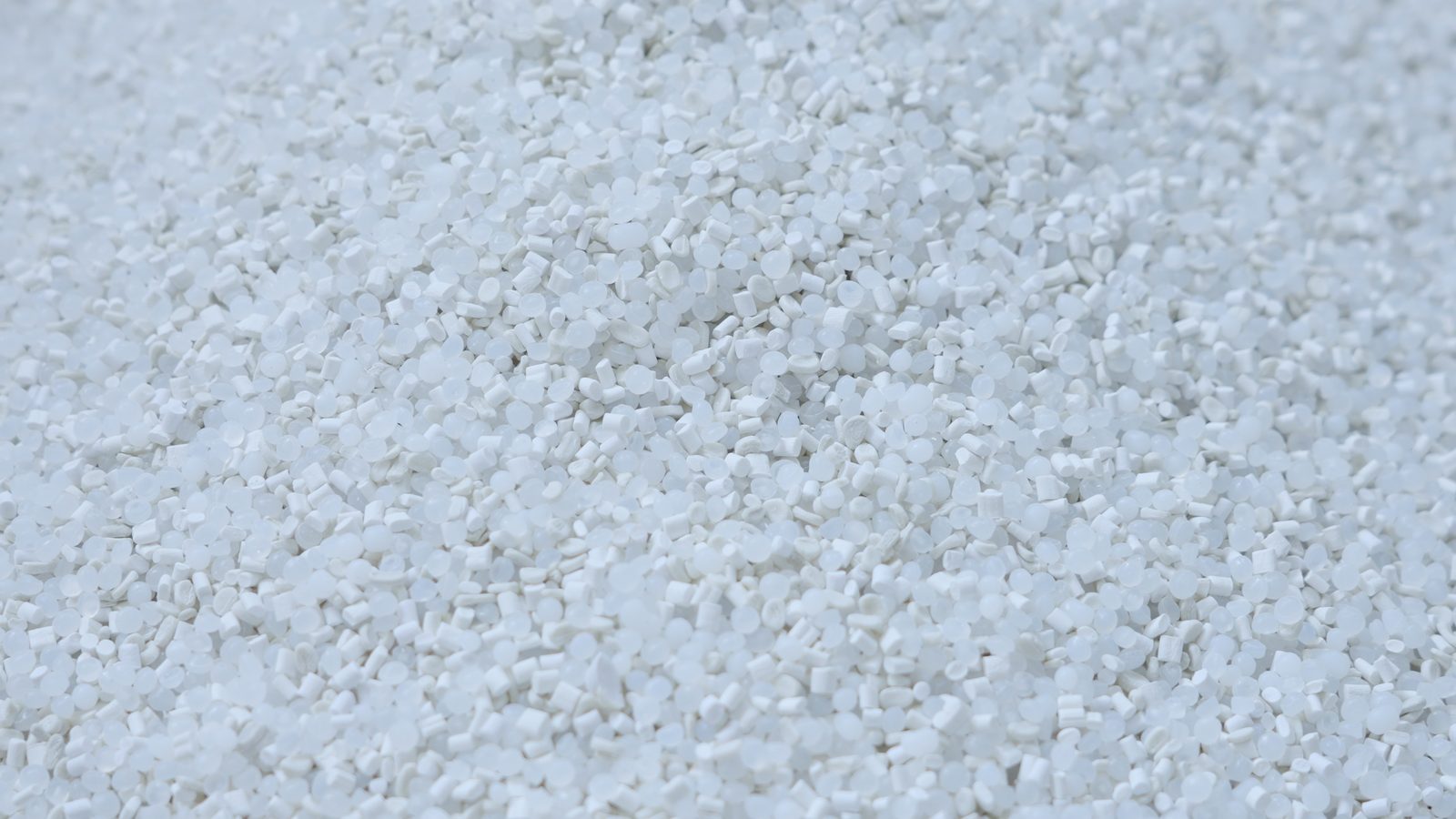
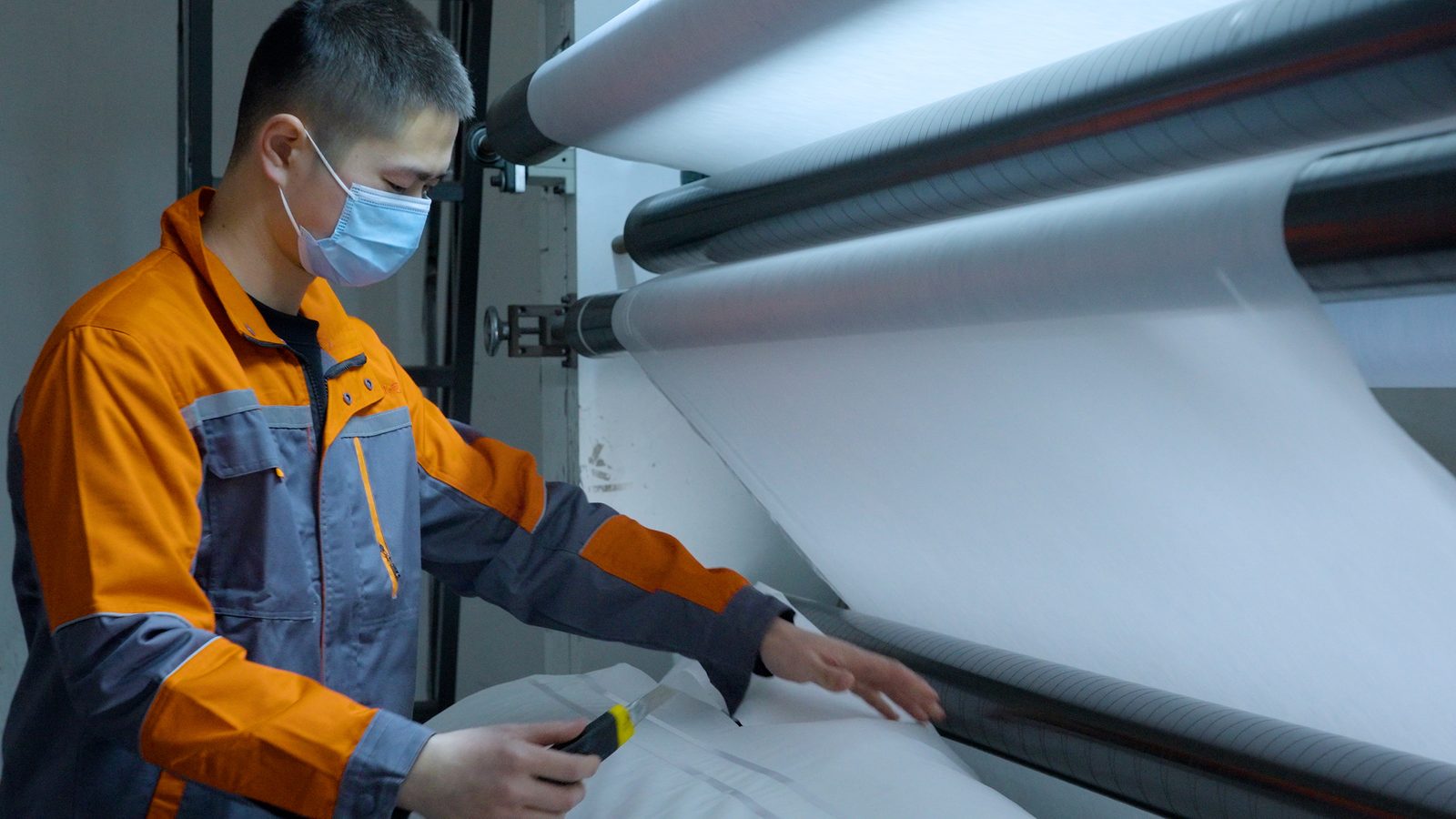
Storage matters too: cartons left on a dock or in a yard take UV before use, so keep stock dark, dry and rotated. How a cover is built from a plastic film is worth understanding before comparing gauges across suppliers.

Heat: hot dishes, dark films and surface temperature
Polyethylene softens at temperatures a hot serving dish or a chafing dish base can reach, and a black cover in direct summer sun is already warm before anything is put on it. Dark colours absorb more solar energy than light ones, so the same table runs hotter under a black cover than under a white one. Two consequences follow: chafing dishes, hot trays and heated pans should never sit directly on the film, and pale colours are the safer default for daytime service in strong sun.
PEVA behaves differently from PVC here. It is a polyethylene-based film with no plasticiser to migrate, so it does not go tacky when it warms up and does not mark the table underneath. Our comparison of PVC, PEVA and vinyl covers the handling differences that matter on site, and the food-contact position for polyethylene film is set out in 21 CFR 177.1520.
Ground, table type and the drop you can use
Outdoor tables are rarely the 6 ft banquet table that size charts assume. Picnic benches have attached seats that change the usable drop, and folding tables have a lip and a centre seam that film wears through. On grass and gravel the film is abraded from below every time a guest shifts, and a cover dragged across paving is finished before the event starts.
Three habits fix most of it. Size from the table rather than from the last order: our plastic tablecloth size chart gives the drop for standard sizes, and a tape measure settles the rest. Put an offcut under the cover where the ground is rough. And lift, never drag, when repositioning. Where tables are not on the chart at all, keep roll stock: 40 in and 54 in widths cover most odd tables and let a crew cut a shorter drop for a windy position. The trade-off is set out in our rolls versus pre-cut covers guide.
Reuse, spares and quick-change packing
Disposable or reusable is a decision per event, not per catalogue. A one-day market stall can use a light gauge and throw it away; a three-day festival with the same tables in the same place is better served by a heavier cover that is wiped down between services. Reuse has limits: creases become cracks, food oil softens the folds, and a cover that has spent three days in the sun has already given up part of its elongation. Our disposable versus reusable comparison sets out the cost-per-use arithmetic.
For stock planning, count services rather than days: one cover per table per service, plus a spare allowance for tears, wind damage and colour changes between zones. A spare allowance of 15 to 25 per cent of the calculated need is a working rule outdoors, because losses are concentrated. Pack in colour and size order, print gauge and drop on the carton, and keep the fixing kit in the box with the covers it serves; a crew resetting a venue in an hour cannot open four boxes hunting one shade.
What to put on the purchase order
- Finished size and the drop required, stated per table type.
- Film gauge, consistent across every colour in the range.
- Colour reference against a retained master sample, not a screen image.
- UV stabilisation requested, with the test method and the gauge it was run on.
- Pack format: covers per poly bag and per carton, with carton marking.
- Wind kit contents, if the covers are sold as an outdoor pack.
- Spare allowance, so the carton count covers a season rather than one event.
Most of these fields already appear on our quotation checklist for importers, and all of them can be written into a repeat order so that shipment two matches shipment one.
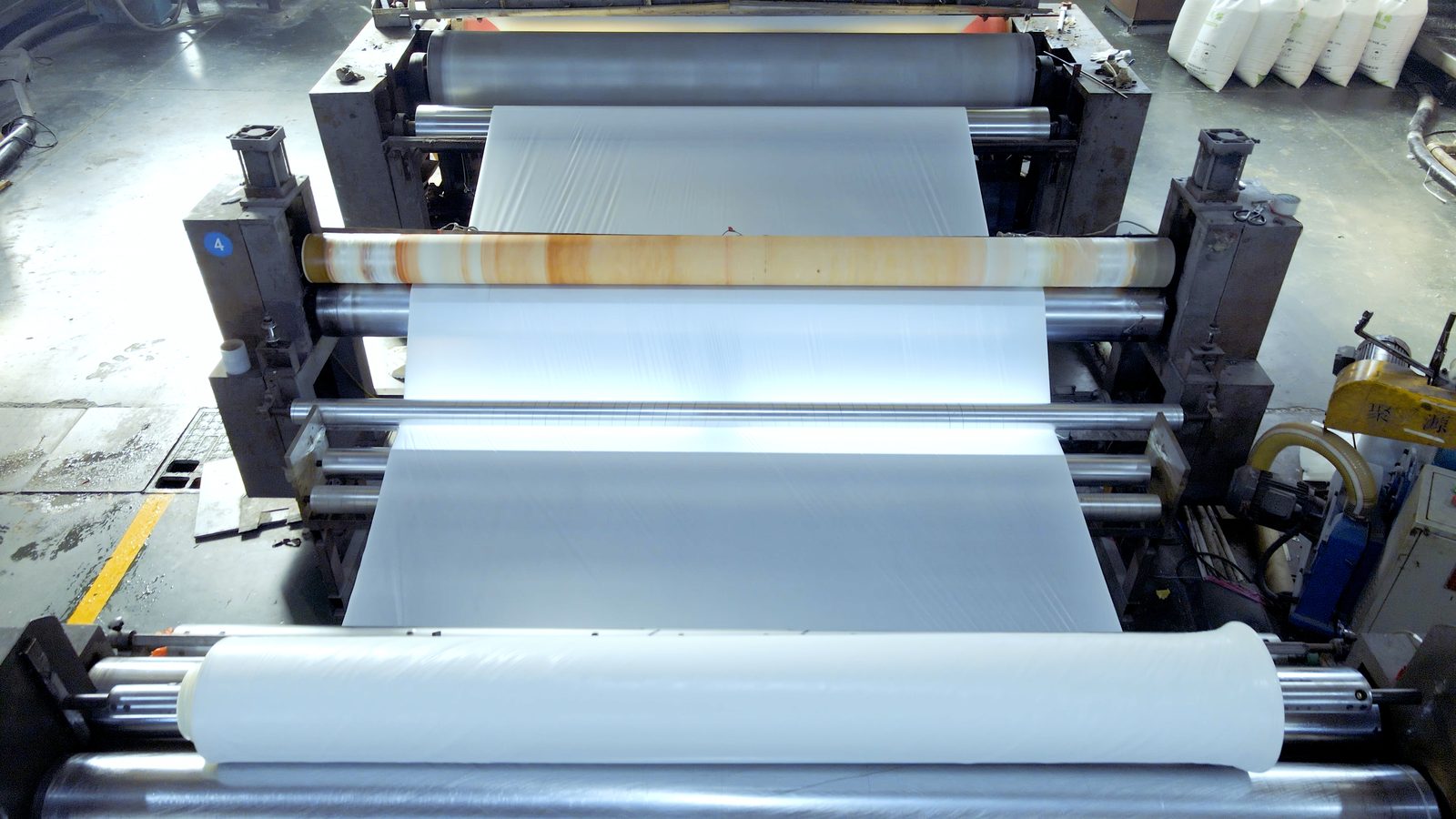
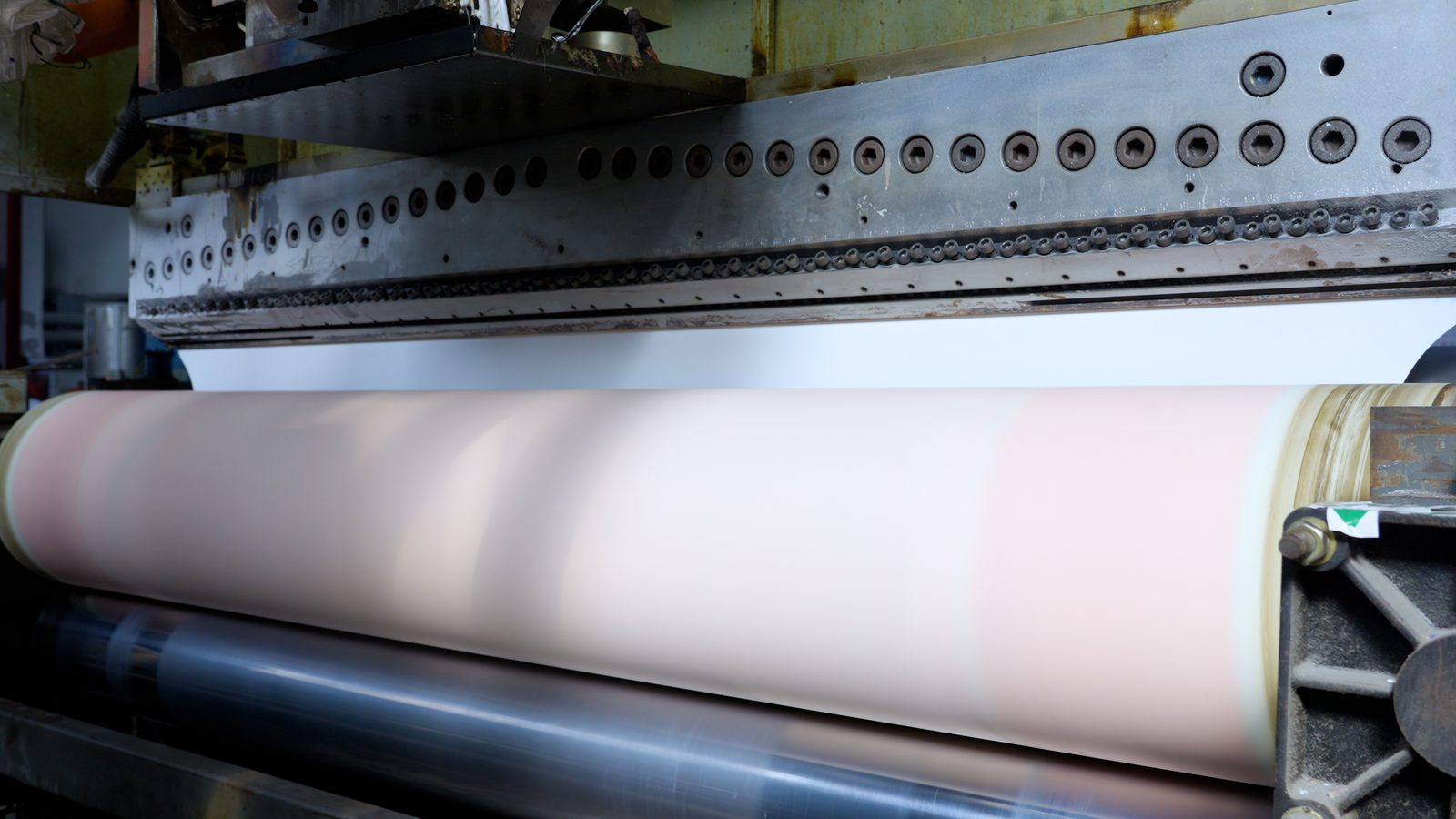
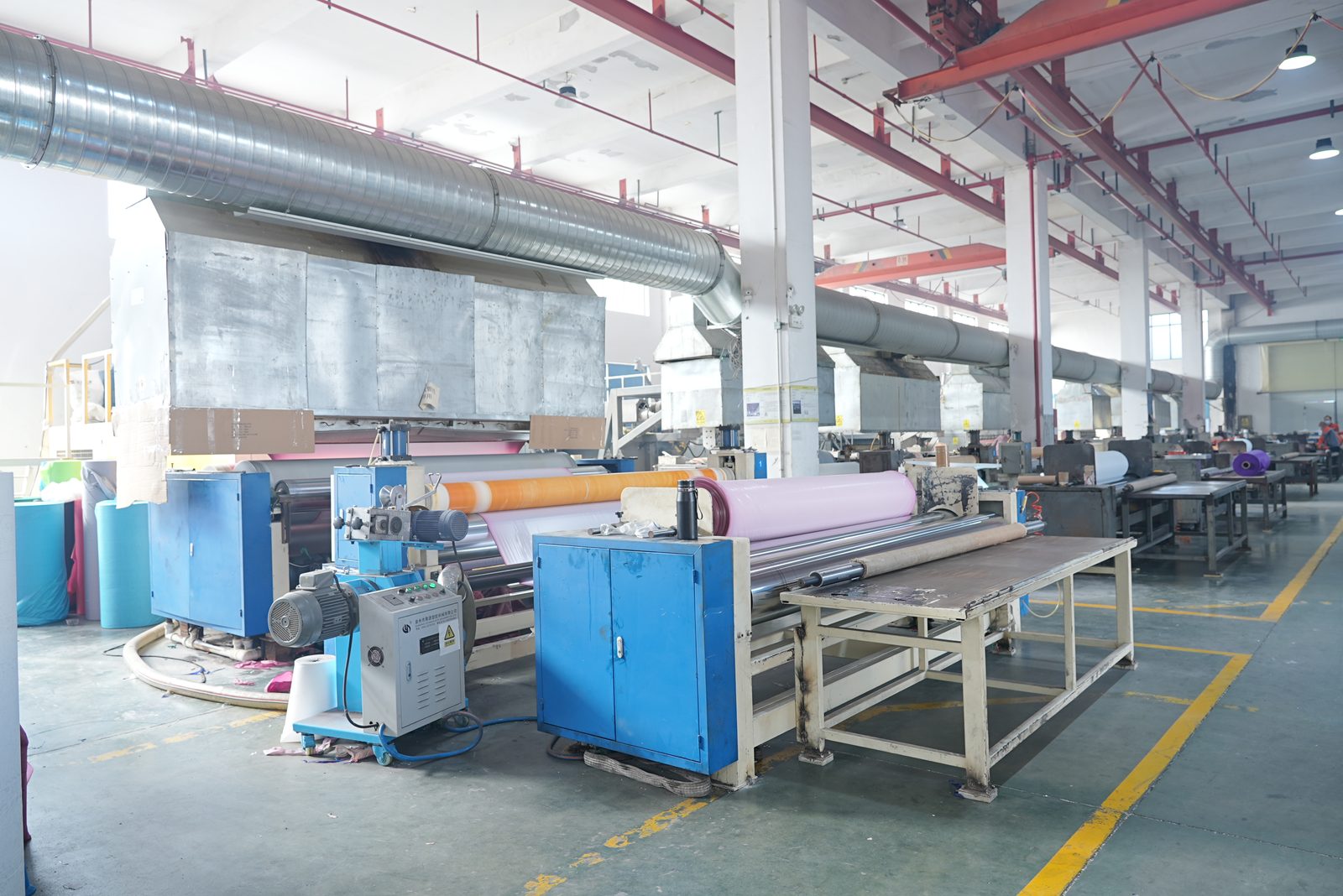
Runxiang has been making polyethylene and PEVA tablecloth film, printing it and packing it in Changzhou for more than twenty years, so gauge, pigment system and carton configuration are settled in the plant that ships them. If you are building an outdoor range, send the table types, site conditions and colour story, and we will come back with a specification you can quote from. Solid colour programmes can be built from our solid colour tablecloth range, and the full line, including rolls and printed covers, sits under disposable plastic tablecloths.